
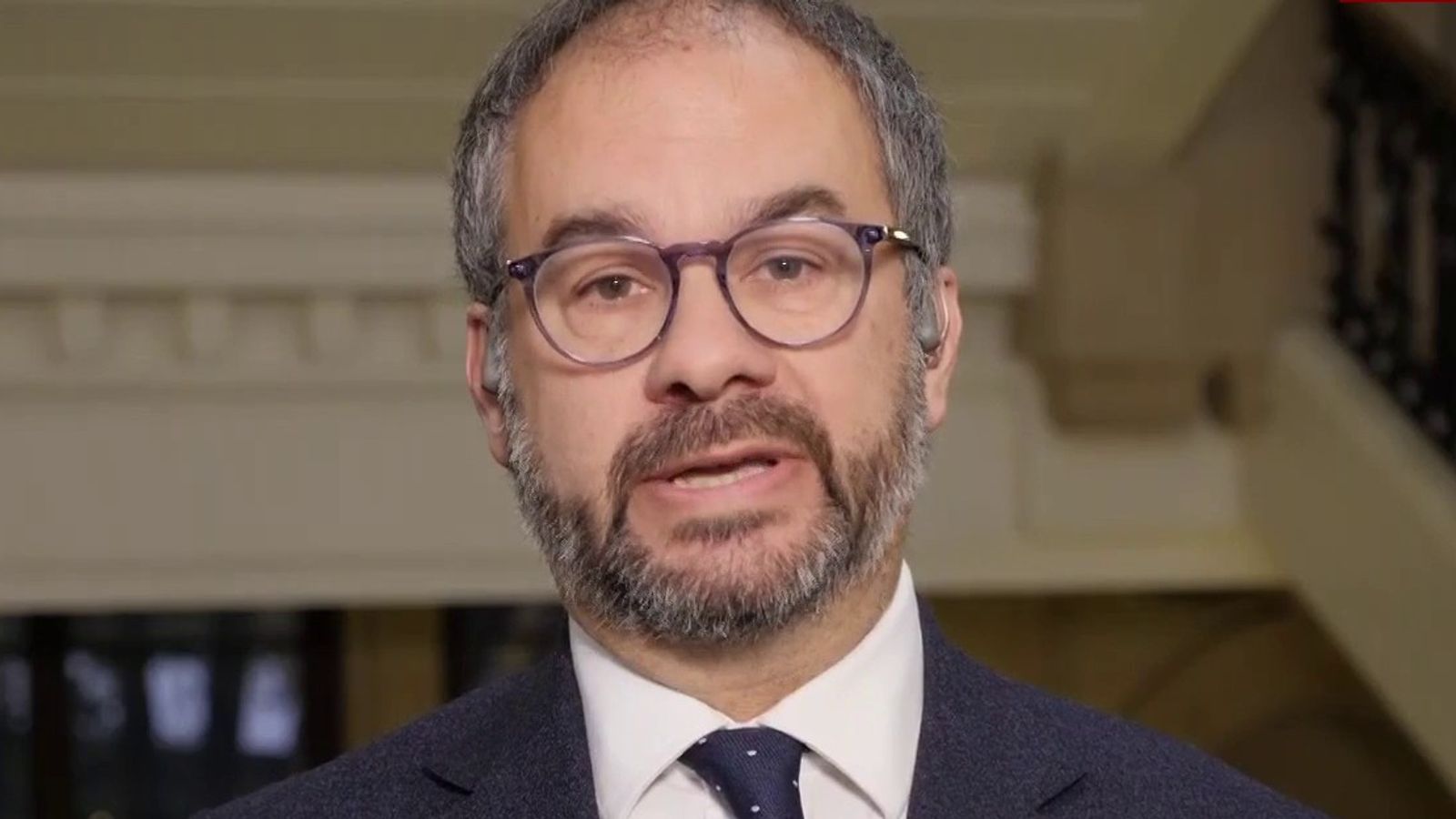
Tory MP Paul Scully apologises for claiming there are ‘no-go areas’ in Britain

A former Tory minister has apologised for claiming there are “no-go areas” in London and Birmingham following a backlash.
Paul Scully, who served as the minister for London until the latest reshuffle, has expressed “regret” for the language he used in a BBC interview, where he said people were “concerned about, more and more, their neighbourhoods changing”.
In a post on X, he wrote: “Following the frenzy of yesterday I regret using language that could be misconstrued but at a time when we need to encourage moderate voices speaking up for our diverse communities, frankly my biggest regret is speaking out in the first place.”
Mr Scully, the MP for Sutton and Cheam, also used an interview with BBC Radio London to say he was “sorry for using the word “no-go areas”, adding it was a “blunt thing that also feeds into another set of conspiracy theories”.
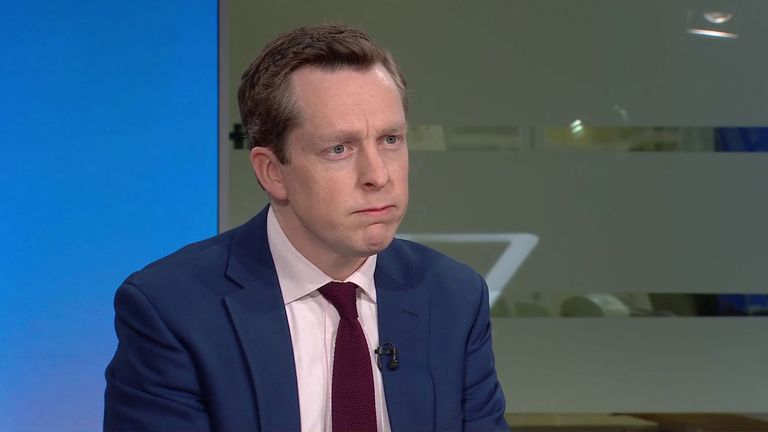
The MP’s apology comes after he was encouraged to withdraw his comments by immigration minister Tom Pursglove.
Politics latest: Rishi Sunak tries to put lid on Lee Anderson Islamophobia row
Asked about Mr Scully’s claims on Sky News Breakfast, Mr Pursglove said: “I don’t recognise that depiction.”
He said a “key part” of his role and the government’s migration plans were encouraging immigrants to integrate.
“I think it would be best, again, if that comment was withdrawn,” he added.
Mr Scully said he was feeling “really bruised” after his comments sparked criticism.
“I’m slightly furious that some of the pile-on I had yesterday in some areas, rather than actually people asking me…’what do you mean by that?'”
Tom Pursglove MP
He added: “Frankly, at the moment, I’m just feeling that I don’t want to get involved in the conversation for some time but I know in my heart that’s not going to last for long because London matters to me, the communities in London really matter to me.”
In his original BBC interview, Mr Scully said he wanted there to be “a sensible use of language so we have a constructive adult debate”.
“If you were just looking at the colour of skin and, for example, when a number of Indians were coming in the 70s – my father is half-Burmese, so I’ve seen it first hand – and if it is about the colour of skin, that’s one thing,” he said.
“The point I am trying to make is if you look at parts of Tower Hamlets, for example, there are no-go areas.
“Parts of Birmingham, Sparkhill, where there are no-go areas, mainly because of doctrine, mainly because of people using – abusing in many ways – their religion because it is not the doctrine of Islam, to espouse what some of these people are saying.”
Read more:
Sunak ‘made calculation he doesn’t need Muslim voters’
More than 40% of public think Labour still has antisemitism problem
The comments were criticised by Tory West Midlands mayor Andy Street, who posted on X that it was “news to me and I suspect the good people of Sparkhill” to claim there were “no-go areas”.
Jess Phillips, the Labour MP for Birmingham Yardley, also wrote on the social media platform that she was “expecting an apology for this utter drivel”.
Mr Scully’s comments come as the Conservative Party faces accusations of Islamophobia following Lee Anderson’s claim that “Islamists” had taken control of London and its mayor, Sadiq Khan.
Mr Sunak has condemned Mr Anderson’s attack on Mr Khan as unacceptable and “wrong” but refused to say whether they were Islamophobic.
Asked whether Mr Anderson’s comments were racist, Mr Pursglove echoed the prime minister’s language and said: “I don’t think personally that Lee is racist, but what he said was unacceptable. He shouldn’t have said it.”

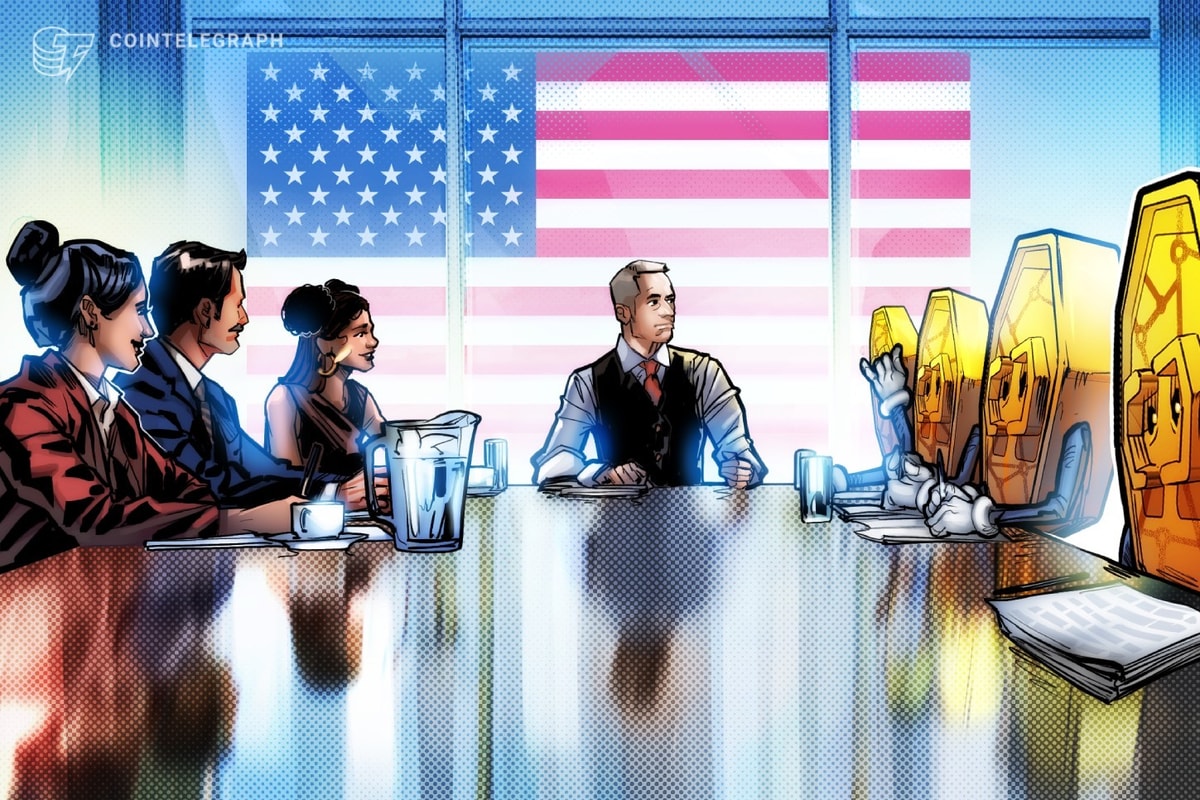
A growing rift has emerged in Washington, D.C., between the cryptocurrency industry and labor unions as lawmakers debate whether to ease rules allowing cryptocurrencies in 401(k) retirement accounts.
The dispute centers on proposed market structure legislation that would allow retirement accounts to gain exposure to crypto, a move labor groups say could expose workers to speculative risk. In a letter sent on Wednesday to the US Senate Banking Committee, the American Federation of Teachers argued that cryptocurrencies are too volatile for pension and retirement savings, warning that workers could face significant losses.
The letter drew immediate pushback from crypto investors and industry figures. “The American Federation of Teachers has somehow developed the most logically incoherent, least educated take one could possibly author on the matter of crypto market structure regulation,” a crypto investor said on X.

In response to the letter, Castle Island Ventures partner Sean Judge said the bill would improve oversight and reduce systemic risk, while enabling pension funds to access an asset class that has delivered strong long-term returns.
Consensys attorney Bill Hughes said the AFT’s opposition to the crypto market structure bill was politically motivated, accusing the group of acting as an extension of Democratic lawmakers.

Related: Atkins says SEC has ‘enough authority’ to drive crypto rules forward in 2026
Opposition to crypto in retirement and pension funds mounts
Proponents of allowing crypto in retirement portfolios, on the other hand, argue that it democratizes finance, while trade unions have voiced strong opposition to relaxing current regulations, claiming that crypto is too risky for traditional retirement plans.
“Unregulated, risky currencies and investments are not where we should put pensions and retirement savings. The wild, wild west is not what we need, whether it’s crypto, AI, or social media,” AFT president Randi Weingarten said on Thursday.
The AFT represents 1.8 million teachers and educational professionals in the US and is one of the largest teachers’ unions in the country.
According to Better Markets, a nonprofit and nonpartisan advocacy organization, cryptocurrencies are too volatile for traditional retirement portfolios, and their high volatility can create time-horizon mismatches for pension investors seeking a predictable, low-volatility retirement plan.

In October, the American Federation of Labor and Congress of Industrial Organizations (AFL-CIO) also wrote to Congress opposing provisions within the crypto market structure regulatory bill.
The AFL-CIO, the largest federation of trade unions in the US, wrote that cryptocurrencies are volatile and pose a systemic risk to pension funds and the broader financial system.
Magazine: 13 Christmas gifts that Bitcoin and crypto degens will love

-
 Sports2 years ago
Story injured on diving stop, exits Red Sox game
-
 Sports3 years ago
‘Storybook stuff’: Inside the night Bryce Harper sent the Phillies to the World Series
-
 Sports2 years ago
Game 1 of WS least-watched in recorded history
-
 Sports3 years ago
Button battles heat exhaustion in NASCAR debut
-
 Sports3 years ago
MLB Rank 2023: Ranking baseball’s top 100 players
-
Sports4 years ago
Team Europe easily wins 4th straight Laver Cup
-
 Environment3 years ago
Japan and South Korea have a lot at stake in a free and open South China Sea
-
 Environment1 year ago
Here are the best electric bikes you can buy at every price level in October 2024