
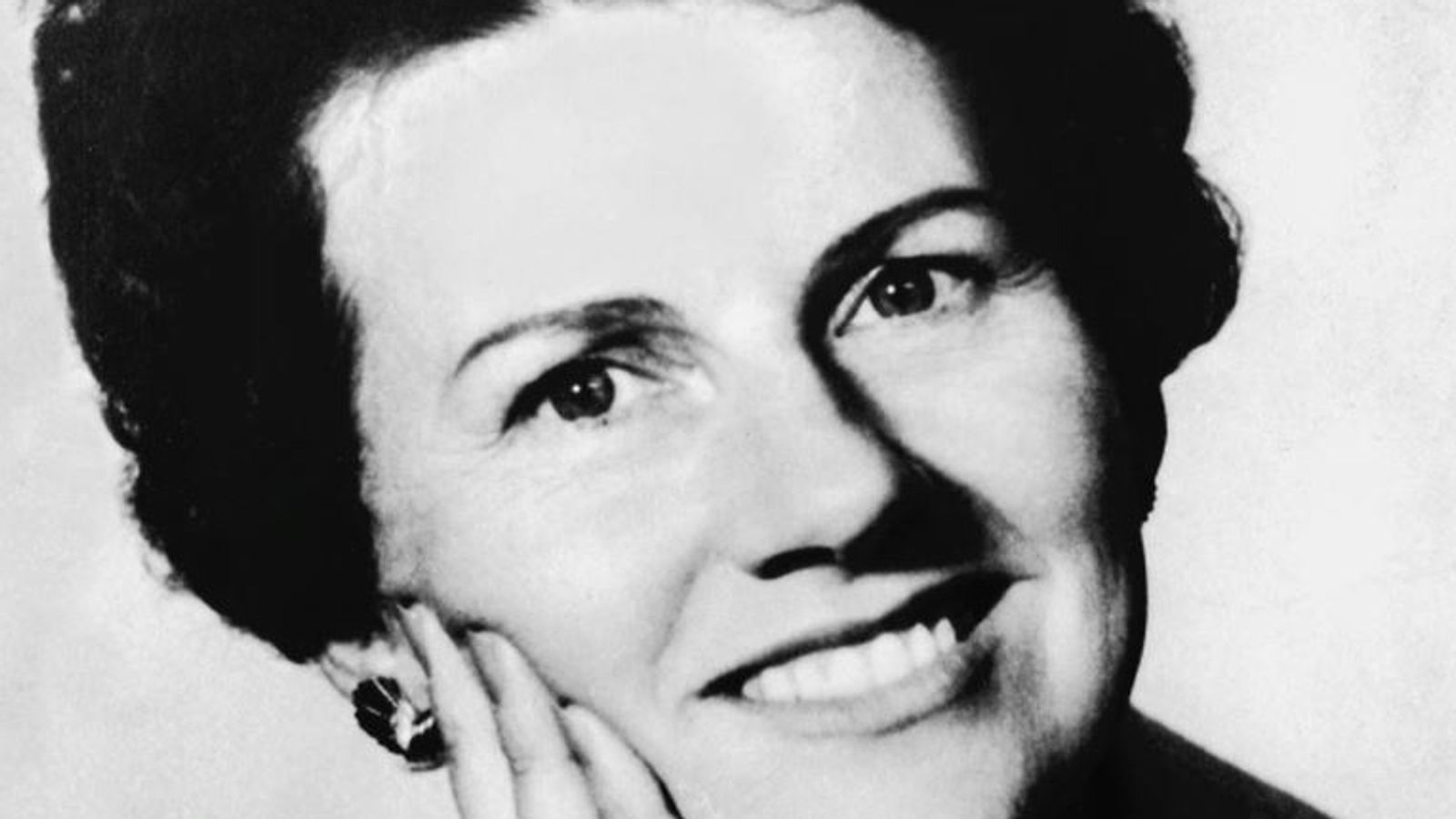
Muriel McKay: Family of murdered woman claim police jeopardising search for body by ‘spooking’ killer

The family of murdered Muriel McKay have condemned Scotland Yard detectives for the way they interviewed her killer in the continuing search for her remains.
After a renewed campaign to find her body, her relatives now fear police will abandon plans to dig at the Hertfordshire farm where Mrs McKay was held ransom by her kidnappers 55 years ago.
Her family says the killer has already pinpointed the burial site to them.
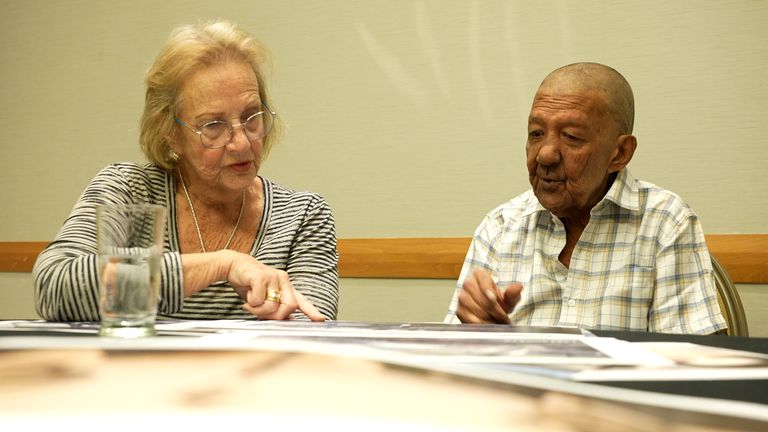
Dianne McKay and Hosein looking through photos of the farm when they met in January
The British officers collected Nizam Hosein, 76, from his ramshackle home in Trinidad last week and spent three days in a local police station asking him to identify the exact spot where he buried Mrs McKay.
Hosein was deported to the island after serving 20 years for Mrs McKay’s kidnap and murder. It was one of the first murder trials without a body. Until recently he had refused to say what happened to his victim.
After initially telling the family they were making progress in their interviews with Hosein, Detective Superintendent Katherine Goodwin then sent them a message: “He was unable to provide a location with any consistency, which is not what you or we wanted to find.”
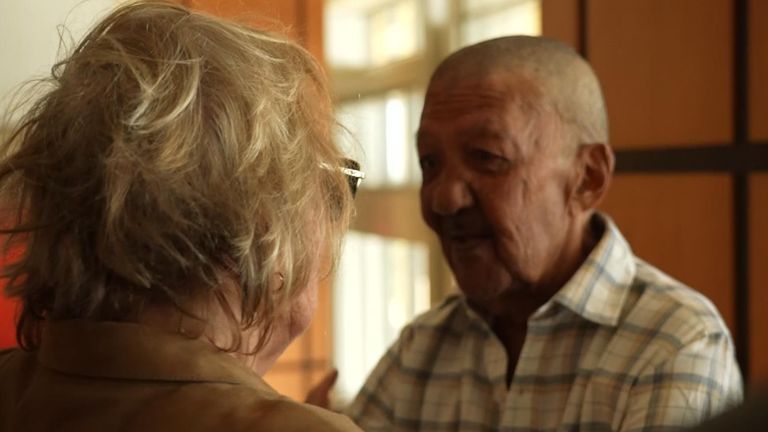
Daughter meets mother’s killer
Mark Dyer, Mrs McKay’s grandson, confronted the officers on their return to Gatwick Airport early on Saturday.
He told Sky News: “This is most upsetting to us personally, having done so much for this search to find my grandmother who has now been twice failed by the Metropolitan Police.
“We warned the police that going mob-handed and putting him in a police station would spook him and they would never get much out of him. He is terrified of police officers and needs to be carefully handled and encouraged to speak about those days.”
Nizamodeen Hosein had kept the secret of Muriel McKay’s fate for more than 50 years
Dianne McKay, Muriel’s daughter, said: “It’s taken us nearly three years to get this guy to really be open and friendly with us, and that’s not what we ever set out to achieve.
“We only wanted information, but we’ve had to work very hard psychologically on his character to gain his confidence, and they walked in and snuffed it.”
Mr Dyer said: “Many times Nizam has told the family the precise burial spot. He hasn’t wavered. He pointed it out on old photographs of the farm we showed him and has offered to return to the UK to show us exactly where we will find my grandmother.”
He also told Sky News that he feels he and his mother “are being played with”.
“It’s not a game,” he added. “My mother’s emotions and health are being played with, this has got to stop.
“Either my grandmother is where Nizam says she is, or she’s not, it’s simple. This is not rocket science.”
Businessman Mr Dyer and his mother Dianne met Hosein in January after flying 4,500 miles to Port of Spain, the capital of Trinidad and Tobago.
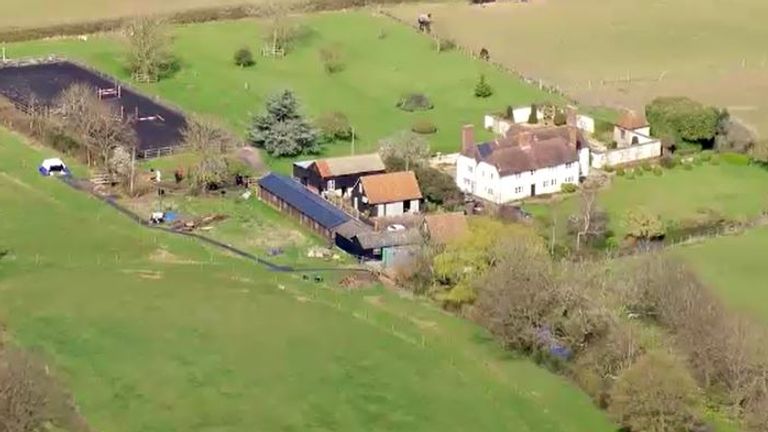
The Hertfordshire farm where Muriel McKay was kept prisoner by the Hosein brothers
Sky News filmed a series of meetings, in which Hosein was shown old and new photographs of the farm and studied computer-generated images to identify the burial site.
He said at the time: “Go through the kitchen door, come through the open land, turn left and it’s two feet from the hedge, that’s where the body is.”
A week later, after studying the Sky News footage, Det Supt Goodwin said she found Hosein’s evidence “compelling”, but wanted to meet him face to face to test his credibility and memory.
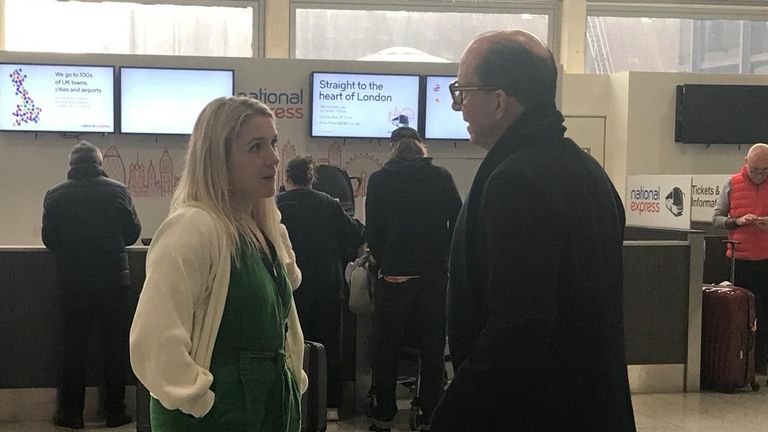
Mark Dyer confronted Supt Katherine Goodwin at Gatwick Airport
She and two colleagues landed on the island on Monday and began interviewing Hosein the next day. They had urged the family not to be there and to let them speak to him alone.
She hoped to gather enough evidence to justify a new search at the farm near the village of Stocking Pelham, or urge the Home Office to lift Hosein’s deportation order and let him return briefly to the farm to show police exactly where to dig.
Read more:
Killer reveals location of victim’s remains
Muriel McKay’s killer mees Scotland Yard
Farm owner to allow police search for remains
Her colleagues searched a patch of the farmland two years ago, but found nothing during a five-day excavation. The family said they had dug in the wrong place.
Fifteen months ago, Dianne McKay, 84, made an official complaint about the attitude towards her one by one of the officers involved in the first search.
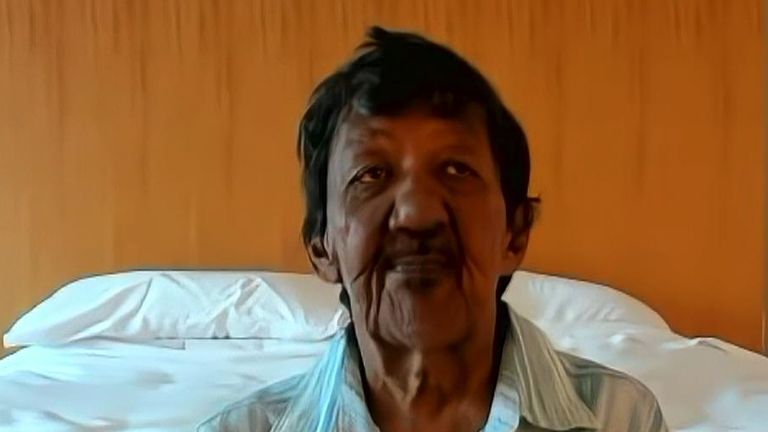
Muriel McKay’s killer wants to help find her body
She accused him of “completely and wholly unacceptable behaviour” by confronting and shouting at her and accusing her of breaching an agreement with the landowner who had allowed the first police search.
She wrote to Commissioner Sir Mark Rowley: “I was gravely surprised and still feel deeply traumatised by his behaviour.”
Scotland Yard spokesperson said: “We can confirm a public complaint has been received and is now being assessed. We will remain in contact with the complainant during this process.”
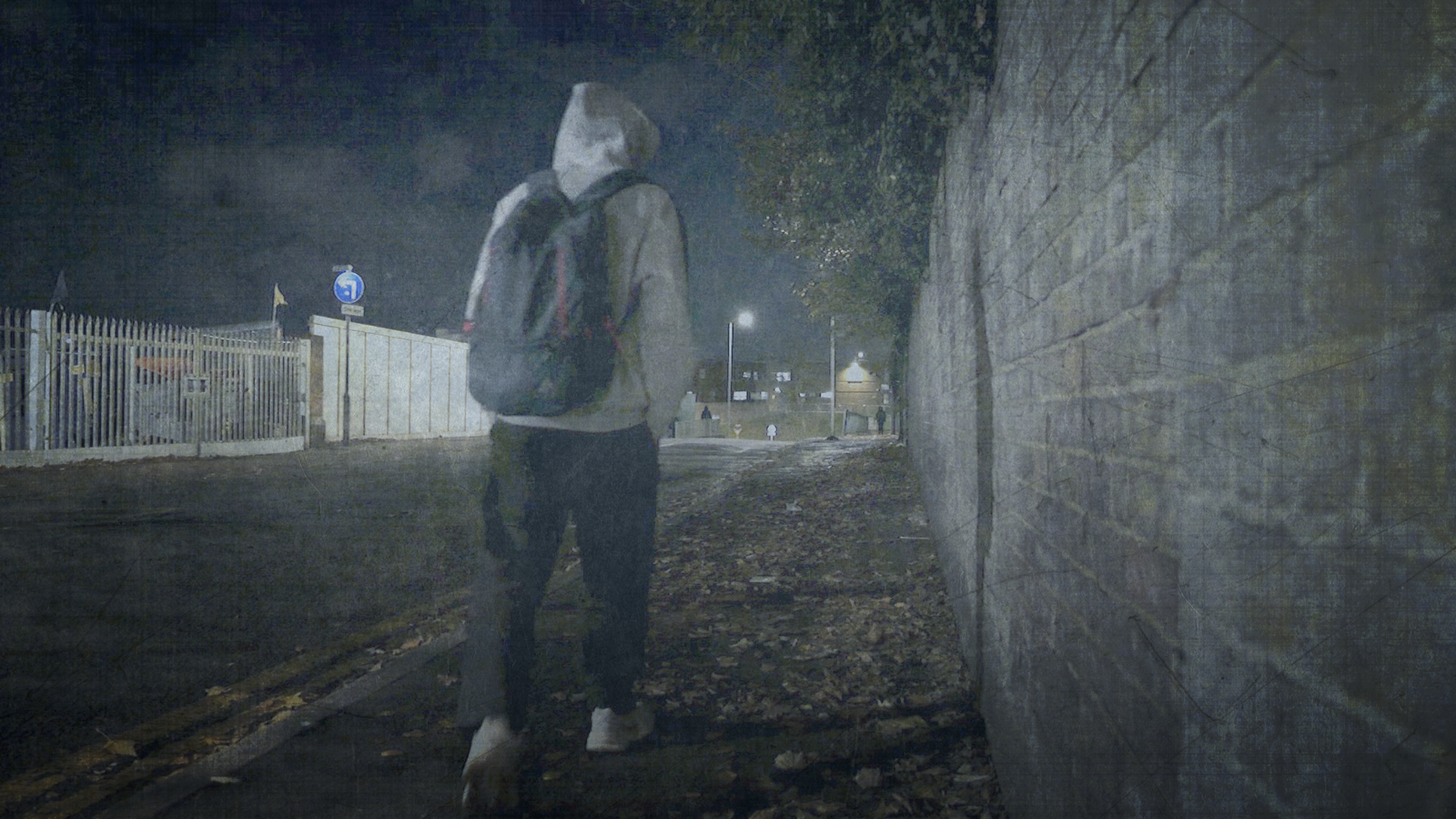
Ramesh lives in fear every day. A police siren is enough to alarm him.
He’s one of up to 400,000 visa overstayers in the UK, one lawyer we spoke to believes.
It’s only an estimate because the Home Office has stopped collecting figures – which were unreliable in the first place.
Britain is being laughed at, one man told us, “because they know it’s a soft country”.
‘Ramesh’ came to the UK from India
We meet Ramesh (not his real name) at a Gurdwara, a Sikh place of worship, where he goes for food and support.
He insists he can’t return to India where he claims he was involved in political activism.
Ramesh says he came to the UK on a student visa in 2023, but it was cancelled when he failed to continue his studies after being involved in a serious accident.
He tells us he is doing cash-in-hand work for people who he knows through the community where he is living and is currently working on a house extension where he gets paid as little as £50 for nine hours labouring.
“It’s very difficult for me to live in the UK without my Indian or Pakistani community – also because there are a lot of Pakistani people who give me work in their houses for cleaning and for household things,” he adds.
‘What will become of people like us?’
Anike has lived in limbo for 12 years.
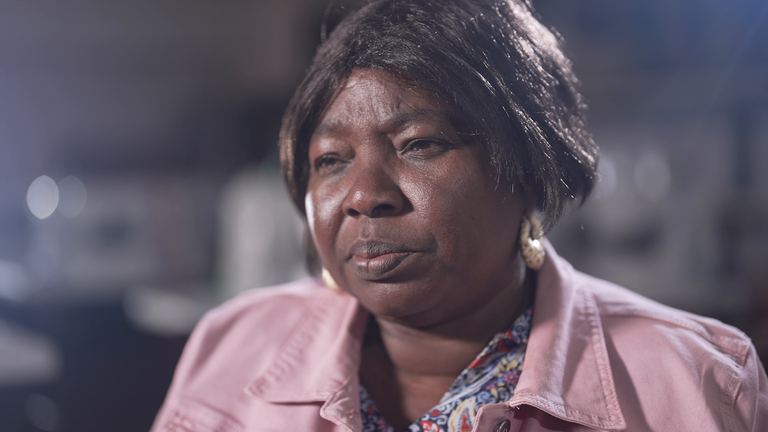
Now living in Greater Manchester, she came to the UK from Nigeria when her sister Esther was diagnosed with a brain tumour – she had a multi-entry visa but was supposed to leave after three months.
Esther had serious complications from brain surgery and says she is reliant on her sister for care.

Immigration officials are in touch with her because she has to digitally sign in every month.
Anike has had seven failed applications for leave to remain on compassionate grounds refused but is now desperate to have her status settled – afraid of the shifting public mood over migration.
“Everybody is thinking ‘what will become of people like us?'” she adds.
‘It’s a shambles’
The government can’t say with any degree of accuracy how many visa overstayers there are in Britain – no data has been collated for five-and-a-half years.
But piecing together multiple accounts from community leaders and lawyers the picture we’ve built is stark.
Immigration lawyer Harjap Singh Bhangal told us he believed there could be several hundred thousand visa overstayers currently in Britain.

He says: “At this time, there’s definitely in excess of about 200,000 people overstaying in the UK. It might even be closer to 300,000, it could even be 400,000.”
Asked what evidence he has for this he replies: “Every day I see at least one overstayer, any immigration lawyers like me see overstayers and that is the bulk of the work for immigration lawyers.
“The Home Office doesn’t have any accurate data because we don’t have exit controls. It’s a shambles. It’s an institution where every wall in the building is cracked.”
The number of those who are overstaying visas and working cash in hand is also virtually impossible to measure.
‘They know Britain is a soft country’
“They’re laughing at us because they know Britain is a soft country, where you won’t be picked up easily,” says the local man we’ve arranged to meet as part of our investigation.
We’re in Kingsbury in northwest London – an area which people say has been transformed over the past five years as post-Brexit visa opportunities opened up for people coming from South Asia.
‘Mini-Mumbai’
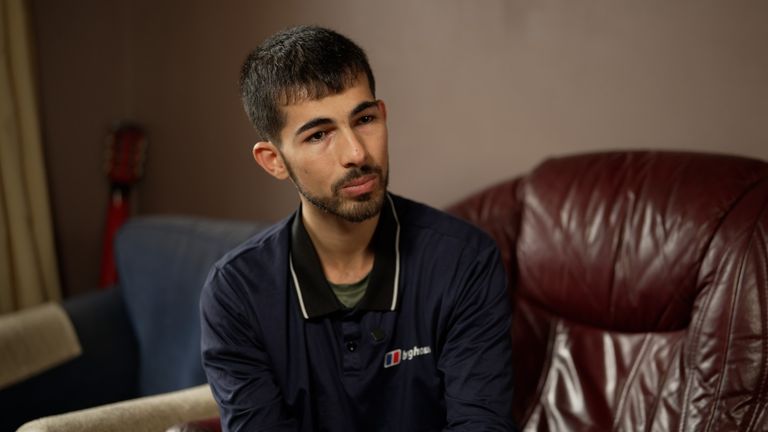
The man we’re talking to lives in the community and helps with events here. He doesn’t want to be identified but raises serious questions about visa abuse.
“Since the last five years, a huge amount of people have come in this country on this visiting visa, and they come with one thing in mind – to overstay and work in cash,” he says.
“This area is easy to live in because they know they can survive. It looks like as if you are walking through mini-Mumbai.”
‘The system is more than broken’
‘It’s taxpayers who are paying’
And he claims economic migrants are regularly arriving – who’ve paid strangers to pretend they’re a friend or relative in order to obtain a visitor visa to get to Britain.
He says: “I’ve come across so many people who have come this way into this country. It’s widespread. When I talk to these people, they literally tell me, ‘Oh, someone is coming tomorrow, day after tomorrow, someone is coming’.
“Because they’re hidden they may not be claiming benefits, but they can access emergency healthcare and their children can go to school.
“And who is paying for it? It’s the taxpayers who are paying for all this,” says the man we’ve met in north London.
Read more from Sky News:
Net migration figures hit four-year low
How Denmark may inspire UK asylum reforms
A Home Office spokesperson said: “We will not tolerate any abuse of our immigration system and anyone found to be breaking the rules will be liable to have enforcement action taken against them.
“In the first year of this government, we have returned 35,000 people with no right to be here – a 13% rise compared to the previous year.
“Arrests and raids for illegal working have soared to their highest levels since records began, up 63% and 51%.”
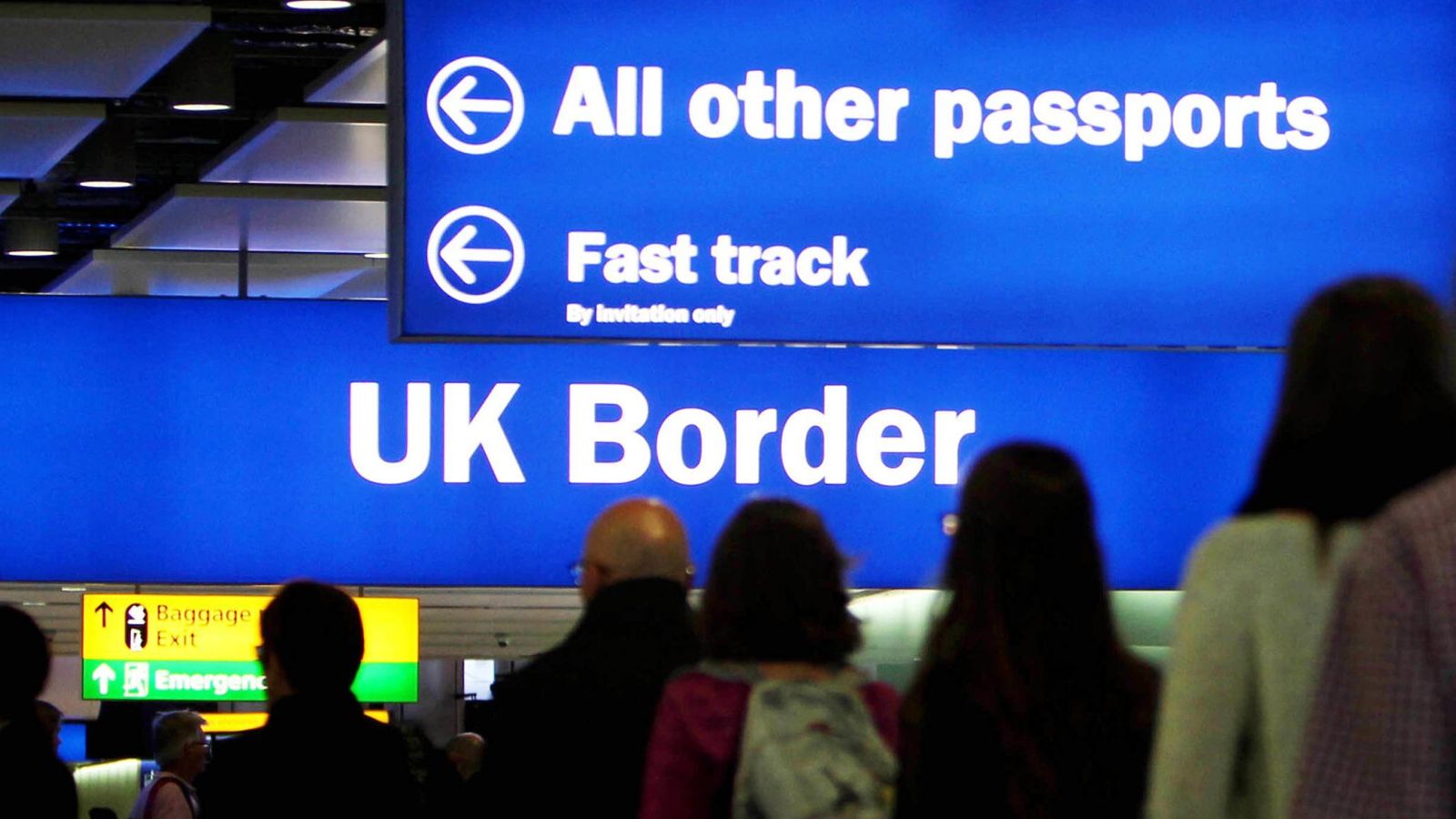
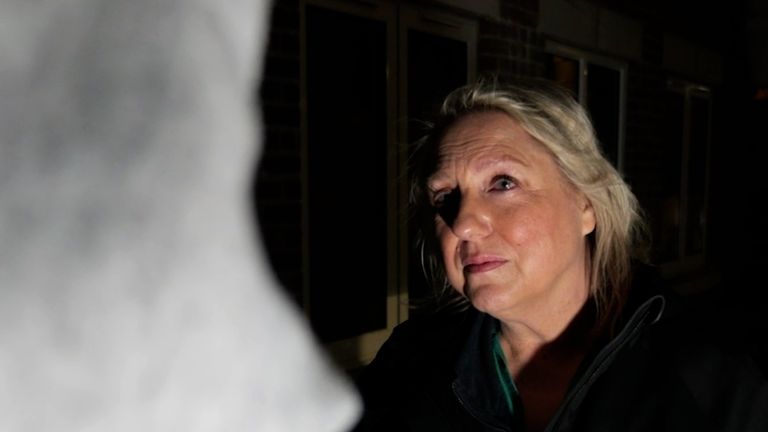
The government can’t say with accuracy how many visa overstayers there are in Britain – no data has been collated for five-and-a-half years.
Sky News has spoken to immigration lawyers about the numbers, and one believes there could be as many as 400,000 living across the country.
Harjap Singh Bhangal described the situation as a “shambles”.
“The Home Office doesn’t have any accurate data because we don’t have exit controls. It’s a shambles. It’s an institution where every wall in the building is cracked,” he told Sky’s Lisa Holland.
The visa overstayers in ‘soft’ Britain
Why doesn’t the government know?
The Home Office used to gather data on visa overstayers by effectively checking a list of passport numbers associated with visas against a list of passport numbers of people leaving the UK, taken from airlines and other international travel providers.
If there was a passport number match in the arrivals and departures part of their database, that person was recorded to have left when they should have. If there wasn’t, they were a potential overstayer.
They stopped producing the figures because a combination of Brexit and COVID added complications that made the Home Office conclude they wouldn’t be able to get to a reliable number using the same method.
It’s now four and a half years since EU citizens had freedom of movement to the UK revoked, and more than three and a half years since pandemic-era travel restrictions ended.
And yet we are still waiting to see what a new method might look like.
Read more from Sky News:
Is this what the beginning of a war looks like?
There’s one big problem with Australia’s social media ban
The old method wasn’t perfect. If someone changed their passport while in the UK, for example, or if the airline or individual entered the number wrong when they were leaving, there wouldn’t be a match.
The Home Office regarded the statistics as likely overestimating the true number of overstayers, and the Office for National Statistics designated the figures as “experimental” rather than “official” statistics, meaning the conclusions should be treated with caution. But they were a reasonable best guess.
With all that in mind, between April 2016 and March 2020 upwards of 250,000 people were flagged as potential overstayers, equivalent to 63,000 per year.
That’s more than the 190,000 people who are recorded to have arrived in the UK on small boats since 2018.
It represents 3.5% of the seven million visas that expired over that period, so at least 96.5% of people left when they should.
Other Home Office data reveals that more than 13 million visas were issued between 2020 and the end of June 2025, including a record 3.4 million in 2023.
But what we don’t know is how many have expired, which means it’s difficult for us to even guess how many people might have overstayed.
-
 Sports2 years ago
Story injured on diving stop, exits Red Sox game
-
 Sports3 years ago
‘Storybook stuff’: Inside the night Bryce Harper sent the Phillies to the World Series
-
 Sports2 years ago
Game 1 of WS least-watched in recorded history
-
 Sports3 years ago
Button battles heat exhaustion in NASCAR debut
-
 Sports3 years ago
MLB Rank 2023: Ranking baseball’s top 100 players
-
Sports4 years ago
Team Europe easily wins 4th straight Laver Cup
-
 Environment3 years ago
Japan and South Korea have a lot at stake in a free and open South China Sea
-
 Environment1 year ago
Here are the best electric bikes you can buy at every price level in October 2024