
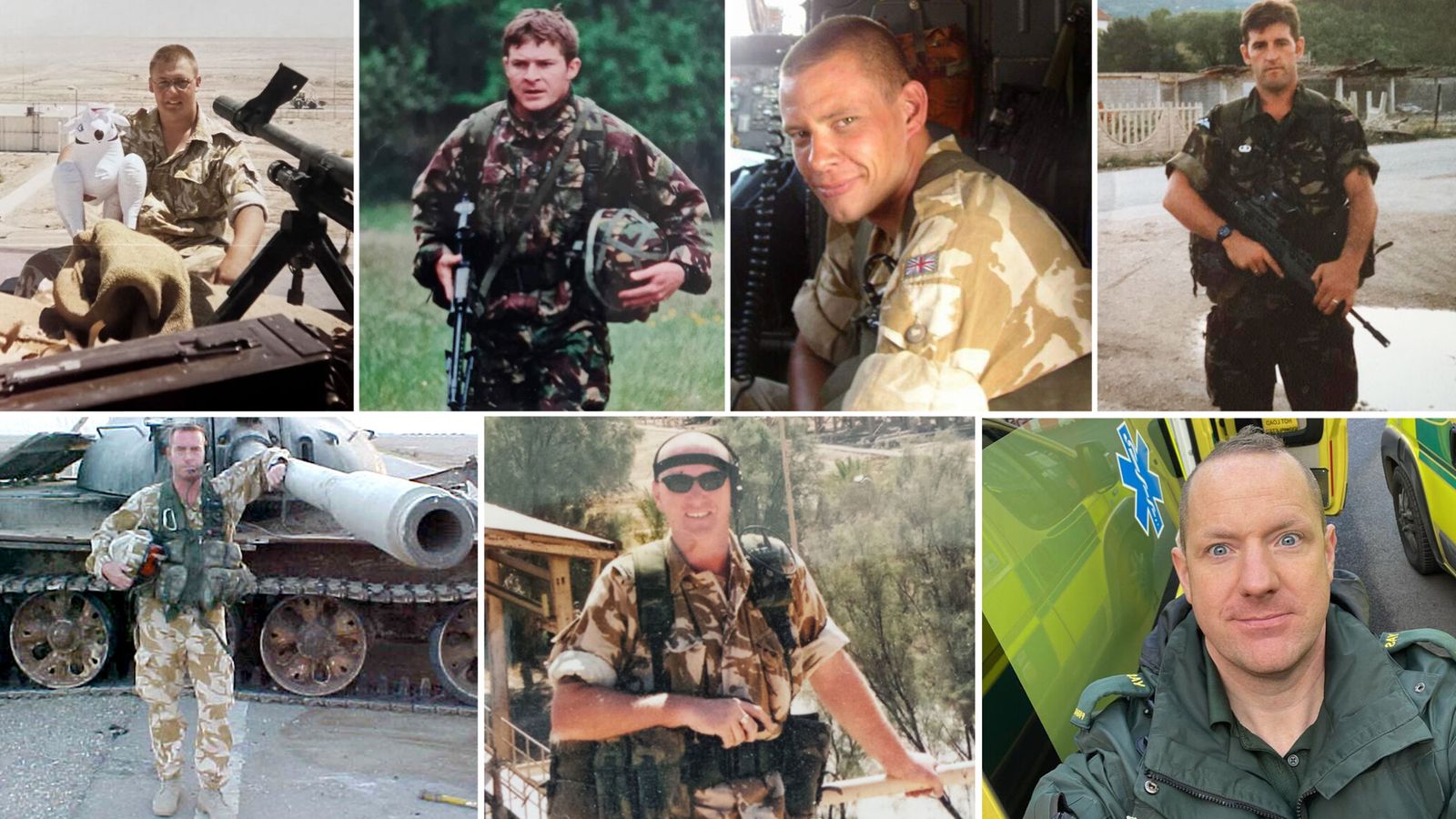
British troops ‘knowingly exposed’ to toxic chemical during Iraq war tell of cancer battles and daily nosebleeds

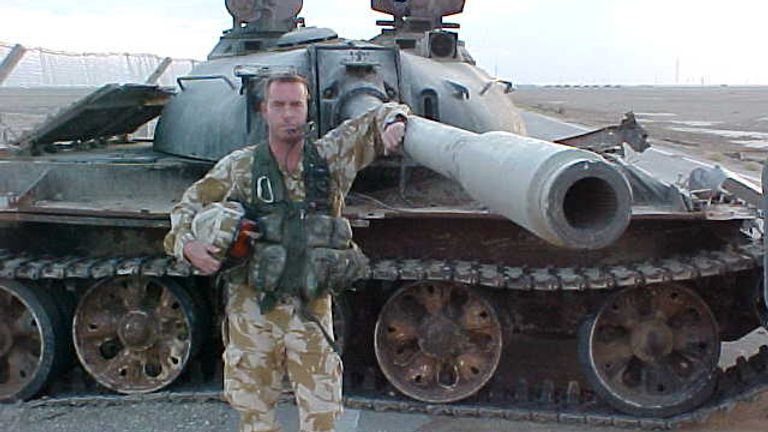
Iraq war veteran Andy Tosh points to his nose where he was treated for skin cancer and shows the red marks on his hand.
His health has been permanently damaged – not by the baking heat of the Iraqi desert, he says, but by a toxic chemical at the industrial site he was ordered to guard.
“It’s clear British troops were knowingly exposed,” the 58-year-old former RAF sergeant says.
Sky News can reveal that nearly 100 British troops may have been exposed to sodium dichromate while guarding the Qarmat Ali water treatment plant in 2003.
Ten British veterans who guarded the plant have now spoken publicly about their ordeal – and say they feel “betrayed” by the UK government after struggling with a range of health problems, including daily nosebleeds, a brain tumour and three who have been diagnosed with cancer.
Sergeant Andy Tosh in Iraq. Pic: Andy Tosh
Described as a “deadly poison”, sodium dichromate is a known carcinogen. The ground at Qarmat Ali was covered in it, according to the former servicemen.
The Ministry of Defence says it is willing to meet the veterans to work with them going forward – but the former troops say they want answers and accountability.
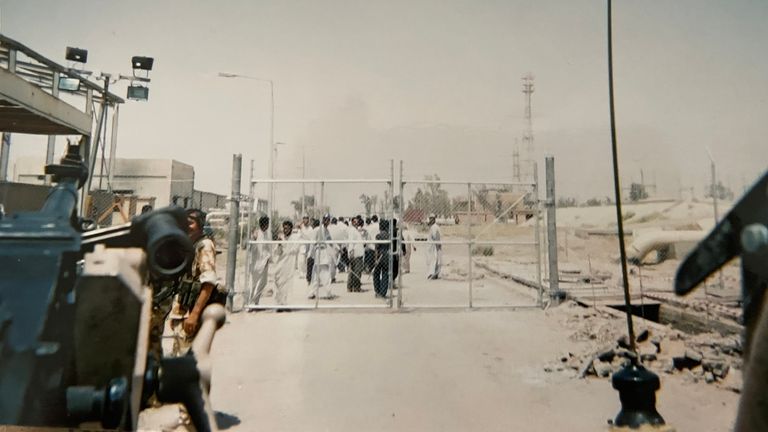
The gates of Qarmat Ali. Pic: Roger Pursall
‘It was like a scrapyard’
In the opening months of the Iraq war, around 88 British troops were deployed to Qarmat Ali, providing an armed guard detail round the clock.
Located near Basra, Qarmat Ali was built in the 1970s to pump water through a network of pipes in order to flush out oil nearby.
Wearing heavy combat gear, British soldiers endured baking 50C heat in the day and listened to rocket fire from insurgents at night as they patrolled the industrial facility.
What they didn’t know was that the place was contaminated with sodium dichromate, a chemical used to prevent corrosion.
Before the US took over the site, the water was filtered and treated with sodium dichromate to increase the life of pipelines, pumps, and other equipment.
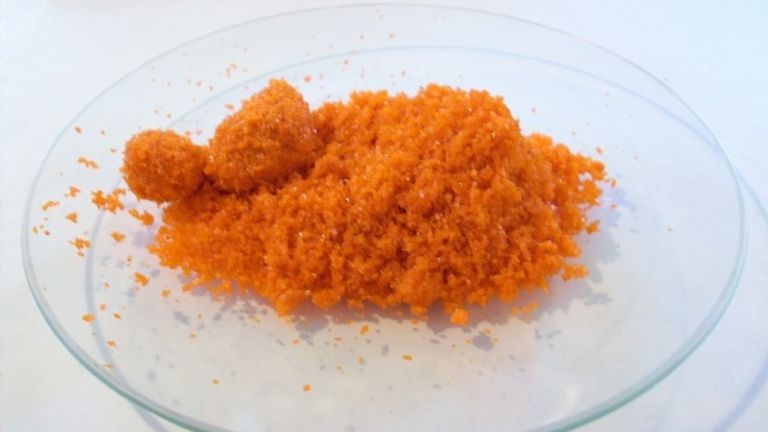
Sodium Dichromate is highly carcinogenic. Pic: Ondrej Mangl
It’s a type of hexavalent chromium, a group of compounds made famous by the 2000 film Erin Brockovich, which dramatised the contamination of water around a California town.
Members of the military described how thousands of bags of the orange powder were kept in a building with no roof, some of them ripped open, exposing their contents to the wind. Others were spread throughout the facility.
So why were British soldiers there at all?
Qarmat Ali was considered critical to getting Iraq’s oil production up and running after Saddam Hussein was defeated, and the US government appointed contractors KBR to run the site.
US soldiers would escort a convoy of KBR workers to Qarmat Ali on day trips, where they worked under the protection of British RAF troops.
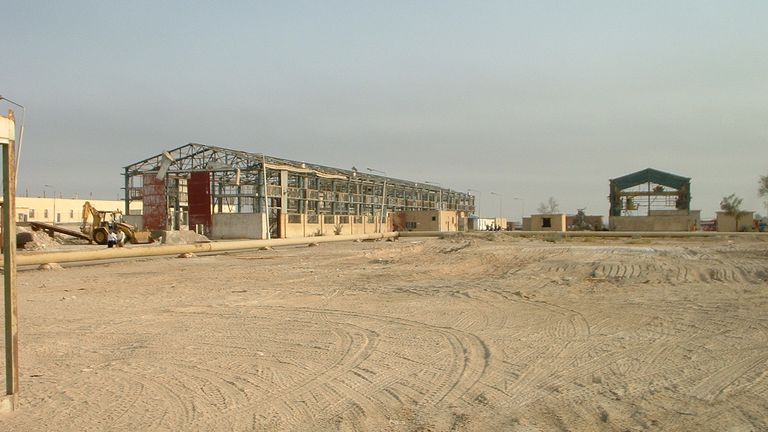
The site was in disrepair when they arrived. Pic: Andy Tosh
“It was like a scrapyard,” says Jim Garth, a former corporal who was deployed to Iraq after serving in Northern Ireland.
Amid the chaos of the invasion, much of the site had been looted for metal. Leaking chlorine gas canisters lay on the ground.
But what could not be explained were the nosebleeds, rashes and lesions suffered by UK troops stationed there, say the former servicemen, and among the US soldiers who visited the site.
“I noticed a rash on my forearms,” Mr Tosh said. “I’d operated in other hot tropical countries, I’ve never had a rash like I had on my forearms.
“Other members of our teams had different symptoms but at the time we had no idea why.”
It was a mystery.
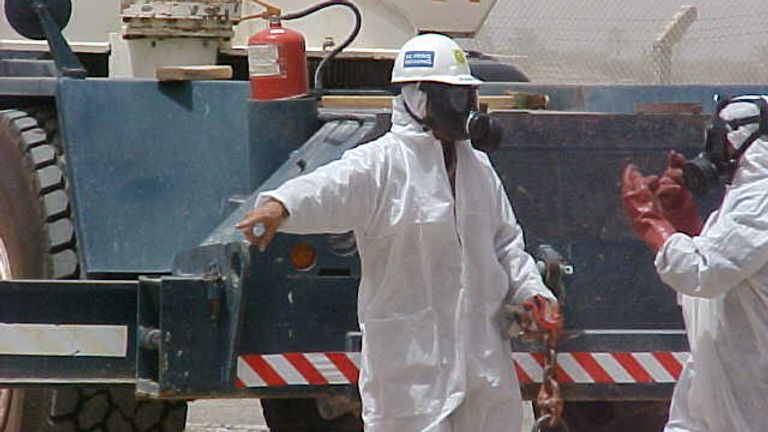
Workers appeared wearing hazmat suits and respirators and put up the warning sign. Pic: Andy Tosh
That is, until two workers in hazmat suits and respirator masks turned up in August 2003 and put up a sign with a skull and crossbones on it.
“Warning. Chemical hazard. Full protective equipment and chemical respirator required. Sodium dichromate exposure” the sign read.
“We were shocked,” Mr Tosh added. “We’d already been on that site for months, being exposed.
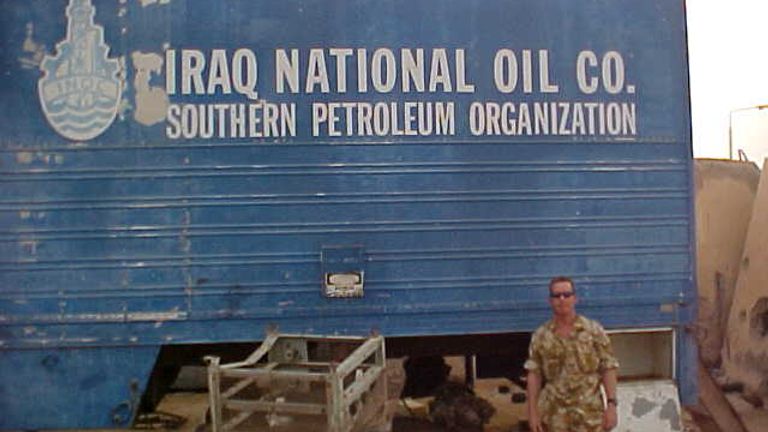
Andy Tosh in Iraq. Pic: Andy Tosh
“It was a different type of threat that none of us could really understand.”
And the yellowy orange powder wasn’t just on the ground, it was blown around in the wind, Mr Garth says.
“So unbeknownst to us it was all around us all the time,” he added.
An investigation by the US defence department found service members and civilians were “unintentionally exposed” to toxic chemicals.
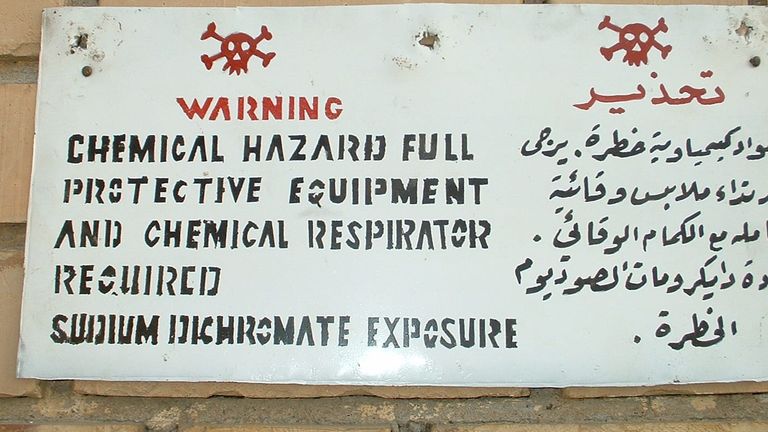
The warning sign went up months after UK troops arrived at the site. Pic: Eric Page
The report also pointed blame at KBR for a delay in recognising and responding to the hazard posed by sodium dichromate.
It said KBR became aware of the use of sodium dichromate at Qarmat Ali as early as 31 May 2003, when the company reviewed an Iraqi operating manual describing the use of the chemical at the facility.
According to the report, both KBR and Task Force Restore Iraqi Oil, the military group responsible for restoring Iraqi oil production, reported in June 2003 that the site was potentially contaminated with sodium dichromate, which they recognised as a carcinogen.
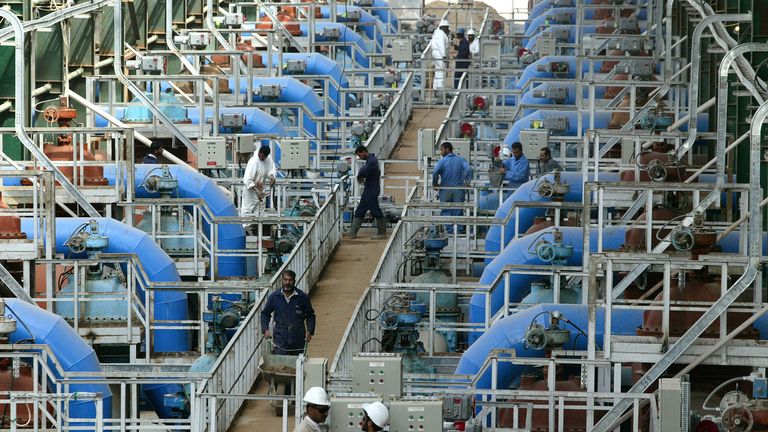
The Qarmat Ali water treatment facility in 2004. Pic: Getty
US commander’s death linked to sodium dichromate
The plight of US troops who were exposed to sodium dichromate at Qarmat Ali is far better documented than their UK counterparts.
National guardsmen who visited the site have become ill, leading to a formal inquiry and government support for veterans across the pond.
“While I was at Qarmat Ali, I began suffering from severe nosebleeds,” Russell Powell, an American former medic, told a Senate inquiry.
Within three days of arriving at the plant in April 2003 he developed rashes on his knuckles, hands and forearms, he said.
Others in his platoon suffered similar ailments, he added.
Mr Powell said he had questioned a KBR worker about the powder, who said his supervisors had told him not to worry about it.
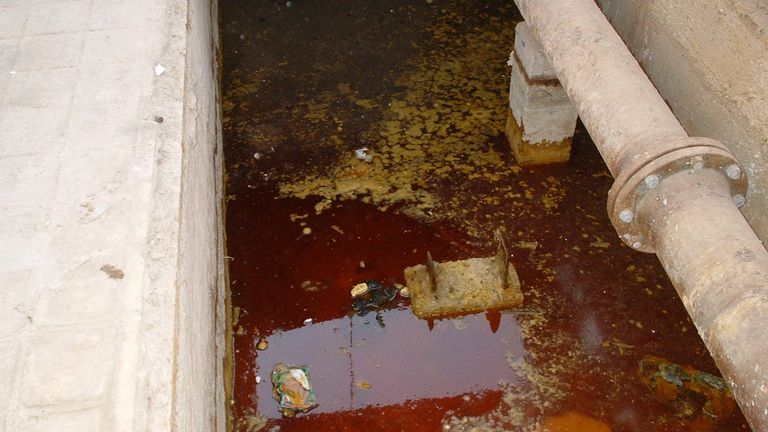
Evidence of the contamination was seen in various places. Pic: Eric Page
Speaking at a hearing in 2009 held as part of the inquiry, Mr Powell added: “My symptoms have not changed since my service in Iraq… I cannot take a full breath.”
Lieutenant-Colonel James Gentry, of the Indiana National Guard, was stationed at Qarmat Ali in 2003.
“They had this information and didn’t share it,” he said in a deposition video, his face pale as he struggled to breathe. He was referring to contractors KBR.
“I’m dying now because of it.”
Lt Col Gentry died from cancer in 2009. The US Army deemed that his death was “in line of duty for exposure to sodium dichromate”, according to court documents.
Read more:
UK ‘must’ increase defence spending ‘now’, minister warns
Iraqi president issues rebuke to the UK
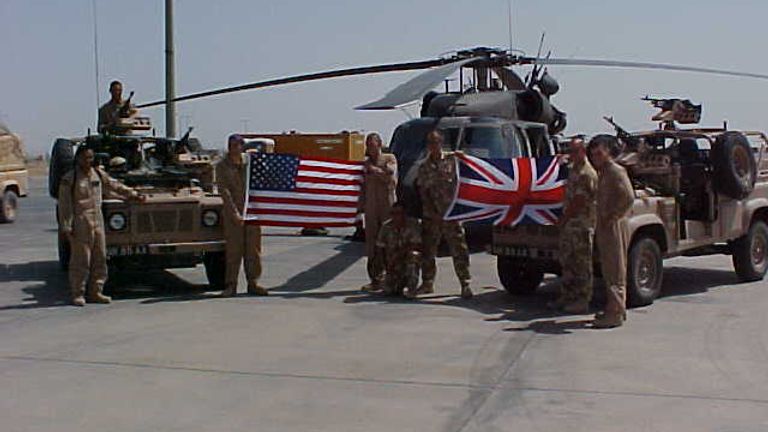
Both US and UK troops were exposed to sodium dichromate. Pic: Andy Tosh
Court case against KBR overturned
In a high profile court case, 12 US servicemen were awarded $85m (£66.4m) after a jury found KBR failed to protect them from exposure to cancer-causing chemicals.
Each soldier was awarded $7.1m for “reckless and outrageous indifference” to their health in the trial in Oregon.
However, the case was overturned after KBR argued the Oregon court did not have jurisdiction and it should be transferred to Texas.
Ultimately, an appeals court decided in favour of KBR, affirming a previous ruling that the Qarmat Ali veterans had not provided sufficient evidence that any health issues were caused by sodium dichromate.
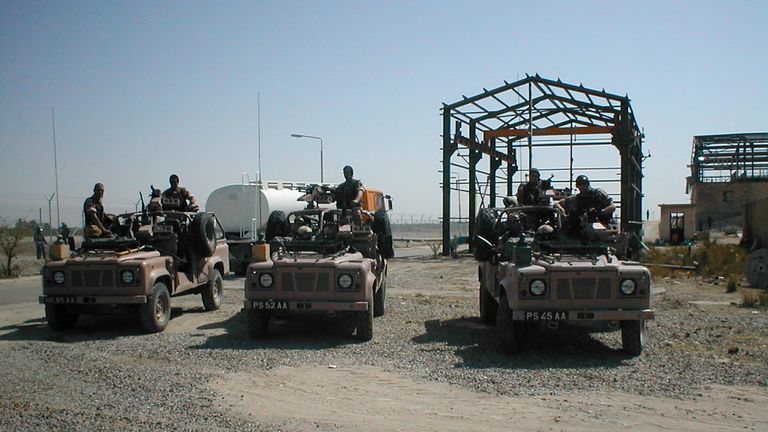
British troops at Qarmat Ali. Pic: Andy Tosh
‘My nose just started gushing with blood’
In the UK, there has been no dedicated ongoing support for Qarmat Ali veterans, and silence from the government, the former British servicemen say.
They say they feel let down and worry they could develop cancer at any time as a result of their exposure two decades ago.
Mr Tosh, who left the RAF in 2006 after nearly 24 years’ service, says he’s had skin cancer on his nose and marks on his right hand.
“That’s the hand for holding my weapon which would have had more dust or toxic chemical potentially on it,” he told Sky News from his home in Lincoln, where he lives with his wife.
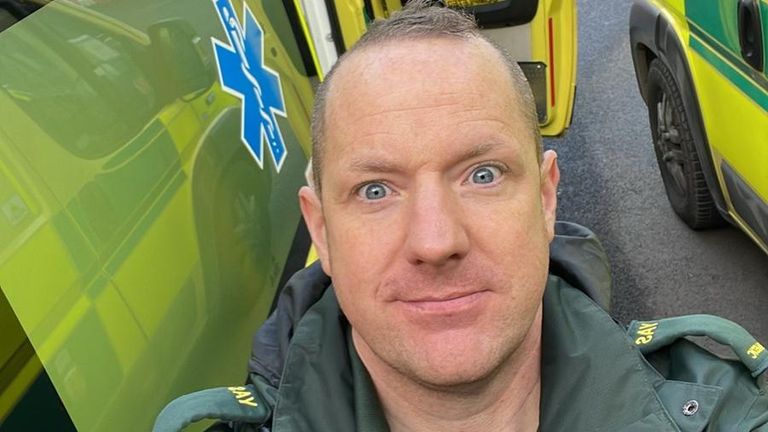
Tim Harrison is now a paramedic living in Doncaster. Pic: Tim Harrison
Fellow veteran Tim Harrison says he has experienced worsening nose bleeds in recent years years, which he believes are the result of his exposure to sodium dichromate.
Now working as a paramedic and living in Doncaster, he told Sky News: “Last year, I was at work and all of a sudden my nose just started gushing with blood.
“[I] couldn’t stop it for two to three hours and I had to get admitted to A&E and stay overnight.”
Since then, Mr Harrison says he has daily nosebleeds as well as skin lesions on his legs.
“What’s going to happen in 10 years’ time? What else is going on?” he asks.
Mr Garth has had skin cancer, including a lesion on his neck and spots on his head – both areas less likely to have been covered by his combat gear in the heat.
Another Qarmat Ali veteran, Craig Warner, was medically discharged from the RAF after he was found to have a brain tumour, a condition his surgeon attributed to chemical exposure.
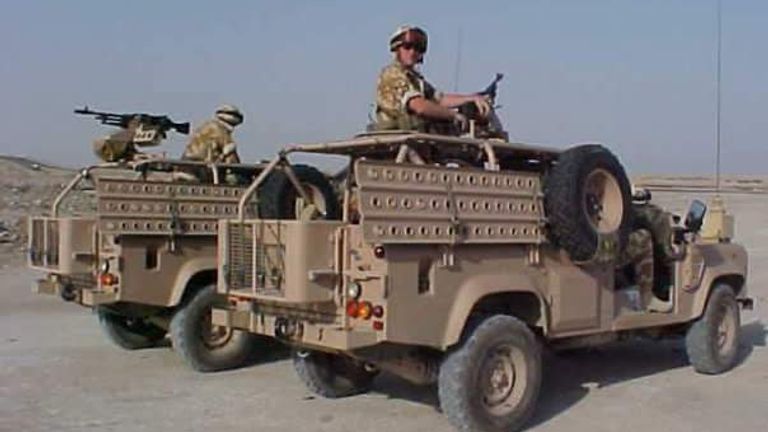
A group of 88 RAF personnel were assigned to guard the site. Pic: Tony Watters
Other veterans who say they have long-term health problems after being exposed at Qarmat Ali include Eric Page, who has been treated for testicular cancer that had spread to his stomach lymph nodes and severe headaches, Ben Evans, whose nose had to be cauterised to stop nosebleeds, Tony Watters, whose arms itch until they bleed, Andrew Day, who has regular nosebleeds and lesions on his arms, and Darren Waters, who has a rash on his shin.
And they’re not the only ones from their squadron who have become unwell, they say. Two others are reported to have died – although it’s not been confirmed if their deaths are related to health problems linked to Qarmat Ali.
Just one of the Qarmat Ali veterans to have spoken to Sky News is without ongoing symptoms, but he said he worries about what could happen in the future.
Some who served there may still be unaware of the exposure at all, the veterans say.
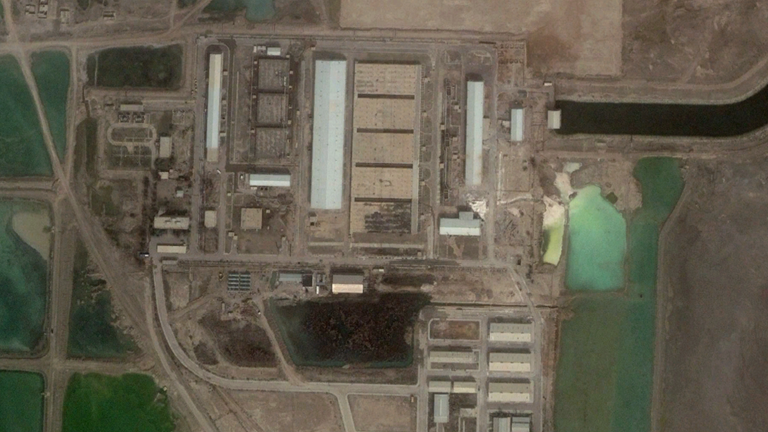
Qarmat Ali seen from satellite in February 2002. Pic: Google Maps
What does the science say about sodium dichromate?
A 2019 analysis of existing studies found that hexavalent chromium (of which sodium dichromate is a type) may cause cancers of the respiratory system, buccal cavity and pharynx, prostate, and stomach in humans, and it is related to increased risk of overall mortality owing to lung, larynx, bladder, kidney, testicular, bone, and thyroid cancer.
During the Senate inquiry, epidemiologist Herman Gibb said symptoms reported by soldiers during their time at the site were consistent with significant exposure to sodium dichromate.
He said it was “possible” that chromium could cause continuing symptoms after leaving the body given its “highly irritative nature”.
Asked by Sky News whether skin cancers developed by veterans years later could be linked to Qarmat Ali, he said it was “more likely than not” caused by sun exposure rather than the chemical.
But he added that it was possible that damage to the skin caused by chromium could have been exacerbated by sunlight to the point of developing a skin tumour. This was difficult to know without further research, he said.
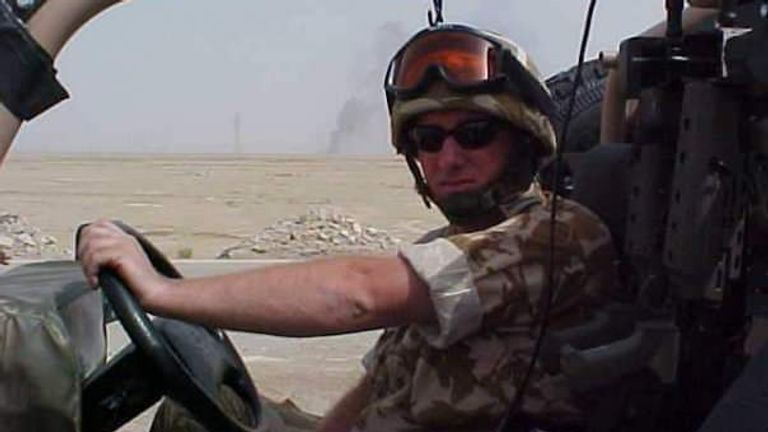
Tony Watters on patrol. Pic: Tony Watters
UK veterans want answers – and an apology
Now discharged from the military, and two decades after they were posted to Qarmat Ali, the British veterans say they want the Ministry of Defence to take responsibility.
“Is it a cover up? I don’t want to believe it, but it’s true,” Mr Garth says.
Mr Tosh adds: “I’d hate to think, nowadays, out of the number of people who went there, how many people are ill or maybe have passed away.”
They want a public inquiry into what happened and for the Ministry of Defence to ensure that everyone who served at Qarmat Ali has been contacted and offered ongoing medical support.
“We shouldn’t have been there in the first place. But even when the warning signs went up, why did they make us stay?” asks Mr Tosh.
“Because we’re expendable. Because it was pumping oil, that site was much more important than any of our lives.”
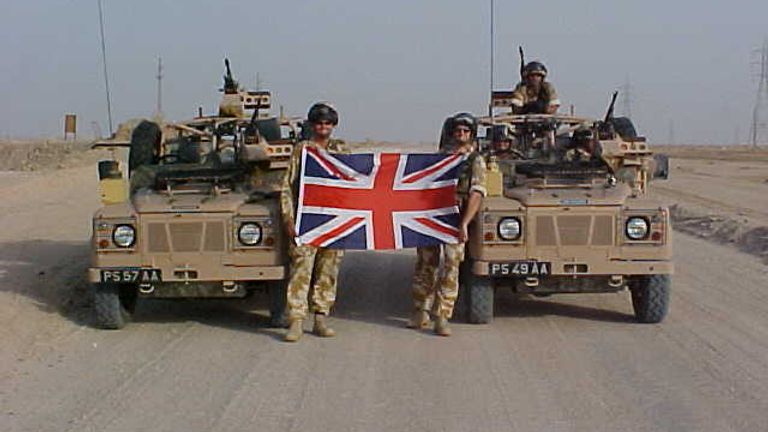
British soldiers guarded the water treatment plant for 24 hours at a time. Pic: Andy Tosh
In a statement to Sky News, the Ministry of Defence said: “We value the service of our personnel and all operations have health and safety policies in place to mitigate against risk.
“As soon as we were alerted to the possible exposure of sodium dichromate, an environmental survey was conducted to evaluate typical exposure at Qarmat Ali. Results showed that the levels at the time were significantly below UK government guidance levels.
“Anyone who requires medical treatment can receive it through the Defence Medical Services and other appropriate services.
“Veterans who believe they have suffered ill health due to service can apply for no-fault compensation under the War Pensions Scheme.”
In a statement to Sky News, KBR said: “The company was performing work at the direction of the US Army under the extreme and continually-evolving conditions of wartime Iraq.
“KBR abided by the war zone chain of command. KBR reasonably, timely, and repeatedly notified the US Army of sodium dichromate at the facility upon discovering it, and acted promptly to address it. All of the claims made against KBR were dismissed by US courts.
“KBR is a proud supporter of US and Allied forces and serve these nations with integrity and honour.”
World
Is this what the beginning of a war looks like? How the US threat around Venezuela is shaping up
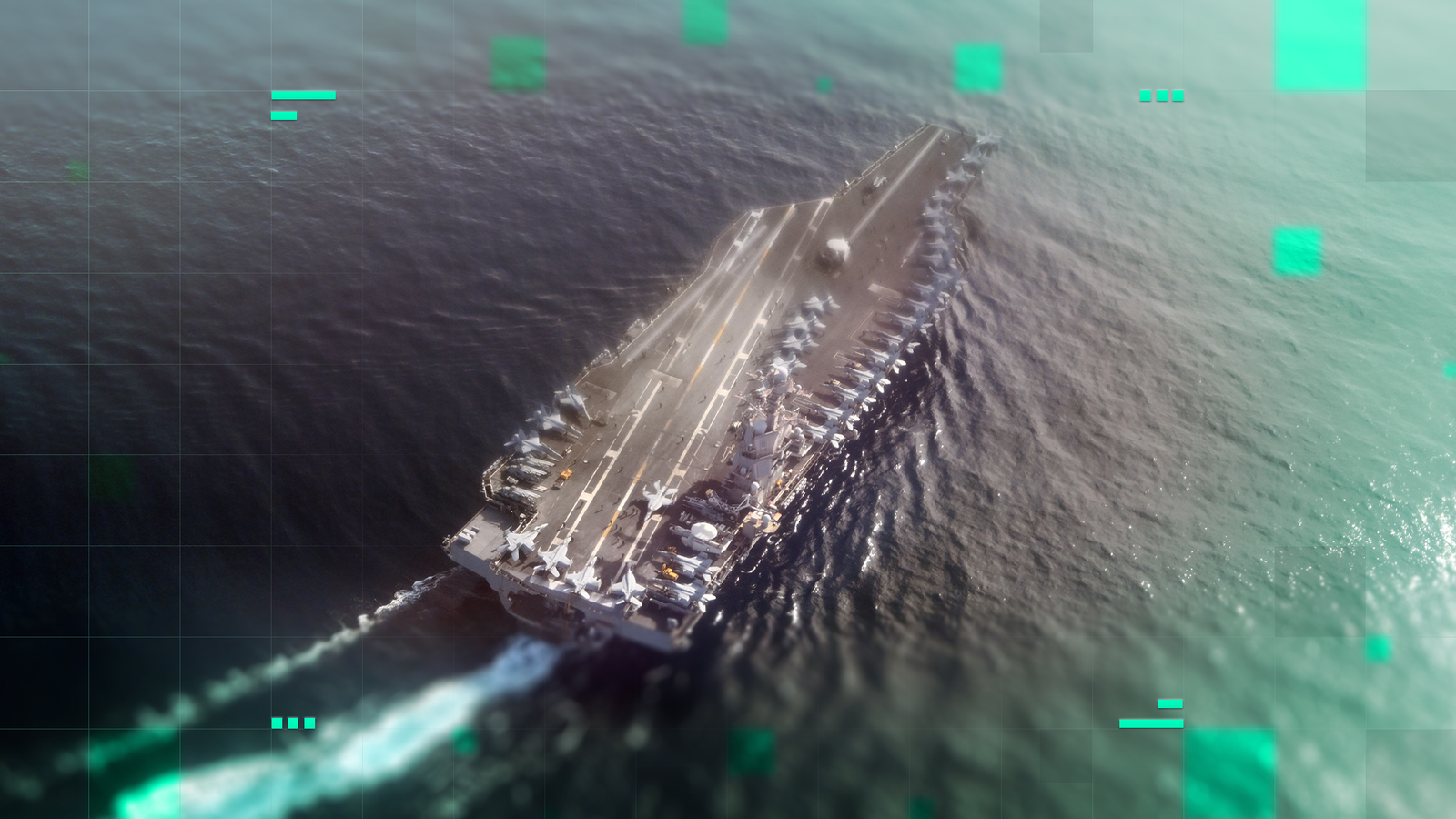
Is this what the beginning of a war looks like?
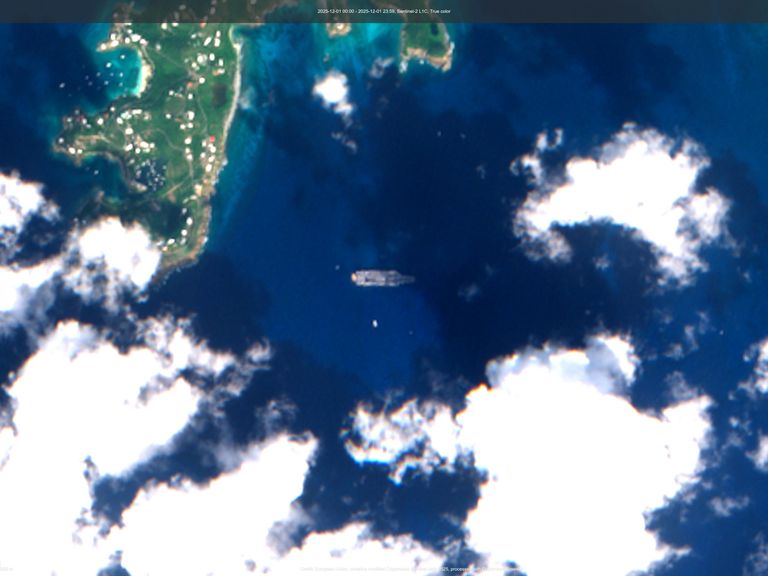
In the deep blue waters of the Caribbean, visible from space, an unremarkable grey smudge.
The USS Gerald R Ford seen off the US Virgin Islands on 1 December. Credit: Copernicus
But this is the USS Gerald R Ford: the largest, most deadly aircraft carrier in the world. And it is only part of an armada, apparently set on Venezuela.
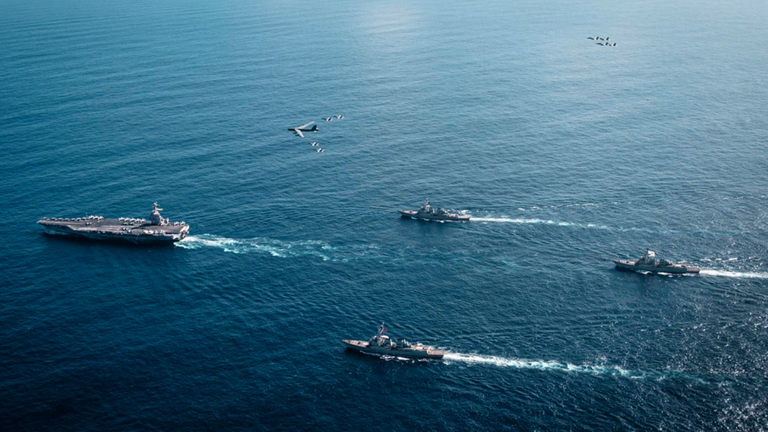
The Gerald R Ford, USS Winston S Churchill, USS Mahan and USS Bainbridge in the Atlantic on 13 November. Source: US Department of Defense
From being able to count on one hand the number of warships and boats in the Caribbean, since August we can see the build-up of the number, and variety of ships under US command.
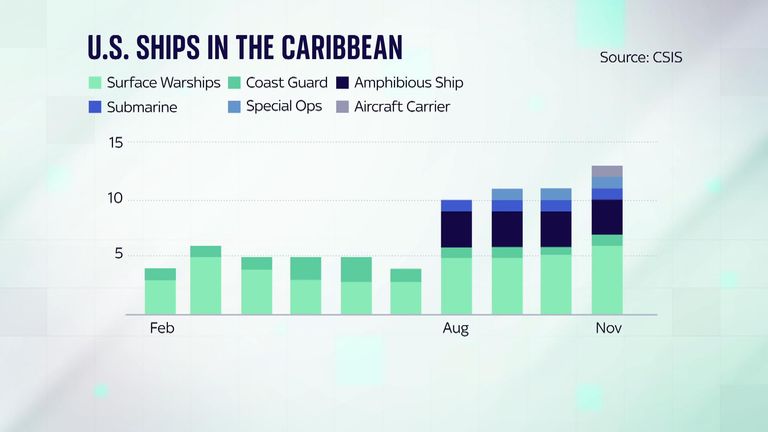
And that’s only at sea – air power has also been deployed, with bombers flying over the Caribbean, and even along the Venezuelan coast, as recently as this week.
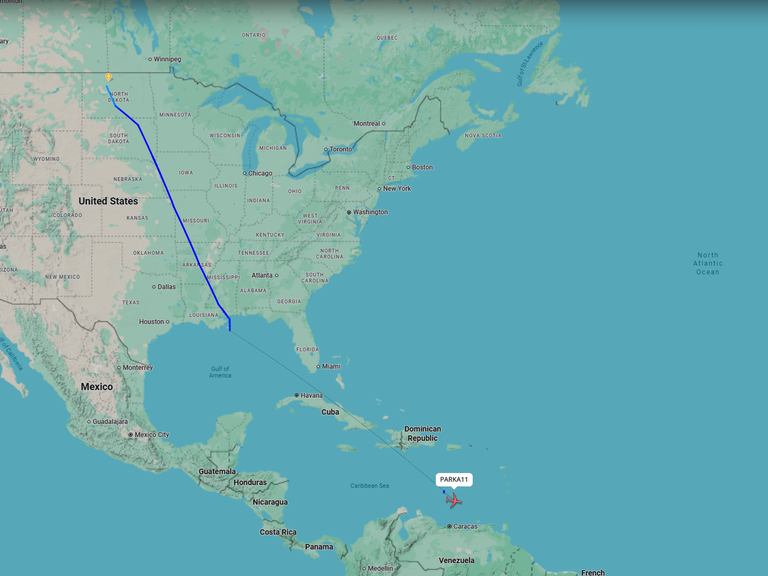
A Boeing B-52H Stratofortress near Venezuelan coast from Minot Air Force Base, North Dakota, on 3 December. Credit: FlightRadar24
Venezuela’s President Nicolas Maduro told crowds his country has endured 22 weeks of aggression from the US and Donald Trump.
Things could be about to get worse.
So let’s rewind those 22 weeks to understand how we got here…
‘Drug boat’ strike
On 2 September, the White House posted on X that it had conducted a strike against so-called “narcoterrorists” shipping fentanyl to the US, without providing direct evidence of the alleged crime.
Sky’s Data & Forensics unit has verified that in the past four months since strikes began, 23 boats have been targeted in 22 strikes, killing 87 people.
Read more: The US-Venezuela crisis explained
The latest was on 4 December, after which US Southern Command announced it had conducted another strike on an alleged drug smuggling boat in the eastern Pacific.
It was the first such strike since 15 November and since the defence secretary, sometimes referred to as secretary of war, Pete Hegseth, came under scrutiny for an alleged “second strike” in an earlier attack.
The US says it carried out the action because of drugs – and there has been some evidence to support its assertion.
The Dominican Republic said it had recovered the contents of one boat hit by a strike – a huge haul of cocaine.
Legal issues
Whatever the cargo, though, there are serious, disputed legal issues.
Firstly, it is contested whether by designating the people on the boats as narcoterrorists, it makes them lawful military targets – or whether the strikes are in fact extra judicial murders of civilians at sea.
And more specifically… well, let’s go back to that very first video, of the very first strike.
What this footage doesn’t show is what came afterwards – an alleged “second strike” that targeted people in the water posing no apparent threat.
That has created a crisis for Hegseth.
Speaking at a cabinet meeting last week, the defence secretary said he did not see that there were survivors in the water when the second strike was ordered and launched in early September, saying that “the thing was on fire”.
And the 4 December strike shows this strategy isn’t over.
The strikes are just part of the story, as warships and planes have headed toward the region in huge numbers.
Drugs or oil?
Some have said this isn’t about drugs at all, but oil.
Venezuela has lots – the world’s largest proven reserves.
Speaking to the faithful on Fox News, Republican congresswoman – and Trump supporter – Maria Salazar said access to Venezuela would be a “field day” for American oil companies.
And Maduro himself has taken up that theme. A few days later, he wrote this letter to OPEC – which represents major oil producing nations – to “address the growing and illegal threats made by the government of the United States against Venezuela”.
That’s how Maduro has framed this – a plan by the US “to seize Venezuela’s vast oil reserves… through lethal military force”.
Lethal military force – an understatement when you think of the armada lying in wait.
And it may be called upon soon. Trump on Tuesday said he’s preparing to take these strikes from international waters on to Venezuelan territory.
Maduro has complained of 22 weeks of “aggression”. There may be many more to come.
Additional reporting by Sophia Massam, junior digital investigations journalist.
The Data X Forensics team is a multi-skilled unit dedicated to providing transparent journalism from Sky News. We gather, analyse and visualise data to tell data-driven stories. We combine traditional reporting skills with advanced analysis of satellite images, social media and other open source information. Through multimedia storytelling we aim to better explain the world while also showing how our journalism is done.
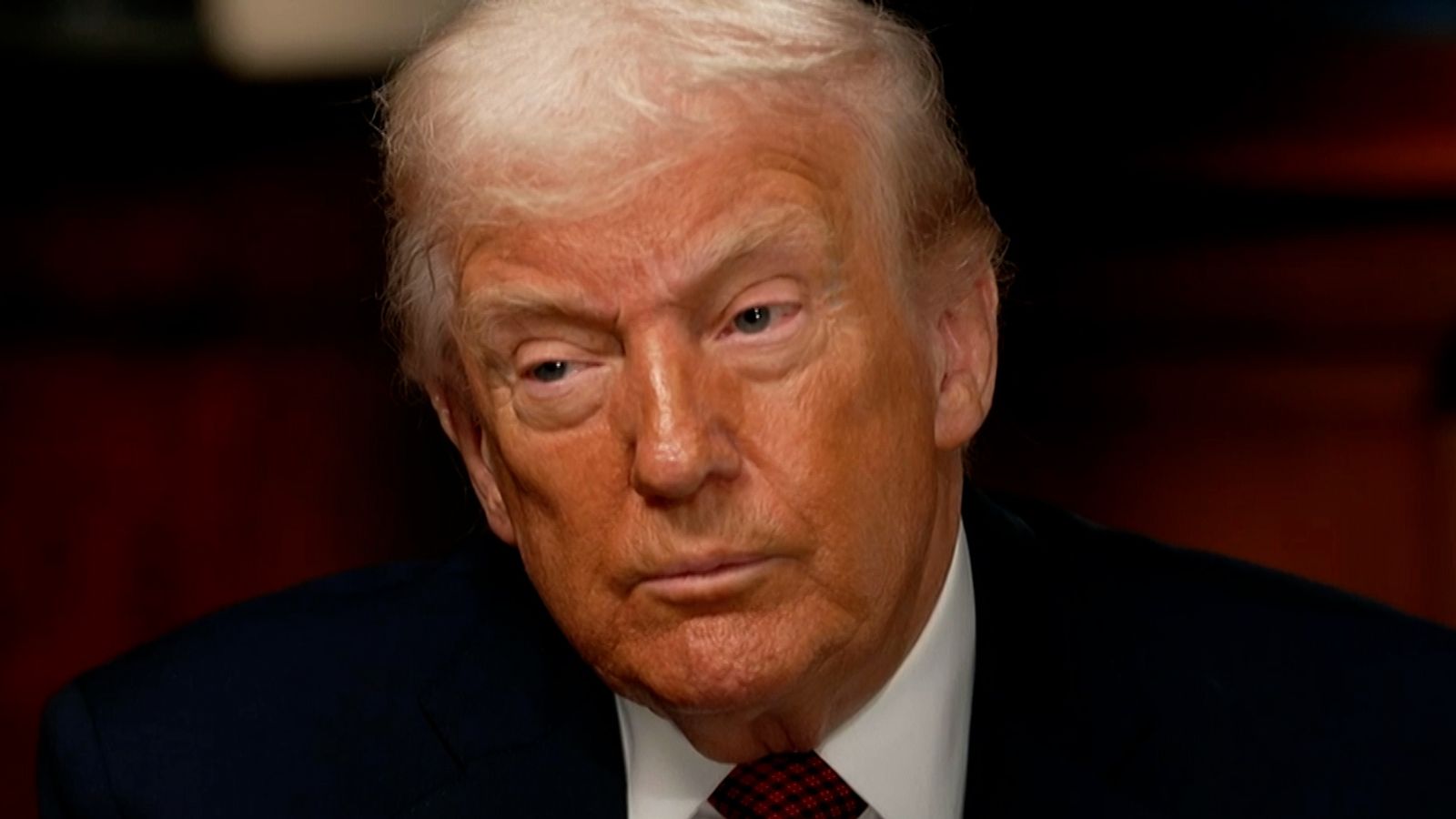
Donald Trump’s bruising assessment of Europe as “weak” and “decaying” is a bitter blow to nations already reeling from the release of his national security strategy.
At the end of the 45-minute interview with Politico, EU leaders might be forgiven for thinking, with friends like these, who needs enemies?
“Europe doesn’t know what to do,” Trump said, “They want to be politically correct, and it makes them weak.”
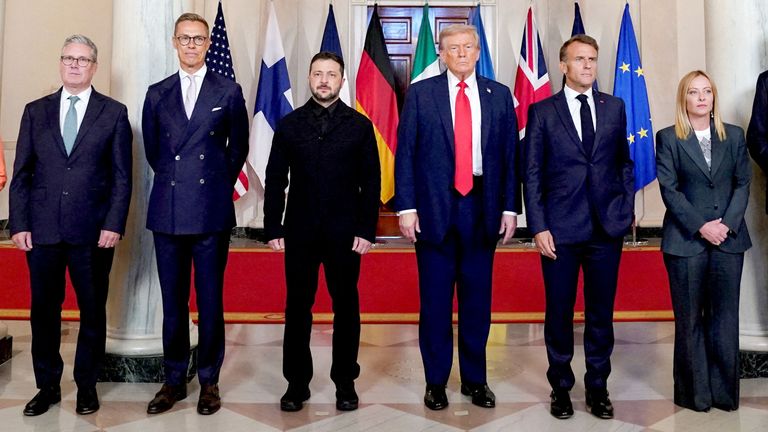
Trump meets leaders from Ukraine, Germany, France, the UK, Italy, and Finland, as well as the EU and NATO, in August Pic: Reuters
On the contrary, I would imagine some choice words were being uttered in European capitals as they waded through the string of insults.
What has Trump said?
First up, the US president criticised European leaders for failing to end the war between Russia and Ukraine.
“They talk but they don’t produce. And the war just keeps going on and on,” he said.
The fact that the Russians have shown no real commitment to stopping the invasion they started is not mentioned.
Instead, the blame is laid squarely at the feet of Ukraine and its allies in Europe.
“I think if I weren’t president, we would have had World War III,” Trump suggested, while concluding that Moscow is in the stronger position.
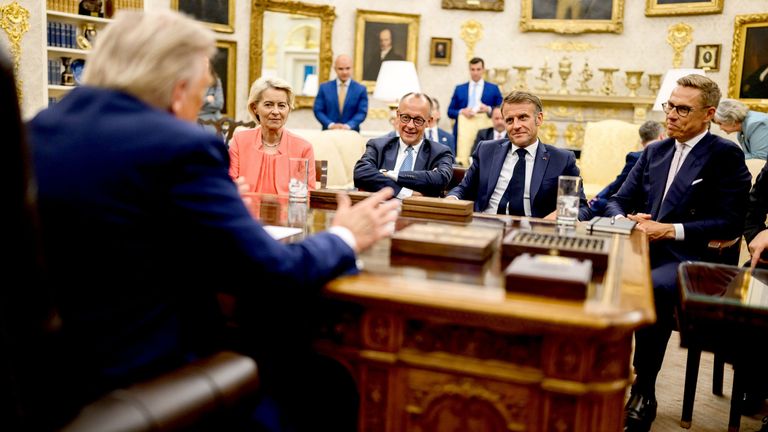
Trump meeting European leaders in the Oval Office in August. Pic: @RapidResponse47
Does he have a point?
Critics claim that the White House has emboldened the Kremlin and brought Putin in from the cold with a summit and photo opportunities.
Trump highlights the fact that his return to office forced many European NATO members to increase defence spending drastically.
On this, he is correct – the growing insecurity around how long America can be relied on has brought security into sharp focus.
But the release of the new US national security strategy has only added to the feelings of unease.
German Chancellor Friedrich Merz on Tuesday claimed some of its contents were unacceptable from a European point of view.
“I see no need for America to want to save democracy in Europe. If it was necessary to save it, we would manage it on our own,” he told a news conference in Rhineland-Palatinate, the German state where Trump’s paternal grandfather was born.
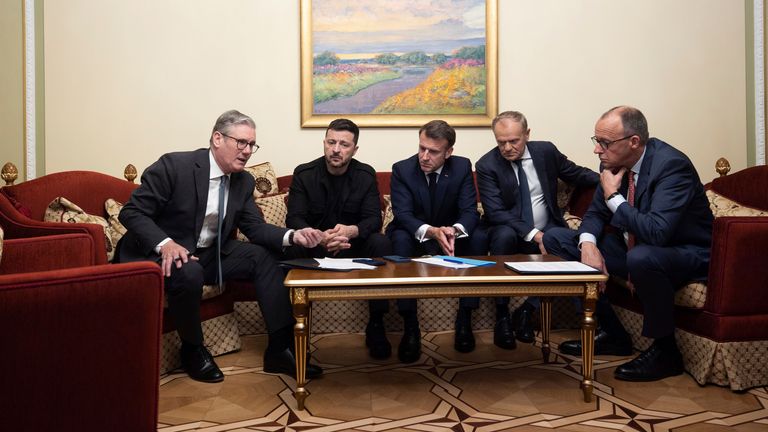
Meeting between, left to right, Keir Starmer of the UK, Volodymyr Zelenskyy of Ukraine, Emmanuel Macron of France, Donald Tusk of Poland, and Friedrich Merz of Germany. Pic: AP
The leader of the EU’s biggest power also said the new US strategy was not a surprise and largely chimed with the vice president’s speech at the Munich Security Conference in February.
For this reason, Merz reiterated that Europe and Germany must become more independent of America for their security policies.
However, he noted, “I say in my discussions with the Americans, ‘America first’ is fine, but America alone cannot be in your interests.”
For his part, while Trump said he liked most of Europe’s current leaders, he warned they were “destroying” their countries with their migration policies.
He said: “Europe is a different place, and if it keeps going the way it’s going, Europe will not be…in my opinion, many of those countries will not be viable countries any longer. Their immigration policy is a disaster”.
He added: “Most European nations… they’re decaying.”
Read more:
Analysis: Putin preparing for more war, not less
White House: Europe ‘unrecognisable in 20 years or less’
Again, the comments echoed his security strategy, which warned immigration risked “civilisation erasure” in Europe.
There’s no doubt immigration is a major concern for many of the continent’s leaders and voters.
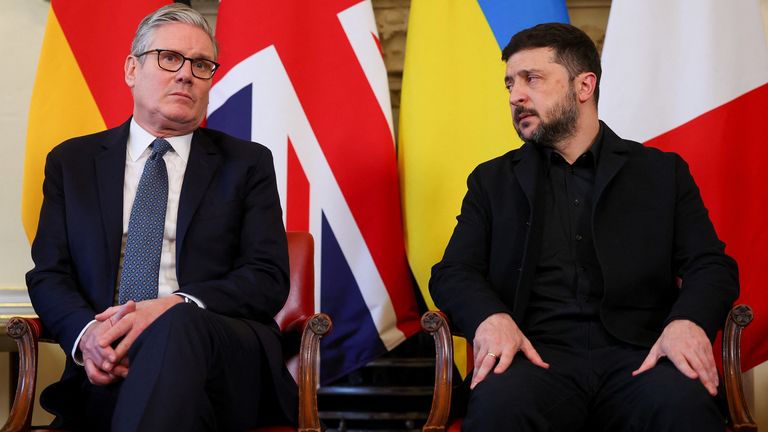
Zelenskyy meets European leaders
However, irregular crossings into the EU fell 22% in the first 10 months of 2025 according to Frontex, a fact which seems to have passed the president and his team by.
“Within a few decades at the latest, certain Nato members will become majority non-European”, his security document warned.
It also suggested “cultivating resistance” in Europe “to restore former greatness” leading to speculation about how America might intervene in European politics.
Trump appeared to add further clarification on Tuesday, saying while he did not “want to run Europe”, he would consider “endorsing” his preferred candidates in future elections.
👉 Tap to follow Trump100 wherever you get your podcasts👈
This comment will also ruffle feathers on the continent where the European Council President has already warned Trump’s administration against interfering in Europe’s affairs.
“Allies do not threaten to interfere in the domestic political choices of their allies,” Antonio Costa said on Monday.
“The US cannot replace Europe in what its vision is of free expression… Europe must be sovereign.”
So, what will happen now, and how will Europe’s leaders respond?
If you are hoping for a showdown, you will likely be disappointed.
Like him or loathe him, Europe’s leaders need Trump.
They need the might of America and want to try to secure continued support for Ukraine.
While the next few days will be filled with politely scripted statements or rejections of the president’s comments, most of his allies know on this occasion they are probably best to grin and bear it.
World
‘Cheap ceasefire’ between Ukraine and Russia would create ‘expensive peace’ for Europe, Norway’s foreign minister warns
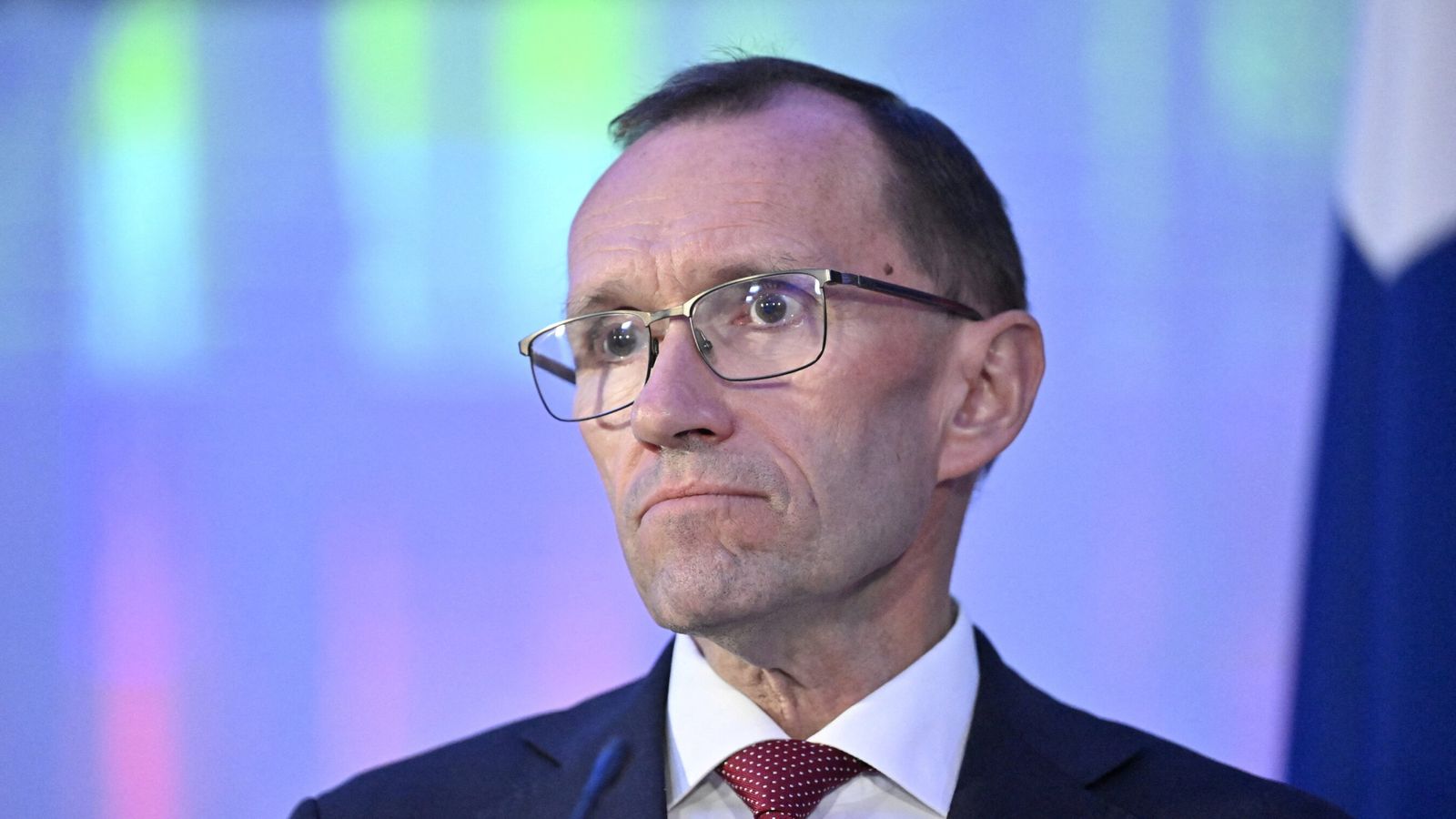
A “cheap ceasefire” between Ukraine and Russia – with Kyiv forced to surrender land – would create an “expensive peace” for the whole of Europe, Norway’s foreign minister has warned.
Espen Barth Eide explained this could mean security challenges for generations, with the continent’s whole future “on the line”.
It was why Ukraine, its European allies and the US should seek to agree a common position when trying to secure a settlement with Vladimir Putin, the top Norwegian diplomat told Sky News in an interview during a visit to London on Tuesday.
Ukraine war latest: Trump says Putin has upper hand in peace talks
“I very much hope that we will have peace in Ukraine and nobody wants that more than the Ukrainians themselves,” Mr Eide said.
“But I am worried that we might push this to what in quotation marks is a ‘cheap ceasefire’, which will lead to a very expensive peace.”
Explaining what he meant, Mr Eide said a post-war era follows every conflict – big or small.
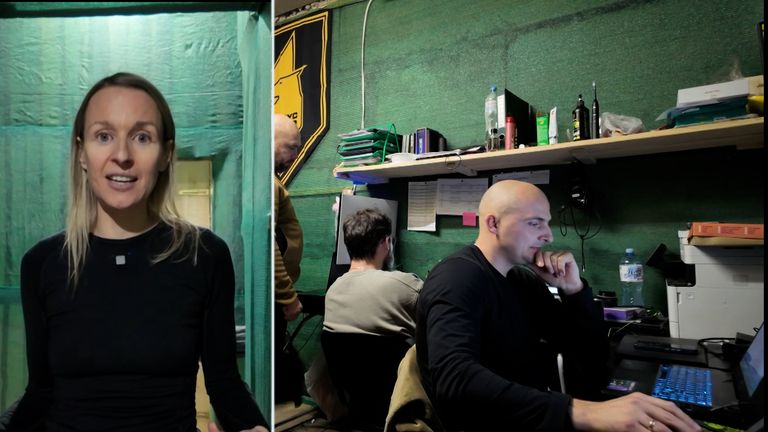
Inside Ukraine’s underground military HQ
How that plays out typically depends upon the conditions under which the fighting stopped.
“If you are not careful, you will lock in certain things that it will be hard to overcome,” he said.
“So if we leave with deep uncertainties, or if we allow a kind of a new Yalta, a new Iron Curtain, to descend on Europe as we come to peace in Ukraine, that’s problematic for the whole of Europe. So our future is very much on the line here.”
He said this mattered most for Ukrainians – but the outcome of the war will also affect the future of his country, the UK and the rest of the continent.
“This has to be taken more seriously… It’s a conflict in Europe, it has global consequences, but it’s fundamentally a war in our continent and the way it’s solved matters to our coming generations,” the Norwegian foreign minister said.
Russia ‘will know very well how to exploit vagueness’
Asked what he meant by a cheap ceasefire, he said: “If Ukraine is forced to give up territory that it currently militarily holds, I think that would be very problematic.
“If restrictions are imposed on future sovereignty. If there’s vagueness on what was actually agreed that can be exploited. I think our Russian neighbours will know very well how to exploit that vagueness in order to keep a small flame burning to annoy us in the future.”
Progress being made on peace talks
Referring to the latest round of peace talks, initiated by Donald Trump, Mr Eide signalled that progress was being made from an initial 28-point peace plan proposed a couple of weeks ago by the United States that favoured Moscow over Kyiv.
That document included a requirement for the Ukrainian side to give up territory it still holds in eastern Ukraine to Russia and Mr Eide described it as “problematic in many aspects”.
But he said: “I think we’ve now had a good conversation between Ukraine, leading European countries and the US on how to adapt and develop that into something which might be a good platform for Ukraine and its allies to go to Russia with.
“We still don’t know the Russian response, but what I do know is the more we are in agreement as the West, the better Ukraine will stand.”
-
 Sports2 years ago
Story injured on diving stop, exits Red Sox game
-
 Sports3 years ago
‘Storybook stuff’: Inside the night Bryce Harper sent the Phillies to the World Series
-
 Sports2 years ago
Game 1 of WS least-watched in recorded history
-
 Sports3 years ago
Button battles heat exhaustion in NASCAR debut
-
 Sports3 years ago
MLB Rank 2023: Ranking baseball’s top 100 players
-
Sports4 years ago
Team Europe easily wins 4th straight Laver Cup
-
 Environment3 years ago
Japan and South Korea have a lot at stake in a free and open South China Sea
-
 Environment1 year ago
Here are the best electric bikes you can buy at every price level in October 2024