
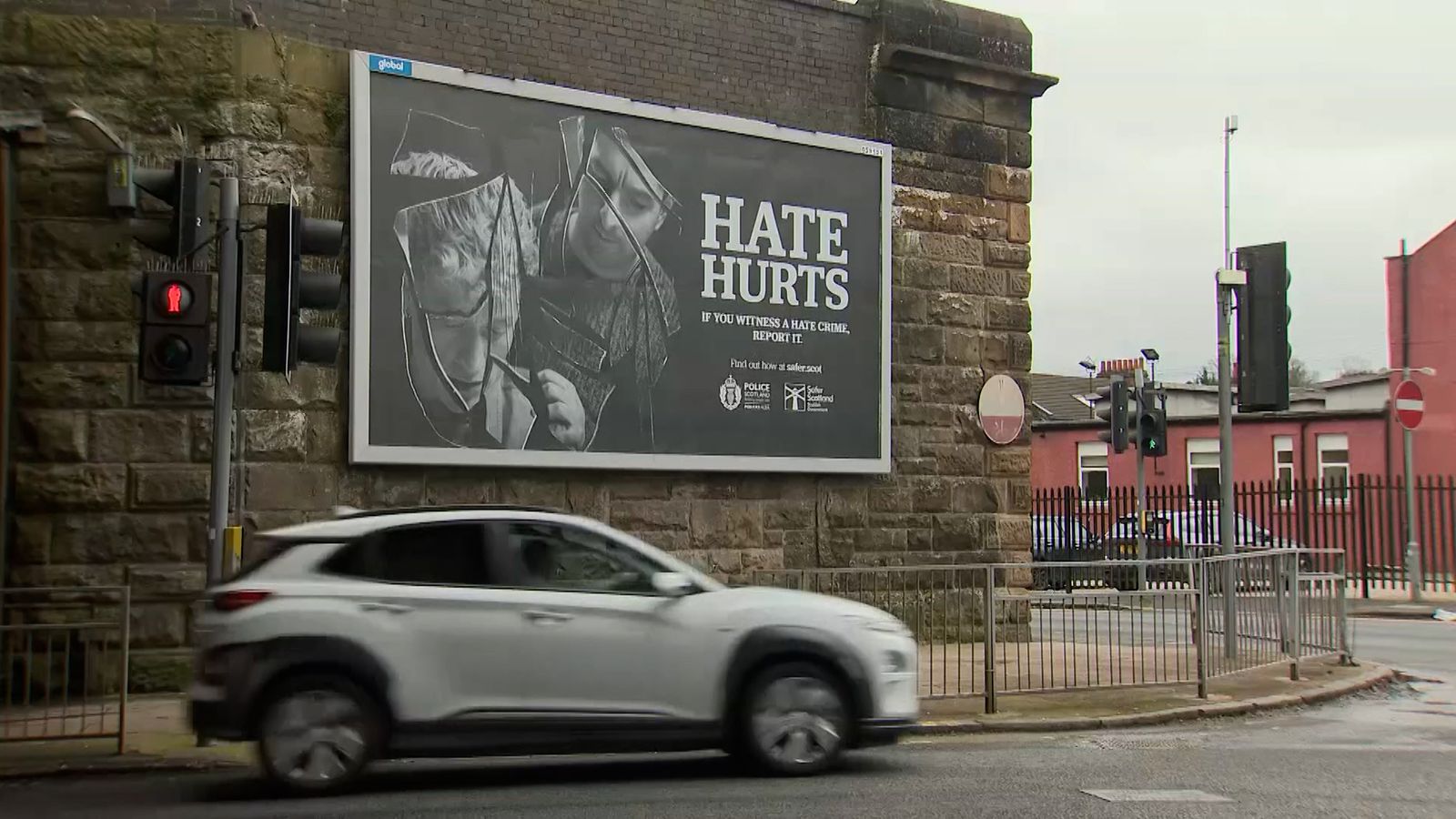
Scotland’s controversial new hate crime laws come into force


Scotland’s controversial new hate crime laws have come into force.
The new measures aim to tackle the harm caused by hatred and prejudice but have come under fire from opponents who claim they could stifle free speech and be weaponised to “settle scores”.
The Hate Crime and Public Order (Scotland) Act came into force on Monday 1 April and aims to provide greater protection for victims and communities.
It consolidates existing legislation and introduces new offences for threatening or abusive behaviour which is intended to stir up hatred based on prejudice towards characteristics such as age, disability, religion, sexual orientation and transgender identity.
The new provisions add to the laws on the statute book for race, which have been in place UK-wide since 1986.
The ‘Hate Monster’ being used to advertise the new act. Pic: Police Scotland
‘Hatred has been far too pervasive in our society’
Speaking to Sky News about the new legislation, First Minister Humza Yousaf said: “In terms of acts of hatred, I think anybody would recognise in the last few years… hatred has been far too pervasive in our society.
“We have to take strong action against it. We have to have a zero-tolerance approach to it.
“I’ve got every confidence in police investigating matters of hatred appropriately, and of course making sure that we protect freedom of expression so vital to our democracy.”
Sky’s Connor Gillies explains the new laws
The new laws were developed following Lord Bracadale’s independent review of hate crime legislation which concluded that new specific offences relating to stirring up hatred were needed.
The legislation was passed by a majority of MSPs in the Scottish parliament in 2021.
JK Rowling and Elon Musk have publicly criticised the act, suggesting it erodes free speech.
Those who support the new laws insist they will make Scotland more tolerant.
In a letter to Holyrood’s criminal justice committee published last week, the Association of Scottish Police Superintendents (ASPS) warned the law could be “weaponised” by an “activist fringe” across the political spectrum.
Keep up with all the latest news from the UK and around the world by following Sky News
‘They are seeing this as an opportunity to settle scores’
Speaking to Sky News, the director of campaign group For Women Scotland branded the act a “mess” and said “there will be a lot of malicious reports”.
Susan Smith said: “Much of this is very vague as stirring up offences seems to be based on someone’s perception that someone is being hateful towards them, and they can make a complaint and the police are saying they will investigate everything.
“We know that there are people out there who have lists of people they are looking to target. They are seeing this as an opportunity to settle scores and make political points.”
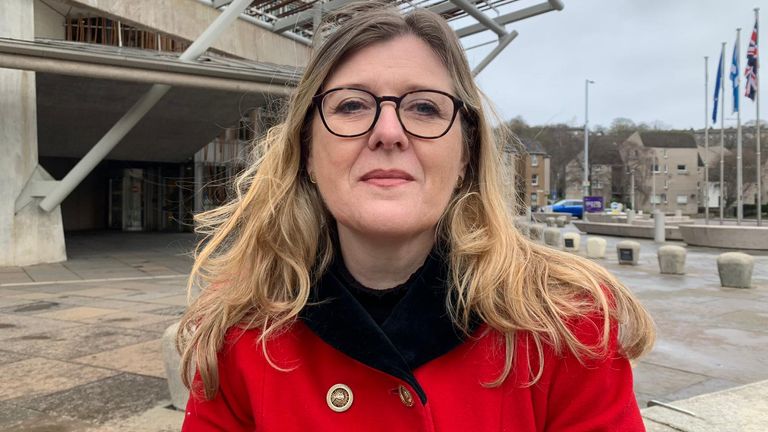
Susan Smith, director of campaign group For Women Scotland. Pic: Sky
Police Scotland has committed to investigating every single hate complaint it receives.
At First Minister’s Questions on Thursday, Mr Yousaf said he had “absolute faith” in the force’s ability to weed out vexatious complaints.
Mr Yousaf has repeatedly said there is “disinformation” being spread about the bill and what it entails, claiming there is a “triple lock” of protection for speech.
The three safeguarding measures in the “lock” are an explicit clause on free speech, a defence for the accused’s behaviour being “reasonable” and the fact that the act is compatible with the European Convention on Human Rights.
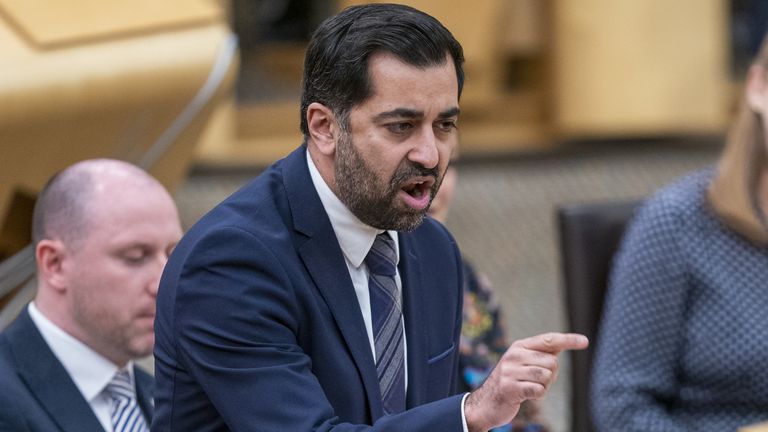
Humza Yousaf during First Minister’s Questions on Thursday. Pic: PA
‘It’s April Fools’ Day but it really is no joke’
The Scottish Conservatives have called for the act to be scrapped and the resources diverted towards frontline policing instead.
Russell Findlay MSP, shadow justice secretary for the Scottish Tories, said: “Humza Yousaf’s hate crime act comes into force on April Fools’ Day but it is really no joke for the people of Scotland.”
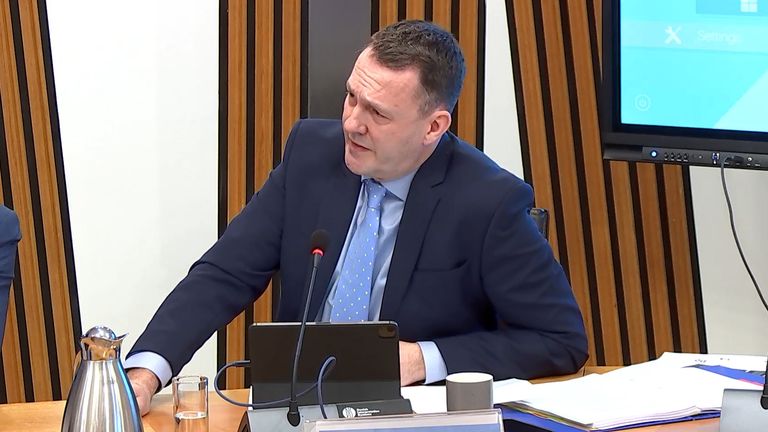
Russell Findlay MSP. Pic: Scottish Parliament TV
Mr Findlay said it was “farcical that many officers have not yet been trained” and claimed the Scottish parliament’s criminal justice committee has not been given sight of the force’s training material despite requesting it.
He added: “Officers would rather tackle real crimes and keep communities safe, rather than having to investigate malicious and spurious complaints.”
‘Nobody in our society should live in fear’
Siobhian Brown, minister for victims and community safety, said: “Nobody in our society should live in fear and we are committed to building safer communities that live free from hatred and prejudice.
“We know that the impact on those on the receiving end of physical, verbal or online attacks can be traumatic and life-changing. This legislation is an essential element of our wider approach to tackling that harm.
“Protections for freedom of expression are built into the legislation passed by parliament and these new offences have a higher threshold for criminality than the long-standing offence of stirring up racial hatred, which has been in place since 1986.”
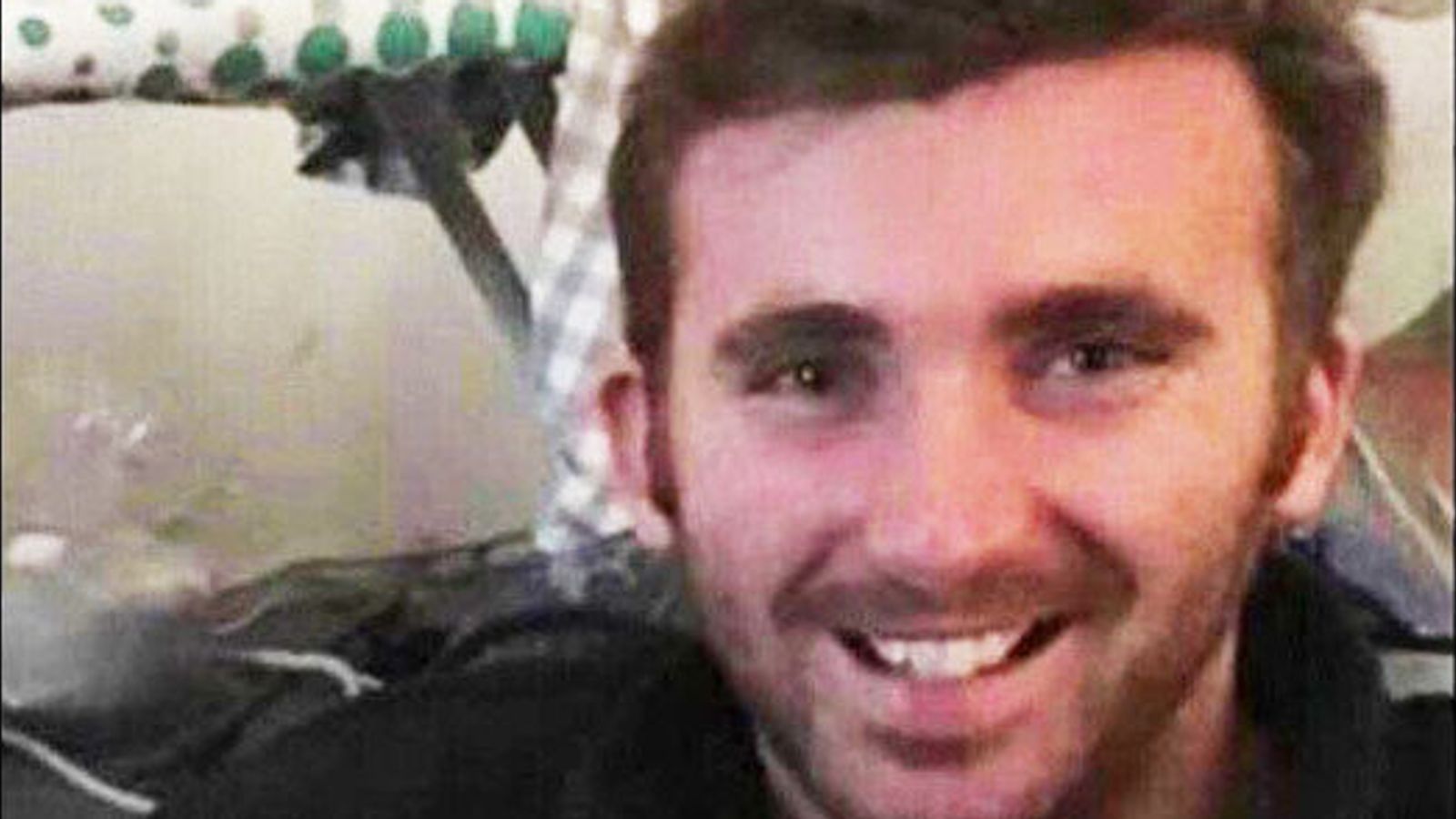
The Ministry of Defence have shared a picture of the British soldier who was killed in a “tragic accident” in Ukraine, as Volodymyr Zelenskyy prepares to give Donald Trump a revised plan for peace with Russia.
The Ukrainian president said his delegation is set to hand Kyiv’s proposal to Washington in the “near future”, ahead of talks between European leaders over the plan next week.
But they will comes after Mr Trump called European leaders “weak” and criticised them for failing to end the war between Russia and Ukraine.
As it happened: Soldier who died in Ukraine pictured for first time
Meanwhile, tributes have come in for Lance Corporal George Hooley, a 28-year-old paratrooper who died on Tuesday while observing Ukrainian forces testing a new defensive capability away from the frontline.
Is Europe’s transatlantic relationship with America on life support?
The MoD said he joined the army in November 2015 and was regarded as “an exceptional soldier and an impressive junior leader with extensive operational experience”.
In a statement released through the ministry, Lance Corporal Hooley’s commanding officer said that the paratrooper had had an “incredibly bright” future in the Parachute Regiment.
“I have no doubt that he would have continued to perform at the very front of his peer-group over the coming years,” they added.
“All members of The Parachute Regiment mourn his loss; however, our sorrow is nothing compared to that being felt by his family, our thoughts and prayers are with them at this incredibly difficult time.”
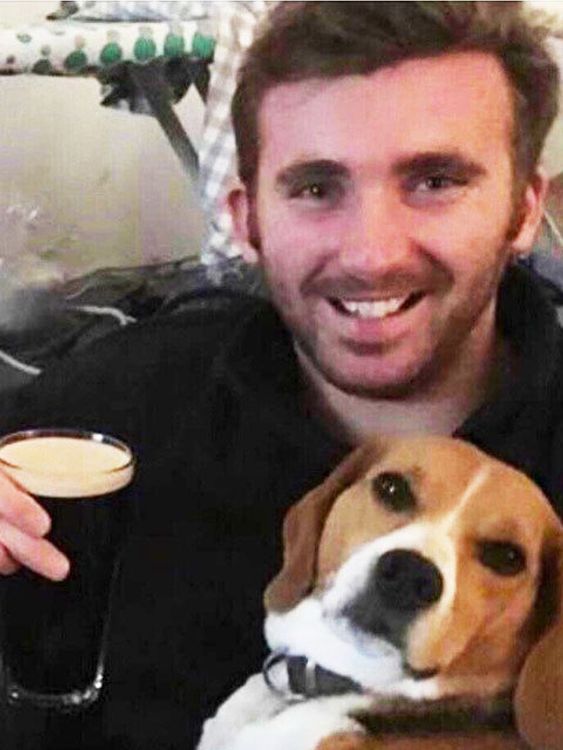
Lance Corporal George Hooley with his dog Mabel. Pic: Ministry of Defence
‘If you met George Hooley, you remembered it’
The company commander added: “If you met George Hooley, you remembered it.” They said the paratrooper had a “rare gift” and was a “model of professionalism”.
Britain’s Defence Secretary John Healey said the Lance Corporal “served our country with distinction and professionalism” and was “an exceptional soldier who will be very deeply missed”.
“The tributes that have been paid to him are a testament to his exceptional attitude and ability,” Mr Healey said. “George’s tragic death reminds us of the courage and commitment with which our outstanding armed forces serve every day to protect our nation.”
Zelenskyy: Ukraine to share peace plan in ‘near future’
Mr Zelenskyy said that Ukraine was finalising a 20-point peace document to share with the United States.
“We are working very productively to guarantee future security and prevent a recurrence of Russian aggression,” he said.
But Mr Trump had accused Mr Zelenskyy of not reading the original American-backed version of the peace proposal, and in an interview with Politico on Tuesday, claimed the Ukrainian president was “using war” to avoid holding an election.
Read more: Trump’s 28-point Ukraine peace plan in full
Later on Wednesday, Mr Zelenskyy said Kyiv’s peace delegation held a “productive conversation” with the US, and “discussed key issues for recovery, various mechanisms, and visions of reconstruction”.
Prime Minister Sir Keir Starmer, German Chancellor Friedrich Merz and French President Emmanuel Macron also spoke with the US president by phone on Wednesday.
In Ukraine shelling at a hospital in the occupied southern Kherson region killed three medical workers and injured two others, according to a governor installed by Russia.
And on Wednesday morning, Ukraine said its energy infrastructure had been targeted by Russian drone strikes in the southern Odesa region.
UK
Sharaz Ali found guilty of murdering ex-partner’s sister and her three children in Bradford house fire
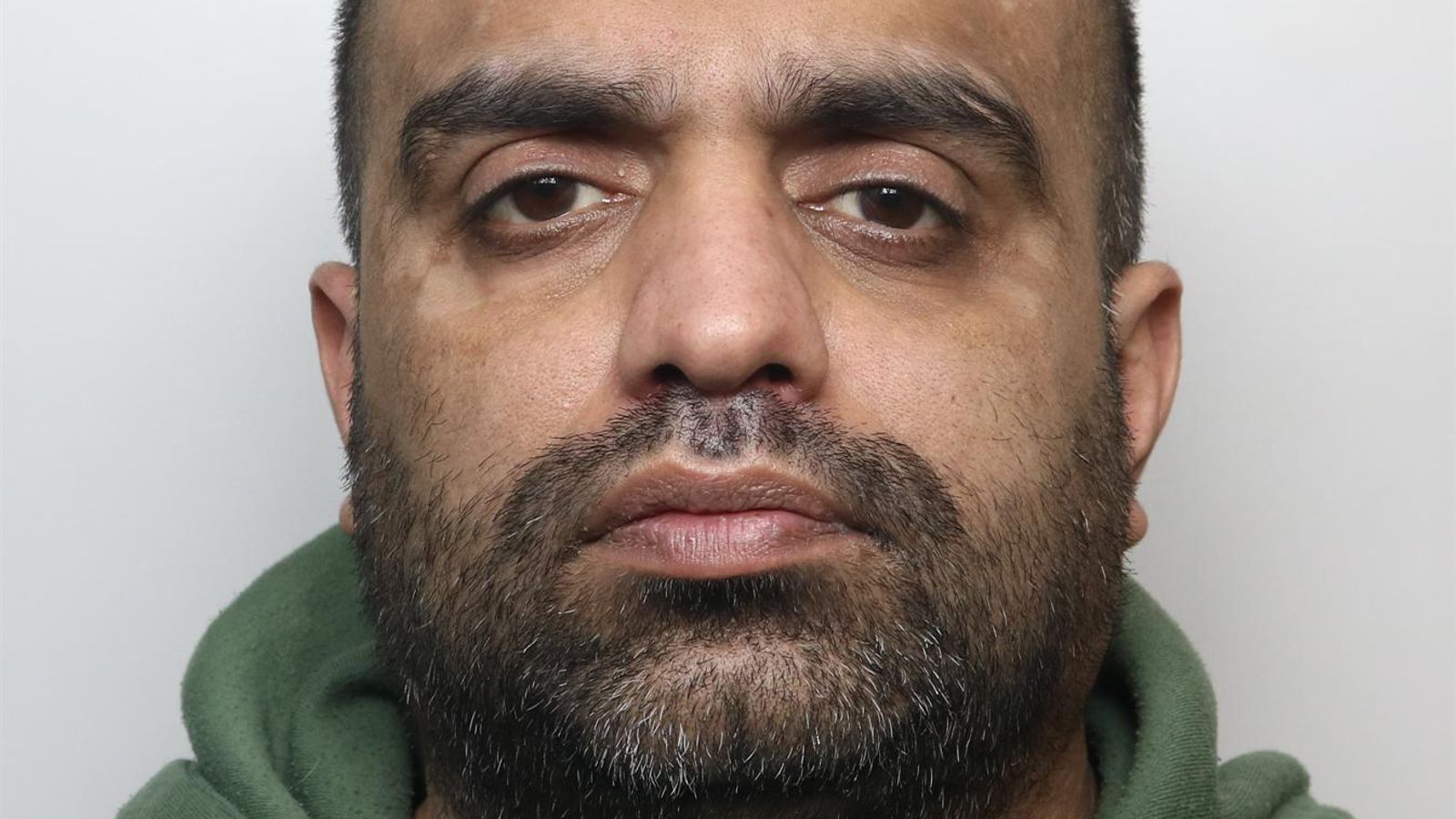

A man has been found guilty of murdering his ex-partner’s sister and her three children in a house fire.
Prosecutors said Sharaz Ali, 40, was “motivated by jealousy and fuelled by drink and drugs” when he set fire to Bryonie Gawith’s home early on 21 August last year.
Jurors heard that Ali went to the home in Westbury Road, Bradford, aiming to “take revenge” on his ex, Antonia Gawith, who was staying there after ending their “abusive” seven-year relationship earlier that month.
Antonia Gawith managed to escape, but Bryonie Gawith, 29, and her children Denisty Birtle, nine, Oscar Birtle, five, and 22-month-old Aubree Birtle died in the blaze.
Bryonie Gawith and her children Denisty, Oscar and Aubree Birtle died in the fire
Ali told a jury he had no intention of harming others when the house went up in flames, saying: “I didn’t want to hurt anyone but myself.”
But after a trial at Doncaster Crown Court, he was found guilty of four counts of murder and attempting to murder Antonia Gawith.
Calum Sunderland, 26, who went with Ali to the house and kicked the door in for him, was found guilty of the manslaughter of Bryonie Gawith and her three children, but cleared of the more serious charges of murder.
He was also cleared of attempted murder, and an alternative count of attempting to cause grievous bodily harm, in relation to Antonia Gawith.
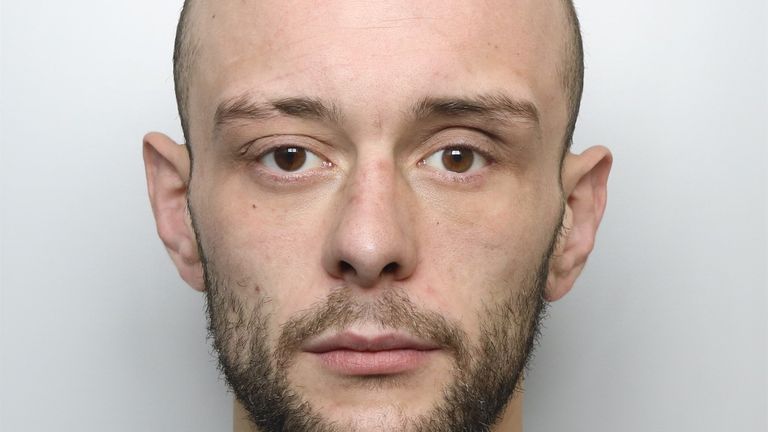
Calum Sunderland. Pic: West Yorkshire Police
Mohammed Shabir, 45, who had also been due to go on trial, died of a heart attack in October after collapsing in prison.
After the verdicts, the judge, Mr Justice Hilliard, thanked jurors and said the case had been “distressing beyond measure – three children and their mother murdered”.
“I don’t think anyone who heard Antonia’s desperate cries for help will ever forget them,” he said.
“These are truly dreadful crimes.”
The judge also praised the “extraordinary bravery” of those who tried to save the children trapped in the house.
Ali and Sunderland, a convicted arsonist, were driven to the house by Shabir, stopping on the way to fill a seven-litre canister with petrol, the court heard.
Doorbell footage captured Ali telling Sunderland, who was carrying the petrol and a lighter, to “kick the door in”, which he did before running back to the car.
Antonia Gawith said she saw an “angry” Ali run into the house and begin pouring petrol on her while shouting before setting himself and the house on fire.
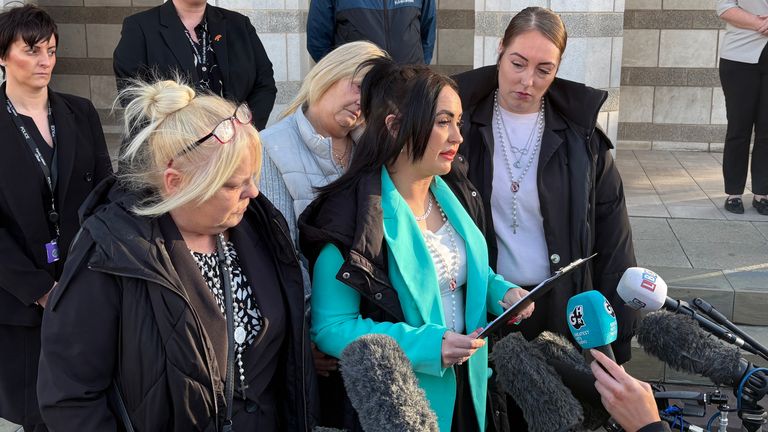
Antonia Gawith outside Doncaster Crown Court. Pic: PA
‘I couldn’t save them’
In a video interview played to jurors, she sobbed as she told police how she “couldn’t save” her sister, nieces and nephew, as she tried frantically to get back in the house through the back door.
“I was just screaming, trying to get back in the house and I couldn’t get in. I couldn’t save them,” she said.
Read more from Sky News:
‘Depraved predator’ jailed for rapes and sexual assaults
British soldier who died in Ukraine named
West Yorkshire Police’s Detective Chief Inspector Stacey Atkinson said: “Bryonie and her three children would still be alive today if it wasn’t for the horrific and truly callous actions of Ali and Sunderland that day.
“They left a mum and her three children completely helpless whilst her sister and their auntie watched on in horror.
“Our thoughts and sympathies are with the family, who despite their immense strength of character now face the rest of their lives without them.”
Senior Crown Prosecution Service prosecutor Amanda McInnes said Ali was a “selfish killer who had no regard for anyone but himself”.
“He was motivated by jealousy and his actions have now needlessly robbed a family of their loved ones,” she said.
“Both men played their role and caused the deaths of a young family who should still be with us today.”
UK
‘I didn’t know where to turn’: Why ethnic minorities with gambling addictions struggle to get help
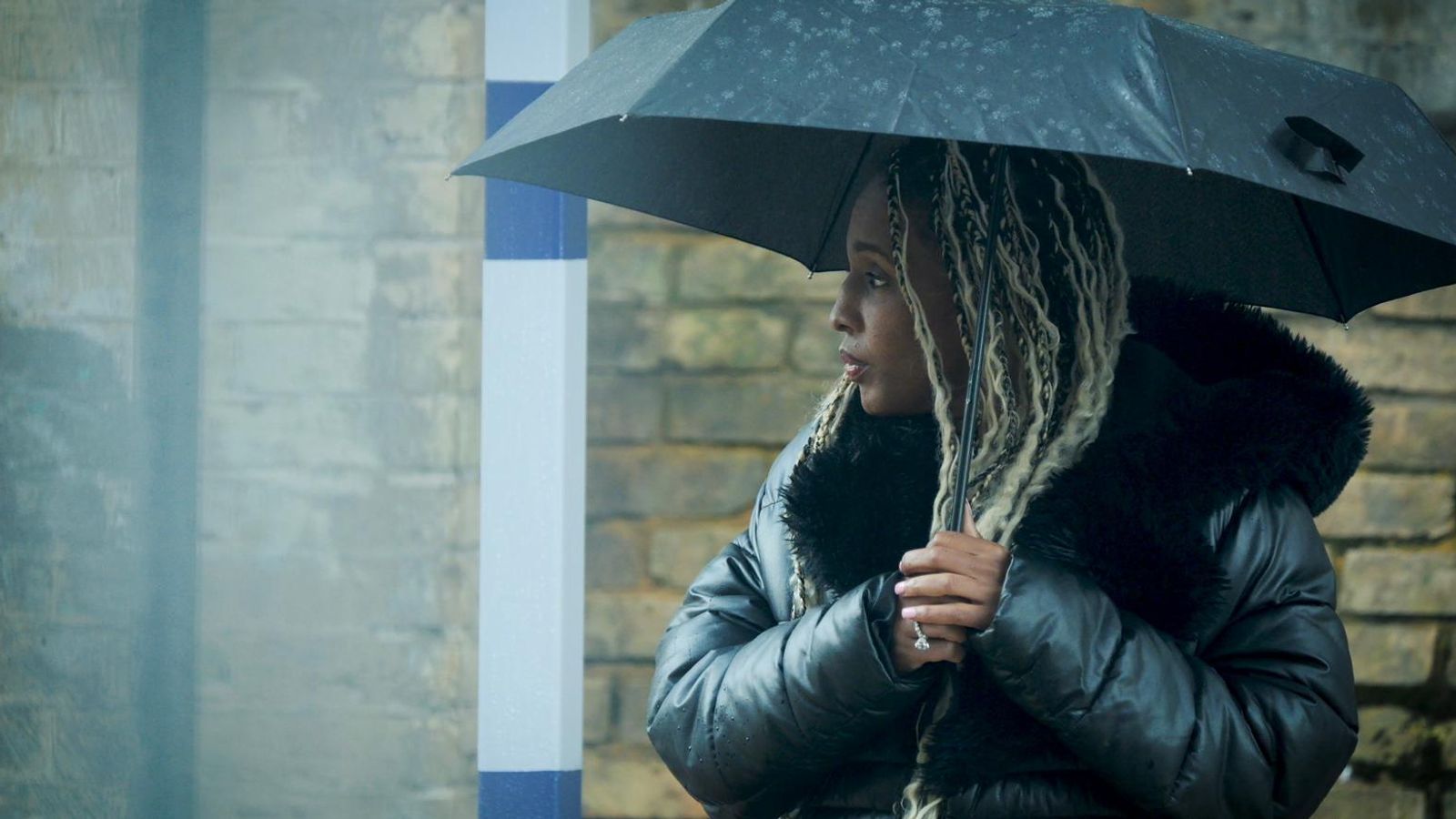
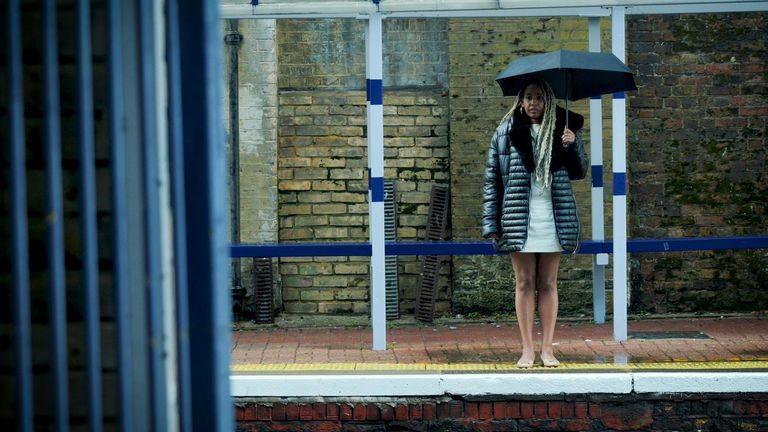
On a dark December morning two years ago, Kiki Marriott left her flat and started walking.
Content warning: This article contains references to suicide.
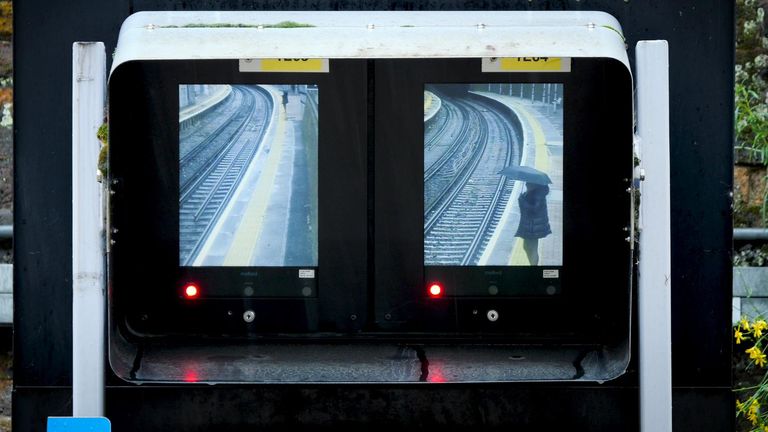
It was 5am, and she was heading for the station.
“I was numb at that point,” she says.
“I was just so done with trying to survive and just existing… feeling extremely lonely and isolated and didn’t know where to turn.”
She was trapped in a cycle of addiction, gambling all hours and taking cocaine for the maximum buzz.
‘I didn’t know where to turn,’ says Kiki
“I sat at the train station thinking about my daughter, thinking about the mistakes that I’ve made in the past, thinking that I didn’t want to live this life any more.”
Kiki was waiting for the first train.
But that train was late. And she changed her mind.
Instead of taking her own life, she decided to seek help.
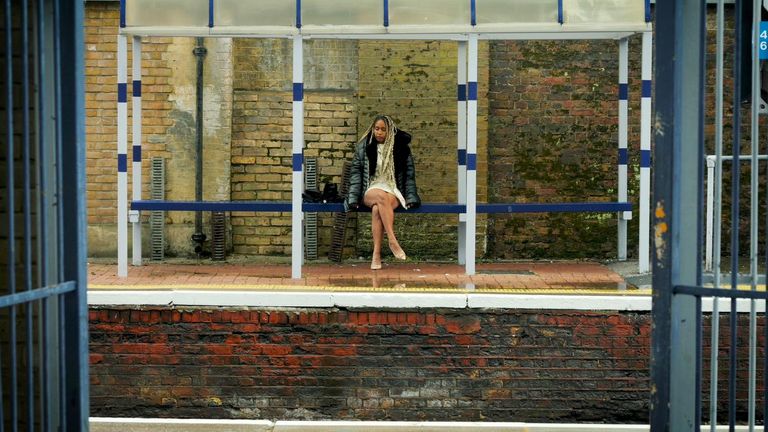
Yet what she would find on that journey of recovery would shock her.
“I just realised that there wasn’t anybody that looked like me, sounded like me, and it got me to thinking, well I can’t be the only black woman suffering with a gambling or cocaine addiction.”
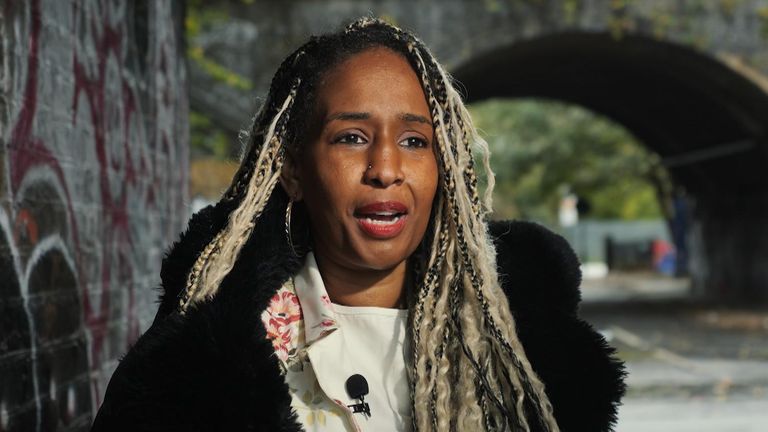
‘I can’t be the only black woman suffering addiction’
Racial disparities
Research has shown that people from ethnic minority backgrounds are less likely to gamble than white people, but are more likely to suffer harm from gambling.
Despite that, too often they do not seek help.
And YouGov statistics shared exclusively with Sky News shed a light on why.
The survey of 4,000 adults for GamCare, which runs the National Gambling Helpline, found that two-thirds of people from ethnic minority backgrounds who’d gambled in the past year had spent more money than they’d planned, double the amount of white respondents.
They were also more than twice as likely to hide their gambling and nearly three times as likely to feel guilt.
Kiki is not surprised.
“For me, coming from a black community, a black background, what goes on indoors stays behind closed doors,” she says.
“You keep your mouth shut, and you handle your business yourself.”
And when she considered what an addict looked like, it wasn’t someone like her.
“I just thought it’s an old white man’s thing – that they go into the bookies, and they have a drink and they bet.
“I thought, well, that’s not me.”
But Dharmi Kapadia, a senior sociology lecturer from Manchester University, who focuses on racial inequality, thinks there’s more than just cultural pressure at play.
“These explanations of stigma have become dominant,” she says.
“We’ve found that what’s more important is that people don’t want to go and get help from gambling services because of previous racist treatment that they’ve suffered at the hands of other statutory services, for example, when they went to the GP.”
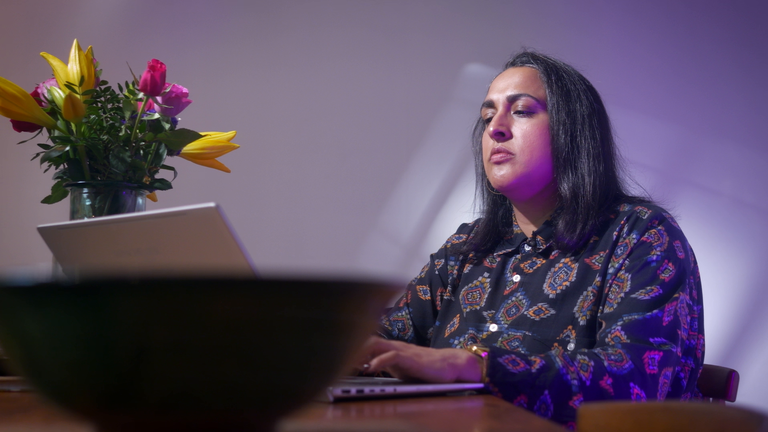
Dharmi Kapadia thinks there’s more than just cultural pressure at play
‘I needed to change’
The stigma felt very real for Kiki, so she hid what she was doing.
“I’ve had trauma in my life. I’ve been sexually abused as a child.
“As the years have gone on, a traumatic event happened in my family that really changed the dynamics of my life and that’s when I moved on from scratch cards to online slots.”
She became hooked – betting around the clock, spending her benefits on 10p and 20p spins on online slots and borrowing money from those around her.
Eventually her daughter moved out when she was 15.
“That’s when everything escalated. I didn’t have that responsibility of keeping up appearances.
“Before that, gas, electric, food shopping, all those things had to be in place.
“I just lived and breathed in my bedroom at that point and yeah, it was very lonely.”
When Kiki left the station that day, she called the National Gambling Helpline.
“For the first time in my life, I was completely honest about everything that I was doing – the lies, the manipulation when I was in active addiction, the secrecy.
“I was completely transparent because I wanted to change. I needed to change.”
‘Where’s all the women?’
Since then, she has undergone constant therapy, including a six-week stint in rehab.
And as she headed home in the taxi, her phone rang.
It was Lisa Walker, a woman who understood gambling addiction. She had won £127,000 playing poker at 29 before losing everything and ending up homeless with her young children.
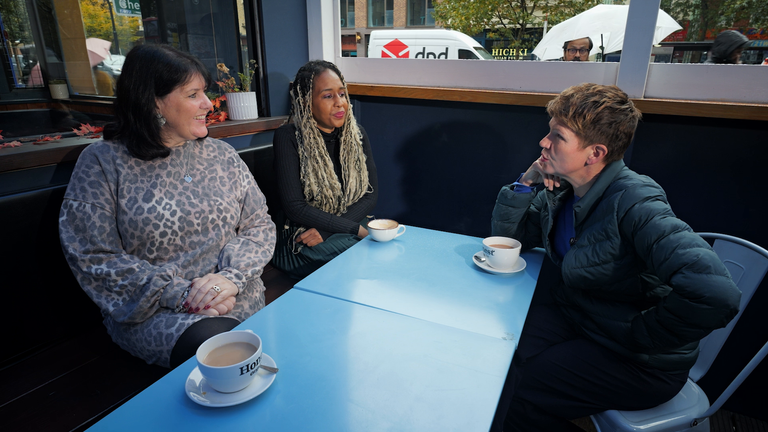
Lisa Walker (left) sought help from Gamblers Anonymous and was among very few women at her meetings
When she finally asked for help, she too felt she was different, walking into a Gamblers Anonymous meeting to find she was one of only two women in a room with 35 men.
“I was thinking, where’s all the women?” says Lisa.
“I can’t be the only woman in the world with a gambling addiction, so that got me thinking, what services are out there for women?”
It was the catalyst to set up support for female gamblers in April 2022.
Since then, Lisa has helped close to 250 women, but all but four have been white.
One of those four was Kiki.
‘There’s no getting away from it’
“It just baffles me… Why aren’t they reaching out for support? Is it the shame? Is it stigma?” says Lisa.
But another concern is that it’s simply too easy to hide the gambling.
“Getting on the train this morning, 90% of people are on their phones, and we don’t know whether they’re playing slots,” she says.
“I could probably sit here now and sign up for 50 online casinos and probably get over a thousand free spins.
“I just think there’s no getting away from it because it’s 24 hours a day.”
Kiki says she now has an ‘amazing’ relationship with her daughter
Kiki’s flat in Woolwich, where once she couldn’t even go to the bathroom without gambling, has become the place where she runs her own online peer mentoring groups.
“Feeling understood and validated for your experiences, for how you was raised… the core beliefs that you’re taught from a young age, to have somebody that looks like you, talks like you, has the same cultural background… it’s extremely important to make you feel understood, to make you feel validated,” she says.
‘You can learn from it’
Kiki will need to attend support groups for life to keep her addictions at bay.
But she has a clear goal, just as Lisa did.
“My focus is to help other people, help empower other people to choose themselves, to show them that there is light after so much darkness… that you don’t have to be a victim of your circumstances, that you can choose to grow from it and learn from it and heal from it,” she says.
For Kiki, there was so much at stake.
“It was either I was going to die or I was going to become a woman and a mother that my daughter could come back to and respect again.”
And that has happened. Kiki’s daughter is 19 now.
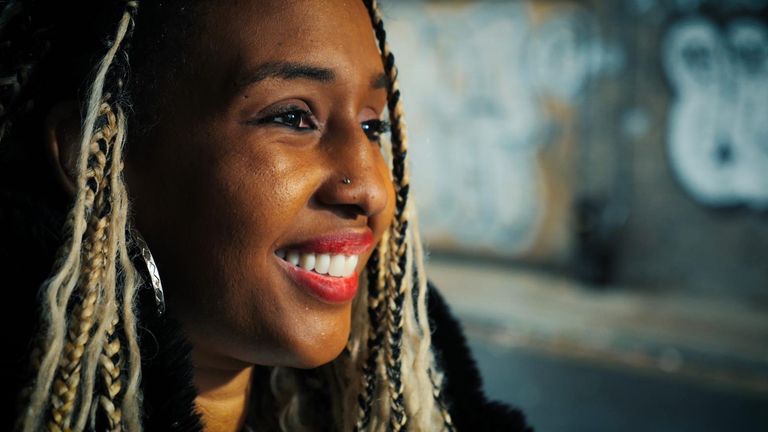
Kiki now helps others suffering from gambling addiction
“We’ve got an amazing relationship today. I’ve took full accountability for the mistakes that I’ve made.
“She’s extremely proud of where I am today.”
It’s more than Kiki could have dreamt of two years ago.
Now all she wants is to help others escape the endless cycle of addiction.
Anyone feeling emotionally distressed or suicidal can call Samaritans for help on 116 123 or email jo@samaritans.org in the UK. In the US, call the Samaritans branch in your area or 1 (800) 273-TALK
To speak to an adviser on the National Gambling Helpline, call 0808 8020 133
-
 Sports2 years ago
Story injured on diving stop, exits Red Sox game
-
 Sports3 years ago
‘Storybook stuff’: Inside the night Bryce Harper sent the Phillies to the World Series
-
 Sports2 years ago
Game 1 of WS least-watched in recorded history
-
 Sports3 years ago
Button battles heat exhaustion in NASCAR debut
-
 Sports3 years ago
MLB Rank 2023: Ranking baseball’s top 100 players
-
Sports4 years ago
Team Europe easily wins 4th straight Laver Cup
-
 Environment3 years ago
Japan and South Korea have a lot at stake in a free and open South China Sea
-
 Environment1 year ago
Here are the best electric bikes you can buy at every price level in October 2024