
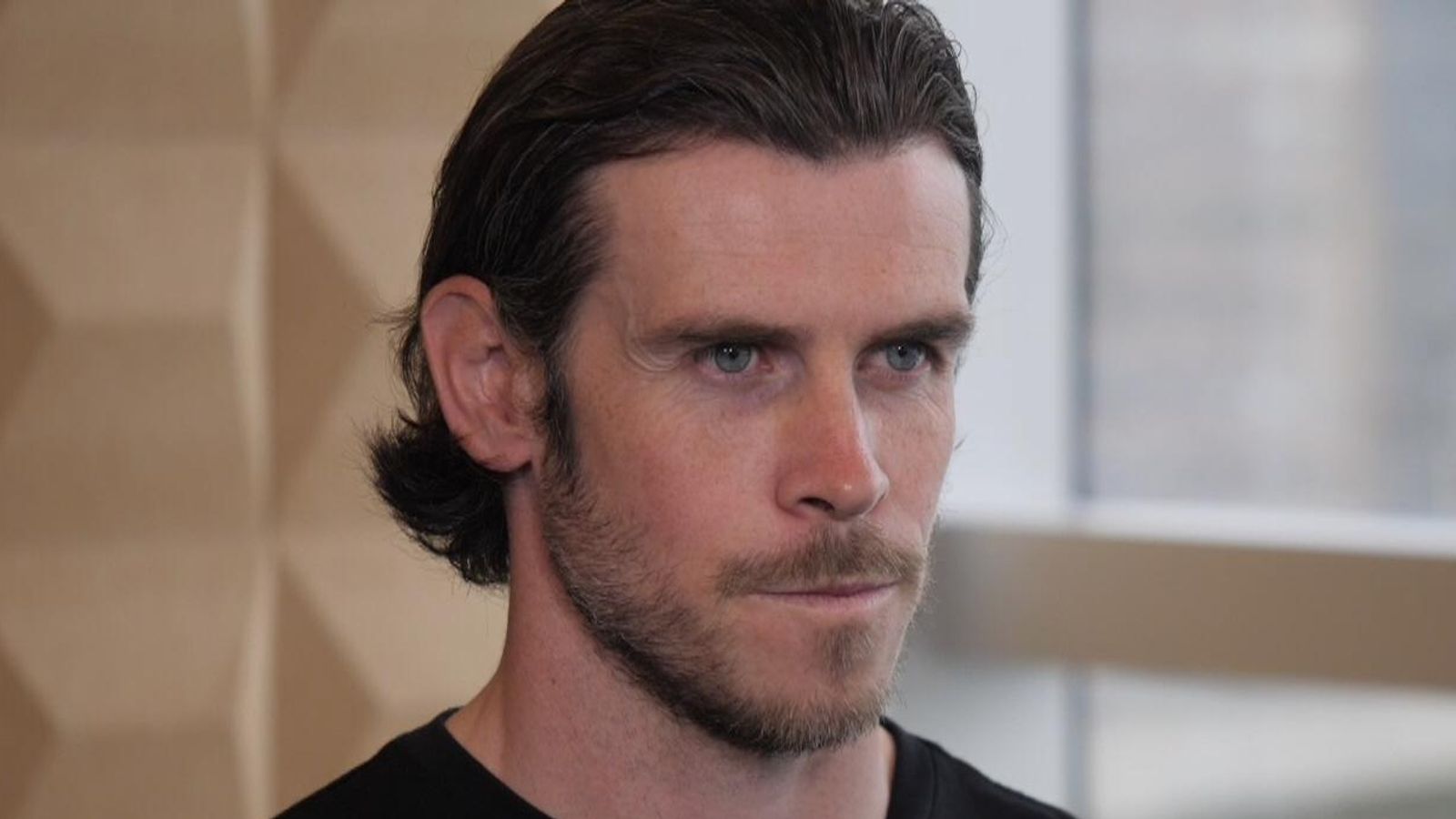
Gareth Bale warns greed could harm footballer welfare as matches pile up – and backs calls to scrap VAR

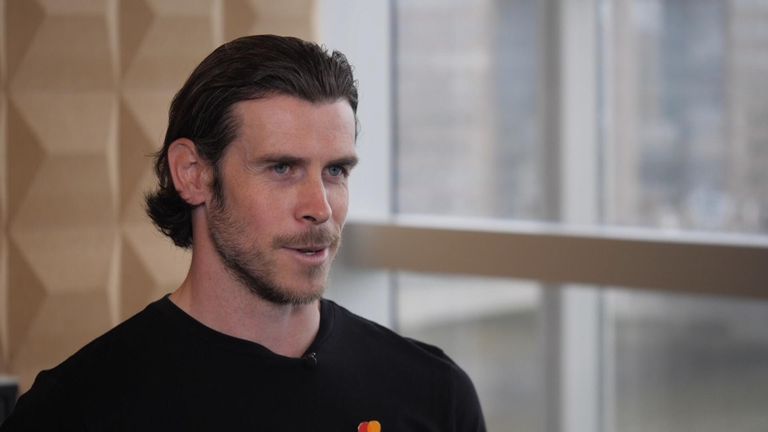
Gareth Bale has revealed to Sky News concerns football could become “too greedy”, with players’ mental and physical well-being endangered by growing fixture demands.
The former Wales captain, who won every major honour with Real Madrid, urged football authorities to act so “it doesn’t take something bad to happen for that to change”.
In his first notable interview since retiring in January 2023, Bale reflected on the highs and lows of an illustrious career, assessed the wider state of the game – including what he describes as the need to scrap VAR – and expressed admiration for Jude Bellingham’s immediate impact at Madrid.
Bale on why he doesn’t like VAR
Bale retired at 33 as a five-time Champions League winner with Madrid – becoming Britain’s most successful male footballing export while still facing difficult times winning over fans in Spain.
The pressures he felt are now only growing as competitions add matches, much to the frustration of global players’ union FIFPRO.
Bale said in an exclusive interview with Sky News: “The intensity and the quickness [are] only getting higher, and it’s very difficult to continue playing at that high level.
“And then when the level comes down, you only get scrutinised.”
He said that while “everybody understands that money … plays a big part” and “more games means more money”, players “want to play the right amount of games where you can cope with it without it being dangerous”.
He added: “It’s a very fine line, but hopefully everybody can come together and come to a right resolution for player welfare.”
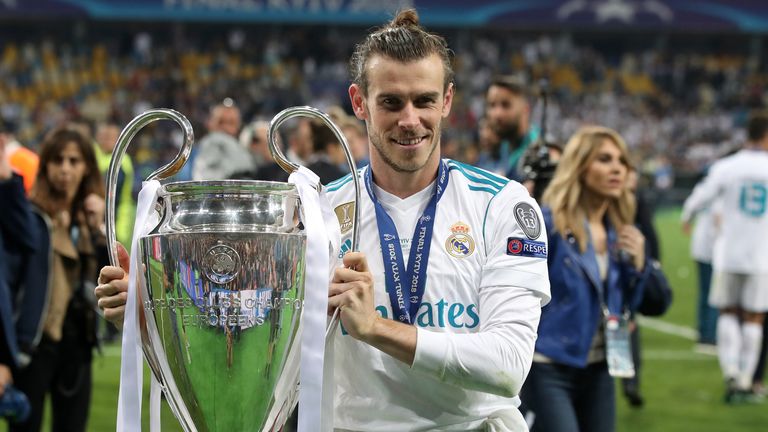
Gareth Bale lifting the Champions League trophy for Real Madrid in 2018. Pic: PA
Some players now could be required for more than 85 matches in a season for club and country with FIFA introducing a new 32-team Club World Cup every four years and UEFA expanding the Champions League.
“The amount of fixtures is becoming more and more and it’ll just become more demanding – and hopefully it doesn’t take something bad to happen for that to change,” Bale said.
“Looking after the players is an important thing. They’re the ones who are growing the game, bringing the fans in to watch them.”
Asked about hopes for football, Bale replied: “It’s just about staying together as one and without certain things getting too greedy.”
‘VAR only made it worse’
One thing he certainly doesn’t miss is video assistant referees delaying celebrations and ruling out goals.
Premier League clubs are set to vote next week on whether to scrap VAR.
VAR, Bale says, was “supposed to take away the controversy in football and it’s only made it worse – I like the human error aspect”.
“Things in slow motion look a lot worse than they do in real time. So, when you slow things down, a handball looks way more of a handball than it does in real action.
“So I don’t like it. I would like to see it gone personally.”
‘Fantastic’ Bellingham
Bale led Tottenham into the Champions League for the first time before an £85m move to Madrid in 2013.

Jude Bellingham has been ‘fantastic’. Pic: PA
The 14-time European champions are back in the final on Saturday at Wembley Stadium against Borussia Dortmund – a notable homecoming for Jude Bellingham after a wondrous first season in the Spanish capital.
The 20-year-old English star has already won LaLiga with 19 goals and six assists.
“At such a young age to be doing what he’s doing is fantastic,” Bale said. “It’s great to see, it’s refreshing and it’s important.”
It is especially important to get off to a good start at a club of such history and tradition like Real Madrid, he said.
“The intensity, the pressure that you can feel under…,” said Bale.
“So, he had a great start so far. Obviously, they still have a big game to come and it’ll be great for him to win a Champions League in his first season, that really settles the pressure and, hopefully, he can kick on from there.”
Ups and downs in Madrid
Life in Madrid wasn’t always easy for Bale, with jeers from his own fans despite being so integral on the big occasions with memorable goals like the scissor kick in the 2018 Champions League final win over Liverpool.
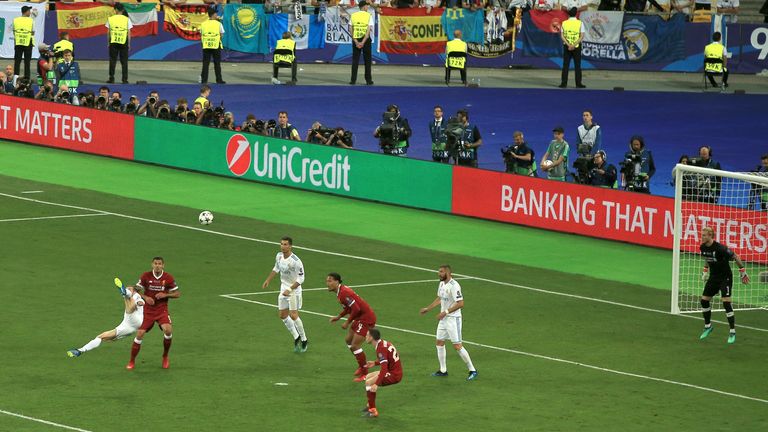
Gareth Bale scoring a spectacular overhead kick against Liverpool. Pic PA
“Of course, there’s always going to be ups and downs,” Bale said. “It’s how you deal with those, how you bounce back, how your character comes out.
“There were obviously some great times, there were obviously some bad. But, I think normally the good outweighs the bad in the end.”
Undoubtedly the biggest moments of pride came with his country – leading Wales to the Euro 2016 semifinals and ending their 62-year World Cup exile in 2022.
“If you’d told me when I was a young kid that I would have the career I did, I probably would never have believed you,” Bale said. “I feel like I overachieved”.
“But I think as you get older, your goals change, your body changes, your talent kind of takes over, the hard work kicks in.”
Read more:
The caretaker’s son who became Wales’ greatest footballer
Bale ‘very proud’ after receiving MBE from Prince William
Now there is more time for golf and family.
“It’s been really nice just to take a step back and have that pressure just relieved a bit,” he said.
“So it’s been good. Obviously I’ve spoken to people when they’ve retired. It’s all about keeping stuff a little bit busy.”
Climate concern
Bale also expressed concern over how football impacts climate change – and stressed the importance of not neglecting the environment while chasing sporting glory.
His message for collective action on sustainability features alongside those of other players, clubs and fans on a Pledge Ball made from recycled boots by Champions League sponsor Mastercard.

Keep up with all the latest news from the UK and around the world by following Sky News
“It’s difficult to make big changes,” Bale said. “It’s always about making those little changes.”
Bale urged the media “to write about the good things, not the bad things”, mentioning Lewis Hamilton as an example of somebody who is “doing a lot of good” and gets “unfair” treatment.
“He made such a massive effort to kind of change his environment and to do right,” Bale said of the F1 driver.
“And then people forget all the hard work he’s done and write maybe about just the small, I guess, negative where he drives an F1 car, which is obviously CO2. So, people need to realise that he’s doing a lot of good and not just that little bit of not bad.
“So, I think for him to make such a big change was massive. But to get the scrutiny I guess he got was very unfair.”
The sense is Bale also prefers life without scrutiny, away from the football spotlight with no desire to become a coach.
“I’m enjoying time, being at home with the family, spending more time with the kids,” he said.
“Enjoying life, to be honest.”

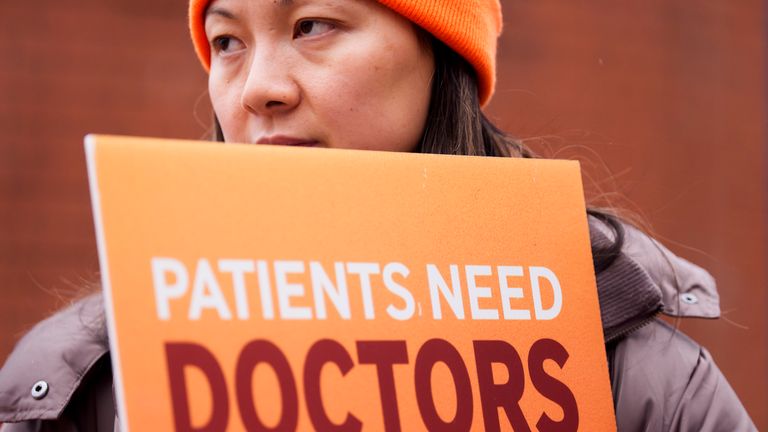
Wes Streeting has pledged to do all he can to avoid industrial action in 2026, as doctors in England return to work following a five-day walkout.
The health secretary said the strike, coupled with surging flu cases, constituted “the most serious threat to the NHS” since he began the role a year and a half ago.
He said: “The double whammy of strike action and flu this December posed the most serious threat to the NHS since I became health and social care secretary.
“The health service has only been able to cope because of the extraordinary efforts of the dedicated staff who work in it, and the hardest yards are in the weeks ahead as we get the NHS through the busiest weeks of the year.
“To everyone who played a role in keeping NHS services running through this exceptionally challenging month, thank you for the real difference you have made.
“I do not want to see a single day of industrial action in the NHS in 2026 and will be doing everything I can to make this a reality.
“My door remains open, as it always has done, and I’m determined to resume discussions with the BMA in the new eear to put an end to these damaging cycles of disruption.”
The strike took place after The British Medical Association (BMA) said 83% of English members had rejected a fresh proposal from the Labour government.
Sir Keir Starmer called the action “irresponsible”, while Mr Streeting accused the union of a “shocking disregard for patient safety”.
The BMA said the strike was “entirely avoidable” and has demanded a “credible offer” for English doctors to avert “real-terms pay cuts”.
The government’s offer had included a fast expansion of specialist training posts as well as covering out-of-pocket expenses such as exam fees.
It also offered to extend the union’s strike mandate to enable any walkout to be rescheduled to January.
It does not address resident doctors’ demand for a 26% salary rise over the next few years to make up for the erosion in their pay in real terms since 2008 – this is on top of a 28.9% increase they have had over the last three years.
Public support for the strikes is low, according to a recent YouGov poll.
The results showed 58% of those asked either somewhat or strongly opposed the industrial action, while 33% somewhat or strongly supported it.
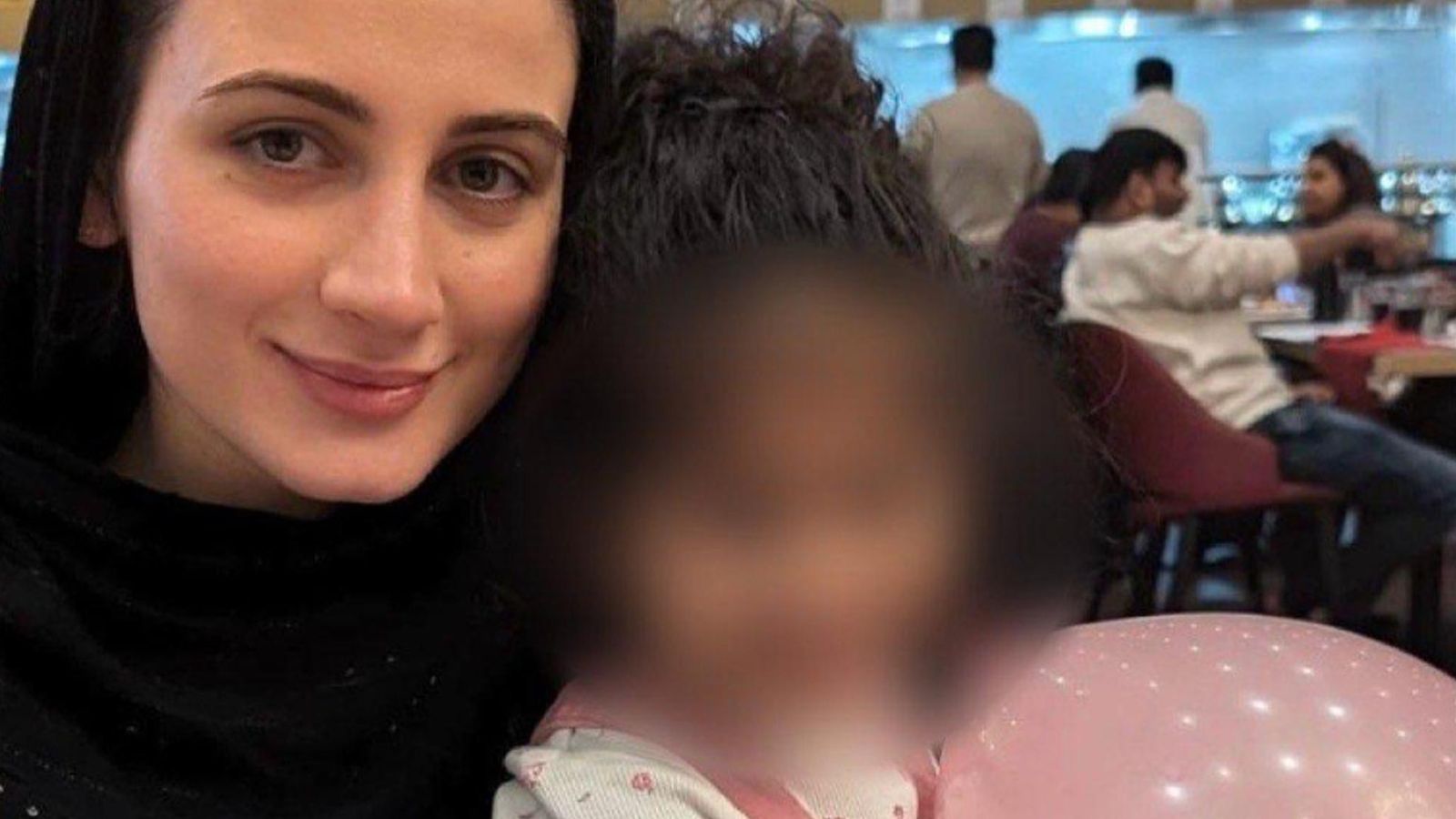
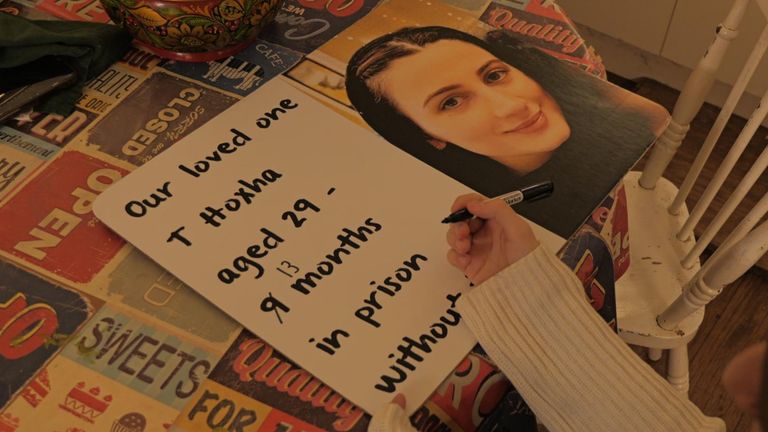
The family of a Palestine Action prisoner on day 43 of a hunger strike says she could die in prison if the UK government does not intervene.
Teuta Hoxha, 29, has been on remand, awaiting trial for 13 months. Her sister told Sky News she suffers from continuous headaches, mobility issues, and can no longer stand for prayer.
They fear the worst.
“I know that she’s already instructed the doctors on what to do if she collapses and she’s instructed them on what to do if she passes away,” Teuta’s younger sister Rahma said. “She’s only 29 – she’s not even 30 yet and nobody should be thinking about that,” she added.
“She’s been on remand for over a year, her trial’s not until April next year and bail keeps getting denied.”
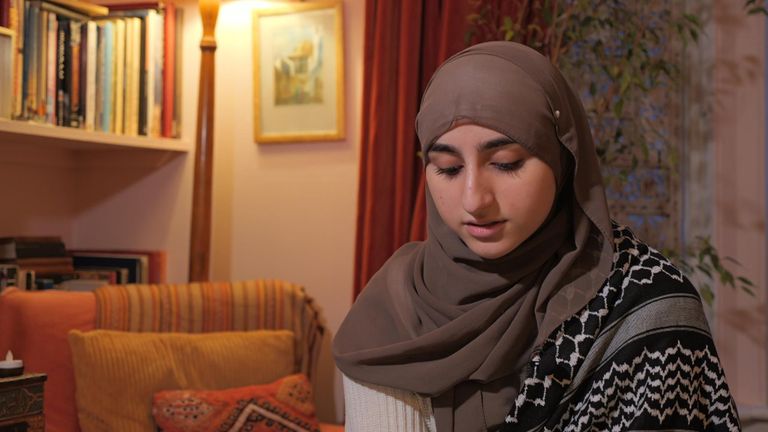
Teuta Hoxha’s sister, Rahma
Rahma, 17, said despite ill health, Teuta calls her from prison every day to help with homework.
“She’s like my mother figure,” she said. “Our mother passed away when I was really young.
“Teuta took care of me and my siblings and made sure to read us bedtime stories. She’s always there for me and even from prison, she’s helping me do my homework and revise for exams.”
“My sister is a caring and loving person,” Rahma added. “It feels like the state has taken a piece of me.”
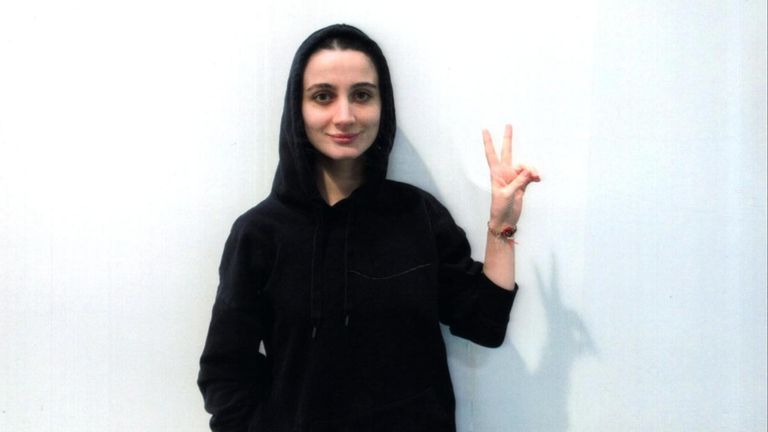
Teuta Hoxha

Teuta Hoxha with her sister Rahma
Teuta is among eight Palestine Action prisoners who have been on hunger strike. They are all on remand, awaiting trial for offences relating to alleged break-ins or criminal damage, with some having been in custody for over 12 months. They all deny the charges.
The hunger strikers demand an end to the UK’s hosting of weapons factories supplying arms to Israel, the de-proscription of Palestine Action, an end to mistreatment of prisoners in custody, and immediate bail.
Read more:
Five Palestine Action hunger strikers taken to hospital
Palestine Action can challenge terror ban after court verdict
Their families warn young British citizens will die in UK prisons having never been convicted on an offence.
UK law sets out custody time limits to safeguard unconvicted defendants by preventing them from being held in pre-trial custody for an excessive period of time. The regulations governing these limits require the prosecution to progress cases to trial diligently and expeditiously.
The government has said it will not intervene in ongoing legal cases.
Minister of state for prisons, probation and reducing reoffending Lord Timpson said: “These prisoners are charged with serious offences including aggravated burglary and criminal damage.
“Remand decisions are for independent judges, and lawyers can make representations to the court on behalf of their clients.
“Ministers will not meet with them – we have a justice system that is based on the separation of powers, and the independent judiciary is the cornerstone of our system. It would be entirely unconstitutional and inappropriate for ministers to intervene in ongoing legal cases.”
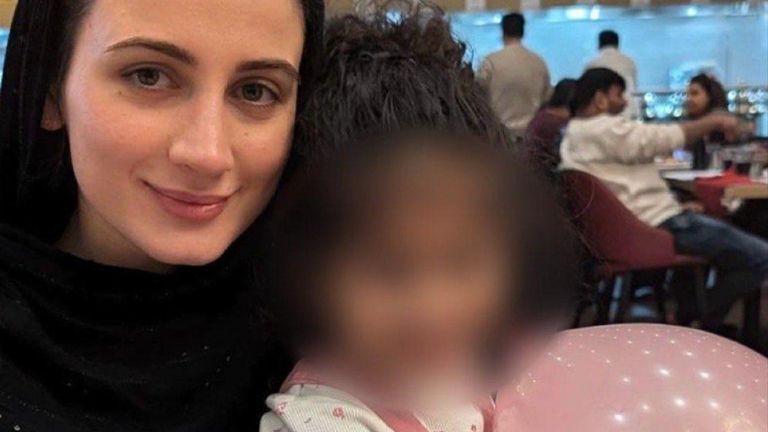
On Monday, Teuta is set to mark her 30th birthday behind bars. There will be no birthday cake, Rahma said.
“The only form of resistance she has is her body and that’s what she is using against the state.”
A spokesperson for HMP Peterborough declined to comment on specific individuals, but said all prisoners are managed in line with government policies and procedures.
They continued: “If any prisoner has specific complaints, we encourage them to raise them directly with the prison, as there are numerous channels available for addressing such concerns.”
Warning: This article contains references to suicide and sexual assault
“We spoke every day… whether it was Facetime, messaging, or calling. I stopped caring about me. I had anxiety and my aim was to help her. I was suicidal for sure, and I did express that to her regularly.”
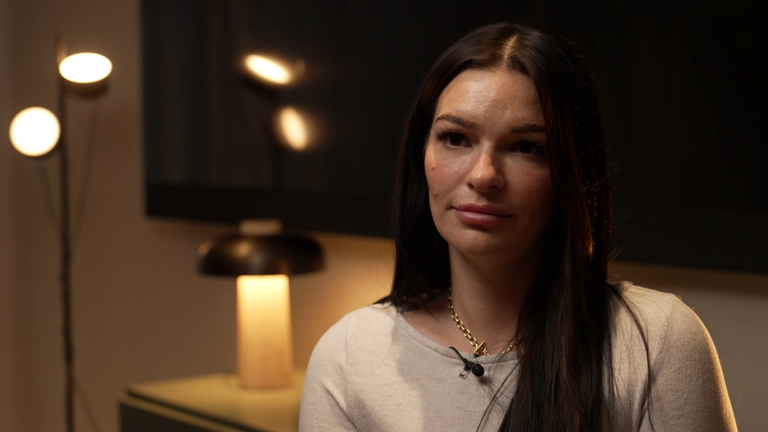
Kira Mitchell, 35, was assigned a therapist by the NHS after a bereavement in her family.
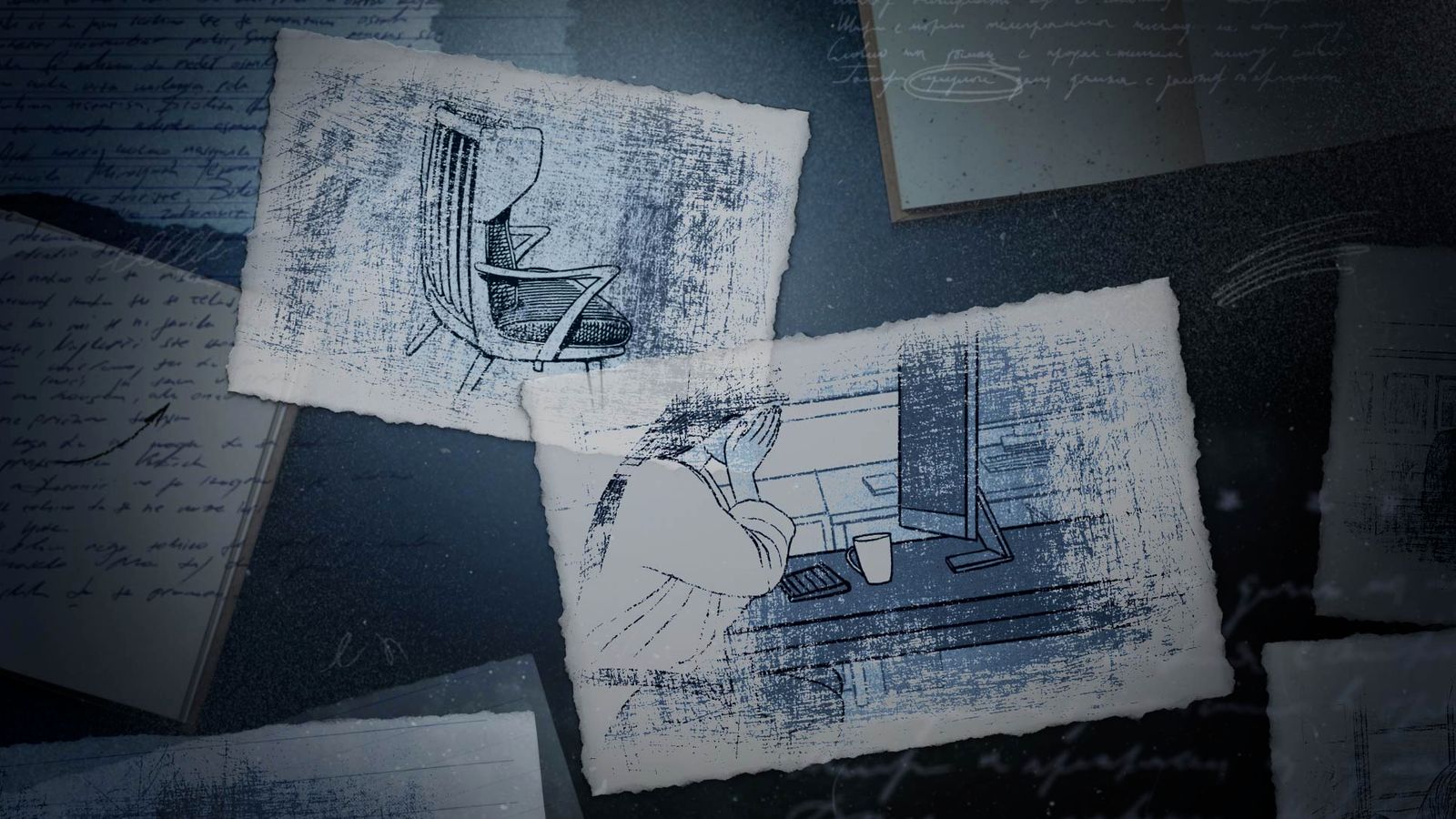
At first, they bonded over shared interests, but it soon became clear that the therapist had blurred professional boundaries.
The therapist, who was meant to be helping her, began divulging personal details, leaving Kira feeling more like the therapist than the patient.
‘I stopped caring about me,’ says Kira
“I felt anxiety around her, I was so concerned about her wellbeing. She had a family issue, someone passed away, and she told me it should have been her.
“That’s really distressing anyway… but it was my therapist who is supposed to be looking after me.”
Kira started to feel that something wasn’t right soon after the therapist started calling her and hanging up. She would later say the calls were accidents.
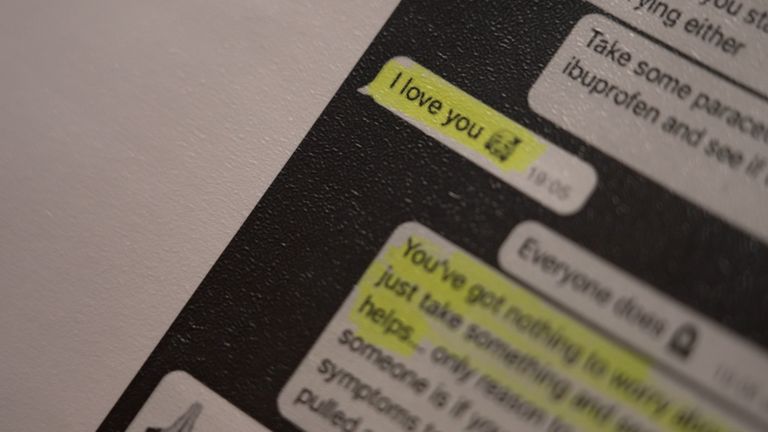
Kira’s therapist would tell her she loved her
“I stopped caring about me,” Kira says. “I had anxiety and my aim was to help her.”
As Kira’s mental health deteriorated, she reported the therapist’s behaviour and she was dismissed.
But that therapist continues to practice privately – there’s nothing stopping her from calling herself a therapist in the UK today.
She remains on a professional register and advertises her services online, without any public record of what happened.
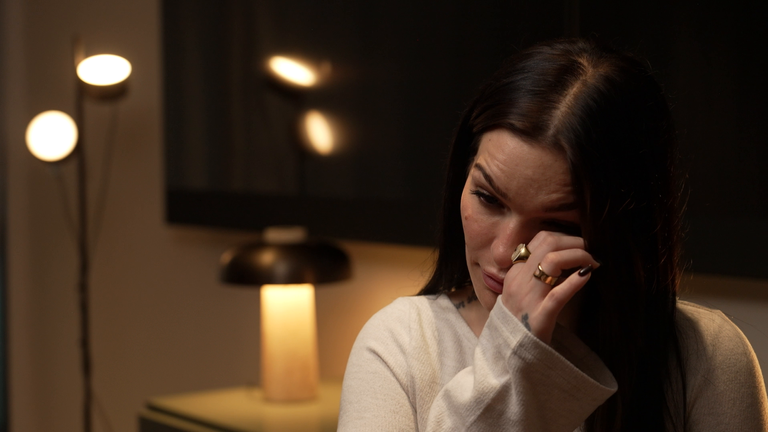
Kira’s therapist was supposed to help – but became overbearing and made her anxious
The legal grey zone
In the UK, anyone can call themself a therapist – as Kira’s story shows.
There is no regulation for counsellors and psychotherapists, while only certain types of psychologists are regulated.
These titles aren’t legally protected, so in practice, anyone can set themselves up as a therapist, without formal training, qualifications, or oversight; even after misconduct.
And not many people know this.
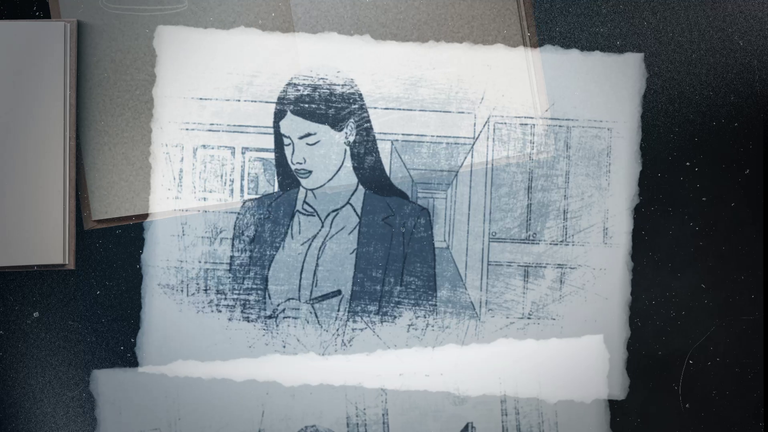
Anyone can call themself a therapist
According to the latest figures from the British Association for Counselling and Psychotherapy (BACP) and YouGov, nearly half (48%) of Britons mistakenly think that therapist is a regulated title like a doctor, midwife or dentist.
Meanwhile, nearly nine in 10 people don’t know that there are no regulations around the title “therapist” in the UK, the BACP/YouGov found.
Since the COVID pandemic, the demand for mental health support has surged, alongside a cultural boom in ‘therapy-speak’ across social media, wellness, and self-help spaces.
There have also been some high-profile cases of people being abused by their therapists.
In 2024, Ella Janneh won a civil case against therapist Michael Lousada, who sexually assaulted her during a therapy session. His defence was that Ms Janneh asked for penile penetration as a “therapeutic technique”.

Ella Janneh was sexually assaulted during therapy
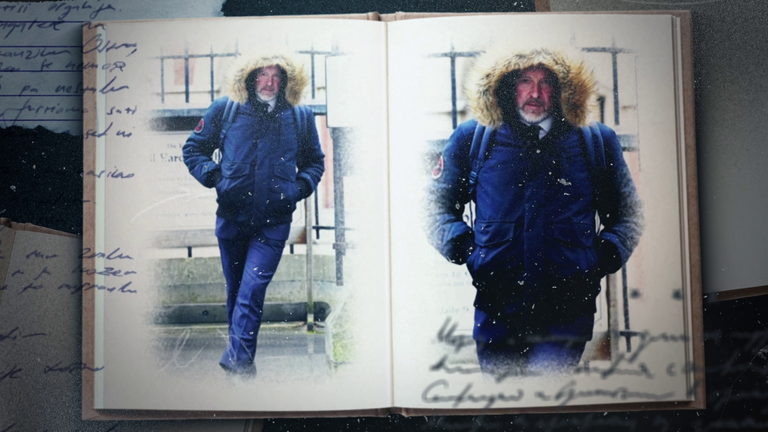
Michael Lousada was ordered to pay £217,000 in damages
Labour MP Dawn Butler, who was present at the civil court case, says the situation is urgent.
“This has to be a regulated industry,” she told me. “It’s such an abuse of power and of someone’s vulnerability, and this needs to be looked into further and the law needs to change.”
Last December, “slapping therapist” Hongchi Xiao was jailed for 10 years after a diabetic woman died following one of his workshops.
While voluntary registers like those maintained by the British Association for Counselling and Psychotherapy and the UK Council for Psychotherapy (UKCP) exist, they are not legally mandated.
This lack of statutory regulation means there is no guarantee of competence or accountability for those using these titles.
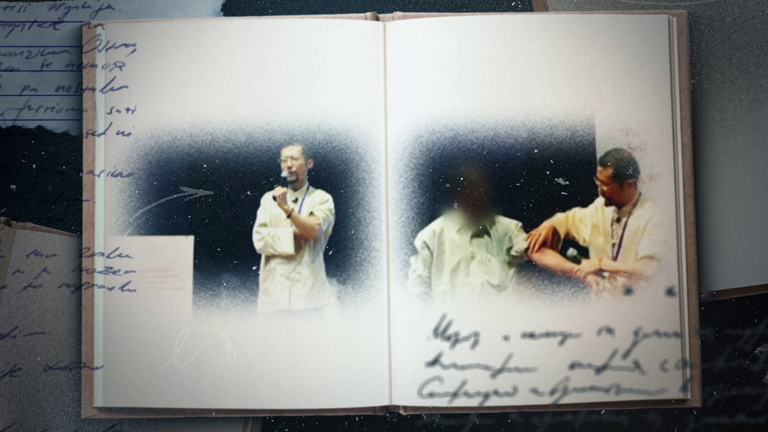
‘Slapping therapist’ Hongchi Xiao was jailed for 10 years
Lib Dem MP Layla Moran, chair of the Health and Social Care Select Committee, told me she fears “more people will die”.
“We’ve seen some tragic cases of this happening,” she said. “It’s simply not good enough. It leaves families bereft, but it also means that good therapists, people who are doing it for the right reasons, are tarnished by this brush.”
Health Secretary Wes Streeting told me that he shares concerns over the lack of regulation.
“I’m always open to looking at this,” he said.
“I think we do need to make sure that people can’t be duped, that people who present themselves as medical professionals, are medical professionals.
“So, I am very happy to get into this space and to look at where the law needs to be tightened up.”
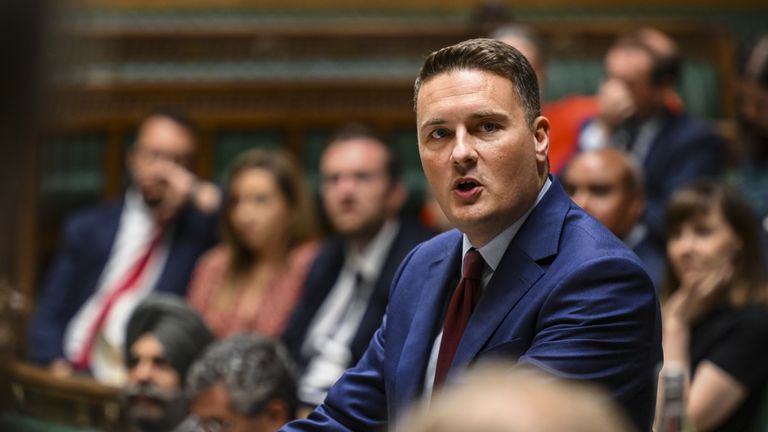
‘We need to make sure that people can’t be duped,’ says the health secretary
Alternative therapy
Demand for therapy is surging – with mental health services in England getting a record 5.2 million referrals during 2024 (up 37.9% from 2019), according to the British Medical Association (BMA).
Services like Better Help and other apps have become like Uber for the mental health world, allowing users to sign up and be matched with the next available licensed board-accredited therapist within days.
But unregulated therapy isn’t a problem for everyone.
Demand for therapy is surging
With no legal protection around who can call themselves a counsellor, psychotherapist, or even psychologist, clients often rely on trust, personal rapport, or reputation rather than verified training or credentials.
This kind of situation is surprisingly common.
According to the same research from the BACP and YouGov, only half of people who have been in therapy say they checked their practitioner’s qualifications at all.
‘Therapist asked me to drive her to Selfridges’
Maryam Meddin is the founder of The Soke, an organisation she started to address the unregulated grey area in the industry.
The issue is something she has personal experience of.
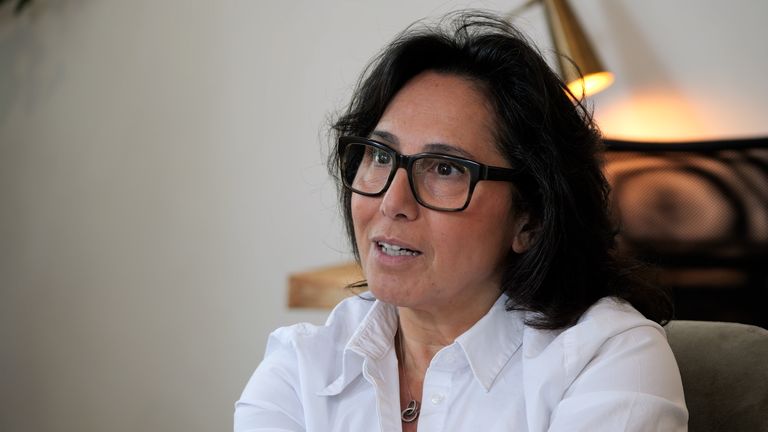
Maryam Meddin started The Soke to address the unregulated grey area in the industry
“I was very interested in finding a therapist and somebody recommended someone to me who was visiting from the States.
“I ended up having a two-hour session with a woman who made herself breakfast while I was there… she divulged some information about the mutual acquaintance, who was also one of her clients, and at the end of the session she asked me to drive her to Selfridges.”
Maryam says that it would be “a step in the right direction” if it was made compulsory – through statutory regulation – for therapists to be accredited to a particular body or organisation.
The UKCP agrees with this and says it would support statutory regulation of the profession.
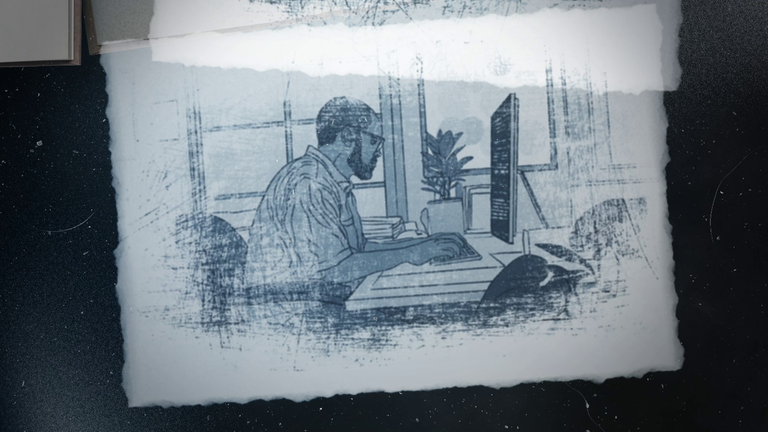
Some online services allow users to be matched with therapists within days
Patients ‘putting huge trust in therapists’
The Professional Standards Authority (PSA), a healthcare regulator, said it is concerned about people accessing unregistered therapists “and the harm that can be caused”.
“Service users are placing a huge amount of trust and confidence in their therapists,” it told Sky News.
Kira’s therapist is still registered with the UKCP, which says it cannot comment on individual cases.
There is an ongoing investigation – Kira’s therapist appealed against the NHS decision, and interim suspension orders from the UKCP are only for extreme cases.
The NHS Trust which assigned Kira’s therapist says it is “unable to comment on individual employment matters” but adds the “safety and wellbeing of our patients is our highest priority”.
A spokesperson added: “The NHS is not responsible for regulating or overseeing private therapy practice and any concerns about a therapist’s conduct in private practice should be raised directly with that organisation or regulator.”
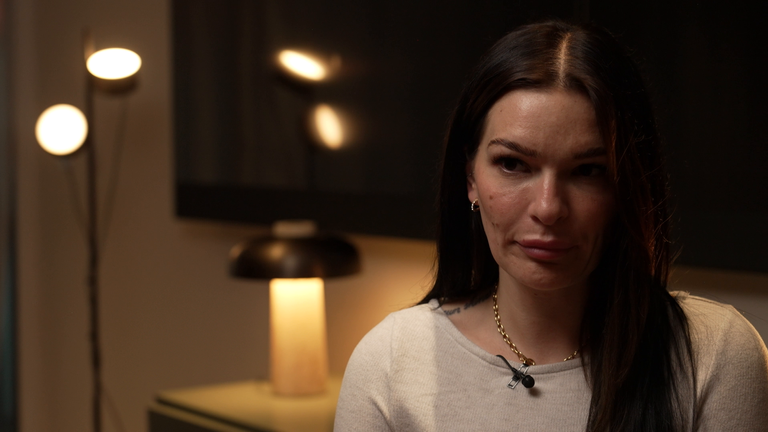
Kira’s therapist still operates and advertises her services online
Meanwhile, the UKCP said: “In the absence of statutory regulation, we urge anyone seeking therapy to choose a practitioner listed on a PSA-accredited register, such as UKCP’s.
“These registers are independently assured, set high standards for training and ethics and include clear systems for accountability and redress if something goes wrong.”
Placing trust in ethics and transparency
The word therapy has a lot of weight to it, and it’s used everywhere.
It’s become less taboo to hear people talking about their mental health and for millions of people around the UK it’s an important part of their lives.
The UK hasn’t seriously considered regulating the profession since 2010, when discussions that were previously held under the Labour government stalled when the Conservative/LibDem coalition took power.
Years later, the landscape has transformed: therapy has become an online talking point popularised by Instagram infographics, trauma-language TikToks and self-diagnosis trends.

There is no regulation for counsellors and psychotherapists, while only certain types of psychologists are regulated
The quality of care often depends not on rules or oversight, but on the ethics and transparency of individual practitioners.
Some therapists maintain rigorous standards regardless of accreditation; others operate with minimal training, no supervision, and no route for accountability if something goes wrong.
The public, meanwhile, is largely unaware of the difference.
Anyone feeling emotionally distressed or suicidal can call Samaritans for help on 116 123 or email jo@samaritans.org in the UK. In the US, call the Samaritans branch in your area or 1 (800) 273-TALK
-
 Sports2 years ago
Story injured on diving stop, exits Red Sox game
-
 Sports3 years ago
‘Storybook stuff’: Inside the night Bryce Harper sent the Phillies to the World Series
-
 Sports2 years ago
Game 1 of WS least-watched in recorded history
-
 Sports3 years ago
Button battles heat exhaustion in NASCAR debut
-
 Sports3 years ago
MLB Rank 2023: Ranking baseball’s top 100 players
-
Sports4 years ago
Team Europe easily wins 4th straight Laver Cup
-
 Environment3 years ago
Japan and South Korea have a lot at stake in a free and open South China Sea
-
 Environment1 year ago
Here are the best electric bikes you can buy at every price level in October 2024