
Significant shift as Starmer says Ukraine must be in ‘strongest possible position for negotiations’

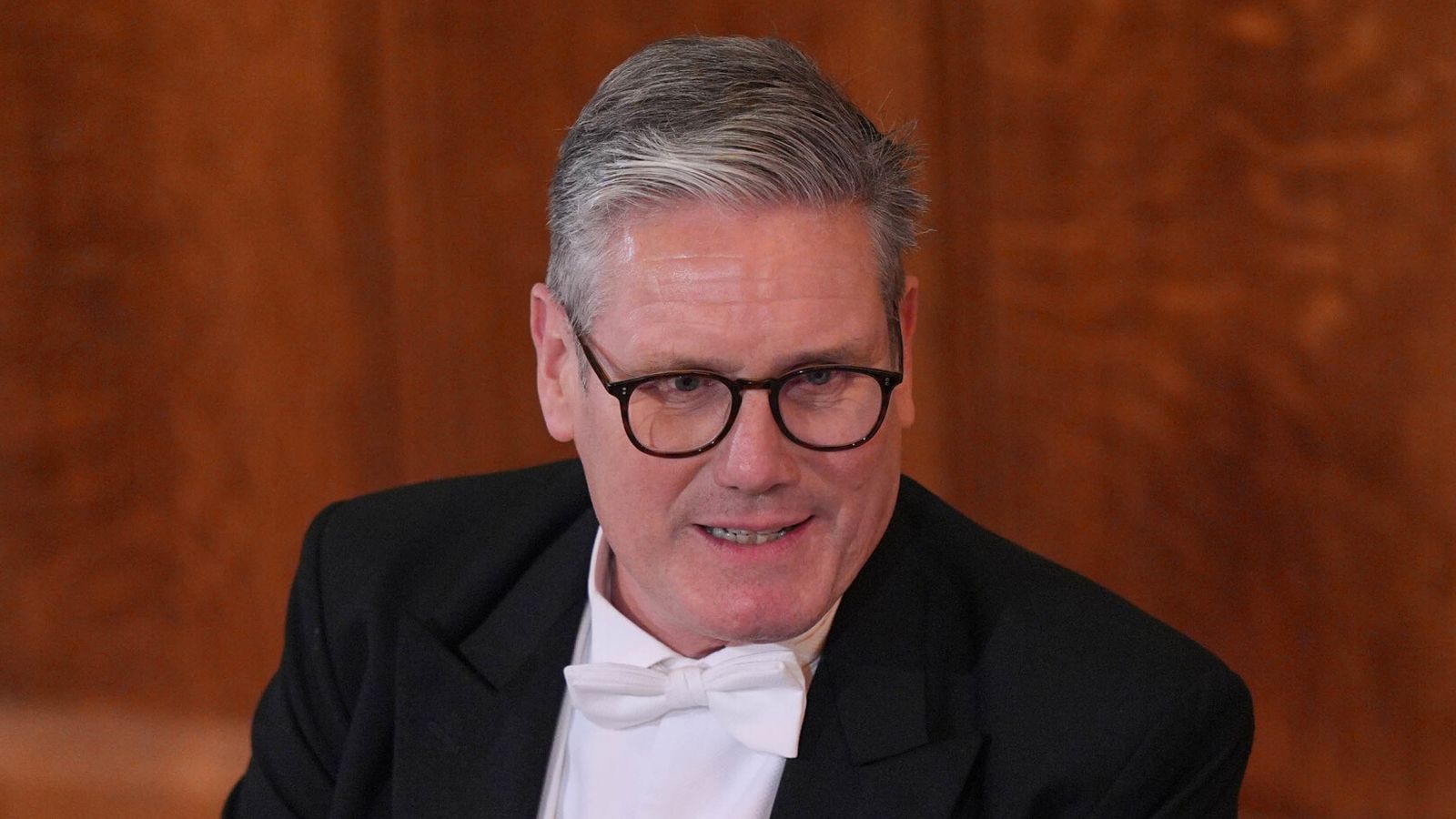
Sir Keir Starmer has for the first time said it was British policy to “put Ukraine in the strongest possible position for negotiations”.
During a speech at the Lord Mayor’s Banquet in London on Monday, the prime minister said he wants Ukraine to be in a position of strength “so they can secure a just and lasting peace on their terms that guarantees their security, independence – and right to choose their own future”.
But make no mistake. This is a significant shift.
Only last month, both Sir Keir and French President Emmanuel Macron were promising to “support Ukraine unwaveringly and for as long as necessary to thwart Russia’s war of aggression”.
War latest: Things ‘look bad’ for Ukraine, key figure admits
In the summer, his predecessor Rishi Sunak stated British policy on Ukraine was based on the principle that “aggression cannot and will not prevail” while also talking of a just and lasting peace “based on international law and the UN charter”.
If negotiations happen and settle on some kind of compromise, as they always do, Russian aggression will have prevailed to some extent at least.
If Russia, as many seem to expect, walks away with de facto control of at least part of the chunk of Ukraine it has taken by force and wins a commitment Ukraine will not join NATO for the foreseeable future, Vladimir Putin will have been vindicated, at least in part.
His decision to wield naked unprovoked brutal aggression against a neighbour will have achieved some of its ends.
That Western leaders are now talking about negotiations between Ukraine and Russia will, say critics, be a sign of their abject failure to “thwart Russian aggression”.
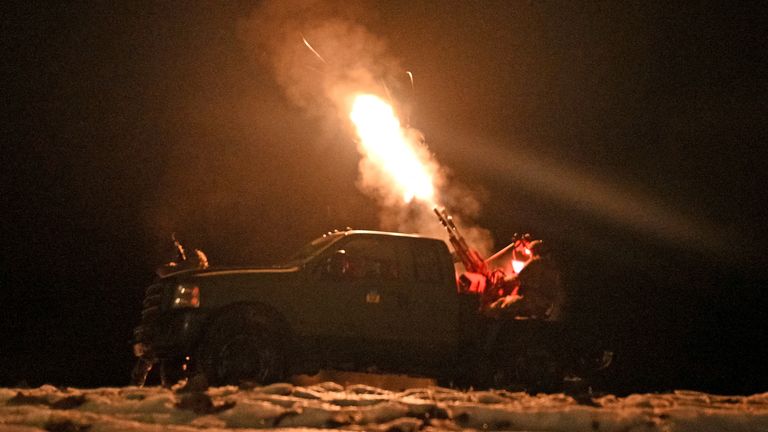
A Ukrainian serviceman fires an anti-aircraft cannon during combat in the Chernihiv region
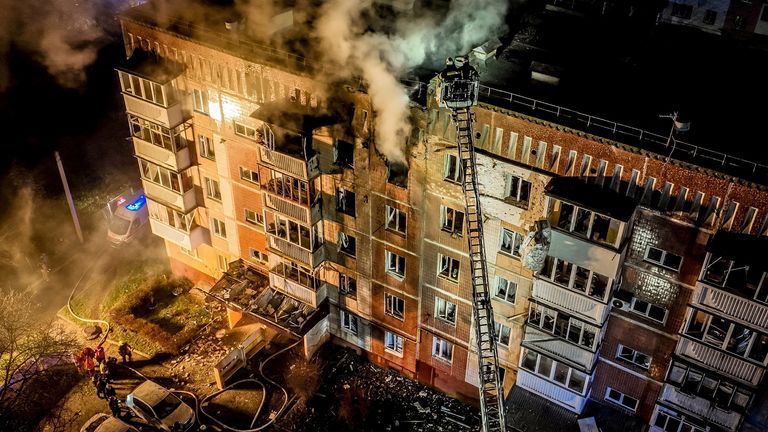
An apartment building hit by a Russian drone strike in Ternopil. Pics: Reuters
Read more from Sky News:
Wallace comment left me crying, ex-MasterChef contestant says
World-first technique means paralysed patients can walk again
Freezing temperatures as low as -10C forecast in UK
The West failed to deter Russia from invading Ukraine, hoping the threat of “swift punitive” financial sanctions would suffice.
Then it failed to act with sufficient urgency and unity to help Ukraine repel that invasion.
Western leaders seem ready to accept inevitability of negotiations
Russia may be reaching the limit of its ability to support a war it is undoubtedly winning, drafting in North Korean and Yemeni troops to avoid an unpopular second mobilisation of Russians. And with inflation soaring the Russian economy is creaking.
But US President-elect Donald Trump seems determined to press on and expedite negotiations and other leaders, including Ukraine’s own and now Britain’s, seem ready to accept their inevitability.
Sir Keir gave the impression negotiations were around the corner. That could be jumping the gun. We have no idea when they will start, if they do.
For some, Sir Keir’s words will be overhasty.
Many would prefer Europe to hold the line even if the US is about to walk away from giving Ukraine the military support it has relied on for two years.
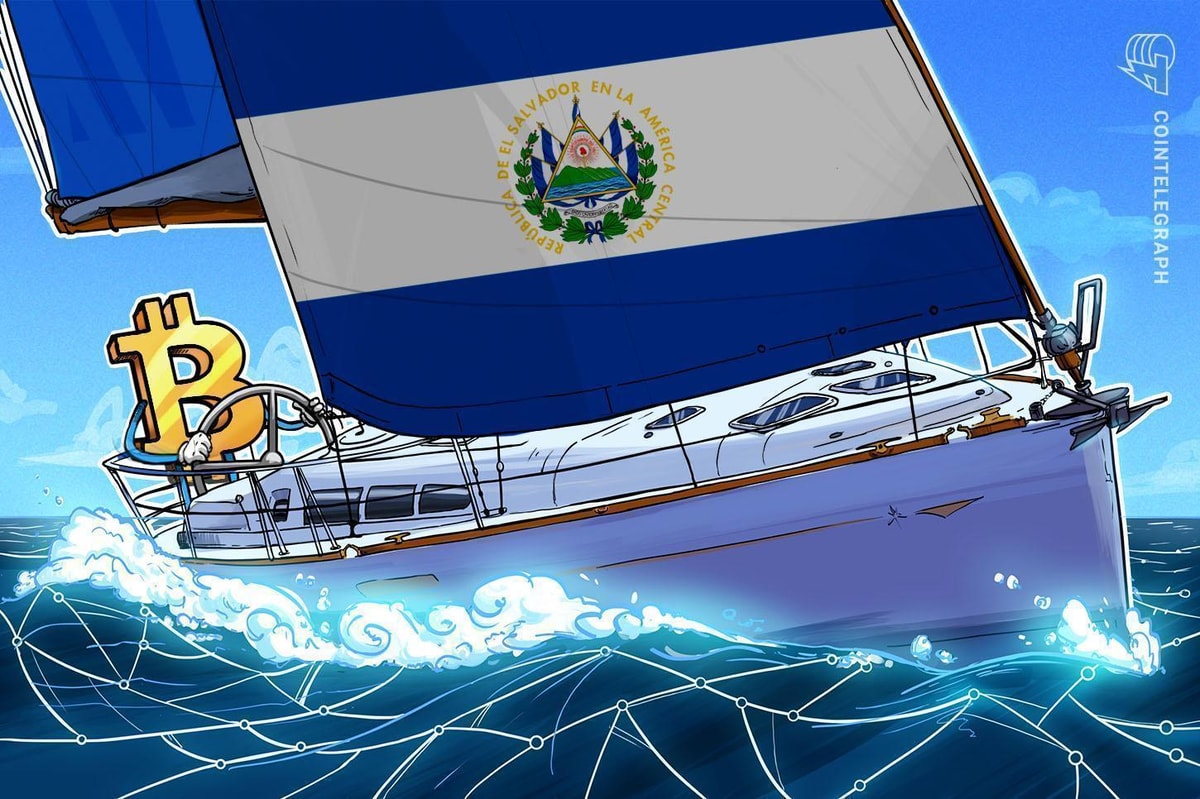

The International Monetary Fund’s mission chief for El Salvador issued a statement confirming that government authorities were proceeding with negotiations for the sale of the country’s Chivo Bitcoin wallet.
In a Monday statement, the IMF said El Salvador’s government was continuing to discuss its Bitcoin (BTC) project with the fund’s officials, and “negotiations for the sale of the government e-wallet Chivo are well advanced.” The announcement signaled that the government may be preparing to sell some or all of its crypto holdings in the Chivo wallet.
The statement followed a May deal with El Salvador in which the IMF would pay $120 million as part of a 2024 loan agreement for $1.4 billion. As part of the deal, the government would stop acquiring Bitcoin.
It’s unclear whether El Salvador is abiding by the terms of the deal. Though the IMF reported in July that the country’s government had not purchased any BTC since December 2024, El Salvador’s Bitcoin Office continues to announce crypto buys, including 1,090 Bitcoin worth about $100 million in November.
Related: CFTC changes guard as Selig takes reins, Pham departs
According to the terms of the IMF-El Salvador deal made public, the government would make public sector engagement of BTC-related economic activity “confined,” the private sector’s acceptance of Bitcoin would be voluntary, and it would wind down involvement in the Chivo wallet. Cointelegraph reached out to the IMF for comment but had not received a response at the time of publication.
El Salvador recognized Bitcoin as legal tender in 2021 and began acquiring the cryptocurrency as part of a strategy largely pushed by President Nayib Bukele. According to data provided by the country’s Bitcoin Office, the government held 7,509 Bitcoin as of Monday, worth about $659 million at the time of publication.
‘It’s not stopping,’ says Bukele on Bitcoin buys
Despite the reported deal between the IMF and El Salvador, Bukele said in March that the government would continue its Bitcoin investment strategy, purchasing at least one BTC daily. It’s unclear how the president’s statement could affect the IMF agreement.
Magazine: When privacy and AML laws conflict: Crypto projects’ impossible choice
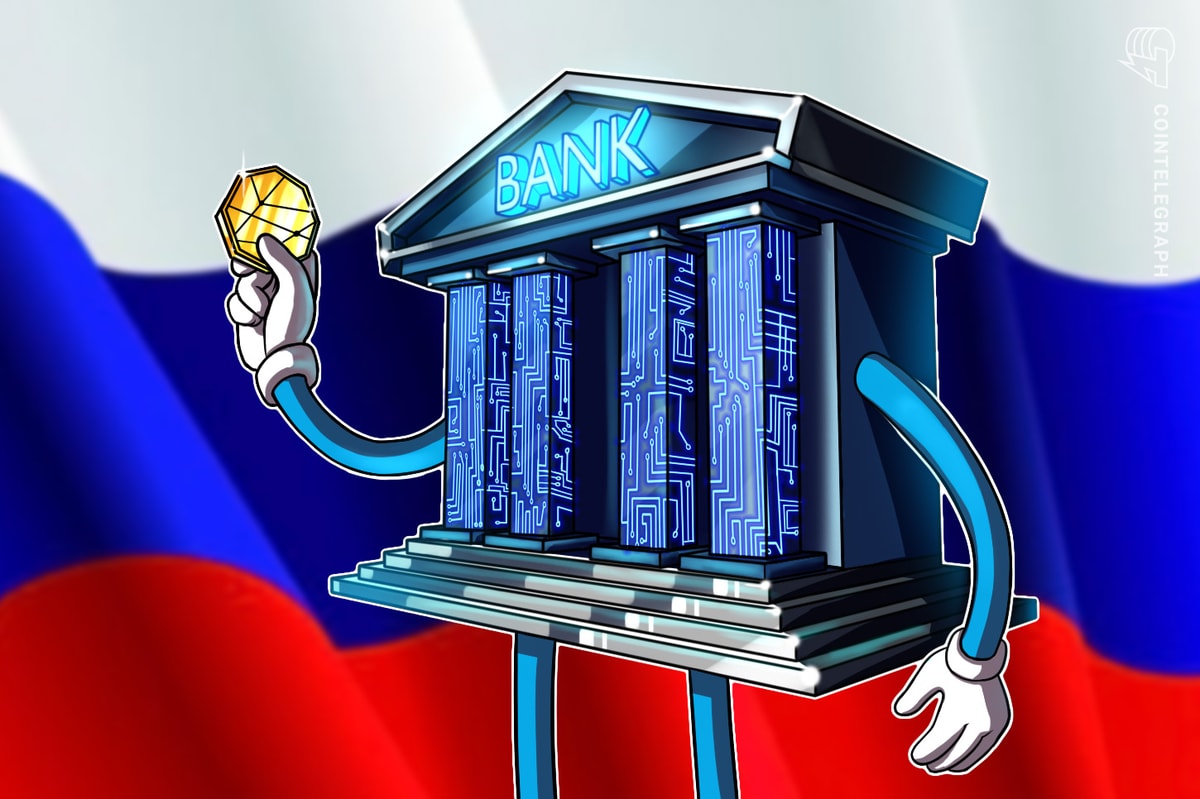

The Bank of Russia put forward a policy proposal that would allow non-qualified investors to buy certain cryptocurrencies.
According to a Tuesday announcement, the central bank’s proposal would allow both qualified and non-qualified investors to buy most crypto, but with limitations.
Non-qualified investors would be limited to a yet-to-be-defined set of liquid crypto after passing a knowledge test, capped at 300,000 rubles ($3,834) a year. Qualified investors would gain broad market access excluding privacy coins, also subject to a knowledge test.
Russian residents will also be able to acquire crypto on foreign platforms, pay with foreign accounts, and transfer the resulting assets through Russian intermediaries. In such cases, they will be required to notify the tax service of those transactions.
Related: Belarus blocks Bybit, Bitget, OKX as Russia clamps down on crypto gray area
An anticipated change, broader than expected
The report follows a recent statement from the central bank’s first deputy governor, Vladimir Chistyukhin, who recently said that Russia was considering easing crypto rules.
He hinted at the potential removal of the requirement to meet the “super-qualified investor” criteria for buying and selling crypto with actual delivery.
The “super-qualified investor” category was introduced in late April, when Russia’s finance ministry and central bank launched a crypto exchange. This classification is defined by wealth and income thresholds of over 100 million rubles ($1.3 million) or an annual income of at least 50 million rubles.
Related: Here’s why Russia ranks highest in Europe for crypto adoption: Chainalysis
Open to, but not endorsing
The central bank said that it “continues to consider cryptocurrencies a high-risk instrument.”
The announcement also reiterates that — while stablecoins and cryptocurrencies are recognized as monetary assets that can be bought and sold — they cannot be used for domestic payments.
This follows the State Duma — Russia’s legislative body — passing a law in June 2020 that bans the use of cryptocurrencies as a payment method.
Under the proposal, crypto transactions will be available through exchanges, brokers and trustees operating through their existing licenses. Specialized depositories and exchanges that work with cryptocurrencies will be subject to separate requirements.
-
 Sports2 years ago
Story injured on diving stop, exits Red Sox game
-
 Sports3 years ago
‘Storybook stuff’: Inside the night Bryce Harper sent the Phillies to the World Series
-
 Sports2 years ago
Game 1 of WS least-watched in recorded history
-
 Sports3 years ago
Button battles heat exhaustion in NASCAR debut
-
 Sports3 years ago
MLB Rank 2023: Ranking baseball’s top 100 players
-
Sports4 years ago
Team Europe easily wins 4th straight Laver Cup
-
 Environment3 years ago
Japan and South Korea have a lot at stake in a free and open South China Sea
-
 Environment1 year ago
Here are the best electric bikes you can buy at every price level in October 2024