

Will the new Trump tariffs on China increase electric bike prices?

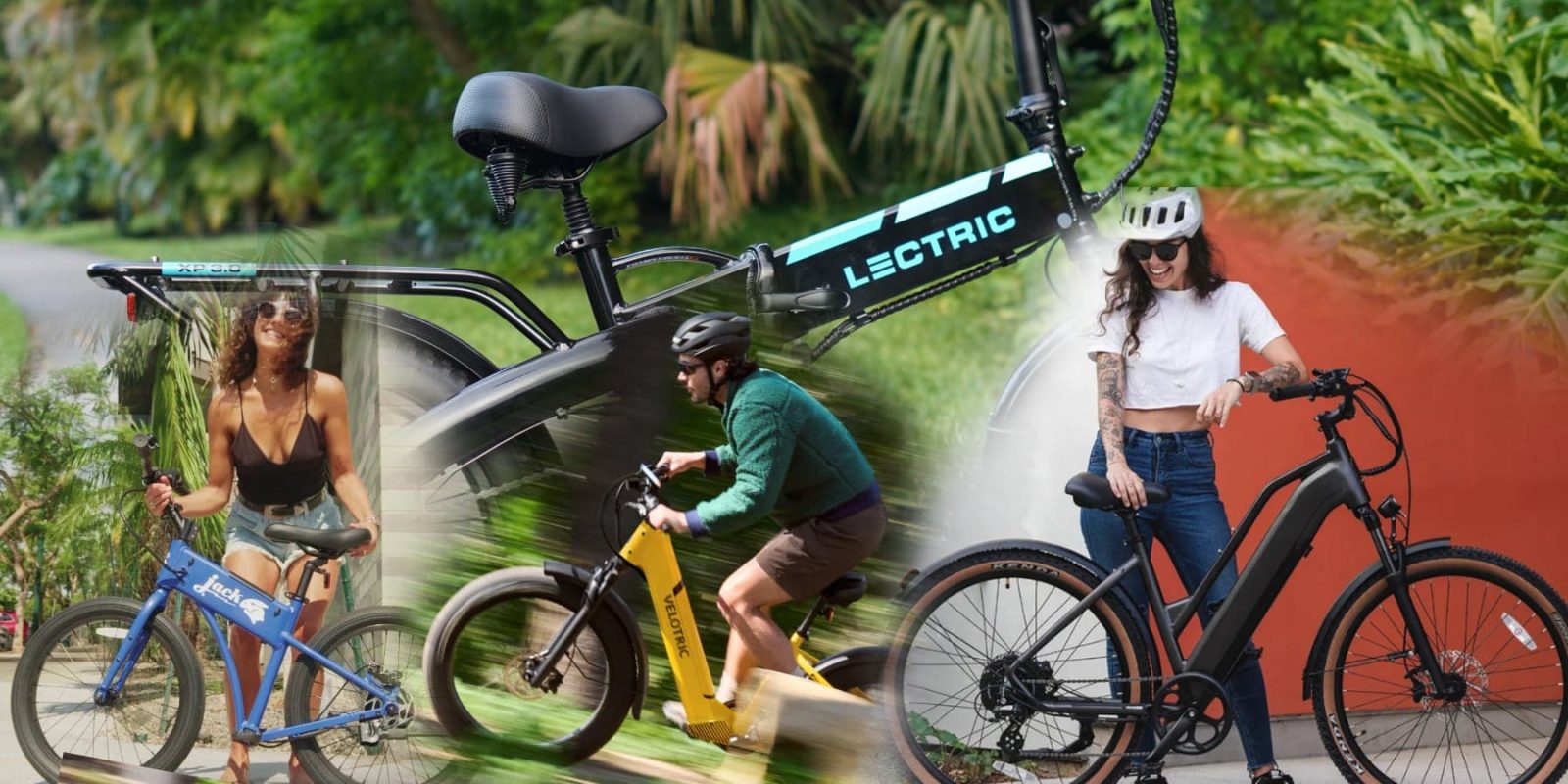
With the flick of a Sharpie marker, new tariffs on goods imported from Canada, Mexico, and China were imposed this morning and will take effect next week on February 4, 2025. According to President Trump, the tariffs are intended “to protect Americans”, though nearly all economists agree that they will result in higher prices for consumer goods and increased inflation, devaluing the US dollar.
The Trump Administration’s new 25% tariffs on goods from Canada and Mexico are larger than the 10% additional tariffs on Chinese goods, but the latter will have the biggest impact on the electric bicycle industry in the US.
Electric bicycles have grown in popularity among Americans over the last decade, offering an accessible and affordable alternative to cars and public transportation. They’ve also proven popular among recreational riders and those seeking the fun of fitness on an e-bike, which can be more enjoyable and last longer than leg-powered rides alone.
But now the US electric bike industry is bracing for potential price increases following President Trump’s new executive order imposing a 10% tariff on US imports from China. With the majority of electric bicycles and their components manufactured in China, the tariff is expected to impact both retailers and consumers, adding further strain to an industry still facing the cascading challenges of supply chain frustrations followed by overstock issues.
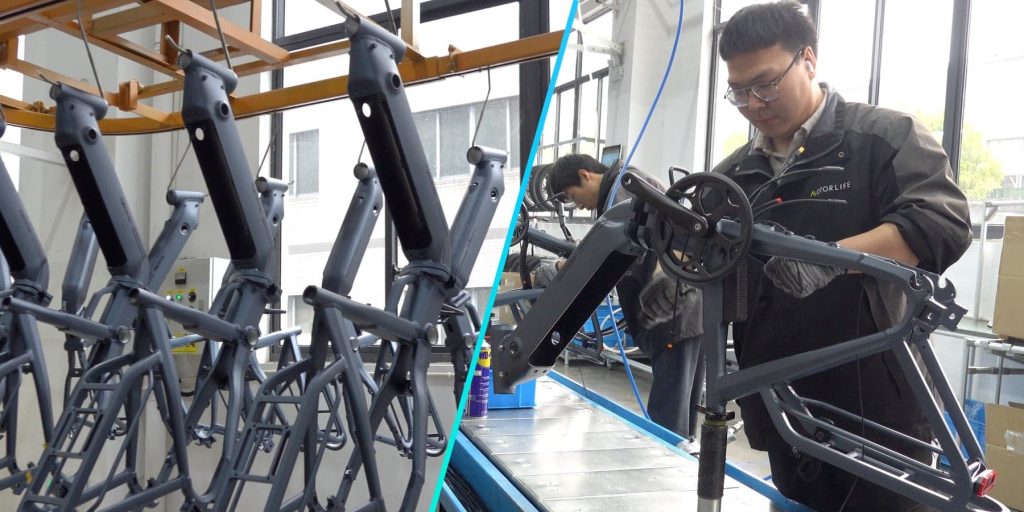
China dominates global e-bike production, supplying a significant portion of the US market with both complete electric bicycles and key components like motors, batteries, and controllers.
Industry estimates suggest that over 90% of e-bikes sold in the US are either fully assembled in China or contain Chinese-made parts, making them particularly vulnerable to new trade restrictions.
With an additional 10% import tariff coming into effect soon, US e-bike brands will either need to absorb the extra cost or pass it on to consumers, potentially leading to price increases across many popular models.
Make no mistake – these tariffs are not paid by Chinese exporters of electric bikes, but rather by the American companies that import them. That directly increases the cost of goods for US e-bike retailers, which usually results in increased prices.
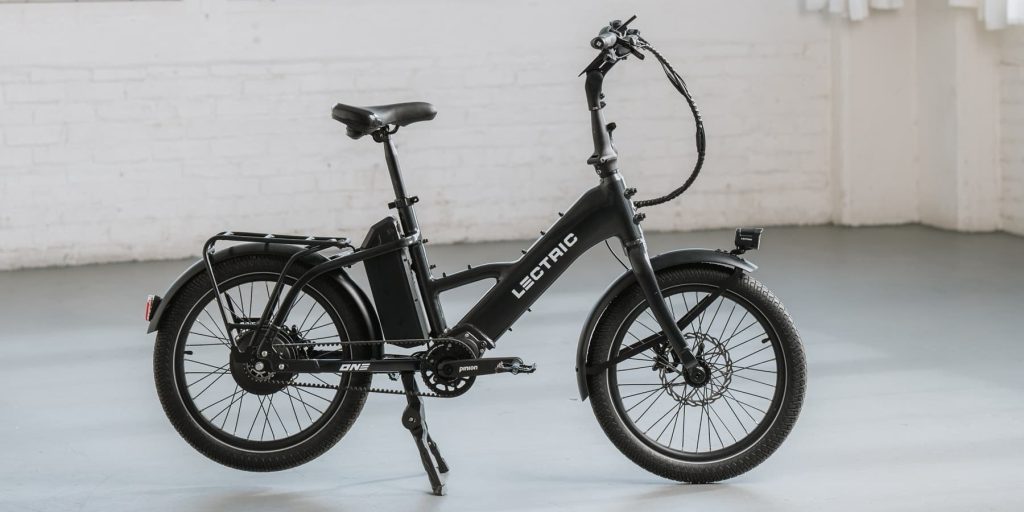
Tariffs placed on Chinese goods, including electric bikes, are not a new phenomenon. The US e-bike industry has been navigating these tariffs since Trump’s first presidency, with those tariffs largely continuining throughout the Biden Administration from 2021 to 2025 as well, despite periods of tariff exemptions coming and going.
In the past few years, we’ve seen cases of the additional cost being passed on to consumers, but on rare occasions, we’ve also seen e-bike companies opt to absorb the increased cost and avoid raising prices.
With so much experience navigating the choppy waters of China tariffs over the last few years, many US e-bike companies have taken steps to mitigate the impact of new rounds of tariffs like these. Several major brands have been working to diversify their supply chains, moving production to other countries such as Taiwan, Cambodia, Vietnam, and other areas with favorable economic conditions or incentives.
However, shifting away from China is neither quick nor easy, as the country remains a dominant producer with established manufacturing infrastructure. E-bike importers will likely also consider applying for tariff exemptions, as was the case under previous trade restrictions. However, this is a complex and uncertain process, with no guarantees of whether or how long such exemptions could be granted.
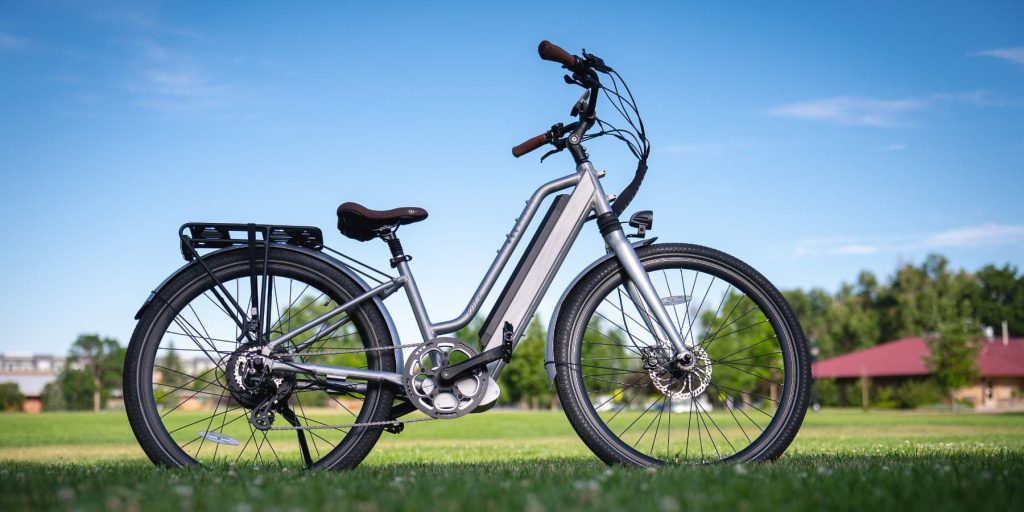
The US has seen rapid growth in e-bike adoption, with many cities and states launching incentive programs to encourage e-bike use as a sustainable transportation alternative. Price increases caused by tariffs could slow adoption, particularly among budget-conscious consumers who rely on e-bikes as an affordable commuting solution.
As the new tariffs take effect, manufacturers, retailers, and consumers will surely be watching closely to see how the industry responds. Some companies may adjust pricing strategies, shift production, or lobby for relief, while consumers may face difficult choices between absorbing higher costs or delaying purchases.
The long-term impact of these tariffs remains uncertain, but for now, one thing is clear: some e-bikes in the US are about to get more expensive.
FTC: We use income earning auto affiliate links. More.

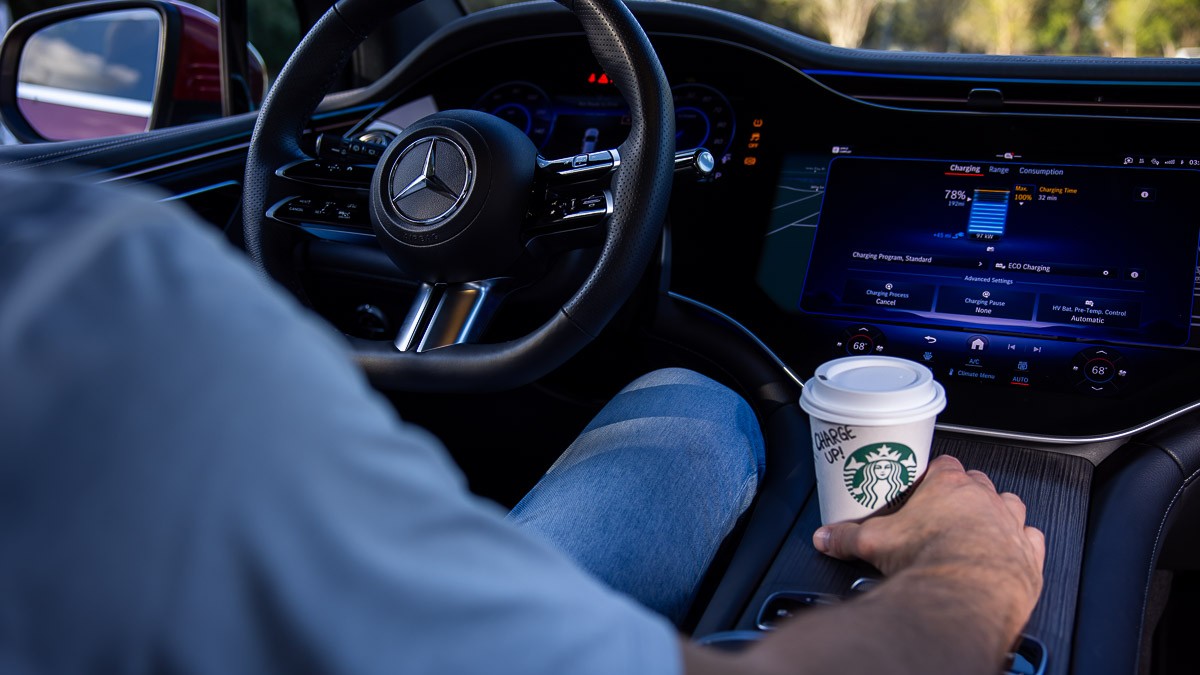
Mercedes-Benz High-Power Charging and Starbucks have officially opened their first DC fast charging hub together, off the I-5 in Red Bluff, California.
The 400 kW Mercedes-Benz chargers are capable of adding up to 300 miles in 10 minutes, depending on the EV, and every stall has both NACS and CCS cables – they’re fully open DC fast chargers.
Mercedes-Benz HPC North America, a joint venture between subsidiaries of Mercedes-Benz Group and renewable energy producer MN8 Energy, first announced in July 2024 that it would install DC fast chargers at Starbucks stores along Interstate 5, the main 1,400-mile north-south interstate highway on the US West Coast from Canada to Mexico. Ultimately, Mercedes plans to install fast chargers at 100 Starbucks stores across the US.
Mercedes-Benz HPC opened its first North American charging site at Mercedes-Benz USA’s headquarters in Sandy Springs, Georgia, in November 2023 as part of an initial $1 billion charging network investment. As of the end of 2024, Mercedes had deployed over 150 operational fast chargers in the US, but it hasn’t disclosed an official number of how many chargers are currently online.
Andrew Cornelia, CEO of Mercedes-Benz HPC North America, is leaving the company at the end of the month to become global head of electrification & sustainability at Uber.
Read more: Mercedes-Benz is deploying 400 kW US-made EV fast chargers with CCS and NACS cables

If you’re looking to replace your old HVAC equipment, it’s always a good idea to get quotes from a few installers. To make sure you’re finding a trusted, reliable HVAC installer near you that offers competitive pricing on heat pumps, check out EnergySage. EnergySage is a free service that makes it easy for you to get a heat pump. They have pre-vetted heat pump installers competing for your business, ensuring you get high quality solutions. Plus, it’s free to use!
Your personalized heat pump quotes are easy to compare online and you’ll get access to unbiased Energy Advisors to help you every step of the way. Get started here. – *ad


FTC: We use income earning auto affiliate links. More.

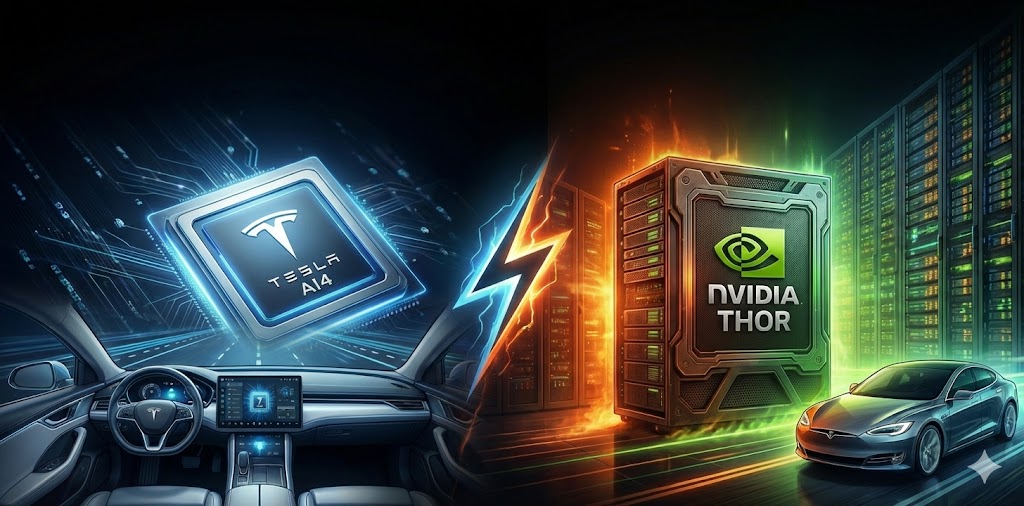
The race for autonomous driving has three fronts: software, hardware, and regulatory. For years, we’ve watched Tesla try to brute-force its way to “Full Self-Driving (FSD)” with its own custom hardware, while the rest of the automotive industry is increasingly lining up behind NVIDIA.
Now that we know Tesla’s new AI5 chip is delayed and won’t be in vehicles until 2027, it’s worth comparing the two most dominant “self-driving” chips today: Tesla’s latest Hardware 4 (AI4) and NVIDIA’s Drive Thor.
Here’s a table comparing the two chips with the best possible specs I could find. greentheonly’s teardown was particularly useful. If you find things you think are not accurate, please don’t hesitate to reach out:
| Feature / Specification | Tesla AI4 (Hardware 4.0) | NVIDIA Drive Thor (AGX / Jetson) |
|---|---|---|
| Developer / Architect | Tesla (in-house) | NVIDIA |
| Manufacturing Process | Samsung 7nm (7LPP class) | TSMC 4N (custom 5nm class) |
| Release Status | In production (shipping since 2023) | In production since 2025 |
| CPU Architecture | ARM Cortex-A72 (legacy) | ARM Neoverse V3AE (server-grade) |
| CPU Core Count | 20 cores (5× clusters of 4 cores) | 14 cores (Jetson T5000 configuration) |
| AI Performance (INT8) | ~100–150 TOPS (dual-SoC system) | 1,000 TOPS (per chip) |
| AI Performance (FP4) | Not supported / not disclosed | 2,000 TFLOPS (per chip) |
| Neural Processing Unit | 3× custom NPU cores per SoC | Blackwell Tensor Cores + Transformer Engine |
| Memory Type | GDDR6 | LPDDR5X |
| Memory Bus Width | 256-bit | 256-bit |
| Memory Bandwidth | ~384 GB/s | ~273 GB/s |
| Memory Capacity | ~16 GB typical system | Up to 128 GB (Jetson Thor) |
| Power Consumption | Est. 80–100 W (system) | 40 W – 130 W (configurable) |
| Camera Support | 5 MP proprietary Tesla cameras | Scalable, supports 8MP+ and GMSL3 |
| Special Features | Dual-SoC redundancy on one board | Native Transformer Engine, NVLink-C2C |
The most striking difference right off the bat is the manufacturing process. NVIDIA is throwing everything at Drive Thor, using TSMC’s cutting-edge 4N process (a custom 5nm-class node). This allows them to pack in the new Blackwell architecture, which is essentially the same tech powering the world’s most advanced AI data centers.
Tesla, on the other hand, pulled a move that might surprise spec-sheet warriors. Teardowns confirm that AI4 is built on Samsung’s 7nm process. This is mature, reliable, and much cheaper than TSMC’s bleeding-edge nodes.
When you look at the compute power, NVIDIA claims a staggering 2,000 TFLOPS for Thor. But there’s a catch. That number uses FP4 (4-bit floating point) precision, a new format designed specifically for the Transformer models used in generative AI.
Tesla’s AI4 is estimated to hit around 100-150 TOPS (INT8) across its dual-SoC redundant system. On paper, it looks like a slaughter, but Tesla made a very specific engineering trade-off that tells us exactly what was bottling up their software: memory bandwidth.
Tesla switched from LPDDR4 in HW3 to GDDR6 in HW4, the same power-hungry memory you find in gaming graphics cards (GPUs). This gives AI4 a massive memory bandwidth of approximately 384 GB/s, compared to Thor’s 273 GB/s (on the single-chip Jetson config) using LPDDR5X.
This suggests Tesla’s vision-only approach, which ingests massive amounts of raw video from high-res cameras, was starving for data.
Based on Elon Musk’s comments that Tesla’s AI5 chip will have 5x the memory bandwidth, it sounds like it might still be Tesla’s bottleneck.
Here is where Tesla’s cost-cutting really shows. AI4 is still running on ARM Cortex-A72 cores, an architecture that is nearly a decade old. They bumped the core count to 20, but it’s still old tech.
NVIDIA Thor, meanwhile, uses the ARM Neoverse V3AE, a server-grade CPU explicitly designed for the modern software-defined vehicle. This allows Thor to run not just the autonomous driving stack, but the entire infotainment system, dashboard, and potentially even an in-car AI assistant, all on one chip.
Thor has found many takers, especially among Tesla EV competitors such as BYD, Zeekr, Lucid, Xiaomi, and many more.
Electrek’s Take
There’s one thing that is not in there: price. I would assume that Tesla wins on that front, and that’s a big part of the project. Tesla developed a chip that didn’t exist, and that it needed.
It was an impressive feat, but it doesn’t make Tesla an incredible leader in silicon for self-driving.
Tesla is maxing out AI4. It now uses both chips, making it less likely to achieve the redundancy levels you need to deliver level 4-5 autonomy.
Meanwhile, we don’t have a solution for HW3 yet and AI5 is apparently not coming to save the day until 2027.
By then, there will likely be millions of vehicles on the road with NVIDIA Thor processors.
FTC: We use income earning auto affiliate links. More.
Environment
Velotric e-bikes get up to $750 increased Black Friday savings with new lows + extra battery bundles from $999, EcoFlow, more

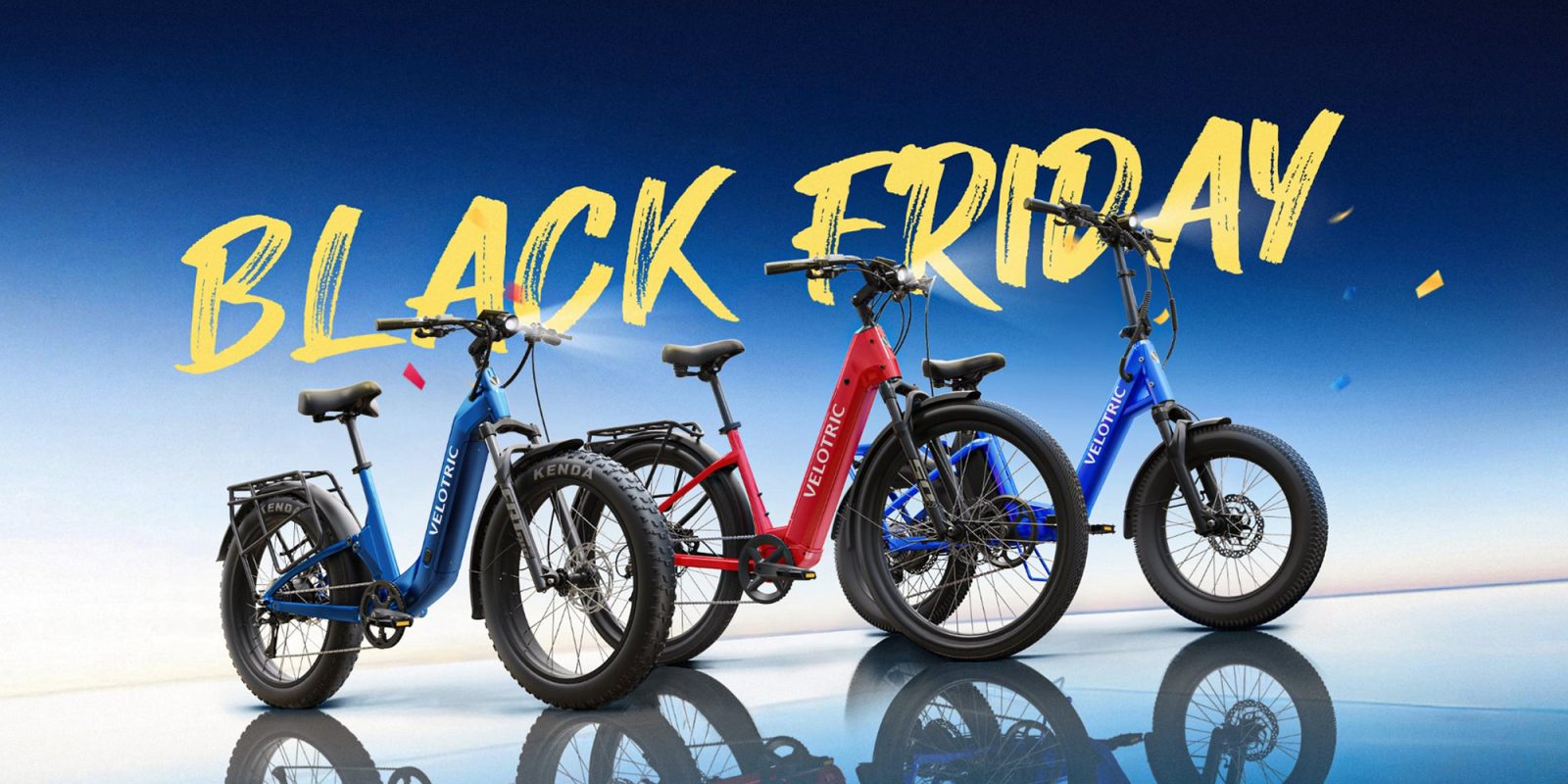
Taking the lead in today’s Green Deals is Velotric’s Black Friday Sale that has switched into a higher gear with increased savings and expanded FREE bundle sizes for a limited-time window, offering plenty of returning and new low prices. One notable standout is Velotric’s T1 ST Plus Lightweight Urban e-bike getting a FREE range extender battery ($400 value) at $1,299, among many others. Behind that, we have EcoFlow’s latest 24-hour Black Friday flash sale that is giving us some new low prices on various units, like the DELTA 2 Max hitting a new $799 low or a DELTA 3 Ultra solar home backup bundle, and others. There’s also Lectric’s XPeak 2.0 e-bike bundles that are close to selling out, holiday savings roundups on Worx and Husqvarna tools, and much more waiting for you below. And don’t forget about the hangover deals that are collected together at the bottom of the page, like yesterday’s Anker SOLIX 4-day Black Friday flash sale with new lows or the brand’s PowerCore Reserve at $80, and more.
Head below for other New Green Deals we’ve found today and, of course, Electrek’s best EV buying and leasing deals. Also, check out the new Electrek Tesla Shop for the best deals on Tesla accessories.
Velotric’s Black Friday Sale switches gears with up to $750 increased savings and new lows starting from $999
Velotric has switched its Black Friday Sale into a higher gear with increased savings, new low prices, and expanded bundle packages on its e-bike lineup for a short-term window through Cyber Monday – plus, the option to save 30% on three accessories. One notable expanded package is the Velotric T1 ST Plus Lightweight Urban e-bike, coming with a FREE range extender battery ($400 value) for $1,299 shipped. You’d have to pay $1,649 for the e-bike on its own without any discounts, with that extra battery running that price up to $2,049. The brand’s early Black Friday deal only offered $350 savings (with the bundle being a rear cargo rack), but for this short-term change-up, you’re getting $750 in total savings that returns the tag to the lowest price we have tracked in 2025. Head below to check out the full lineup of Velotric’s expanded Black Friday Sale savings.
One of my favorite options from Velotric’s lineup, the T1 ST Plus e-bike, is a lightweight commuter that weighs only 39 pounds, and if you’ve read any of my e-bike reviews, you know I often lean towards models that can be easily handled up and down my rather large stoop. It brings a more European-style minimalist elegance to your travels, though keep in mind this model doesn’t possess a throttle, so it’s all PAS action. The 350W rear hub motor (with a 600W peak) is paired with a 352.8Wh battery for up to 70 miles of assisted travel at up to 20/28 MPH top speeds, depending on your local laws. What’s more, with the range extender battery, which connects right to this bike’s frame, boosts your pedal-assisted travel up to 100 miles in total, giving you serious commuting power.
It comes with a nice lineup of features, too, but of course, I have to shout out the Apple Find My inclusion for the added peace of mind. From there, you’ll also be getting double hydraulic disc brakes, puncture-resistant tires, an 8-speed Shimano derailleur, an integrated LED auto-on headlight, a 3.5-inch LCD screen for setting adjustments that also has a USB port to charge up devices, and more.
Velotric’s new Black Friday Sale e-bike deals:
- Fold 1 Step-Thru Folding e-bike (new low): $999 (Reg. $1,499)
- 20/28 MPH for up to 55 miles
- comes with FREE suspension seat post upgrade ($120 value)
- Nomad 1 Plus Off-Road e-bike (new low): $1,249 (Reg. $1,899)
- 20/28 MPH for up to 55 miles
- comes with FREE rear cargo rack ($69 value)
- T1 ST Plus Lightweight e-bike: $1,299 (Reg. $1,649)
- 20/28 MPH for up to 70 miles (100 miles with battery bundle)
- comes with FREE range extender battery ($400 value)
- Fold 1 Plus Folding e-bike: $1,399 (Reg. $1,499)
- 20/28 MPH for up to 68 miles
- comes with FREE suspension seat post and rear rack pannier bag ($195 value)
- Breeze 1 Cruiser e-bike (back at low): $1,699 (Reg. $1,799)
- 20/28 MPH for up to 70 miles
- comes with FREE rear cargo rack, fender set, and front basket ($270 value)
- Discover 2 Step-Thru Commuter e-bike: $1,799 (Reg. $1,999)
- 20/28 MPH for up to 75 miles
- comes with FREE suspension seat post and front basket ($240 value)
- Summit 1 Versatile e-bike (back at low): $1,799 (Reg. $1,999)
- 20/28 MPH for up to 70 miles
- comes with FREE rear cargo rack and fender set ($160 value)
- Nomad 2 Fat Tire e-bike (new low): $1,799 (Reg. $1,999)
- 20/28 MPH for up to 65 miles
- comes with rack top bag ($96 value)
- Nomad 2X Multi-Terrain Full Suspension e-bike (back at low): $2,299 (Reg. $2,399)
- 20/28 MPH for up to 75 miles
- comes with FREE rack top bag ($96 value)
You can browse Velotric’s upgraded Black Friday Sale deals on the main landing page here.
EcoFlow Black Friday flash sale drops DELTA 2 Max power station to new $799 low ($600 off) + other bundles from $698
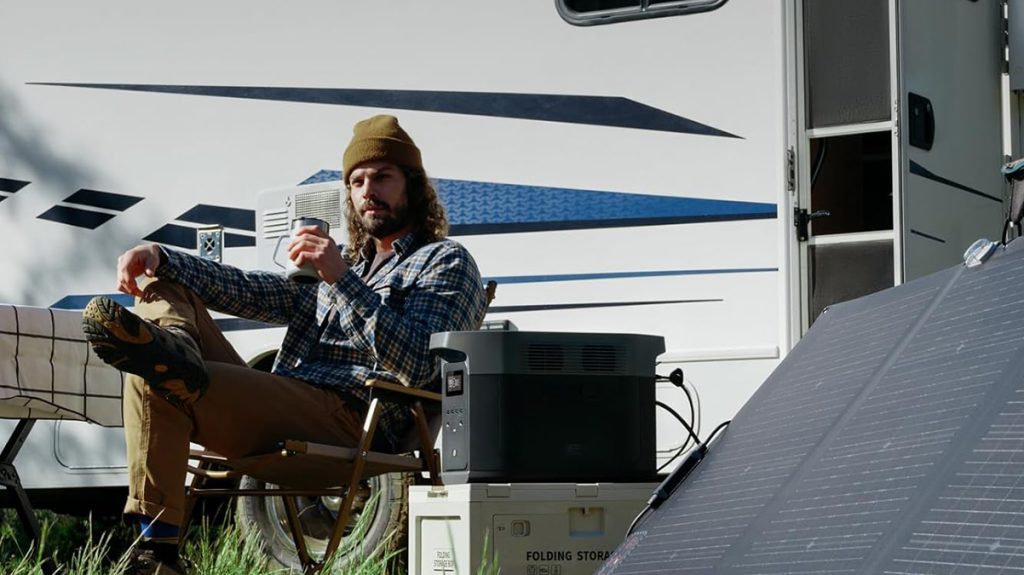
As part of its phase 3 Black Friday Sale event, EcoFlow has launched a 24-hour flash sale that is taking up to 61% off four offers, with a notable deal on the DELTA 2 Max Portable Power Station at $799 shipped, which beats out Amazon’s pricing by $100. While it carries an $1,899 MSRP, you’ll more often find it going for $1,399 these days, with the discounts we’ve been seeing in the latter half of 2025 regularly dropping things lower between $999 and $899. Now, for only 24 hours, you can pick it up $100 lower than we’ve ever tracked, giving you a total $600 off the going rate ($1,100 off the MSRP) for the lowest new price we have tracked.
***Note: some of these flash sale offers might start at higher prices, but for this 24-hour period, they have been given automatic discounts to these rates that activate in your cart.
EcoFlow’s 24-hour Black Friday flash sale offers:
- 2x DELTA 2 (1,024Wh each) power stations: $698 (Reg. $1,998)
- DELTA 2 Max (2,048Wh) power station: $799 (Reg. $1,399)
- DELTA 3 Ultra (3,072Wh) with 2x 220W panels and transfer switch: $1,499 (Reg. $3,797)
- 2x DELTA Pro 3 expansion batteries (4,096Wh each): $2,499 (Reg. $5,198)
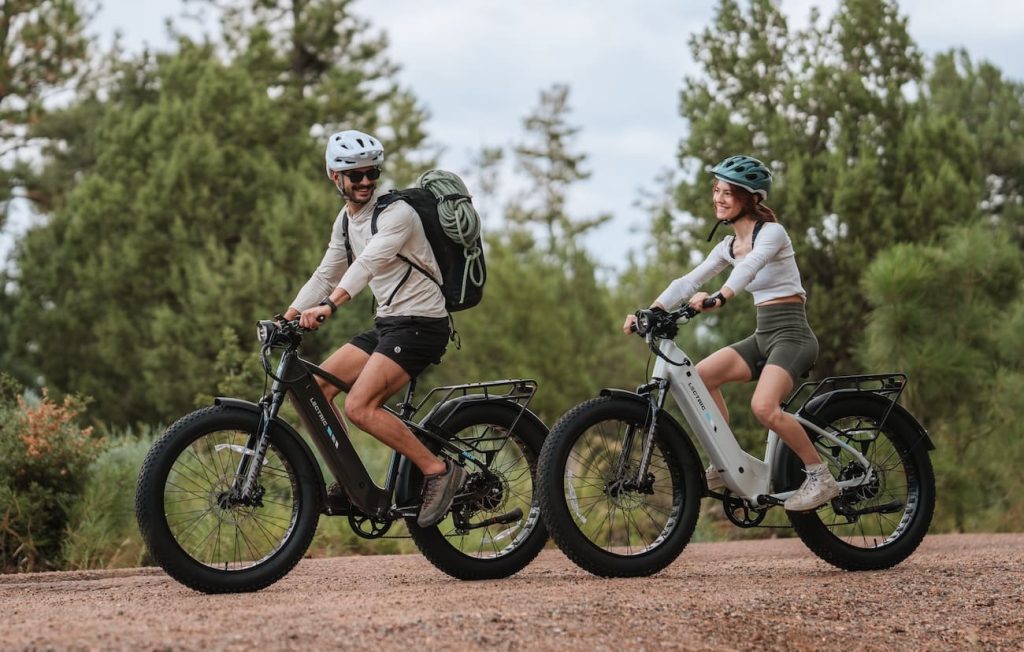
Upgrade off-road commutes and adventures with Lectric’s XPeak 2.0 e-bikes and up to $583 in FREE gear from $1,499
As part of its ongoing Black Friday Sale, which is starting to show models running out of stock from the offers of up to $893 in savings across e-bike bundles. During this sale, Lectric’s XPeak 2.0 Long-Range Off-Road e-bikes are seeing the largest bundles of the year with $583 in FREE gear joining your purchase at $1,699 shipped. You’ll also find Lectric’s standard XPeak 2.0 Off-Road e-bikes coming with $434 in FREE gear at $1,499 shipped. These packages would normally cost $2,282 and $1,933 in full if not for the discounts on the bundles, which are the largest we’ve seen for the long-range models. The standard e-bikes come with a rear cargo rack, fender set, Elite headlight upgrade, a suspension seat post, a bike lock, and a phone holder, while the long-range counterparts get those, as well as a 5A fast charger that “is 250% faster, allowing you to power up in approximately 4 hours or less.” Head below to more on these all-terrain e-mobility solutions.
Lectric’s Black Friday XPeak 2.0 e-bike bundles:
Be sure to also check out Lectric’s full Black Friday Sale e-bike lineup with up to $893 in savings starting from $999, which, as I mentioned, is already seeing models go out of stock.



Best Fall EV deals!
- Velotric Nomad 2X e-bike (camo) with DELTA 3 Plus station: $3,048 (Reg. $3,298)
- Velotric Nomad 2X e-bike (sage or fig) with DELTA 3 Plus station: $2,948 (Reg. $3,298)
- Velotric Nomad 2X Multi-Terrain Full Suspension e-bike w/ $96 bundle: $2,299 (Reg. $2,399)
- Heybike Hero 750W Mid-Drive Carbon-Fiber All-Terrain e-bike: $2,299 (Reg. $3,099)
- Rad Power Radster Road Commuter e-bike: $1,999 (Reg. $2,199)
- Rad Power Radster Trail Off-Road e-bike: $1,999 (Reg. $2,199)
- Lectric XPedition 2.0 35Ah Cargo e-bike w/ $893 bundle: $1,999 (Reg. $2,761)
- Ride1Up TrailRush German Mid-Drive e-bike (first discount): $1,995 (Reg. $2,095)
- Heybike Hero 1,000W Carbon-Fiber All-Terrain e-bike: $1,899 (Reg. $2,599)
- Tenways Wayfarer e-bike with $277 bundle (launch deal): $1,899 (Reg. $2,199)
- Velotric Fold 1 Plus e-bike (gray or white) with DELTA 2 station: $1,898 (Reg. $2,198)
- Velotric Fold 1 Plus e-bike (mango or blue) with DELTA 2 station: $1,828 (Reg. $2,198)
- Velotric Summit 1 Versatile Multi-Terrain e-bike with $160 bundle: $1,799 (Reg. $1,999)
- Aventon Aventure 3 Smart All-Terrain e-bike (first discount): $1,799 (Reg. $1,999)
- Aventon Aventure 3 Smart Step-Through All-Terrain e-bike (first discount): $1,799 (Reg. $1,999)
- Lectric XP Trike2 750 Long-Range eTrike with $558 bundle: $1,799 (Reg. $2,357)
- Rad Power RadExpand 5 Plus Folding e-bike (lowest price): $1,699 (Reg. $1,899)
- Lectric XPedition 2.0 26Ah Cargo e-bike w/ $744 bundle: $1,799 (Reg. $2,543)
- Aventon Level 3 Step-Over Smart Commuter e-bike (first discount): $1,699 (Reg. $1,899)
- Aventon Level 3 Step-Through Smart Commuter e-bike (first discount): $1,699 (Reg. $1,899)
- Lectric XPeak 2.0 Long-Range Off-Road e-bike with $583 bundle: $1,699 (Reg. $2,282)
- Rad Power RadWagon 4 Cargo e-bike with extra battery: $1,599 (Reg. $1,799)
- Aventon Abound Cargo e-bike: $1,599 (Reg. $1,999)
- Ride1Up VORSA Modular Multi-Use e-bike: $1,595 (Reg. $1,695)
- Rad Power RadRunner Cargo Utility e-bike with extra battery: $1,499 (No pirce cut)
- Lectric XPeak 2.0 Standard Off-Road e-bike with $434 bundle: $1,499 (Reg. $1,933)
- Lectric XP Trike2 with $257 bundle: $1,499 (Reg. $1,756)
- Rad Power RadWagon 4 Cargo e-bike: $1,499 (Reg. $1,799)
- Aventon Aventure 2 All-Terrain e-bike: $1,499 (Reg. $1,999)
- Lectric XPedition 2.0 13Ah Cargo e-bike with $346 bundle: $1,399 (Reg. $1,745)
- Aventon Level 2 Commuter e-bike: $1,499 (Reg. $1,899)
- Rad Power RadRover 6 Plus Step-Thru Fat Tire e-bike: $1,399 (Reg. $1,599)
- Heybike ALPHA All-Terrain e-bike with $266 bundle: $1,299 (Reg. $1,699)
- Lectric XPress 750 Commuter e-bikes with $439 bundle: $1,299 (Reg. $1,703)
- Lectric XP4 750 LR Folding Utility e-bikes with up to $514 bundle: $1,299 (Reg. $1,813)
- Heybike Hauler Dual-Battery Cargo e-bike (new low): $1,299 (Reg. $1,899)
- Rad Power RadWagon 4 Cargo e-bike: $1,299 (Reg. $1,799)
- Heybike Mars 2.0 Folding Fat-Tire e-bike with extra battery: $1,199 (Reg. $1,848)
- Lectric XP Lite 2.0 JW Black LR e-bike with $449 bundle: $1,099 (Reg. $1,548)
- Heybike Hauler Dual-Battery Cargo e-bike with $89+ bundle: $1,099 (Reg. $1,413)
- Lectric XP4 Standard Folding Utility e-bikes with $326 bundle: $999 (Reg. $1,325)
- Lectric XP Lite 2.0 Long-Range e-bikes with $449 bundles: $999 (Reg. $1,448)
- Heybike Mars 2.0 Folding Fat-Tire e-bike with Black Friday gift: $999 (Reg. $1,499)
- Heybike Ranger S Folding Fat-Tire e-bike with Black Friday gift: $999 (Reg. $1,499)

Best new Green Deals landing this week
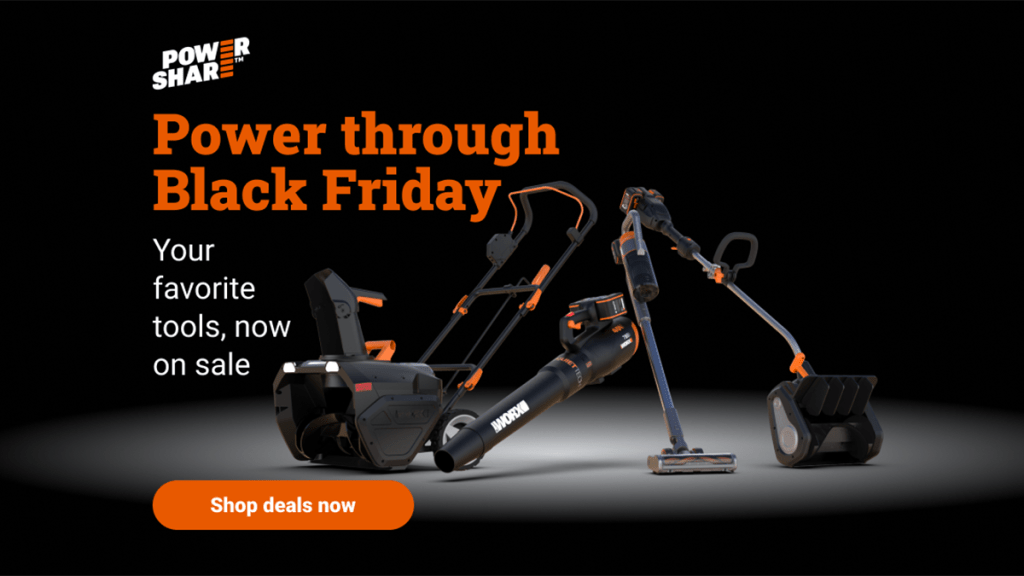
The savings this week are also continuing to a collection of other markdowns. To the same tune as the offers above, these all help you take a more energy-conscious approach to your routine. Winter means you can lock in even better off-season price cuts on electric tools for the lawn while saving on EVs and tons of other gear.
FTC: We use income earning auto affiliate links. More.
-
 Sports2 years ago
Story injured on diving stop, exits Red Sox game
-
 Sports3 years ago
‘Storybook stuff’: Inside the night Bryce Harper sent the Phillies to the World Series
-
 Sports2 years ago
Game 1 of WS least-watched in recorded history
-
 Sports3 years ago
Button battles heat exhaustion in NASCAR debut
-
 Sports3 years ago
MLB Rank 2023: Ranking baseball’s top 100 players
-
Sports4 years ago
Team Europe easily wins 4th straight Laver Cup
-
 Environment3 years ago
Japan and South Korea have a lot at stake in a free and open South China Sea
-
 Environment1 year ago
Here are the best electric bikes you can buy at every price level in October 2024