
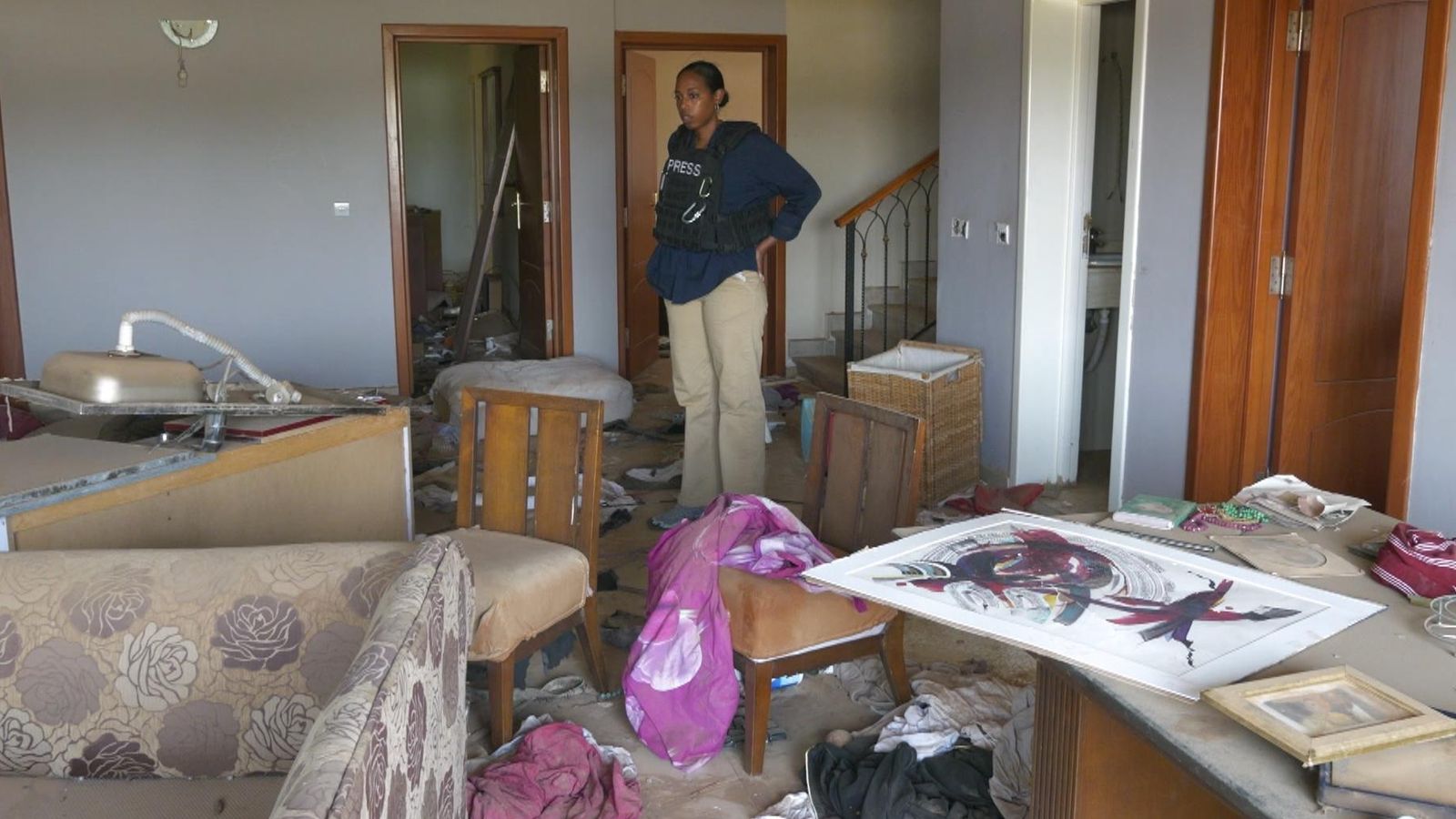
Ransacked and looted: What I found in my family home destroyed by militiamen

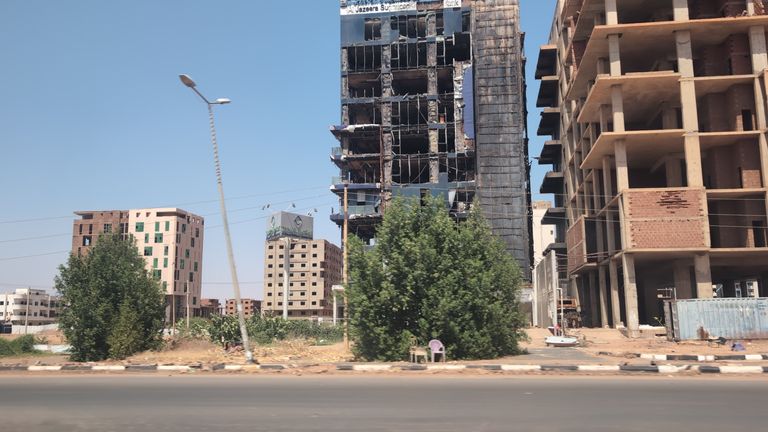
The biggest city in the Sahel has been ransacked and left in ruins.
War erupted in Sudan’s capital Khartoum in April 2023 and sent millions searching for safety.
The city was quickly captured by the paramilitary Rapid Support Forces (RSF) after a power struggle with the Sudanese Armed Forces (SAF) for total control.
At least 61,000 people were killed from the fighting and siege conditions in Khartoum state alone.
Thousands more were maimed and many remain missing.
The RSF fled Khartoum’s neighbourhoods in caravans carrying the city’s looted treasures as the army closed in and recaptured it after two years of occupation.
The empty streets they left behind are lined with charred, bullet-ridden buildings and robbed store fronts.
The once shiny skyscrapers built along the confluence of the River Nile are now husks of blackened steel.
The neighbourhoods are skeletal. Generational homes are deserted and hollow.
Damage from fighting around Khartoum
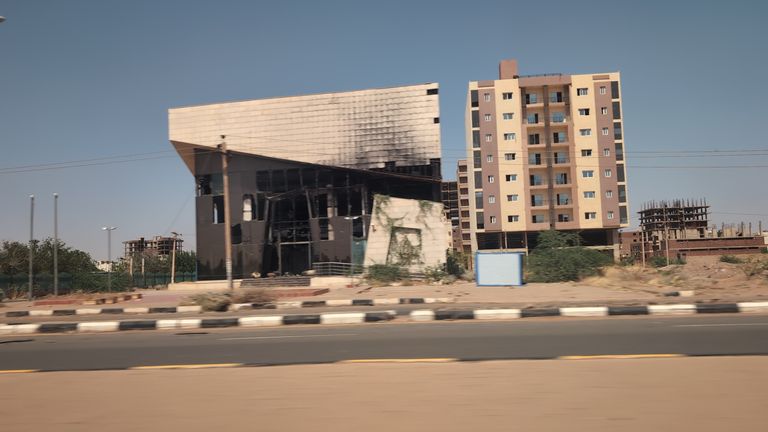
Trenches snake the streets where copper electric cables were ripped out of the ground and pulled out of lampposts now overridden with weeds.
The majority of the 13 million people displaced by this war fled Khartoum. Many left in a rush, assuming it would only take a few weeks for peace to be restored.
My parents were among those millions and in the midst of the abandoned, looted homes is the house where I grew up.
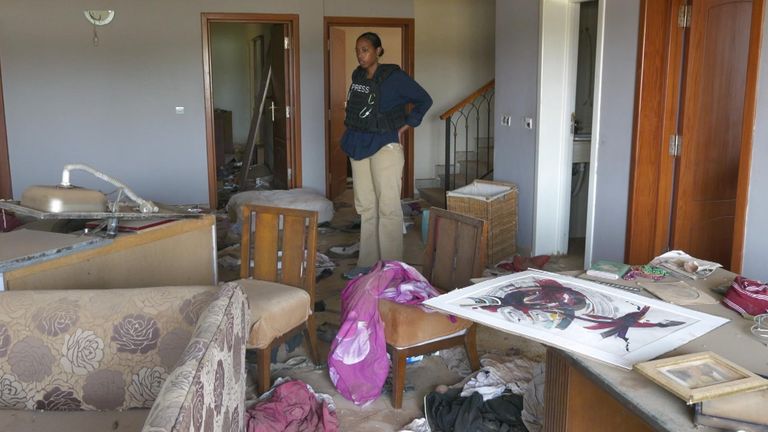
Yousra Elbagir’s family home was left in ruins by RSF troops
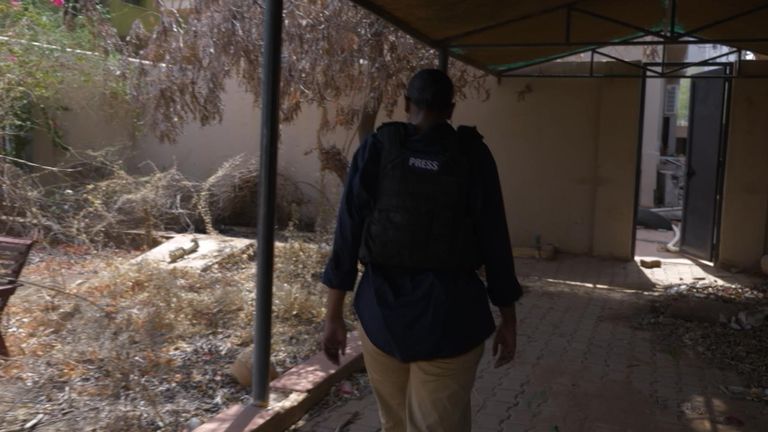
Yousra said it was likely a bomb had previously fallen nearby and shaken the house at its base
A shell of a home
I have to strain my eyes to see the turn to my house. All the usual markers are gone. There are no gatherings of young people drinking coffee with tea ladies in the leafy shade – just gaping billboard frames that once held up advertisements behind cars of courting couples parked by the Nile.
Our garden is both overgrown and dried to death.
The mango, lemon and jasmine trees carefully planted by my mother and brother have withered.
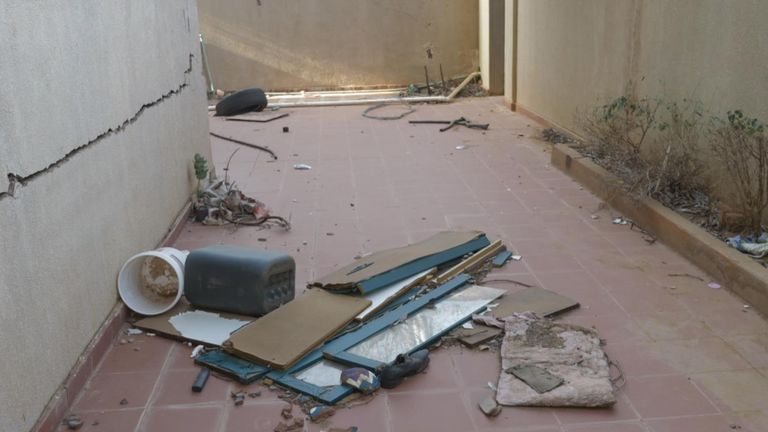
Structural damage to the outside of the home
The Bougainvillea has reached over the pathway and blocked off the main entrance. We go through the small black side door.
Our family car is no longer in the garage, forcing us to walk around it.
It was stolen shortly after my parents evacuated.
The two chairs my mum and dad would sit at the centre of the front lawn are still there, but surrounded by thorny weeds and twisted, bleached vines.
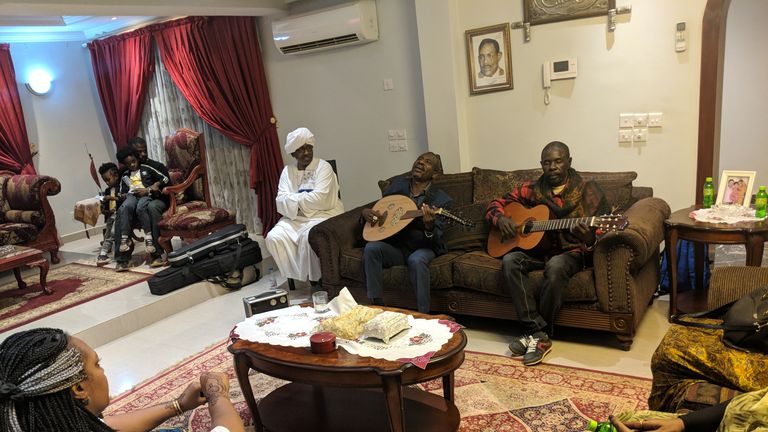
How the home looked before Sudan’s civil war
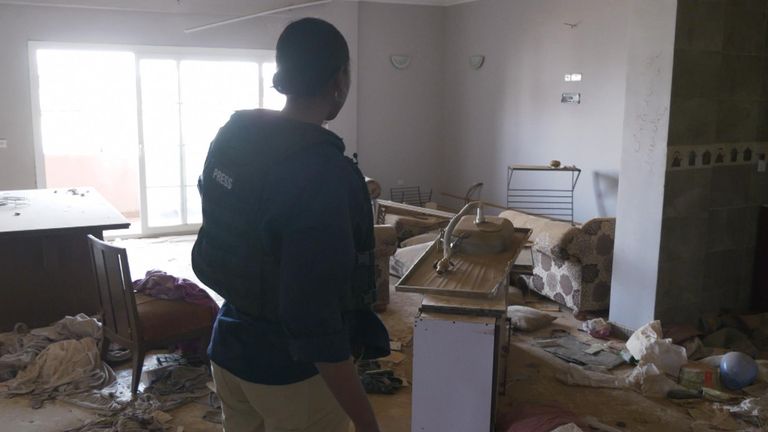
And how it looks now
The neighbour’s once lush garden is barren too.
Their tall palm trees at the front of the house have been beheaded – rounding off into a greyish stump instead of lush fronds.
Read more:
How recaptured palace is a significant sign of return to order
Sudan’s paramilitary chief announces rival government
Everyone in Khartoum is coming back to a game of Russian roulette. Searching out their houses to confirm suspicions of whether it was blasted, burned or punctured with bullets.
Many homes were looted and bruised by nearby combat but some are still standing. Others have been completely destroyed.

How the home looked before the war
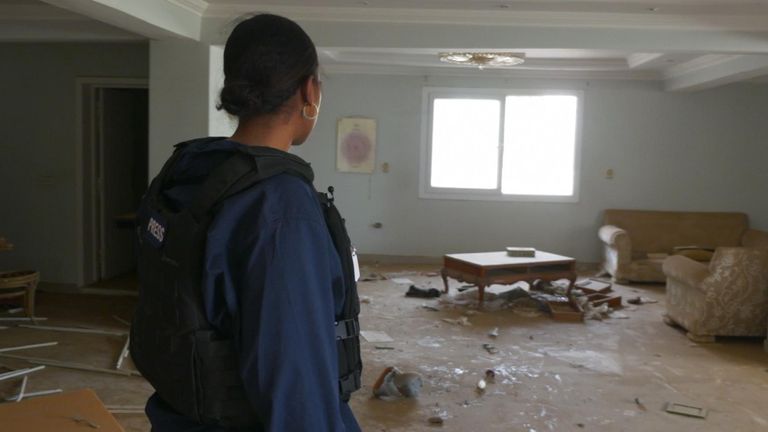
And how it looks now
The outside of our house looks smooth from the street but has a crack in the base of the front wall visible from up close.
It is likely a bomb fell nearby and shook the house at its base – a reminder of the airstrikes and shelling that my parents and their neighbours fled.
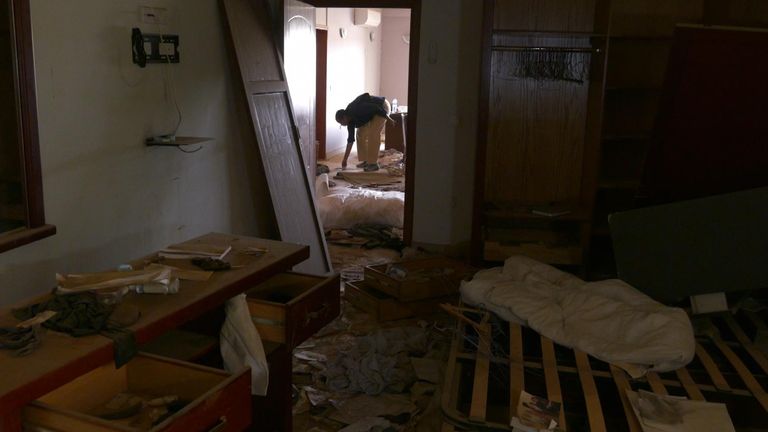
Inside, the damage is choking.
Most of the furniture has been taken except a few lone couches.
The carpets and curtains have been stripped. The electrical panels and wiring pulled out. The appliances, dishes, glasses and spices snatched from the kitchens.

Yousra shows her mother pictures found in the home
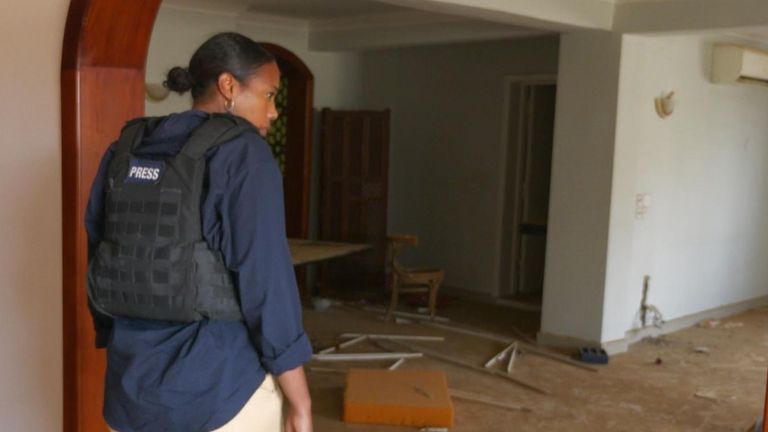
The walls are bare apart from the few items they decided to spare. Ceilings have been punctured and cushions torn open in their hunt for hidden gold.
The walls are marked with the names of RSF troops that came in and out of this house like it was their own.
The home that has been the centre of our life in Sudan is a shell.
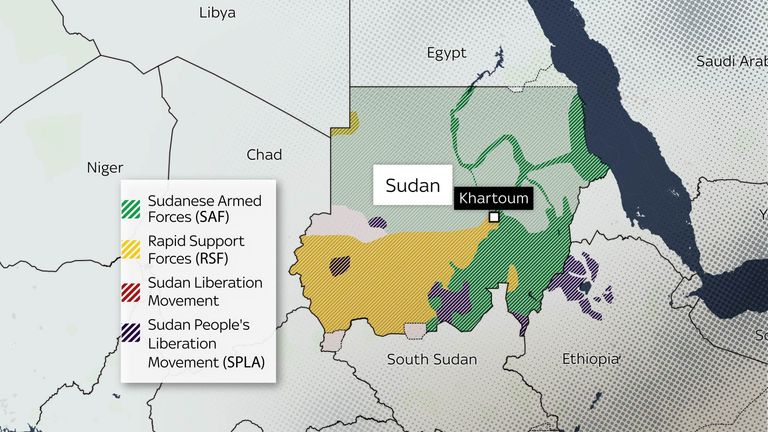
Sudan’s civil war has left the country fractured
Glimmers of hope
The picture of sheer wreckage settles and signs of familiarity come into focus.
A family photo album that is 20 years old.
The rocking chair my mother cradled me and my sister in. My university certificate.
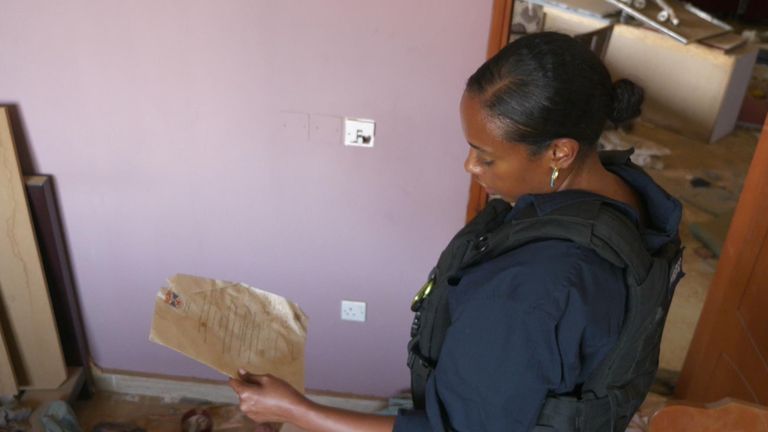
Yousra finds her university certificate in the wreckage
Celebratory snaps of my siblings’ weddings. Books my brother has had since the early nineties.
The painting above my bed that I have pined over during the two years – custom-made and gifted to me for my 24th birthday and signed by my family on the back.
There are signs of dirt and damage on all these items our looters discarded but it is enough.
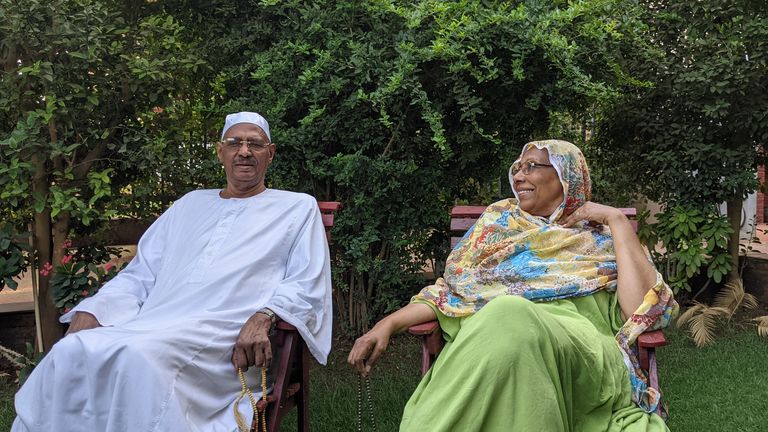
Yousra’s parents pictured at home before they fled Khartoum
Evidence of material destruction but a reminder of what we can hope will endure.
The spirit of the people that gathered to laugh, cry and break bread in these rooms.
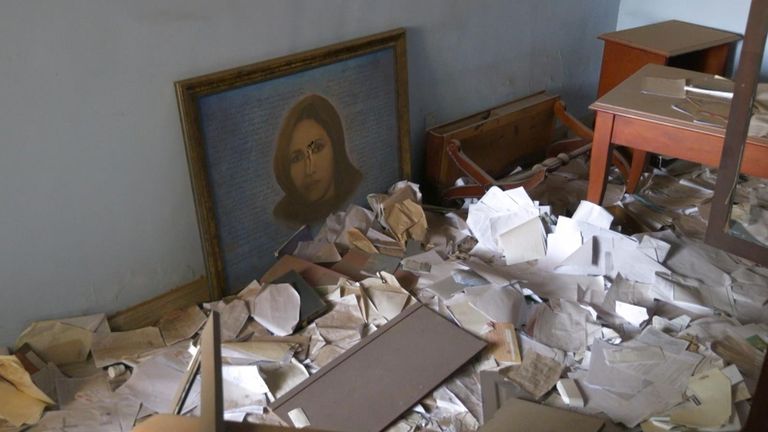
A portrait of Yousra’s grandmother damaged by RSF troops
The hospitality and warmth of a Sudanese home with an open door.
The community and sense of togetherness that can never truly be robbed.
What remains in our hearts and our city is a sign of what will get us through.
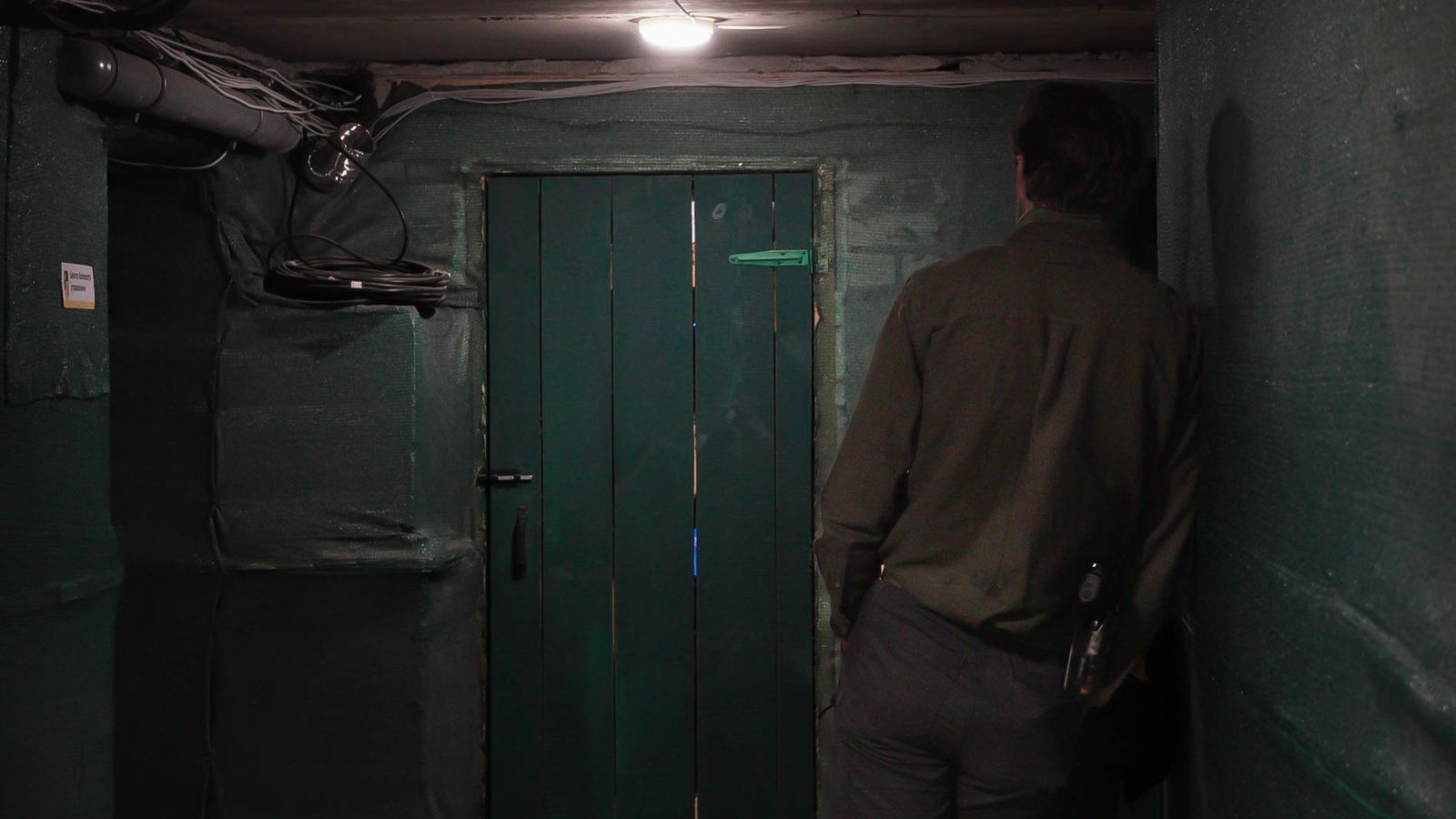

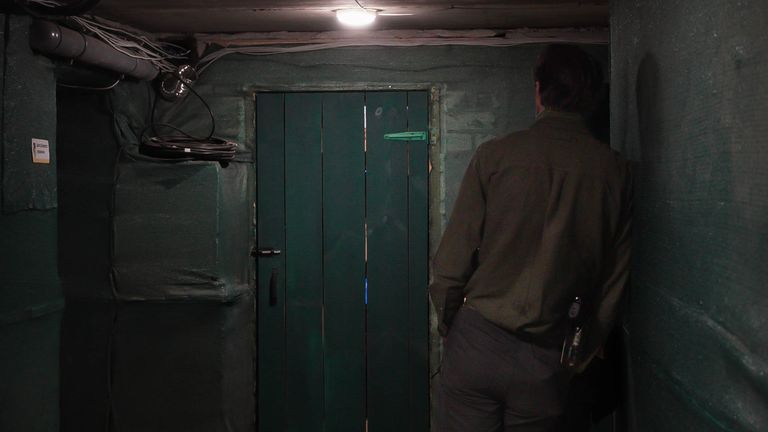
A hidden, underground military base in eastern Ukraine is so secret, soldiers change into civilian clothes whenever they step outside to avoid drawing attention.
Journalists are not usually allowed access.
But the unit that has been using this vast, subterranean warren of war rooms, a dormitory, kitchen, canteen and makeshift gym as its headquarters since the summer is imminently relocating, so Sky News was invited inside.
Lieutenant Colonel Arsen Dimitric – call sign Lemko – is the chief of staff of 1st Corps Azov of the National Guard of Ukraine, one of the country’s most effective combat forces.
Lemko
He sat with us in the base, next to a large square table, covered by a map of the Donbas region.
His soldiers have been fighting in this area since the summer, countering a surge in Russian attacks in and around the frontline city of Pokrovsk.
“We aim to destroy as much of the enemy as possible,” he said.
“Will we take losses? Yes. Will it hurt? Absolutely.”
But he said if Russia is allowed to advance, even more Ukrainians will suffer.
“Their [the Russians’] only advantage is numbers,” he said.
“They don’t care how many people they lose.”
Lemko said almost 17,000 Russian soldiers had been killed or wounded fighting in this section of the warzone alone between August to November.
Read more:
Russia hits Ukraine with massive missile and drone attack

Ukrainian video footage of the battlefield showed Russian armoured vehicles being taken out by drones and artillery fire.
At one point, Russian soldiers mounted on motorbikes try to advance, only to be stopped by Ukrainian fire.
“Our task is to hit them as hard as possible in various areas,” Lemko said. “We focus on our operations, others on theirs, and leadership will negotiate the best possible terms.”
The Azov Corps soldiers are fighting over land that should be handed over to Russia, according to an initial draft of a peace deal proposal between Kyiv and Moscow put forward by the United States. This is despite swathes of the Donbas remaining under Ukrainian control.
But General Oleksandr Syrskyi, the head of the Ukrainian armed forces, has since told Sky News that simply surrendering territory would be “unacceptable”.
Giving up territory ‘unacceptable’, Ukraine’s military chief says
For Lemko, he says the job of his troops is to inflict as much damage as possible on the Russian side to help strengthen Ukraine’s hand in negotiations.
“Simply giving it [land] away isn’t the way,” he said.
“Diplomats do their work, we do ours. Our job as soldiers is to give as many advantages as possible to our negotiating team. And we’re doing exactly that.”
Lemko, who has been battling against Russia since the Crimean annexation in 2014, also had a warning for the rest of Europe about a rise in hybrid attacks, such as mysterious drone sightings, acts of sabotage and cyber hacks suspected of being linked to Moscow.
He said Ukraine’s experience showed that if attacks by Russia that fall under the threshold of conventional war are not successfully countered, full-scale conflict could follow.
“Ukraine once lost a hybrid war that had been waged since the very start of our independence,” he said.
“Because of that defeat, there was a physical operation against us in Crimea and then a physical operation in 2022.
“Now the hybrid war has reached its climax, and it is moving into the Baltic States and Europe.
“That is why, in my opinion – and in the opinion of most of our officers – now is the moment for all countries to unite and counter this hybrid war. Because the consequence may be a physical one.”
Production: Katy Scholes, security and defence producer, and Azad Safarov, Ukraine producer.
Camera operator: Mostyn Pryce
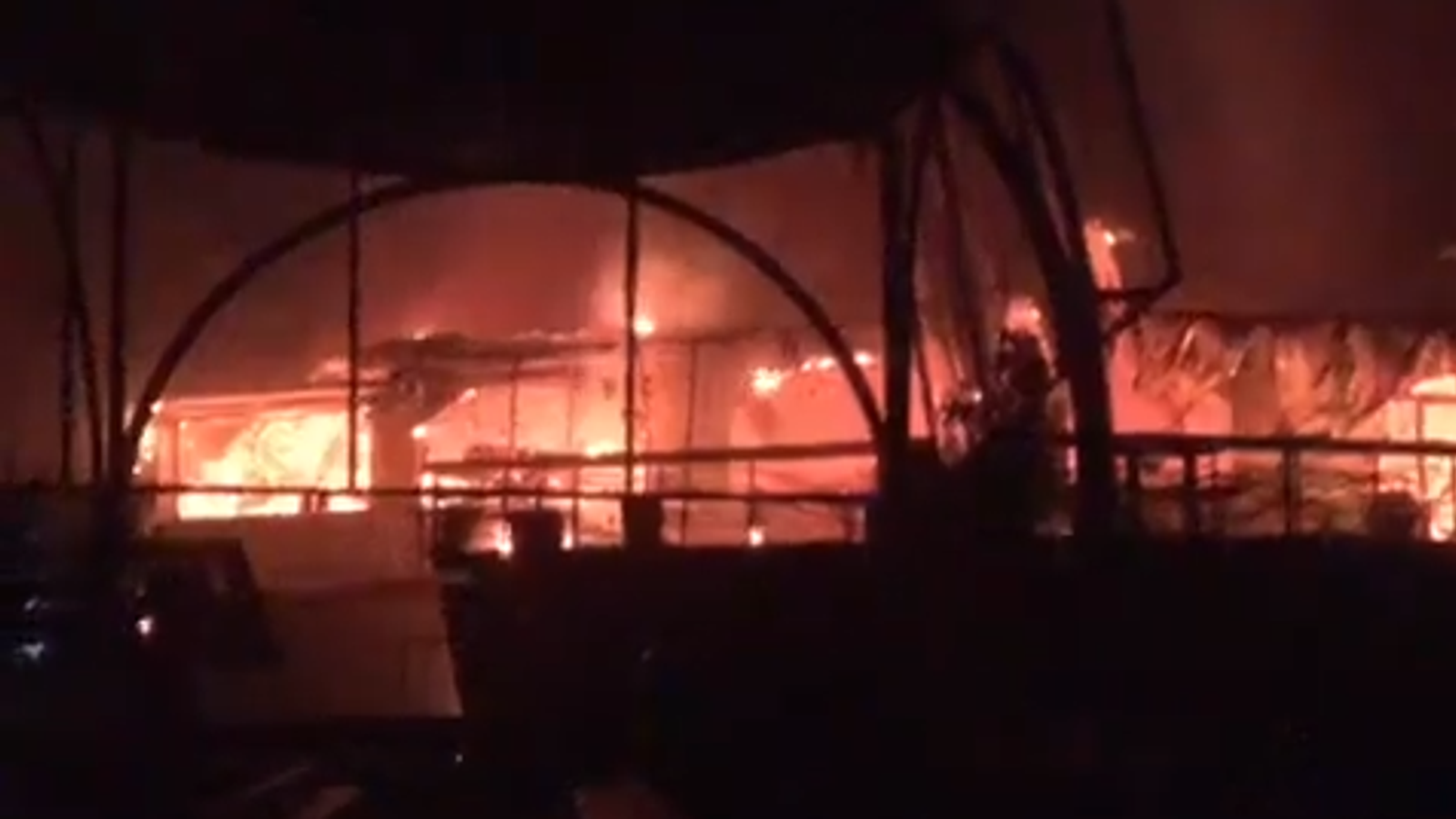

At least 25 people have been killed after a fire at a nightclub in Goa, the state’s police service has said.
The fire reportedly started around midnight on Saturday local time.
The majority of victims were kitchen staff at the club – although around three to four tourists are thought to be among those killed.
Videos on social media showed emergency services lining up to help the injured – some of whom were taken to nearby hospitals.
Dr Pramod Sawant, Goa’s chief minister, said: “I am deeply grieved and offer my heartfelt condolences to all the bereaved families in this hour of unimaginable loss.”
He later said he was “closely reviewing the situation arising from the tragic fire” – adding six additional people had been injured.
“All six injured persons are in a stable condition and are receiving the best medical care,” he said.
Pic: NDTV
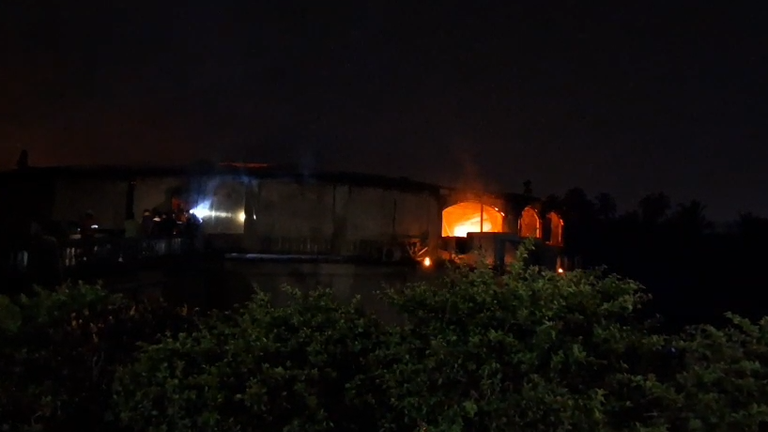
Fire at nightclub in Goa. Pic: NDTV
Authorities worked through the night to bring the situation under control and all bodies have been recovered, the state’s police chief told reporters, according to Reuters news agency.
India’s Prime Minister Narendra Modi said the deadly fire was “deeply saddening”.
He said he had spoken with Goa’s chief minister and that “the state government is providing all possible assistance to those affected”.
Dr Sawant said he has “ordered an inquiry” to discover what happened after visiting the site.
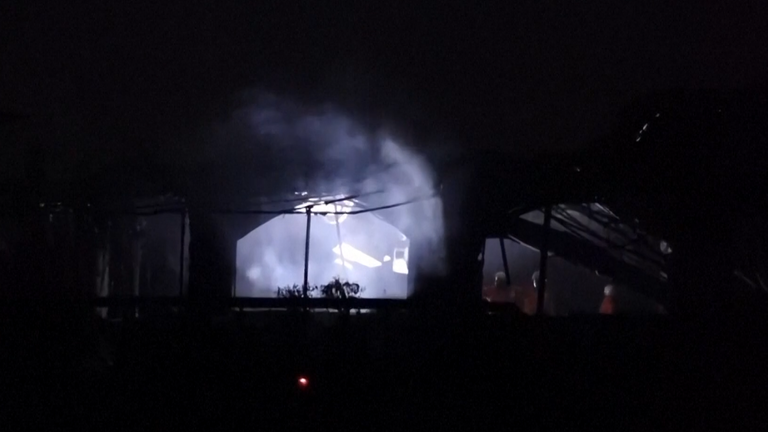
Pic: AP
“The inquiry will examine the exact cause of the fire and whether fire safety norms and building rules were followed,” he said.
“Those found responsible will face most stringent action under the law – any negligence will be dealt with firmly.”
Goa, a small state on India’s western coast, is a popular tourist destination, attracting millions of tourists every year.
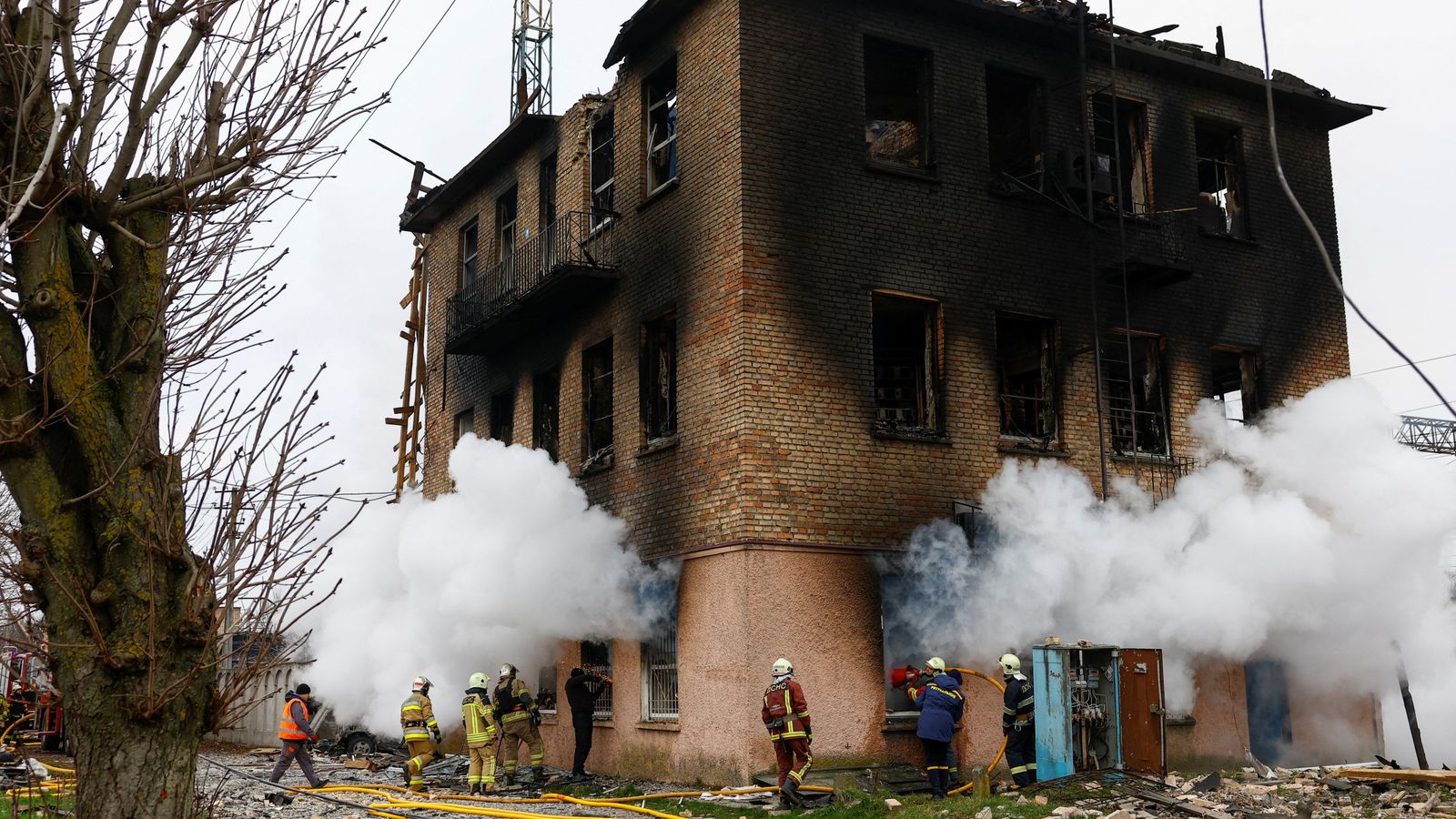
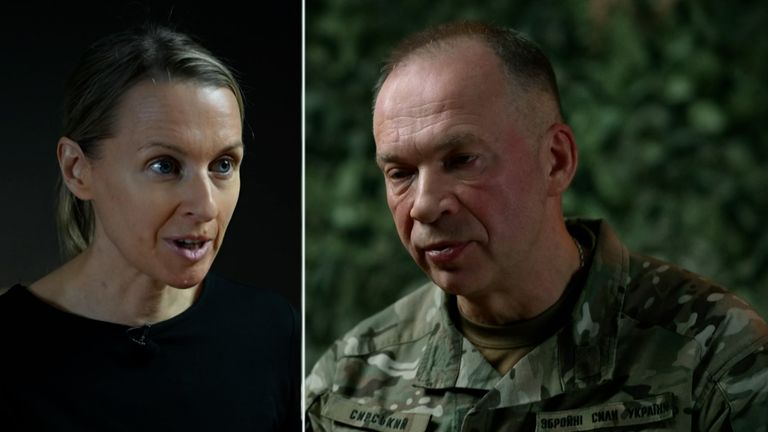
Russia launched a massive missile and drone attack on Ukraine overnight, after US and Ukrainian officials said they would meet for a third day of talks aimed at bringing the war to an end.
The two sides said they had made progress on a security framework for post-war Ukraine, but that any “real progress toward any agreement” will depend “on Russia’s readiness to show serious commitment to long-term peace.”
Russia launched 653 drones and 51 missiles in its attack on Ukraine, triggering air raid alerts across the country, Ukraine’s air force said.
Giving up territory ‘unacceptable’ – Ukraine’s military chief
Ukrainian forces shot down and neutralised 585 drones and 30 missiles, the air force said, adding that 29 locations were struck.
At least eight people were wounded in the attacks, Ukraine’s minister of internal affairs Ihor Klymenko said.
Russia conducted a “massive missile-drone attack” on power stations and other energy infrastructure in several regions, Ukraine’s national energy operator Ukrenergo said on Instagram.
Ukraine’s Zaporizhzhia nuclear power plant temporarily lost all off-site power overnight, the International Atomic Energy Agency said.
The plant is in an area that has been under Russian control since early in Moscow’s invasion of Ukraine. It is not in service, but needs reliable power to cool its six shutdown reactors and spent fuel in order to avoid any catastrophic nuclear incidents.
Read more from Sky News:
Young Germans fear return to conscription
Giving up territory would be ‘unjust’, says Kyiv armed forces chief

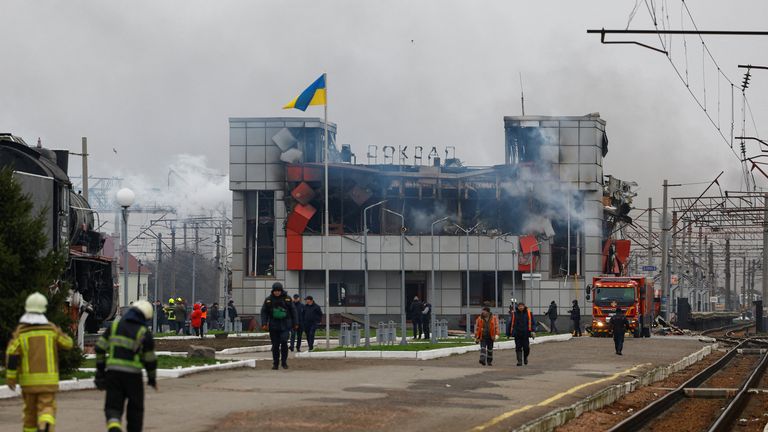
Russia struke a train station in the city of Fastiv. Pics: Reuters
Zelenskyy condemns ‘meaningless’ strikes
Ukrainian President Volodymyr Zelenskyy condemned the strikes as “meaningless” from a military point of view.
He said energy facilities were the main targets, but a drone strike had “burned down” a train station in the city of Fastiv, in the Kyiv region.
“The Russians’ goal is to hurt millions of Ukrainians, and they have sunk so low that they are launching missiles at peaceful cities on St. Nicholas Day,” he said.
“That is why additional pressure is needed. Sanctions must work, and so must our air defence, which means we must continue to support those who defend our lives.”
Ukraine strikes oil refinery
Meanwhile, Russia’s defence ministry said its air defences had shot down 116 Ukrainian drones over Russian territory overnight.
The General Staff of the Ukrainian Armed Forces said Ukrainian forces had struck Russia’s Ryazan Oil Refinery, while Russian Telegram news channel Astra shared footage appearing to show a fire breaking out and plumes of smoke rising above the refinery.
Over the last few months, Ukraine has used long-range drones to target Russian refineries in an attempt to deprive Moscow of the oil export revenue it needs to continue the war.
Meanwhile, Kyiv and its Western allies say Russia is trying to cripple Ukraine’s power grid and deny civilians access to heat, light and running water in winter, which Ukrainian officials call “weaponising” the cold.
On Monday, Mr Zelenskyy will meet Sir Keir Starmer in London to discuss the ongoing negotiations mediated by the US, along with French President Emmanuel Macron and German Chancellor Friedrich Merz.
-
 Sports2 years ago
Story injured on diving stop, exits Red Sox game
-
 Sports3 years ago
‘Storybook stuff’: Inside the night Bryce Harper sent the Phillies to the World Series
-
 Sports2 years ago
Game 1 of WS least-watched in recorded history
-
 Sports3 years ago
Button battles heat exhaustion in NASCAR debut
-
 Sports3 years ago
MLB Rank 2023: Ranking baseball’s top 100 players
-
Sports4 years ago
Team Europe easily wins 4th straight Laver Cup
-
 Environment3 years ago
Japan and South Korea have a lot at stake in a free and open South China Sea
-
 Environment1 year ago
Here are the best electric bikes you can buy at every price level in October 2024