

Report shows how republican attacks on EVs will kill 2 million US jobs

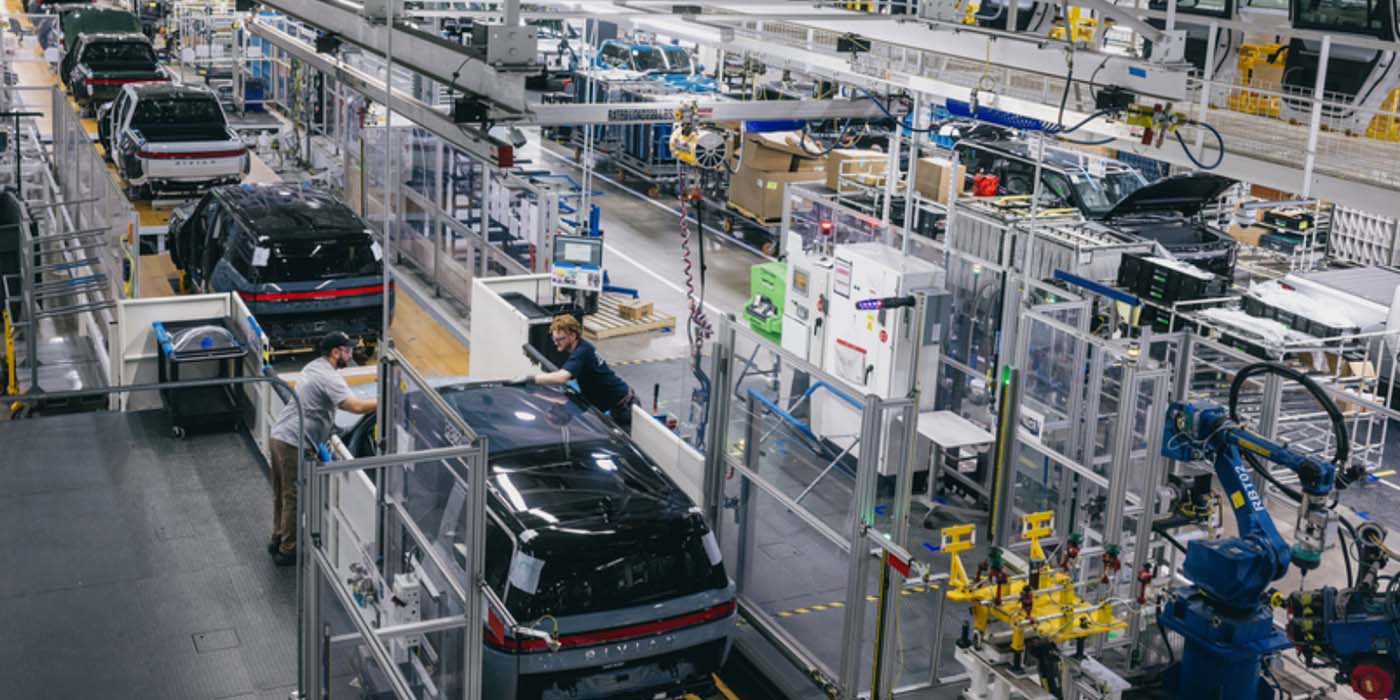
The republican budget bill which cuts domestic manufacturing credits and adds trillions of dollars to the national debt in order to channel money to US elites will put 2 million jobs at risk, according to a new report by BlueGreen Alliance.
Over the last few years, the US has been undergoing somewhat of a manufacturing renaissance.
Thanks to President Biden’s Bipartisan Infrastructure Law and Inflation Reduction Act, both of which included many provisions for green and domestic manufacturing jobs, there has been tremendous investment in US manufacturing, at a much higher pace than prior to those laws being passed.
Overall, Biden’s push for EVs attracted $210 billion in investment and 230,000 direct EV jobs, to say nothing of the additional jobs that would be created to support those jobs and due to increased economic activity.
This was particularly lucrative for certain states in particular, such as Nevada which would experience a 22.87% increase in the state’s manufacturing workforce, New Mexico with a 12.52% increase, or Georgia with a 10.17% boost. Arizona, Kentucky, Michigan, South Carolina, Tennessee, and West Virginia would all see a boost of more than 5% in their manufacturing workforces.
But the new budget bill, passed by republicans in the House, would kill all those jobs and more.
We’ve already seen some of these effects, as several projects have been canceled due to job-killing republican policy.
But now, a new analysis by BlueGreen Alliance calculates just how much the republican bill would devastate US manufacturing. It estimates that the elimination of manufacturing credits would threaten nearly 300,000 direct manufacturing jobs.
“The job-creating track record of the clean manufacturing tax credits is undeniable and the changes to them included in the House bill threatens all of that progress. Every bit of data shows clearly that repealing these credits will hurt working Americans. We hope the Senate will see reason and reverse these damaging provisions.”
–Ted Fertik, Vice President of Manufacturing and Industrial Policy, BlueGreen Alliance.
But famously, manufacturing jobs are desirable because of their positive effect on a local economy, creating additional ancillary jobs in addition to the direct manufacturing jobs.
So, BlueGreen’s analysis looked at these as well, and found that a million “indirect jobs” would be threatened. Indirect jobs include things like supply chain jobs, providing parts for auto or clean energy manufacturing.
In addition, 643,000 “induced jobs” created by economic stimulus of the areas in question would be destroyed. These are jobs like restaurant workers, store clerks, and the other types of jobs you’d see when an area increases in population or has more money to spend.
“These numbers make it even more clear, if this bill becomes law, workers are the ones who will pay the price. As this administration blusters about its support for American manufacturing, this bill tells an extremely different story, openly selling out workers to pay for a billionaire tax break.”
–Jason Walsh, Executive Director, BlueGreen Alliance
Seven states would lose over 100,000 jobs, with California leading the pack at 329k, but three Southern states in the burgeoning US “battery belt” will be harmed exceptionally – Georgia, Tennessee and South Carolina at 258k, 140k and 135k jobs lost respectively.
Notably, two of those states have two republican Senators – Tennessee and South Carolina. As the House bill has now been passed on to the Senate, it’s up to them whether they want to harm the economies of their state in order to satisfy their oil donors and give a multi-trillion-dollar giveaway to the richest Americans.
If you, perhaps, think that this bad idea is indeed a bad idea, you could get in contact with them to explain politely that you oppose sending US manufacturing jobs to China.
Or, if you live in another state, you can find your Senator here.
Among the proposed cuts is the rooftop solar credit. That means you could have only until the end of this year to install rooftop solar on your home, before republicans raise the cost of doing so by an average of ~$10,000. So if you want to go solar, get started now, because these things take time and the system needs to be active before you file for the credit.
To make sure you find a trusted, reliable solar installer near you that offers competitive pricing, check out EnergySage, a free service that makes it easy for you to go solar. It has hundreds of pre-vetted solar installers competing for your business, ensuring you get high-quality solutions and save 20-30% compared to going it alone. Plus, it’s free to use, and you won’t get sales calls until you select an installer and share your phone number with them.
Your personalized solar quotes are easy to compare online and you’ll get access to unbiased Energy Advisors to help you every step of the way. Get started here. – ad*
FTC: We use income earning auto affiliate links. More.

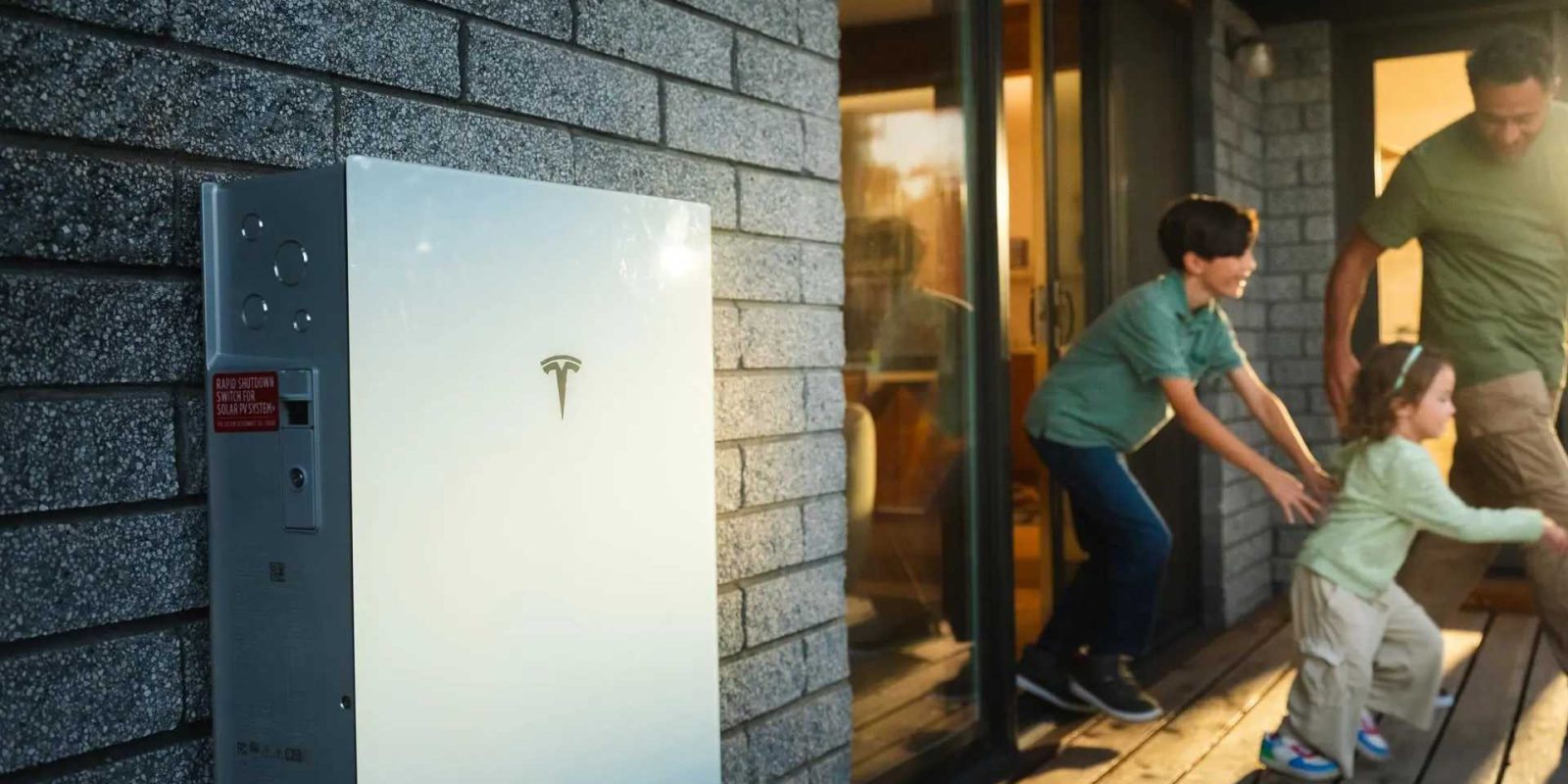
As Texas braces for tighter power margins and record demand on the ERCOT grid, Sunrun and NRG Energy are transforming home batteries into a giant virtual power plant. The two companies are integrating more home battery storage into the grid and tapping those batteries when the state needs power the most.
The solar + storage provider and energy company announced a new multi-year partnership aimed at accelerating the adoption of distributed energy in Texas, with a focus on solar-plus-storage systems that can be aggregated and dispatched during periods of high demand. The idea is simple: use home batteries as a flexible, on‑demand power source to help meet Texas’s rapidly growing electricity needs.
Under the deal, Texas homeowners will be offered a bundled home energy setup that pairs Sunrun’s solar and battery systems with retail electricity plans from NRG’s Texas provider, Reliant. Customers will also get smart battery programming designed to optimize when their batteries charge and discharge. As new and existing Sunrun customers enroll with Reliant, their combined battery capacity will be made available to support the ERCOT grid during times of stress.
“This partnership is a major step in achieving our goal of creating a 1 GW virtual power plant by 2035,” said Brad Bentley, President of NRG Consumer. “By teaming up with Sunrun, we’re unlocking a new source of dispatchable, flexible energy while giving customers the opportunity to unlock value from their homes and contribute to a more resilient grid.”
Sunrun, which has one of the largest fleets of residential batteries in the US, will be paid for aggregating the capacity, and participating Reliant customers will be compensated by Sunrun for sharing their stored solar energy.
The arrangement gives Texas households a way to earn money from their batteries while also improving grid reliability in a state that continues to see rapid population growth, extreme weather, and rising electricity demand.
Read more: The US’s first residential V2G power plant is running on Ford F-150 Lightning trucks

If you’re looking to replace your old HVAC equipment, it’s always a good idea to get quotes from a few installers. To make sure you’re finding a trusted, reliable HVAC installer near you that offers competitive pricing on heat pumps, check out EnergySage. EnergySage is a free service that makes it easy for you to get a heat pump. They have pre-vetted heat pump installers competing for your business, ensuring you get high quality solutions. Plus, it’s free to use!
Your personalized heat pump quotes are easy to compare online and you’ll get access to unbiased Energy Advisors to help you every step of the way. Get started here. – *ad


FTC: We use income earning auto affiliate links. More.

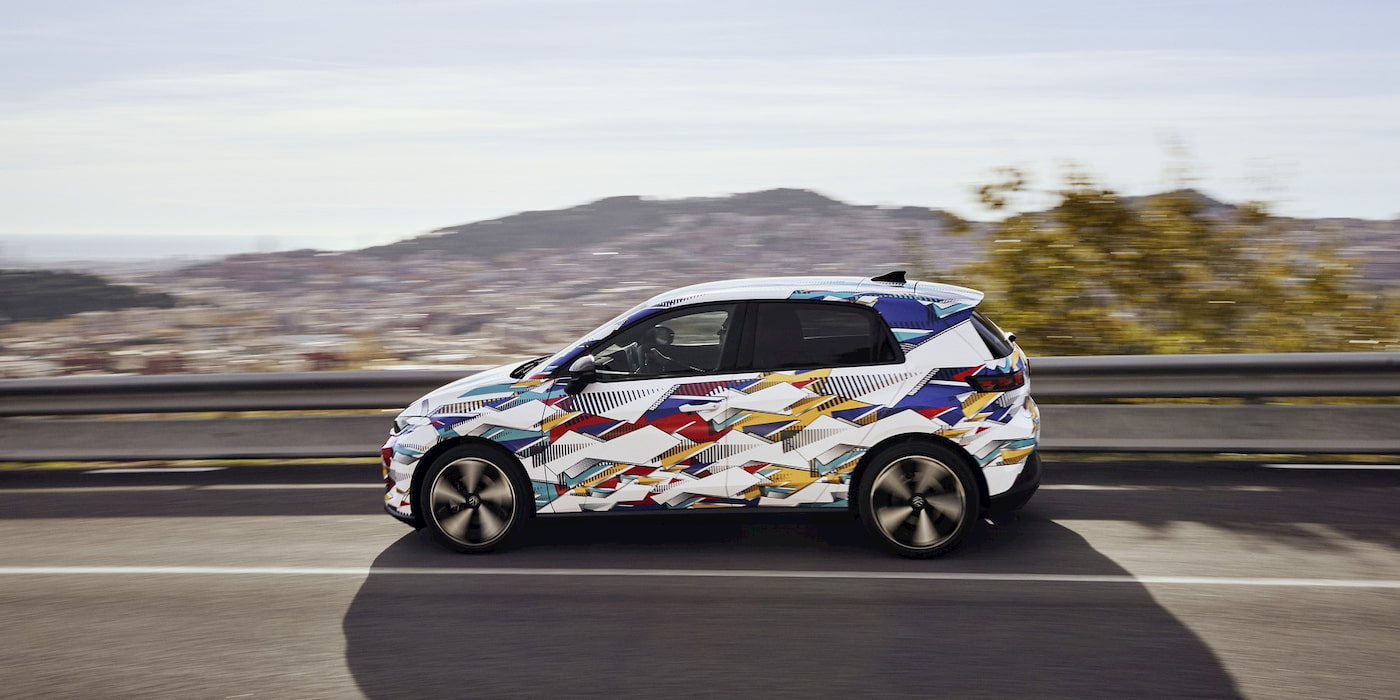
Volkswagen is gearing up to launch a new family of affordable EVs, starting with the ID.Polo. Can it fill the shoes of the popular low-cost hatch?
Volkswagen announces ID.Polo EV range and more
The ID.Polo will be the first of four new entry-level electric vehicles that Volkswagen plans to launch, starting in Spring 2026.
The electric Polo “marks the beginning of a new generation of Volkswagen,” the brand’s CEO, Thomas Schäfer, said. The Polo is one of the best-selling VW models of all time, and its electric successor promises to build upon its legacy.
It will be the first “ID” model to bear an established Volkswagen name. Although it’s about the same size as its predecessor at 4,053 mm long, 1,816 mm wide, and 1,530 mm tall, with a wheelbase of 2,600 mm, the Polo EV offers more interior space.
Thanks to its compact drive modules, the electric Polo offers an extra 19 mm of interior length, which is “particularly noticeable in the rear.”
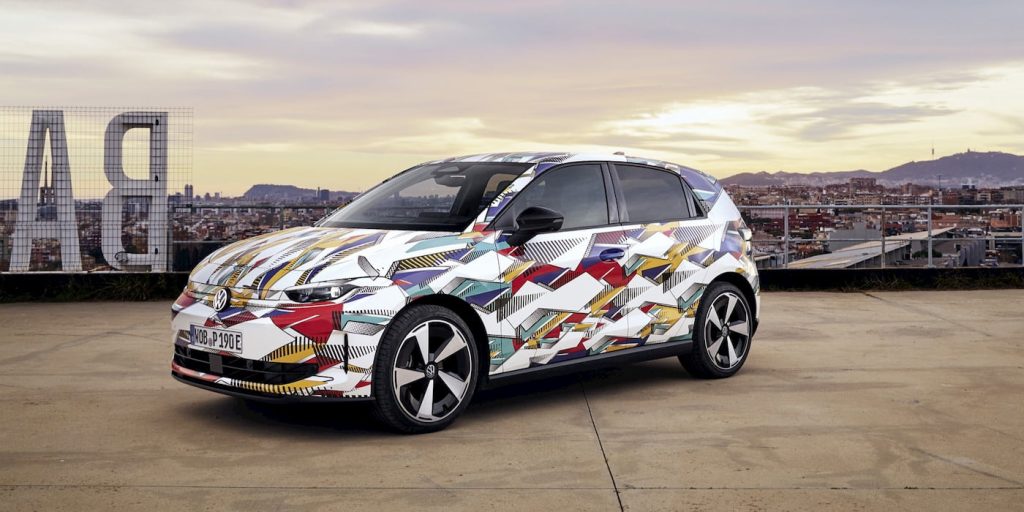
The luggage compartment is 24% larger than the classic Polo, with 435 L, up from 351 L. Folding the rear seats opens up 1,243 L of load volume, up from 1,125 L.
According to Volkswagen, the electric ID.Polo is “more versatile than any of its predecessors,” making it the perfect EV for getting around the city or as an everyday driver.
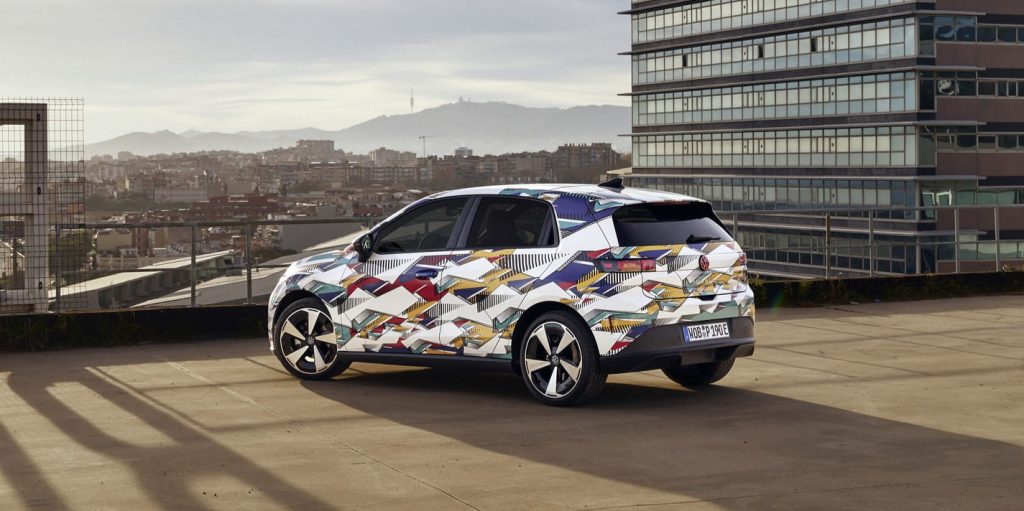
The Volkswagen ID.Polo will initially be available with three power outputs: 85 kW (114 hp), 99 kW (133 hp), and 155 kW (208 hp), while a sporty GTI variant will follow later in 2026 with 166 kW (223 hp).
The 85 kW and 99 kW versions will be equipped with a 37 kWh lithium iron phosphate (LFP) battery, while the 155 kW and 166 kW versions will be powered by a 52 kWh nickel manganese cobalt (NMC) battery, which Volkswagen said will deliver up to 450 km (280 miles) WLTP driving range. It will also support DC charging speeds up to 130 kW.


Based on a new MEB+ platform, Volkswagen promises that the new, highly efficient electric drive will reduce costs and energy consumption.
The new PowerCo unified cell uses cell-to-pack technology, combining cells directly into the battery pack. Volkswagen said the new design reduces costs, saves space, and unlocks more range while increasing energy density by about 10%.
VW’s MEB+ platform will also introduce new advanced driver assistance systems (ADAS) features, including a drastically improved Travel Assist. The ID.Polo will also be the first VW model to offer traffic light and stop sign recognition.

Can it live up to the task?
According to Autocar, which got the chance to test a prototype, the ID.Polo “feels remarkably like the current Polo. Switch from the petrol Polo into this and, a lack of engine noise aside, you would barely notice the difference.”
The reviewer, James Attwood, said the electric Polo delivered a “genuinely impressive ride for a car of this size,” adding it “drives and feels like you’d expect a Volkswagen to.”
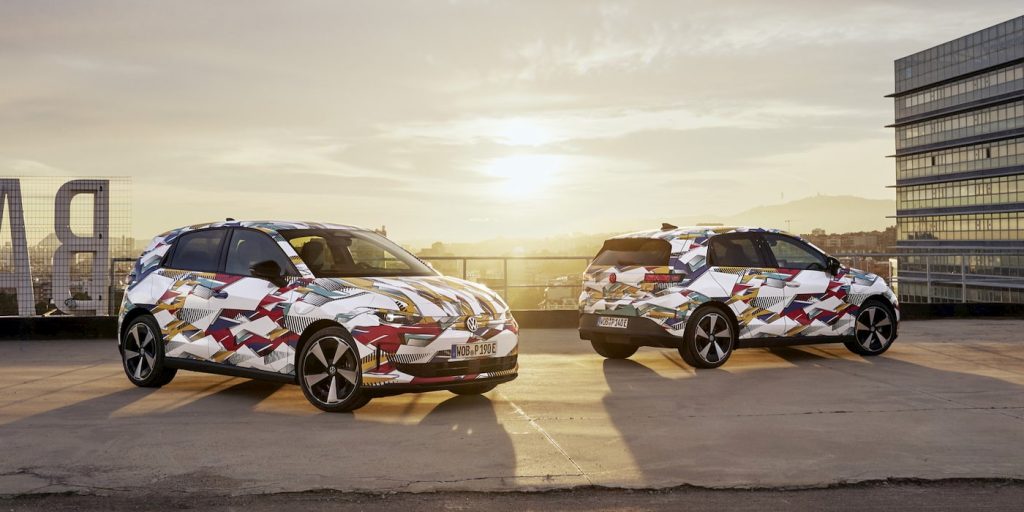
With an affordable price tag, “the ID.Polo should be a strong all-rounder among the pack of small EVs suddenly battling for attention,” Attwood explained.
“It has a classically Volkswagen feel, poise and maturity, and blends a pleasingly mature driving experience with decent practicality and a reassuringly solid feel,” he said, adding, “A Volkswagen that feels like a Volkswagen, then. For that alone, it should be a winner.”
Others who got an early taste of the ID.Polo reported similar thoughts, including Auto Express, which said it “shows VW at its best.”

“Solid, well connected, comfortable and even quite engaging to drive, the ability to build all of this into a well-priced package is something we all hoped for; the surprising bit is how much of VW’s innate ‘character’ has come through,” Jordan Katsianis said after testing the pre-production prototype.
The ID.Polo will launch in Europe in Spring 2026 with prices starting from 25,000 euros ($29,500). It will be the first of four new affordable Volkswagen EVs, followed by the ID.Cross SUV and the smaller ID.1 electric car.
Although Volkswagen has yet confirm it, the ID.Polo is (sadly) not expected to launch in the US. It’s an affordable electric car aimed at Europe’s growing entry-level EV segment. Given the recent policy changes under the Trump administration and America’s love for big trucks and SUVs, don’t expect to see the electric Polo successor in the US anytime soon.
FTC: We use income earning auto affiliate links. More.

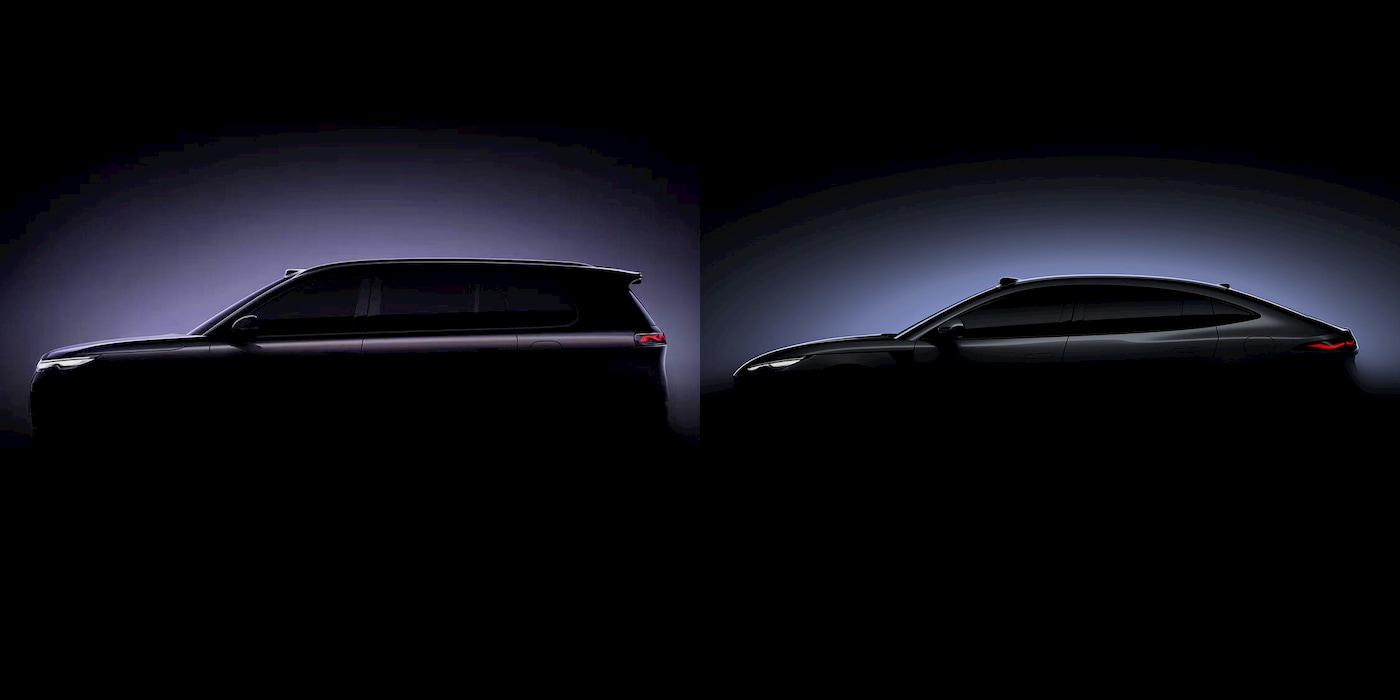
BYD offered a first look at its new flagship electric SUV and sedan, claiming the new EVs redefine high-end standards.
BYD preps to launch new flagship EV sedan and SUV
With over 480,000 new energy vehicles (NEVs) sold in November, BYD is coming off its best sales month of 2025. With new technology and vehicles launching across multiple segments, the company expects momentum to pick up in 2026.
That will include a pair of high-end flagship EVs, the Seal 08 sedan and Sealion 08 SUV. BYD confirmed the names for the first time on Monday alongside teaser images revealing the silhouette of each.
According to CarNewsChina, both models are set to debut in the first three months of 2026 and will feature BYD’s latest tech and software.
Both models are based on the Ocean S concept BYD revealed in April at the Shanghai Auto Show, featuring its latest design theme, Ocean Aesthetic 2.0.
Although China’s MIIT released a sales license for a BYD vehicle named the Seal 08 earlier this year, it launched as the Seal 06 EV this summer.
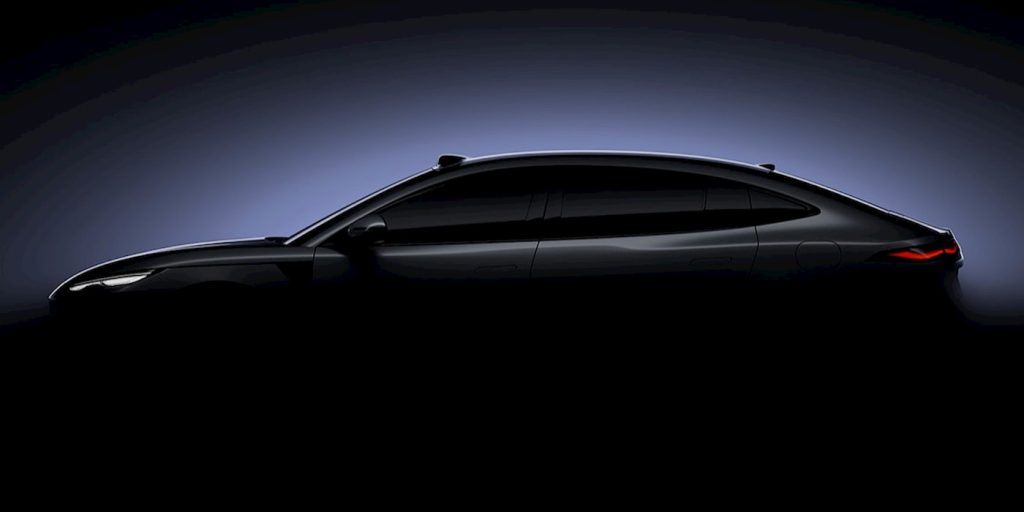
At 4,720 mm long, 1,880 mm wide, and 1,495 mm tall, the electric sedan is about the size of the Tesla Model 3. It’s offered with 46.1 kWh or 56.6 kWh battery packs, delivering a CLTC range of 470 km and 545 km, respectively.
Although BYD has yet to reveal prices or any other details, the Seal 08 is expected to deliver a longer driving range with added power.
Local news outlet 163 claims the new Sealion 08 will be 5,040 mm long, or slightly bigger than the Tesla Model Y-sized Sealion 07 SUV.
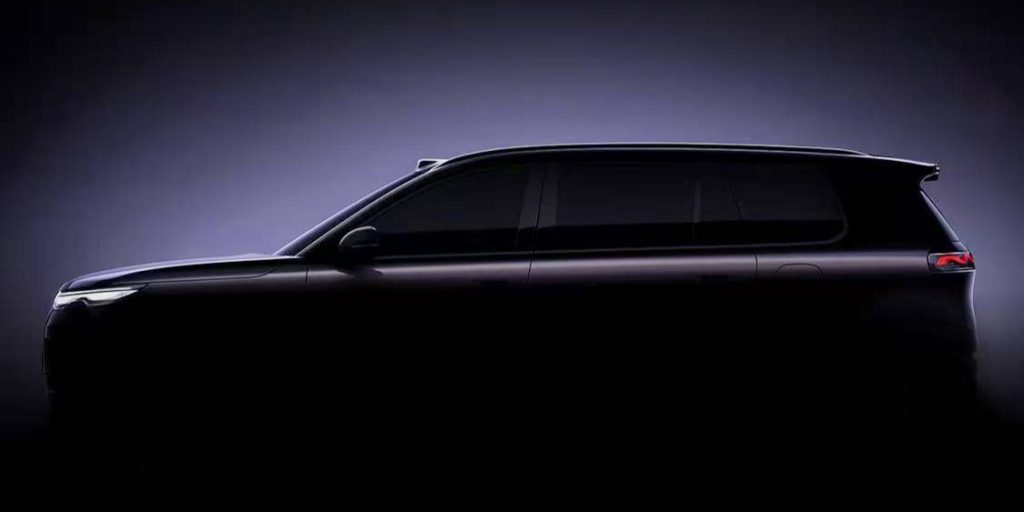
The new flagship SUV and sedan will join other BYD Ocean Series models, including the Seagull, Dolphin, Seal, and Song Plus.
Although November was BYD’s best sales month of the year, growth has slowed in 2025. BYD’s chairman and president, Wang Chuanfu, told investors (via CnEVPost) that the company’s biggest advantage lies in its advanced technologies, including next-gen batteries, smart driving features, charging, and other related EV tech.
“I say our technology isn’t sufficiently advanced now because we have major technological announcements coming, but I can’t disclose details at this time,” Wang said earlier this month.
BYD is also aggressively expanding overseas to drive growth. Last month, BYD’s exports surged 325% with a record nearly 132,000 vehicles shipped overseas.
FTC: We use income earning auto affiliate links. More.
-
 Sports2 years ago
Story injured on diving stop, exits Red Sox game
-
 Sports3 years ago
‘Storybook stuff’: Inside the night Bryce Harper sent the Phillies to the World Series
-
 Sports2 years ago
Game 1 of WS least-watched in recorded history
-
 Sports3 years ago
Button battles heat exhaustion in NASCAR debut
-
 Sports3 years ago
MLB Rank 2023: Ranking baseball’s top 100 players
-
Sports4 years ago
Team Europe easily wins 4th straight Laver Cup
-
 Environment3 years ago
Japan and South Korea have a lot at stake in a free and open South China Sea
-
 Environment1 year ago
Here are the best electric bikes you can buy at every price level in October 2024