
Daly: NHL players won’t play if Olympic ice unsafe


COLORADO SPRINGS, Colo. — NHL deputy commissioner Bill Daly said that if the league’s players feel the quality of the ice at the Olympics in Milan is unsafe, “then we’re not going to play.”
“It’s as simple as that,” Daly told reporters after the NHL board of governors meetings on Monday.
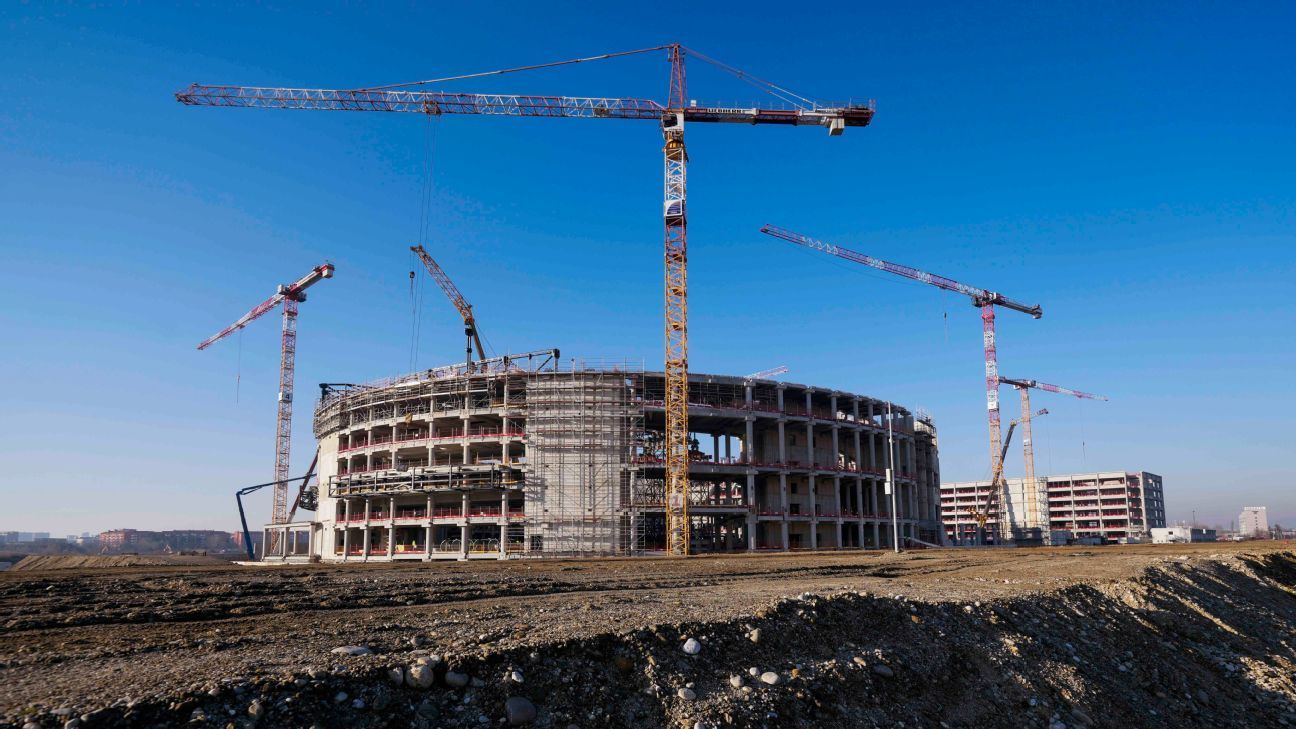
Daly told league owners Monday that he didn’t believe construction issues with the Olympic ice hockey rink were “insurmountable.”
The main hockey arena in Milan is scheduled to be finished Feb. 2. The women’s hockey tournament begins three days later, and the men’s tournament, with NHL players set to participate in the Olympics for the first time in over a decade, begins Feb. 11, leaving very little wiggle room.
The Olympic arenas will feature three games a day for nearly three weeks, which will challenge the resiliency of the ice. Daly categorized the updates the NHL and NHLPA received last week as positive, but said the league was upping its efforts to help see through the arena.
“We have offered and they’re utilizing our ice experts and technicians and outside providers,” Daly said. “We’re basically moving everybody there to try to help get this done in a way that’s acceptable for NHL athletes. And I’m cautiously optimistic it will be fruitful.”
The NHL will have ongoing access to the ice. That will include being on site for a test event scheduled for the main rink from Jan. 9-11.
On Monday, the IIHF acknowledged the two rinks in Milan would be about 3 feet shorter than a standard NHL rink (196.85 feet by 85.3 feet, instead of 200 feet by 85 feet) — which goes against the agreement the NHL and NHLPA signed with the IIHF in July.
Daly said the league found out about the skewed dimensions last week, and he was not sure how it happened. Some federations were made aware earlier, but Daly said nobody raised the issue to him and the league did not notice the difference in several site visits because it wasn’t anything “perceptible to anybody. It’s not like people bring tape measures there.”
But the NHL and NHLPA are willing to look past that for now — though they will insist the rink for the 2030 Olympics in France is built to NHL standards.
“The players association has canvassed the players and apparently they did not believe it to be a big issue, health and safety issue or a competitive issue,” Daly said.
The Pittsburgh Penguins and Nashville Predators played games on a similar-sized rink last month at the Global Series in Sweden; the solution was to move the lines so the missing ice was accounted for in the neutral zone rather than either offensive zone. Daly said they did not receive any feedback from players after those games.
Organizers have insisted there is no Plan B for the Olympic hockey tournament to be held elsewhere if the rink is not ready. Daly said the NHL also doesn’t have a contingency plan yet if it decides the ice is not suitable.
“I mean, it kind of is what it is,” Daly said. “Having said that, if you’re faced with that being the reality, then you have to think about what you do next. “
The NHL will go dark for a two-week period during the Games. Asked if it was possible to reconfigure the schedule if necessary, Daly said he wasn’t sure yet.
“Well, I can’t tell you exactly what we do,” he said. “What I’d say is, I think in emergency-type situations like that in the past, I think we’ve responded appropriately, came up with good solutions and I have no doubt that we’ll be able to come up with good solutions if we’re faced with that.”
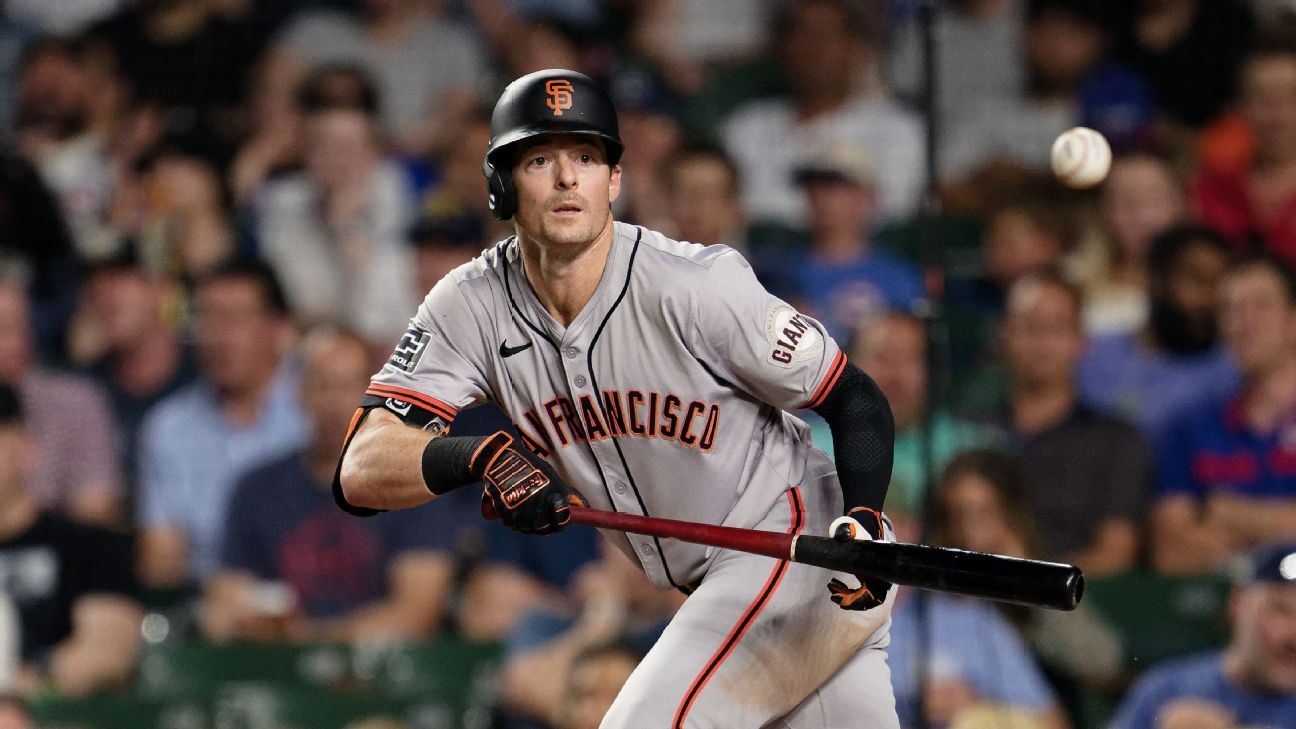

ATLANTA — The Atlanta Braves signed veteran outfielder Mike Yastrzemski to a two-year deal Wednesday that includes a club option for 2028.
The 35-year-old Yastrzemski hit .233 with 17 home runs and 46 RBIs in 146 games last year between San Francisco and Kansas City.
Yastrzemski, who spent the first six-plus seasons of his career with the Giants before being sent to the Royals in July, will make $9 million in 2026 and $10 million in 2027. Atlanta holds a club option for 2028. Yastrzemski will make $7 million if the Braves pick up the option. He will receive a $4 million buyout if they do not.
The versatile Yastrzemski, the grandson of Hall of Famer Carl Yastrzemski, can play all three outfield positions and is a career .238 hitter. His best season came in the COVID-19-shortened 2020 campaign, when he batted .297 with 10 homers in 54 games and finished in the top 10 in NL MVP voting.

-
Jorge Castillo
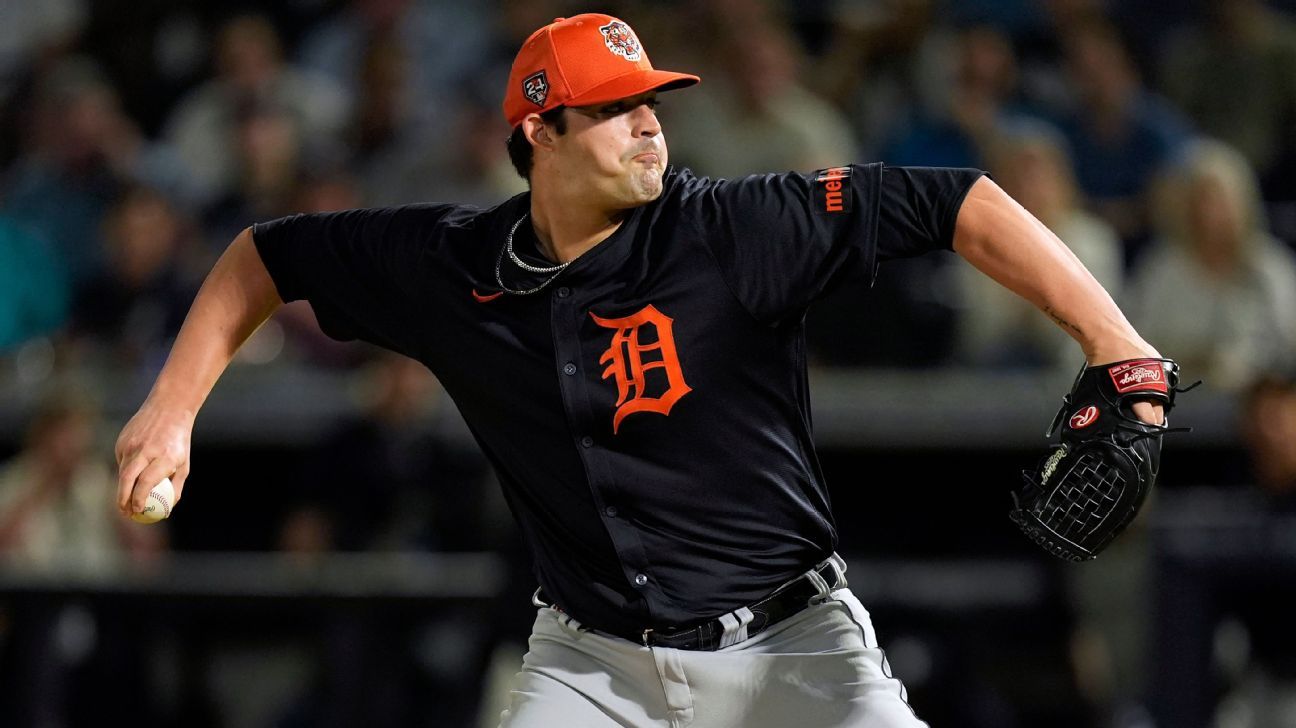
ORLANDO, Fla. — The New York Yankees made their first selection in a Rule 5 draft since 2011 on Wednesday, taking right-hander Cade Winquest from the St. Louis Cardinals.
Winquest was one of 13 players — and 12 right-handed pitchers — chosen in the major league portion of the draft.
The Rockies took RJ Petit, a 6-foot-8 reliever, with the first pick from the Detroit Tigers. Petit, 26, had a 2.44 ERA in 45 relief appearances and two starts between Double A and Triple A last season. The Minnesota Twins chose the only position player, selecting catcher Daniel Susac from the Athletics.
Clubs pay $100,000 to select a player and must keep him on the active major league roster for the entire following season unless he lands on the injured list. Players taken off the roster must be offered back to the former club for $50,000.
The 25-year-old Winquest recorded a 4.58 ERA with a 48% groundball rate in 106 innings across 25 games, including 23 starts, between Single A and Double A last season. He features a fastball that sits in the mid-90s and touches 98 mph plus a curveball, cutter and sweeper. He is expected to compete for a spot in the Yankees’ bullpen next season.
Right-hander Brad Meyers was the last player the Yankees had chosen in a Rule 5 draft. He suffered a right shoulder injury in spring training and was on the injured list for the entire 2012 season before he was offered back to the Washington Nationals. He never appeared in a major league game.
Also picked were right-hander Jedixson Paez (Colorado from Boston), right-hander Griff McGarry (Washington from Philadelphia), catcher Carter Baumler (Pittsburgh from Baltimore), right-hander Ryan Watson (Athletics from San Francisco), right-hander Matthew Pushard (St. Louis from Miami), right-hander Roddery Munoz (Houston from Cincinnati), right-hander Peyton Pallette (Cleveland from Chicago White Sox), right-hander Spencer Miles (Toronto from San Francisco), right-hander Zach McCambley (Philadelphia from Miami) and right-hander Alexander Alberto (White Sox from Tampa Bay).

-
 Sports2 years ago
Story injured on diving stop, exits Red Sox game
-
 Sports3 years ago
‘Storybook stuff’: Inside the night Bryce Harper sent the Phillies to the World Series
-
 Sports2 years ago
Game 1 of WS least-watched in recorded history
-
 Sports3 years ago
Button battles heat exhaustion in NASCAR debut
-
 Sports3 years ago
MLB Rank 2023: Ranking baseball’s top 100 players
-
Sports4 years ago
Team Europe easily wins 4th straight Laver Cup
-
 Environment3 years ago
Japan and South Korea have a lot at stake in a free and open South China Sea
-
 Environment1 year ago
Here are the best electric bikes you can buy at every price level in October 2024