

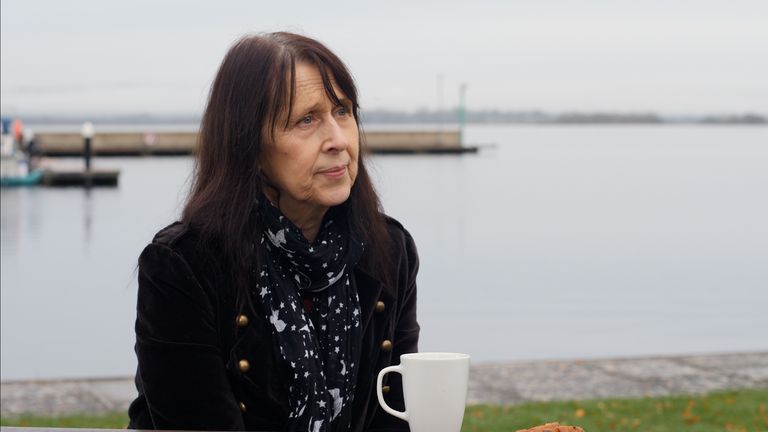
Siobhan MacGowan almost looks surprised as she remembers.
“It went very, very quickly. Even the first year went really quickly. Two years… you know,” she tails off.
The 24 months since her brother Shane died have flown by in one sense, but it’s clear that the family’s grief has barely subsided.
“It’s still very raw for me,” Siobhan says. “I can’t listen to Shane’s music, and I can’t watch him on video or listen to him speak.”
Siobhan MacGowan
Legendary frontman of The Pogues, Shane MacGowan died on 30 November 2023 at the age of 65, following a long illness.
He passed away in the lead-up to Christmas, a time when his voice is heard on every radio station and in every pub – in the form of Fairytale Of New York.

Shane and Siobhan on the Tipperary wilds
For his sister, the festive anthem – which he co-penned with the band’s banjoist Jem Finer – is now a visceral torment.
“You can be a genius, the way you can avoid it [the song]”, Siobhan says. “If it’s coming on, I just turn it straight off. If I’m in a supermarket, I just block it out, or I go into the loo, or I go outside, or I do something like that, but I have to block it.”
She can’t listen to Fairytale “at all”. “It’s just pain. Pain in my heart. It’s just so painful.”
We look at a picture of Siobhan and Shane from Christmas Day 1987. Fairytale Of New York was number one in Ireland, but had been pipped by the Pet Shop Boys in the UK.
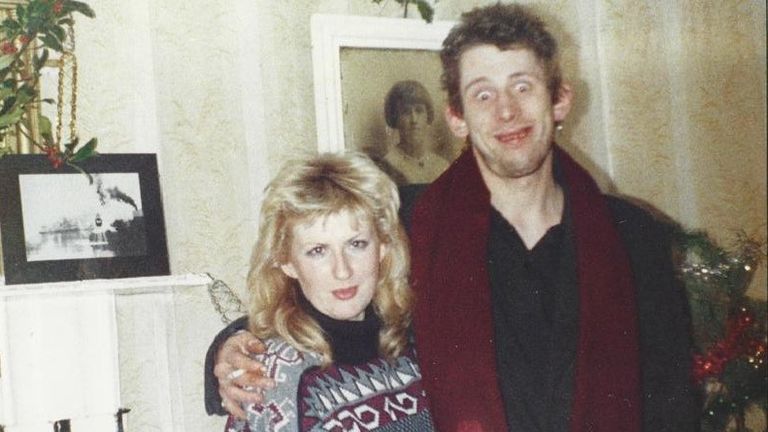
Christmas in 1987. Family photo
“I remember him saying he wouldn’t have minded if it had been Michael Jackson that had beaten him,” Siobhan recalls. “But he couldn’t forgive the Pet Shop Boys. And it was a terrible cover of Always On My Mind! It was dreadful like, so he couldn’t forgive that.”
But Shane got over it? “No,” she bursts out laughing.

Siobhan and Shane celebrating his 60th birthday , on Christmas Day, in Tipperary, Ireland
On a fresh, clear winter’s day, we are sitting by the banks of the Shannon in Dromineer, Co Tipperary. It’s one of the locations that inspired Shane’s song The Broad Majestic Shannon. Since the death of the singer, born in the UK to Irish parents, fans have made the pilgrimage to this part of Ireland, desperate to seek out the places that shaped his music.
Siobhan, along with Shane’s widow, Victoria Mary Clarke, has launched a self-guided walking tour called Unravelling Shane, in a bid to give some structure to those journeys.
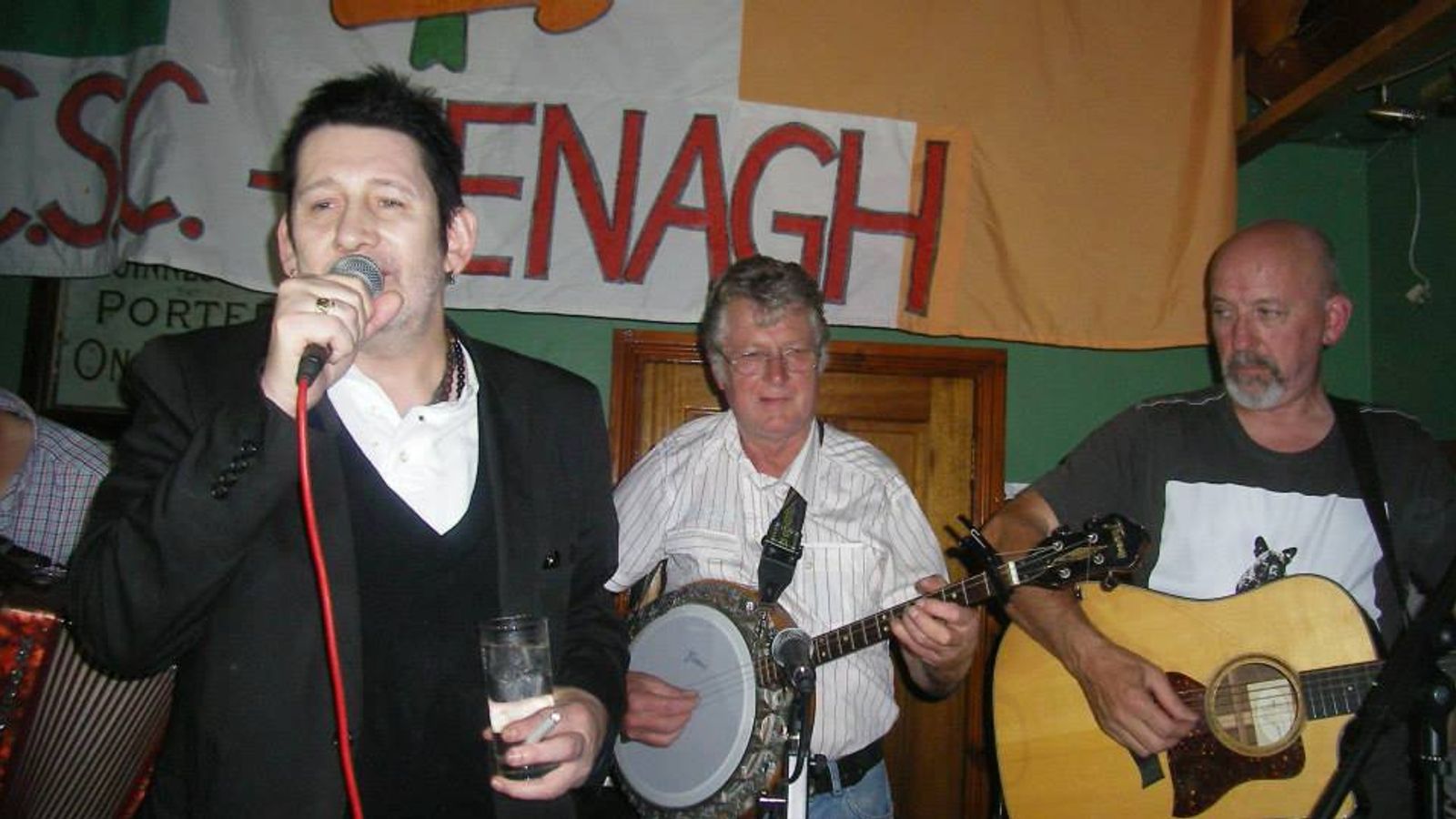
In the town of Nenagh, we visit some of the spots on the map, including Philly Ryan’s pub, Shane’s favourite watering hole. Philly is behind the bar, an ebullient force of nature, dressed like an undertaker. That’s because he is one. In time-honoured Irish fashion, he is both publican and funeral director.
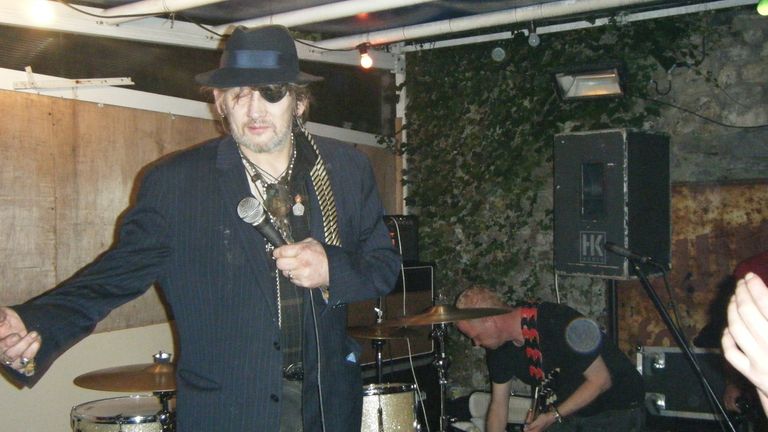
Shane about to perform at Philly Ryan’s
In one role, he enjoyed many a raucous night with Shane MacGowan. In the other, he planned the funeral of his great friend. “Such a shock,” he says, recalling the phone call from Siobhan after her brother died.
Sitting among endless Shane and Pogues memorabilia, Philly reckons the late singer would enjoy the posthumous boost to Tipperary tourism.
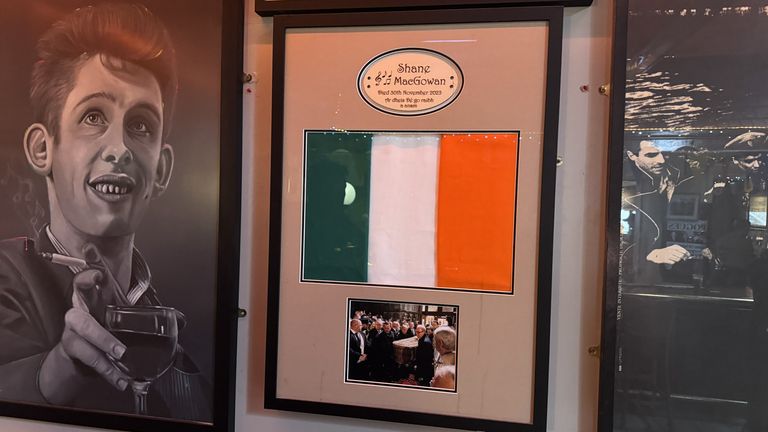
The flag from Shane’s coffin framed in Philly Ryan’s pub in Nenagh, Co Tipperary, Ireland
“Shane loved Nenagh,” Philly says. “He’d have loved to get that attention onto Nenagh as a gift from Shane MacGowan to people of Nenagh. Nenagh was his town and he loved it dearly.”
Fans from all over the world wander into the pub now, looking for a tangible taste of Shane MacGowan’s legacy.
“We’ve had requests from places like Serbia, Italy, Germany, America, Japan,” says Carmel Ormond of the new walking tour. She’s a tourism officer with Destination Lough Derg.
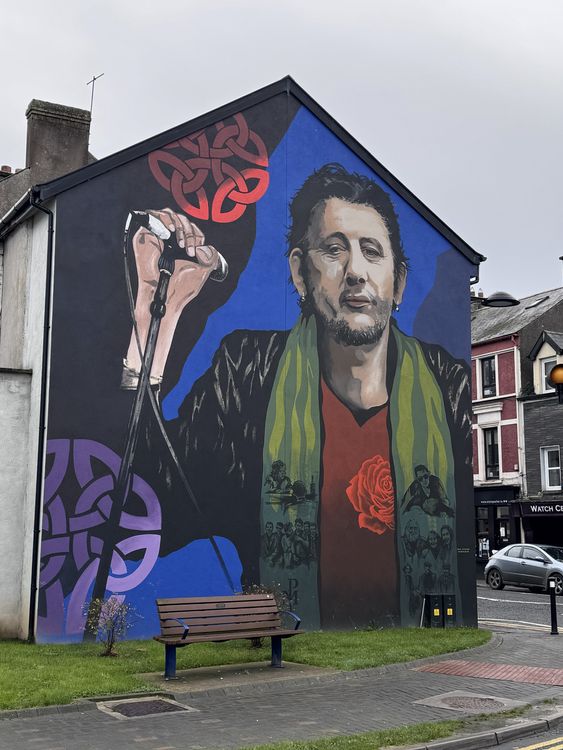
Murals in the town of Nenagh, Co Tipperary
“It’s a huge amount of people interested from Japan, from Australia. We’ve requests from all over the world. We constantly meet people that are rambling around trying to find an area. It has become a huge tourist attraction.”
Another stop in Nenagh is the St Mary of the Rosary church, where Shane used to attend Sunday mass with his mother. Two years ago, it was the venue for his funeral. Attended by Johnny Depp and Nick Cave, it was streamed live around the world, as family members danced in the aisle to Fairytale Of New York.
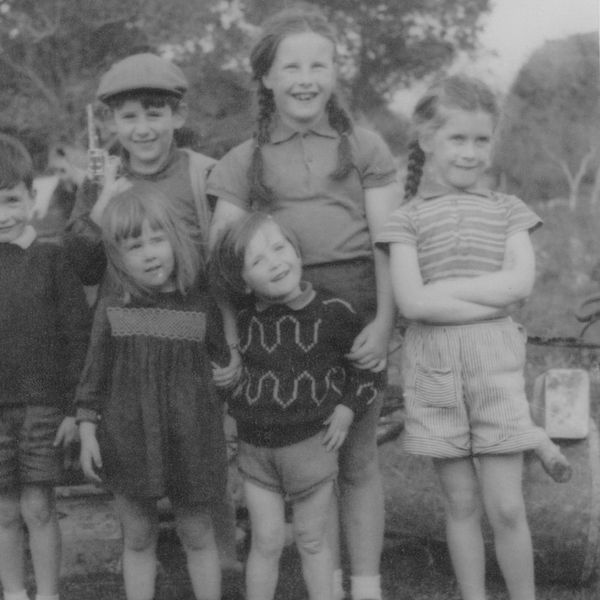
Shane (wearing cap) and Siobhan (in front of him) on a farm in Tipperary, Ireland
“I danced with my husband and my heart was absolutely breaking,” Siobhan remembers. “I danced through it, and I did it for him. It was a dance of defiance against death. I thought, death is not going to stop this song.”
As his family continue to grapple with their loss this festive period, Shane MacGowan’s legacy is continuing to be shaped. Siobhan says his passing made her finally appreciate the full gifts of her sibling as an artist and a person.
“It was then I realised the huge volume of work and people’s reaction to him and his work that, to me, was extraordinary. Like I thought, wow, look at what you did. That’s what I said, look at what you did, you know.
“It only seems to be getting stronger. His legacy only seems to be getting stronger.”
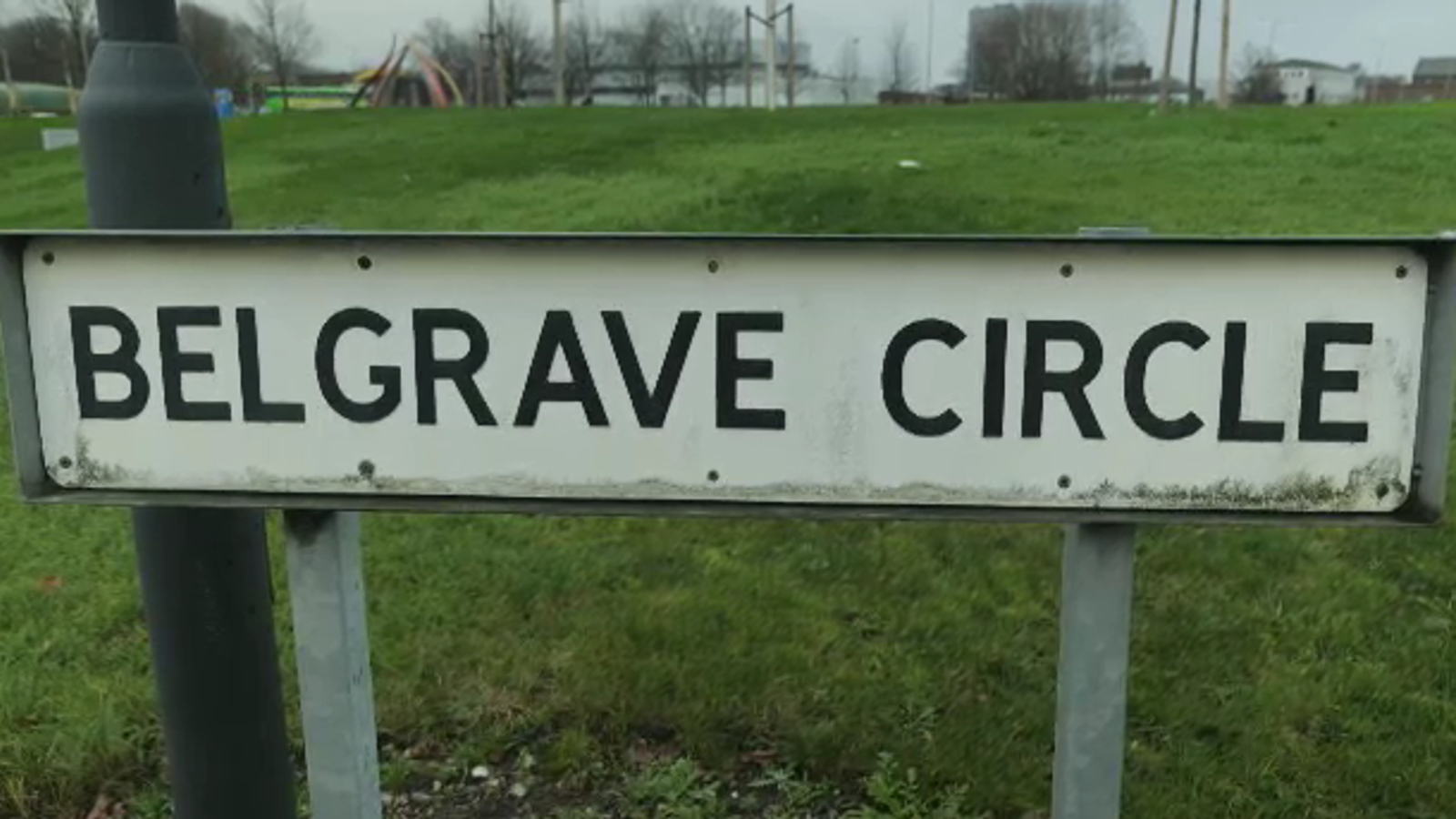
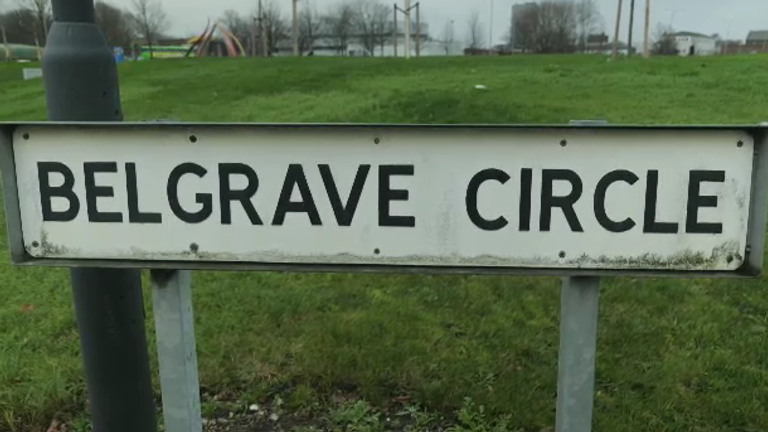
This is a story about a roundabout in Leicester.
It’s not a particularly special roundabout.
But it does tell us something about British politics.
Belgrave Circle, in the north of the city, was opened in March 2015 on the site of an old railway station known locally as “The Gateway to Skegness”.
Later that year, Leicester – along with the rest of the country – went to the polls in the 2015 general election.
The vote saw David Cameron win a majority and Ed Miliband resign as Labour leader.
But around the Belgrave Circle, something different was going on.
Because this is the spot where Leicester‘s three parliamentary constituencies meet, and in 2015 they were all held by Labour MPs who saw their majorities increase.
It’s a different story now.
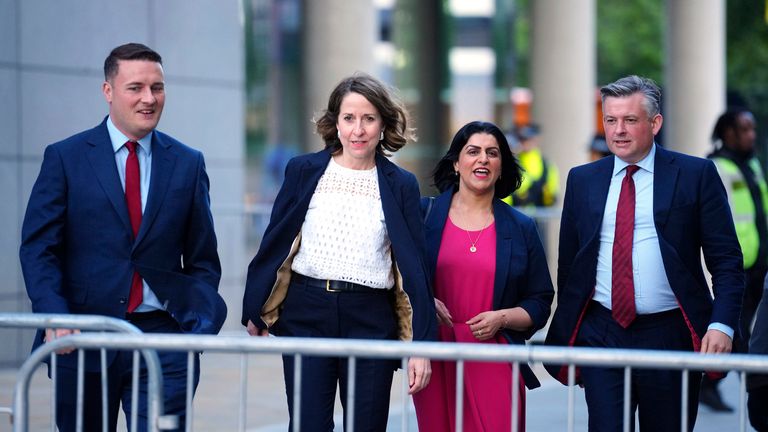
Stand in the middle of the roundabout and face towards Abbey Park and you’ll see the city’s only remaining Labour seat – that of cabinet minister Liz Kendall.
Liz Kendall (left) and Jonathan Ashworth’s (right) constituencies used to meet at Belgrave Circle roundabout until Ashworth lost his seat. Pic: AP
Turn around and face the B&M Home Store, and you’ll find the only place the Conservatives picked up at the last election.
This freak occurrence happened after the Labour vote was split by two independent candidates – both of whom also happened to be former MPs for the city.
Labour saw its vote share cut in half here, and then some.
The Tory vote dropped as well, but not by enough to stop the party coming through the middle and taking the seat by four thousand votes.
But walk to the south of this roundabout and you’ll get to where an independent candidate went one step further.
Local optician Shockat Adam won this seat last year, defeating frontbencher Jonathan Ashworth in a campaign focused mainly on Gaza and events in the Middle East.
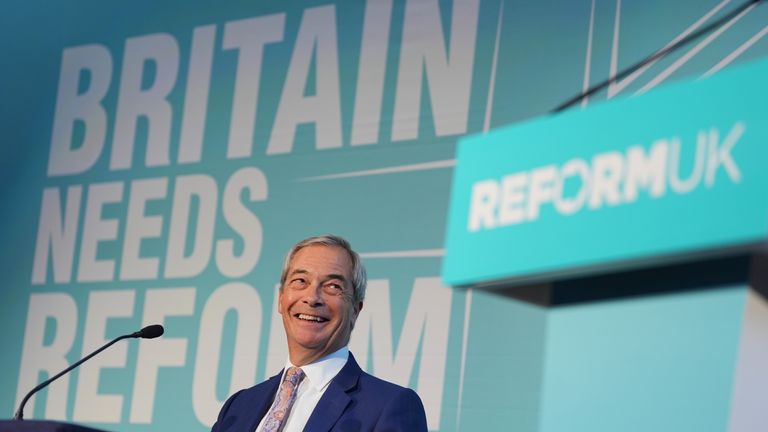
Labour have begun painting themselves as the “bulwark” to Nigel Farage. Pic: PA
What happened on this roundabout last July is no one-off. There’s plenty of evidence to suggest these phenomena could be on the rise around the country.
Since the election, Labour’s vote share has plunged, and its base has fractured as support for insurgent parties on the right and left surges.
A lot of the focus from this has been on Reform UK and how Labour can stop Nigel Farage in traditional ‘red wall’ seats in the midlands and the north.
And yes, Labour is leaking support to Reform on the right. But what’s often not talked about is the greater number of votes its losing on the left.
If the Greens do well, it could split the left wing vote, clearing the way for another party to win in a roundabout way
A rejuvenated Green Party under Zack Polanski is chasing Labour close in some polls, while Your Party is attempting to form a separate fighting force straddling ex-Corbynites, independent pro-Gaza candidates and those from the more hard-left tradition.
Come the next election, this could all have far-reaching consequences.
Sky News has ranked all 404 Labour seats according to how at risk they are to these new forces on the left. We created this ‘vulnerability index’ using factors like voting history, population and demographic data.
It shows several cabinet ministers in the top 25 most vulnerable, including Home Secretary Shabana Mahmood in fourth place, Sir Keir Starmer in thirteenth place and Deputy Prime Minister David Lammy in twenty-third place.
All three of these Labour big beasts have seen their majorities cut in the last election by a Green candidate, an independent candidate or a mix of the two.
In Birmingham Ladywood, the total number of votes won by independent and green candidates exceed the number won by the Home Secretary.
That could trigger trouble, given the Greens and Your Party have indicated they may be open to the idea of local “progressive pacts”.
But in the neighbouring constituency of Birmingham Hodge Hill and Solihull North, the result last year shows how an altogether different result could materialise.
Here, Labour’s vote was again split by a left-wing insurgent candidate – this time from George Galloway’s Workers Party.
But the conservative vote was also cut in half by Reform.
If Nigel Farage can unite the right in places like this, he could come through the middle – in much the same way the Tories did in Leicester.
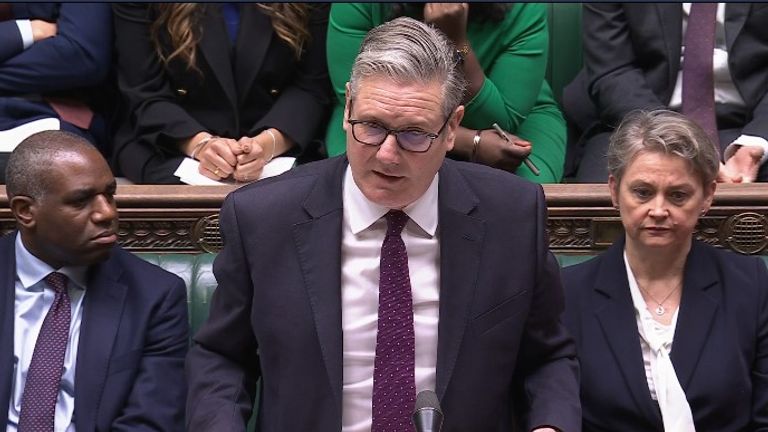
Keir Starmer’s constituency ranks thirteenth on Sky’s vunerability index. David Lammy’s is twenty third.
So how can the government fight back?
Part of the answer, according to senior figures, is attempting to tell a more appealing story about the more overly left-wing chunks of their policy platform – such as the workers rights reforms and rental overhaul.
The hope is these stories may be given more of a hearing in 2026 when (or perhaps more accurately, if) a corner starts to be turned on big domestic priorities like the economy, the NHS and migration.
If that doesn’t happen, the real saving grace for Labour could be tactical voting.
The Greens and Your Party have made it clear that they will plough on with their campaigns against the government, even if it ultimately benefits Reform.
Read more from Sky News:
Australia launches intelligence review
Engineer becomes first wheelchair user in space

If Kemi Badenoch and Nigel Farage split the right wing vote, it may allow Labour, the Liberal Democrats, or another party to come through the middle
What’s less clear is whether left-wingers across the country will.
If they are faced with the prospect of Nigel Farage in Downing Street, could they hold their nose and stick with Labour?
It all begs the question – who is their great enemy: the government or Reform?
Ministers are already trying to emphasise a binary choice when they talk about Labour being the one single “bulwark” to Nigel Farage.
Expect more attempts to mobilise this anti-Reform vote in the years ahead.
But that’s made more difficult by what happened around Leicester’s Belgrave Circle. The same political fracturing that’s dogged the right in years past now being replicated on the left.
Labour’s ability to pick up the electoral pieces may prove decisive in whether what took place on a shabby East Midlands roundabout in July 2024 is recreated across the country in a few years’ time.
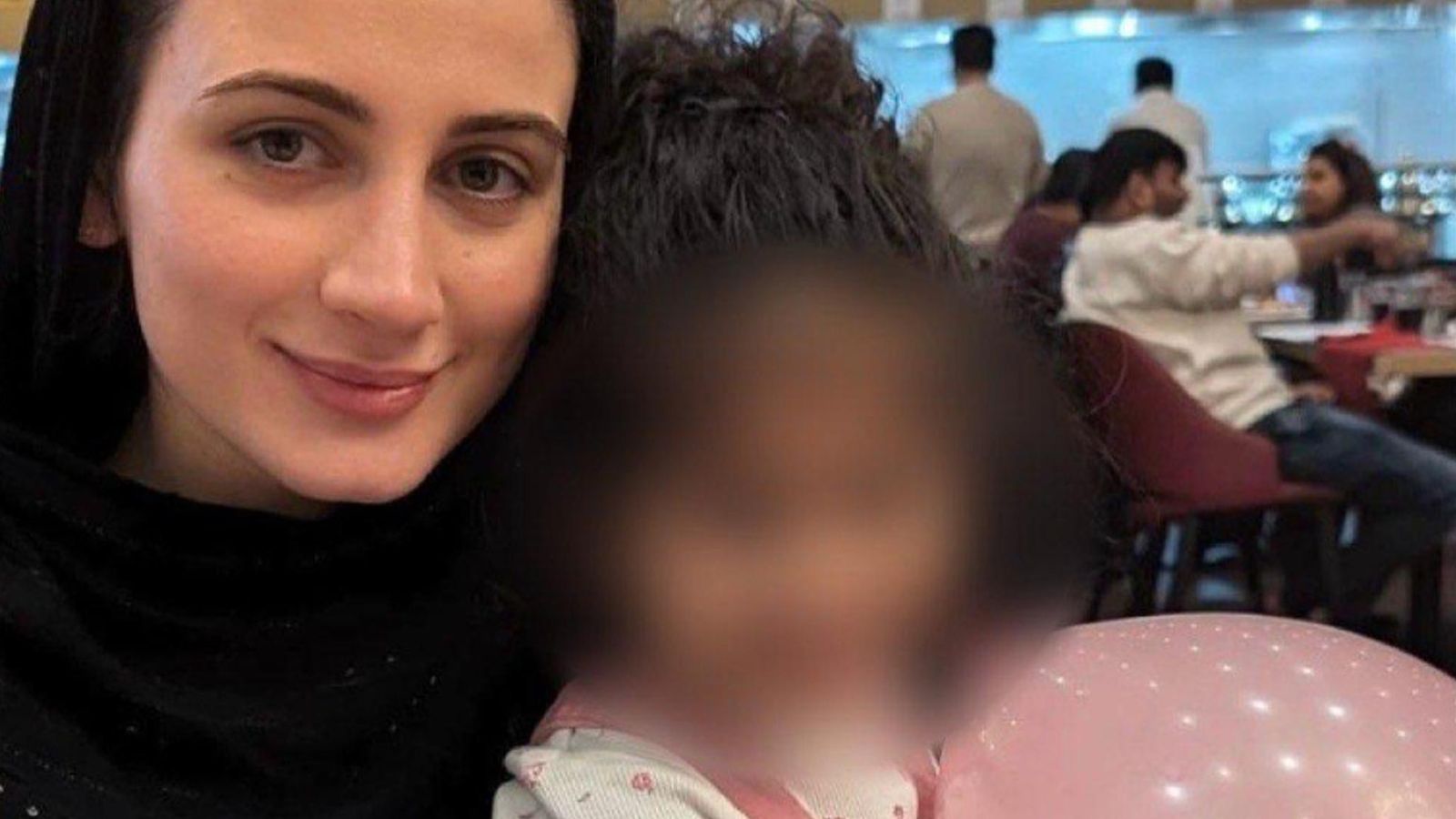
The family of a Palestine Action prisoner on day 43 of a hunger strike says she could die in prison if the UK government does not intervene.
Teuta Hoxha, 29, has been on remand, awaiting trial for 13 months. Her sister told Sky News she suffers from continuous headaches, mobility issues, and can no longer stand for prayer.
They fear the worst.
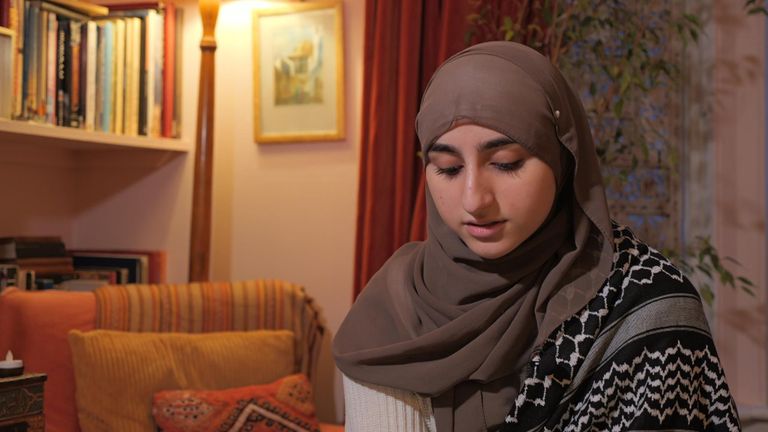
“I know that she’s already instructed the doctors on what to do if she collapses and she’s instructed them on what to do if she passes away,” Teuta’s younger sister Rahma said. “She’s only 29 – she’s not even 30 yet and nobody should be thinking about that,” she added.
“She’s been on remand for over a year, her trial’s not until April next year and bail keeps getting denied.”
Teuta Hoxha’s sister, Rahma
Rahma, 17, said despite ill health, Teuta calls her from prison every day to help with homework.
“She’s like my mother figure,” she said. “Our mother passed away when I was really young.
“Teuta took care of me and my siblings and made sure to read us bedtime stories. She’s always there for me and even from prison, she’s helping me do my homework and revise for exams.”
“My sister is a caring and loving person,” Rahma added. “It feels like the state has taken a piece of me.”
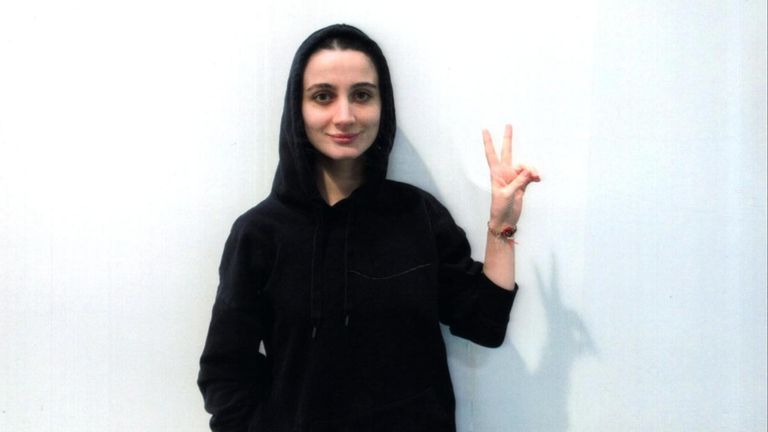
Teuta Hoxha

Teuta Hoxha with her sister Rahma
Teuta is among eight Palestine Action prisoners who have been on hunger strike. They are all on remand, awaiting trial for offences relating to alleged break-ins or criminal damage, with some having been in custody for over 12 months. They all deny the charges.
The hunger strikers demand an end to the UK’s hosting of weapons factories supplying arms to Israel, the de-proscription of Palestine Action, an end to mistreatment of prisoners in custody, and immediate bail.
Read more:
Five Palestine Action hunger strikers taken to hospital
Palestine Action can challenge terror ban after court verdict
Their families warn young British citizens will die in UK prisons having never been convicted on an offence.
UK law sets out custody time limits to safeguard unconvicted defendants by preventing them from being held in pre-trial custody for an excessive period of time. The regulations governing these limits require the prosecution to progress cases to trial diligently and expeditiously.
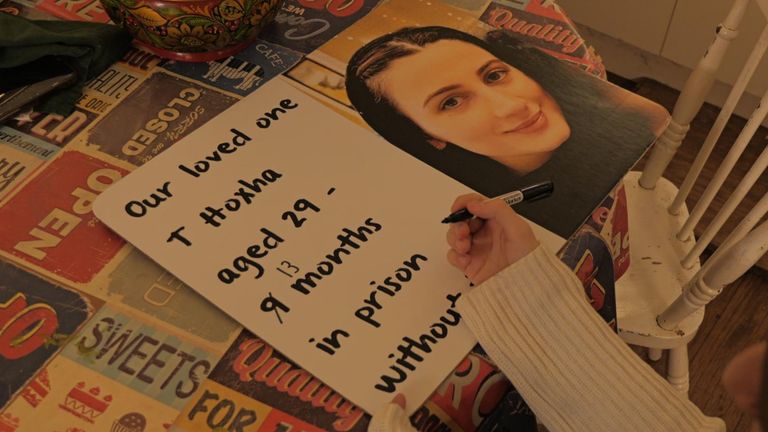
The government has said it will not intervene in ongoing legal cases.
Minister of state for prisons, probation and reducing reoffending Lord Timpson said: “These prisoners are charged with serious offences including aggravated burglary and criminal damage.
“Remand decisions are for independent judges, and lawyers can make representations to the court on behalf of their clients.
“Ministers will not meet with them – we have a justice system that is based on the separation of powers, and the independent judiciary is the cornerstone of our system. It would be entirely unconstitutional and inappropriate for ministers to intervene in ongoing legal cases.”
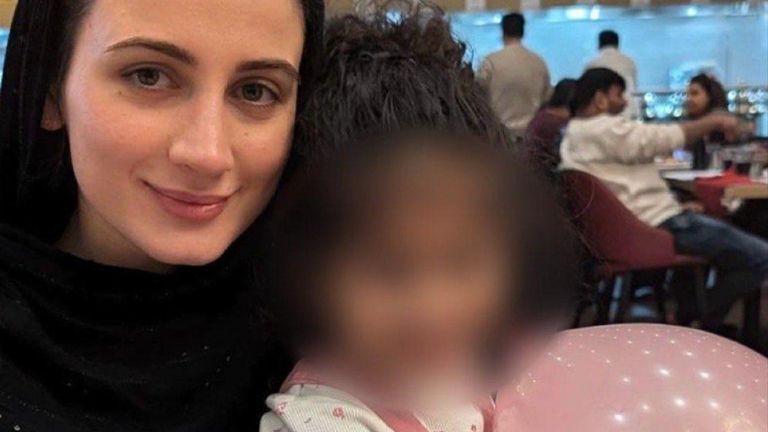
On Monday, Teuta is set to mark her 30th birthday behind bars. There will be no birthday cake, Rahma said.
“The only form of resistance she has is her body and that’s what she is using against the state.”
A spokesperson for HMP Peterborough declined to comment on specific individuals, but said all prisoners are managed in line with government policies and procedures.
They continued: “If any prisoner has specific complaints, we encourage them to raise them directly with the prison, as there are numerous channels available for addressing such concerns.”
-
 Sports2 years ago
Story injured on diving stop, exits Red Sox game
-
 Sports3 years ago
‘Storybook stuff’: Inside the night Bryce Harper sent the Phillies to the World Series
-
 Sports2 years ago
Game 1 of WS least-watched in recorded history
-
 Sports3 years ago
Button battles heat exhaustion in NASCAR debut
-
 Sports3 years ago
MLB Rank 2023: Ranking baseball’s top 100 players
-
Sports4 years ago
Team Europe easily wins 4th straight Laver Cup
-
 Environment3 years ago
Japan and South Korea have a lot at stake in a free and open South China Sea
-
 Environment1 year ago
Here are the best electric bikes you can buy at every price level in October 2024