

Chris Pincher appealing against eight-week Commons suspension


Former Tory MP Chris Pincher is appealing an eight-week suspension – which was recommended after an investigation into groping claims made against him.
A letter from the Independent Expert Panel – which handles appeals against such rulings – confirmed his decision on Thursday night, hours before the deadline.
The allegations surfaced last summer when the then deputy chief whip was accused of assaulting two guests at the exclusive Carlton Club in London.
He resigned from his post and was later suspended by the Conservative Party.
The parliamentary watchdog launched its investigation in October, looking into whether Mr Pincher’s actions caused “significant damage to the reputation of the House” – a breach of the members’ code.
The Commons Standards Committee published its conclusions earlier this month, saying the MP’s conduct had been “completely inappropriate, profoundly damaging to the individuals concerned, and represented an abuse of power”, and that his actions would “significantly impact public perception of the House and its members”.
It recommended the eight-week suspension, which would likely trigger a by-election in his constituency of Tamworth, and Mr Pincher – who now sits as an independent – had until Thursday to launch an appeal.
July 2022: Chris Pincher quizzed by Sky News
In his response to the investigation, Mr Pincher said: “I apologise sincerely again for my behaviour at the Carlton Club last year, as I did the day I resigned from the government.
“I have sought professional medical help, which is ongoing and has been beneficial to me, for which I am grateful.
“I am truly grateful for the kindness that I have received from my constituents, family and friends.”
What were the allegations in report?
The watchdog gave details of the allegations against the MP in its report, with a House of Lords employee saying Mr Pincher had stroked his neck and squeezed his bottom.
The second complainant – a civil servant – said he touched his bottom before moving his hand to touch and squeeze his testicles.
Mr Pincher told the investigation that he did not remember the events that took place that evening, but apologised to all parties involved.
However, he claimed he had returned to the club after the event in a personal capacity and denied his behaviour had caused significant damage to the reputation of the House and its members.
And he also claimed there were “inconsistencies, anomalies and gaps in the evidence” which he argued “don’t present a complete picture”.
But the standards commissioner, Daniel Greenberg, called his behaviour “shocking” and “deeply inappropriate”, and concluded Mr Pincher had breached paragraph 17 of the 2019 Code of Conduct for Members.
The Commons will have to agree any suspension before it takes place, but that will now be delayed while the appeal is heard and while MPs are on their summer recess.

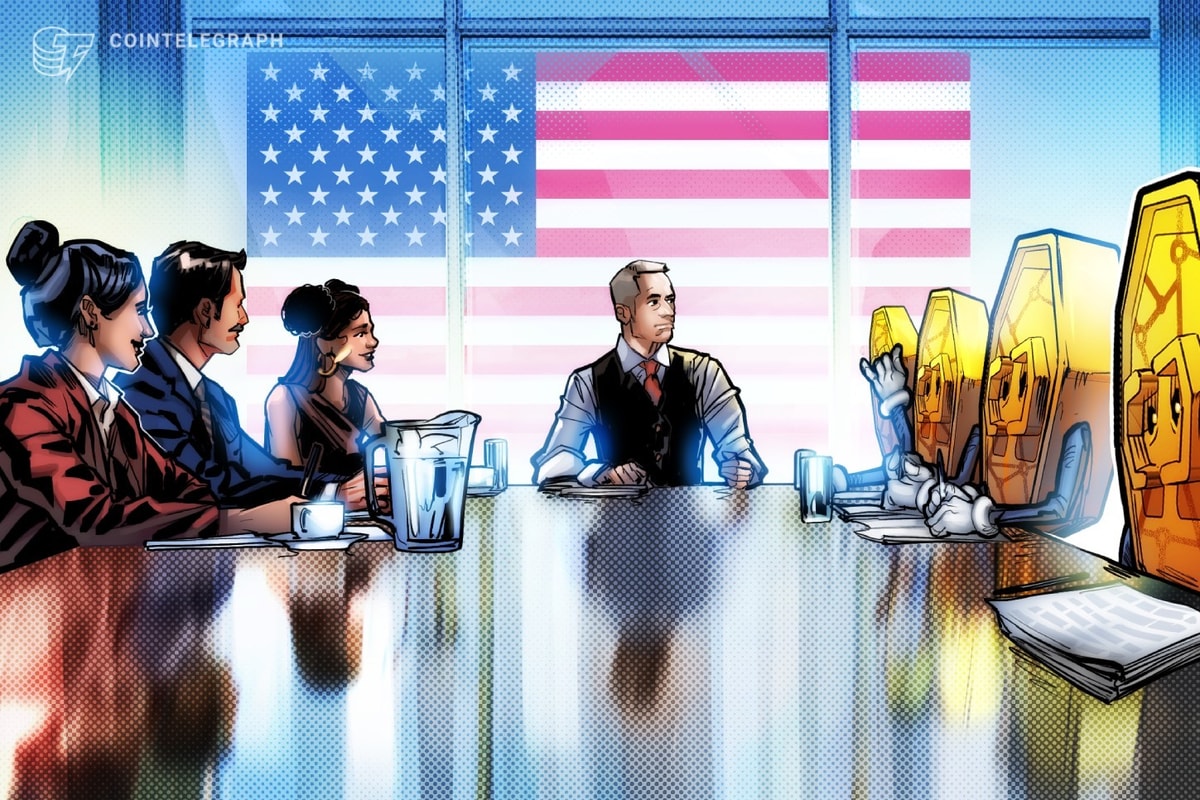
A growing rift has emerged in Washington, D.C., between the cryptocurrency industry and labor unions as lawmakers debate whether to ease rules allowing cryptocurrencies in 401(k) retirement accounts.
The dispute centers on proposed market structure legislation that would allow retirement accounts to gain exposure to crypto, a move labor groups say could expose workers to speculative risk. In a letter sent on Wednesday to the US Senate Banking Committee, the American Federation of Teachers argued that cryptocurrencies are too volatile for pension and retirement savings, warning that workers could face significant losses.
The letter drew immediate pushback from crypto investors and industry figures. “The American Federation of Teachers has somehow developed the most logically incoherent, least educated take one could possibly author on the matter of crypto market structure regulation,” a crypto investor said on X.

In response to the letter, Castle Island Ventures partner Sean Judge said the bill would improve oversight and reduce systemic risk, while enabling pension funds to access an asset class that has delivered strong long-term returns.
Consensys attorney Bill Hughes said the AFT’s opposition to the crypto market structure bill was politically motivated, accusing the group of acting as an extension of Democratic lawmakers.

Related: Atkins says SEC has ‘enough authority’ to drive crypto rules forward in 2026
Opposition to crypto in retirement and pension funds mounts
Proponents of allowing crypto in retirement portfolios, on the other hand, argue that it democratizes finance, while trade unions have voiced strong opposition to relaxing current regulations, claiming that crypto is too risky for traditional retirement plans.
“Unregulated, risky currencies and investments are not where we should put pensions and retirement savings. The wild, wild west is not what we need, whether it’s crypto, AI, or social media,” AFT president Randi Weingarten said on Thursday.
The AFT represents 1.8 million teachers and educational professionals in the US and is one of the largest teachers’ unions in the country.
According to Better Markets, a nonprofit and nonpartisan advocacy organization, cryptocurrencies are too volatile for traditional retirement portfolios, and their high volatility can create time-horizon mismatches for pension investors seeking a predictable, low-volatility retirement plan.

In October, the American Federation of Labor and Congress of Industrial Organizations (AFL-CIO) also wrote to Congress opposing provisions within the crypto market structure regulatory bill.
The AFL-CIO, the largest federation of trade unions in the US, wrote that cryptocurrencies are volatile and pose a systemic risk to pension funds and the broader financial system.
Magazine: 13 Christmas gifts that Bitcoin and crypto degens will love

-
 Sports2 years ago
Story injured on diving stop, exits Red Sox game
-
 Sports3 years ago
‘Storybook stuff’: Inside the night Bryce Harper sent the Phillies to the World Series
-
 Sports2 years ago
Game 1 of WS least-watched in recorded history
-
 Sports3 years ago
Button battles heat exhaustion in NASCAR debut
-
 Sports3 years ago
MLB Rank 2023: Ranking baseball’s top 100 players
-
Sports4 years ago
Team Europe easily wins 4th straight Laver Cup
-
 Environment3 years ago
Japan and South Korea have a lot at stake in a free and open South China Sea
-
 Environment1 year ago
Here are the best electric bikes you can buy at every price level in October 2024