
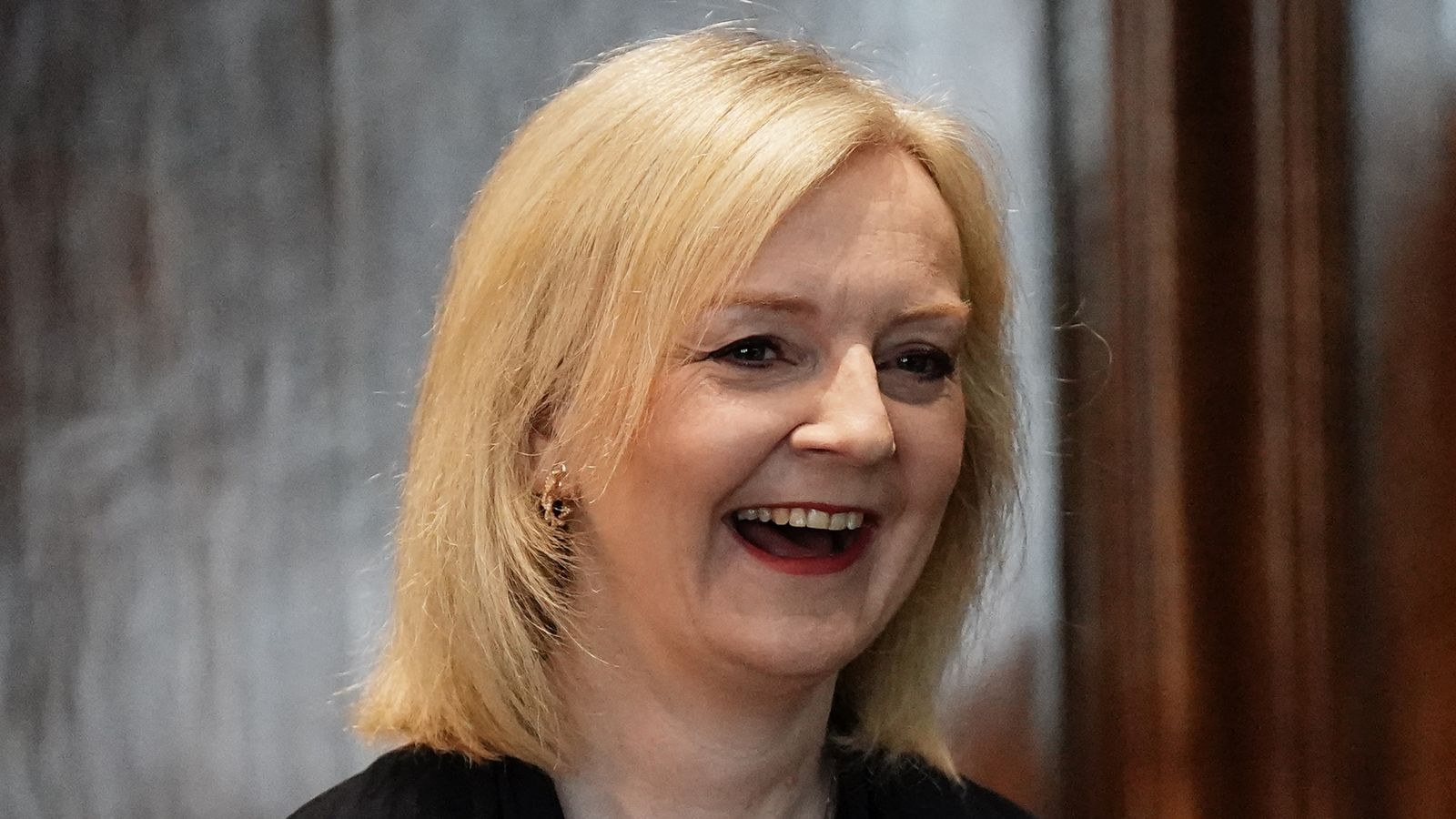
Liz Truss turned Britain into ‘Argentina on the Channel’, says ex-Bank of England governor Mark Carney

A former governor of the Bank of England has launched a scathing attack on Liz Truss – accusing her government of turning Britain into “Argentina on the Channel”.
Mark Carney also said Brexiteers such as the former Conservative leader – who became the shortest-serving prime minister in history when she resigned last year – had a “basic misunderstanding of what drives economies”.
It came as the 58-year-old Canadian delivered a speech in which he praised “progressive” policies while attacking “far-right populists”.
Mr Carney’s mention of Argentina – which has become a byword in recent years for countries suffering from repeated economic crises – appeared to be a reference to the economic turmoil that followed the mini-budget drawn up by Ms Truss and her chancellor Kwasi Kwarteng last year.
Speaking at the Global Progress Action Summit in Montreal, the former Bank boss hit out at the “misguided view” that cutting taxes and government spending leads to economic growth – and accused Brexiteers of wanting to “tear down the future”.
He said: “Progressives build things that last – health care, infrastructure, schools, opportunities, sustainability and prosperity.
“Others, and there are others, have a different model. They are in the demolition business. Far-right populists see the anxiety of today as an opportunity to stoke the anger that’s necessary for their project.”
Truss’ time as PM, one year on
Mr Carney said populists, including Brexiteers, treated spending and tax cuts as a “Pavlovian reaction to every problem” which was “grounded in a basic misunderstanding of what drives economies.”
He added: “It meant when Brexiteers tried to create Singapore on the Thames, the Truss government instead delivered Argentina on the Channel – and that was a year ago.
“Those with little experience in the private sector – lifelong politicians masquerading as free marketeers – grossly under-value the importance of mission, of institutions, and of discipline to a strong economy.”
His comments on Truss were met with laughter – and then applause – from the audience.
Read more from Sky News:
Met Police responds to Russell Brand claims
Airport closed by flooding amid weather warnings
Sir Keir Starmer fails to rule out tax burden rise under Labour
Mr Carney, whose current roles include being the vice chair of Brookfield Asset Management, was replaced by Andrew Bailey as governor of the Bank in 2020 after he stayed on longer than expected due to concerns over potential Brexit disruption to the economy.
Ms Truss has repeatedly defended her time in power since leaving office. She has suggested her economic policies were not given a chance to succeed and believes they would have worked longer-term.
At an event in Westminster earlier this summer, she was overheard comparing sluggish growth in the UK to a “boiling a frog situation”, saying it hadn’t “dramatically gone away” with her exit from Downing Street, but “got worse and worse”.
Ms Truss also said in February she still believed measures such as significant tax cuts were “the right thing to do for Britain” as she doubled-down on her economic ideology.
But also accepted that one of her most controversial measures – cutting the 45p tax rate for the country’s highest earners – was “maybe a step too far”.
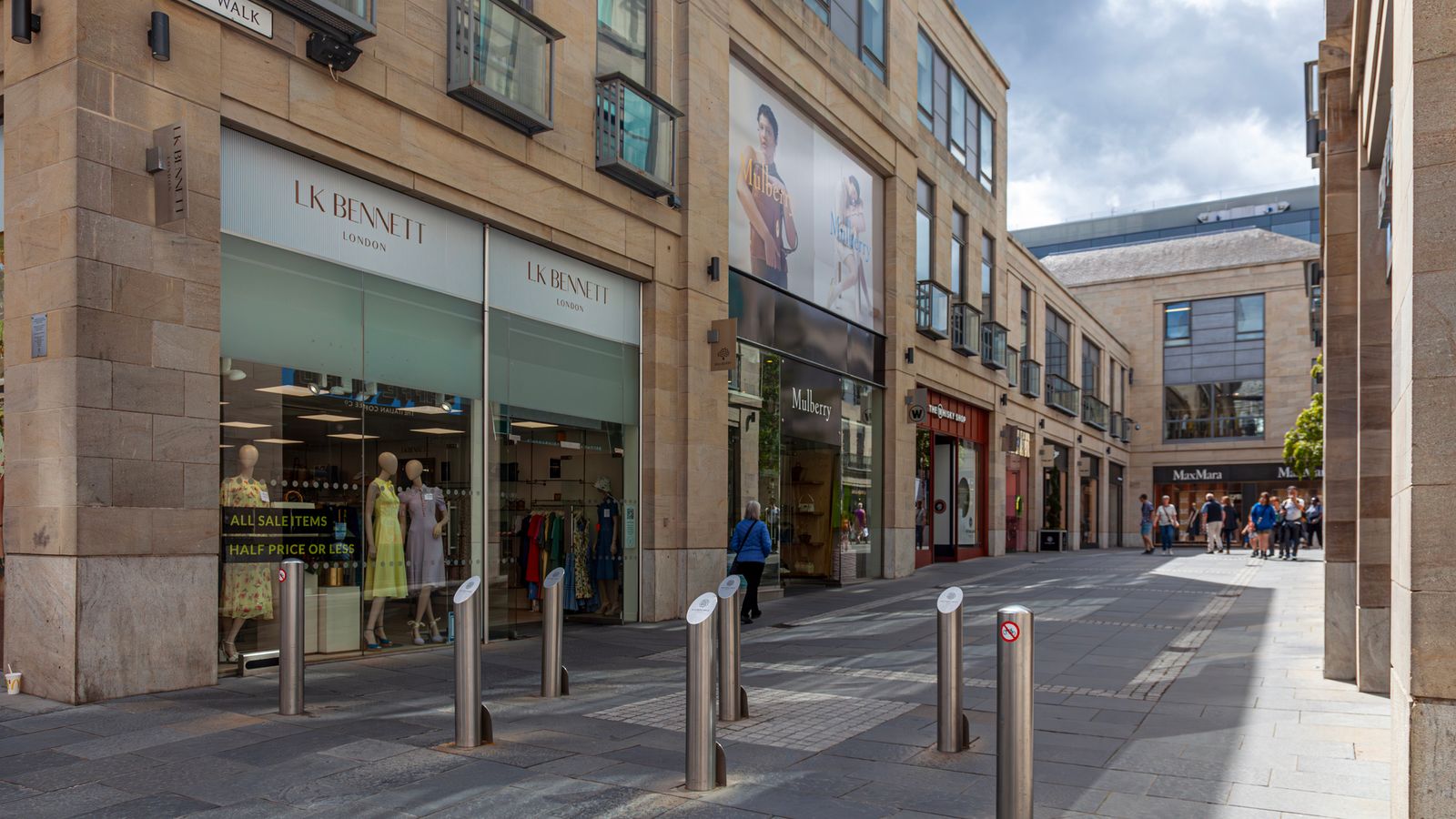
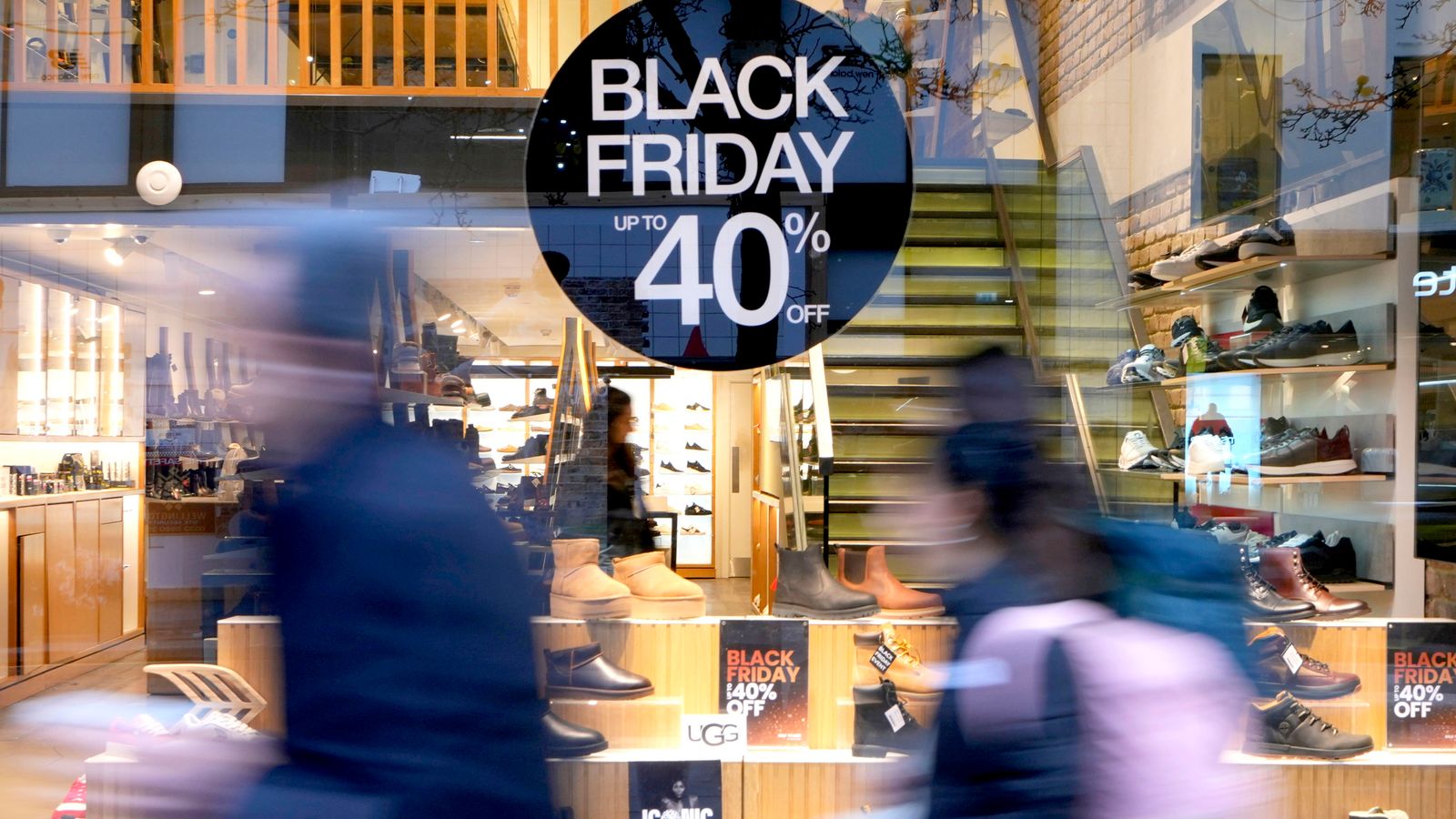

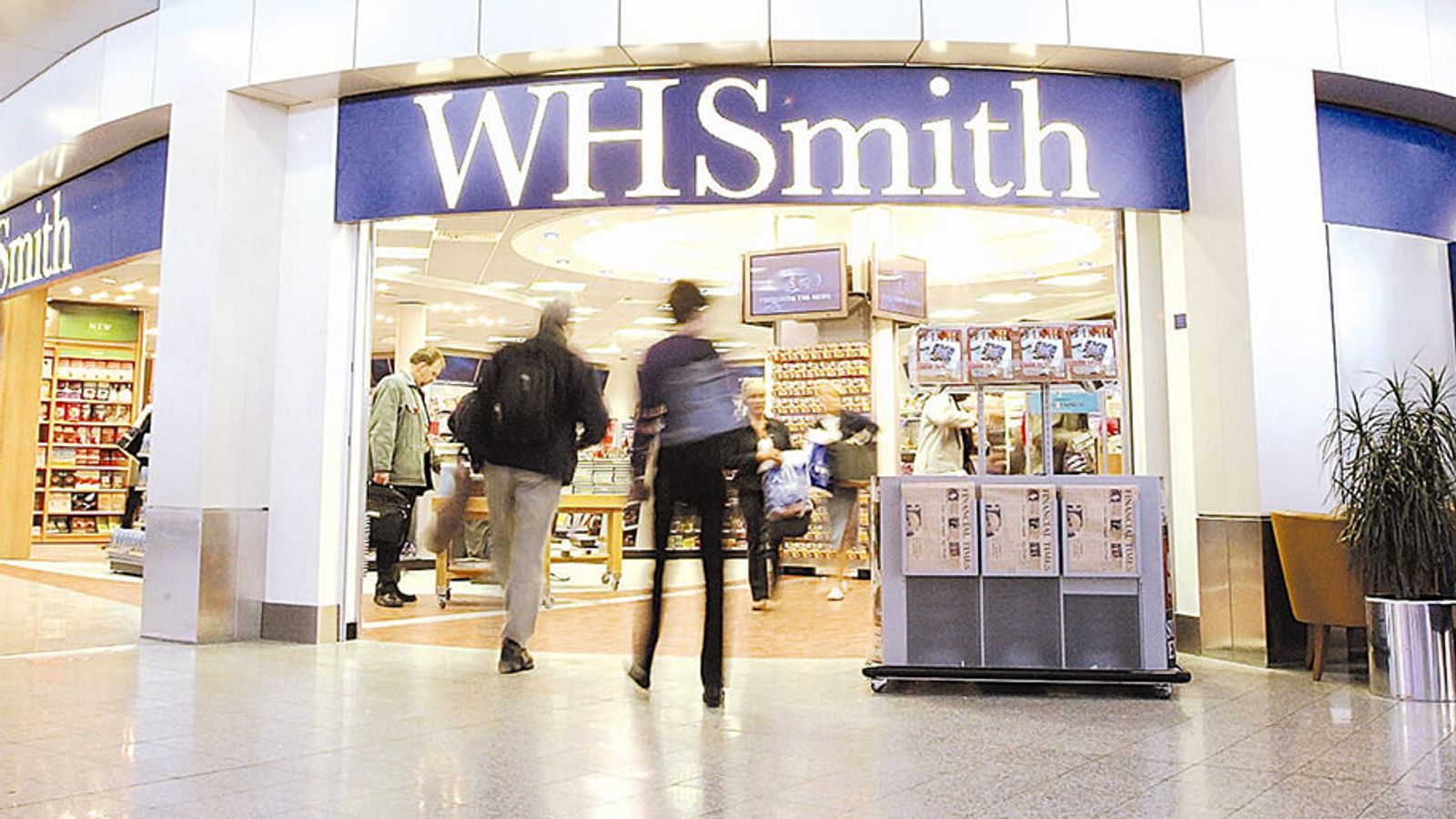
Black Friday sales do not appear to have provided much cheer for retailers amid continued consumer caution, according to official figures.
The Office for National Statistics (ONS) reported a 0.1% decline in sales volumes during November, compared to the previous month, when the data is adjusted for seasonal effects due to the pre-Christmas shopping bonanza falling in December last year.
Economists polled by the Reuters news agency had expected growth of 0.4%. The dip was worse when the effects of fuel sales were excluded.
Rolling three-month data showed positive sales volumes were only propped up by strength in September.
Money latest: The graduates who may want to pay off their student loan early
ONS senior statistician Hannah Finselbach said: “Retail continued to grow in the three months to November, helped by a strong performance from clothing and tech shops.
“This year November’s Black Friday discounts did not boost sales as much as in some recent years, meaning that once we adjust for usual seasonality, our headline figures fell a little on the month.
“Meanwhile, our separate household survey showed that although some people said they were planning to do more shopping… this Black Friday than last, almost twice as many said they were planning to do less.”
The data was released against a backdrop of widespread consumer and business caution in the run-up to the budget on 26 November – held just two days before Black Friday – although promotional activity was already well underway before Rachel Reeves’s speech.
That period was dominated by on-off signals over income tax hikes and black holes in the public finances, but the budget itself largely backdated many of the most painful measures towards the end of the parliament.
While the ONS data does little to boost retailers’ expectations for the Christmas season, there was a crumb of comfort to take from a closely-watched survey released just beforehand.
GfK’s consumer confidence index nudged up to its joint-highest level this year – though it remained deep in negative territory.
The biggest upwards contribution came from a willingness to make major purchases, despite perceptions for personal finances weighing amid continuing cost-of-living pressures in the economy.
Neil Bellamy, GfK’s consumer insights director, said: “Consumers resemble a family on a festive winter hike, crossing a boggy field – plodding along stoically, getting stuck in the mud and hoping that easier conditions are not far off.”
We have had better economic news since the survey was completed.
It was revealed this week that a much larger decline in the rate of inflation, to 3.2% from 3.6%, had allowed the Bank of England to cut interest rates to 3.75%.
It promises a boost to spending power as borrowing costs come down further, with wage growth still rising above that pace for price growth.
It is now hoped that the end of the budget circus will spark some life into the economy following two consecutive monthly contractions for output and a surge in the unemployment rate.
Much of the increase has been attributed to the retail and hospitality sectors reacting to sharp rises in employment costs under the Labour government.
Consumer spending accounts for around 60% of the UK economy.
Richard Carter, head of fixed interest research at Quilter Cheviot, said of the outlook: “Markets do not believe growth is coming to the UK anytime soon.
“Indeed, the UK is likely to slip into recession if the latest GDP figures are anything to go by, and there is little sign of positive momentum being generated.”
-
 Sports2 years ago
Story injured on diving stop, exits Red Sox game
-
 Sports3 years ago
‘Storybook stuff’: Inside the night Bryce Harper sent the Phillies to the World Series
-
 Sports2 years ago
Game 1 of WS least-watched in recorded history
-
 Sports3 years ago
Button battles heat exhaustion in NASCAR debut
-
 Sports3 years ago
MLB Rank 2023: Ranking baseball’s top 100 players
-
Sports4 years ago
Team Europe easily wins 4th straight Laver Cup
-
 Environment3 years ago
Japan and South Korea have a lot at stake in a free and open South China Sea
-
 Environment1 year ago
Here are the best electric bikes you can buy at every price level in October 2024