
Suella Braverman: Tory party’s most divisive politician is out of government – but it won’t be last we hear from her

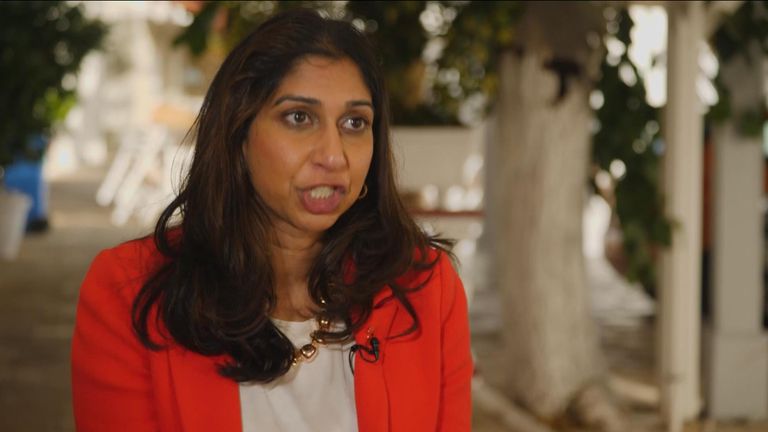
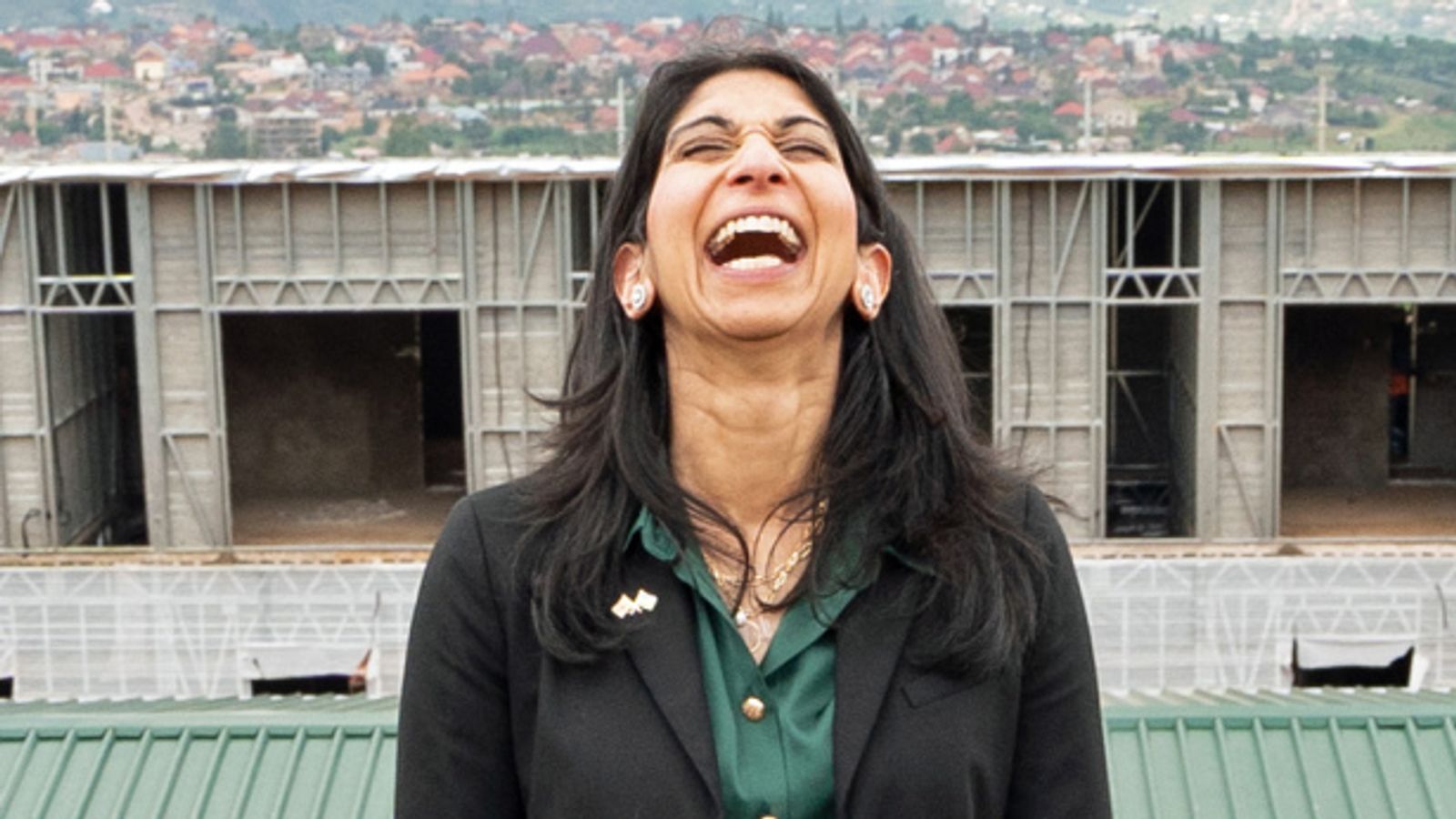
And another one bites the dust. Suella Braverman – one of the most divisive politicians of the age – has been sacked as home secretary.
It marks the fourth dramatic exit from Rishi Sunak’s cabinet in just over a year – after the departures of Dominic Raab, Nadhim Zahawi and Gavin Williamson.
It’s not exactly a good look for a prime minister who promised to bring accountability, integrity and professionalism to Downing Street.
Follow live: Sunak sacks Braverman as reshuffle begins
But Ms Braverman’s fiery rhetoric on things such as immigration, policing and homelessness was starting to rile even those within her own party.
After an inflammatory article in The Times in which she accused the Met Police of bias towards left-wing protesters, and made an offensive comparison to marches in Northern Ireland, the writing was on the wall.
Tory MPs called her an “embarrassment” and “ignorant”, and accused her of being on a mission to deliberately get herself sacked in order to launch a leadership pitch.
More called for her to go on Saturday, with Scottish First minister Humza Yousaf suggesting the far-right had been emboldened by her comments, as a group of counter-protesters using slogans like ‘England til I die’ clashed with police on Armistice Day, while a pro-Palestinian demo that Ms Braverman had called to be banned went off largely peacefully.
Deliberate or not, her position in one of the most senior cabinet roles was no longer considered tenable by Number 10, who had not fully signed off the Times piece.
And so she was sacked as home secretary – and not for the first time – marking the end of a short yet turbulent career on the Conservative frontbenches… at least for now.
Braverman criticises Pro-Palestine protests
Born to parents from Kenya and Mauritius and fluent in French, Ms Braverman’s political brand might seem unusual for someone of her background: she has risen through the ranks championing a hard Brexit, anti-immigration, “anti-woke” agenda.
But for someone who is currently making daily headlines, she was relatively unknown until a year ago.
The 43-year-old was first elected as the MP for Fareham in 2015 and spent three years on the backbenches before a brief stint as a junior minister in the Brexit department – a post from which she resigned over the “unacceptable terms” of Theresa May’s Withdrawal Agreement.
The move won her favour with Boris Johnson, who upon being elected as prime minister made her attorney general – the chief legal advisor to the crown.
It was a fitting role for Ms Braverman, who studied Law at Cambridge University and the University of Paris before qualifying as an attorney in New York State.
During her time in the post, she faced criticism from the legal profession for backing the Internal Market Bill, which sought to override parts of the EU’s legal divorce deal and was described by critics as breaking international law.
But it was only when she was made home secretary that she really become a household name, as she repeatedly became the centre of so-called “culture wars” rows.
Click to subscribe to the Sky News Daily wherever you get your podcasts
Braverman’s long list of scandals
The job was marked with controversy from the beginning.
Just weeks into the post in September 2022, she declared it was her “dream and obsession” to deport refugees to Rwanda – triggering a backlash from those opposed to the controversial policy (or what Ms Braverman and her allies might like to call the “liberal elite”).
Indeed, Ms Braverman caused a stir just some weeks later as she defended the government’s controversial Public Order Bill with a bizarre attack on “the Guardian-reading, tofu-eating wokerati”, whom she blamed for protest disruption.
And her claim that the country faced an “invasion of our southern coast” in reference to Channel crossings also drew condemnation.
But the first big scandal came when just 43 days into the role, she was forced to resign – effectively sacked – because she had breached government security rules by sending an official document from her personal email to a backbench MP.
Ms Braverman said it was a mistake, but her resignation letter took aim at then prime minister Liz Truss, accusing her of breaking “key pledges that were promised to our voters”.
Read more:
Braverman’s long list of controversies
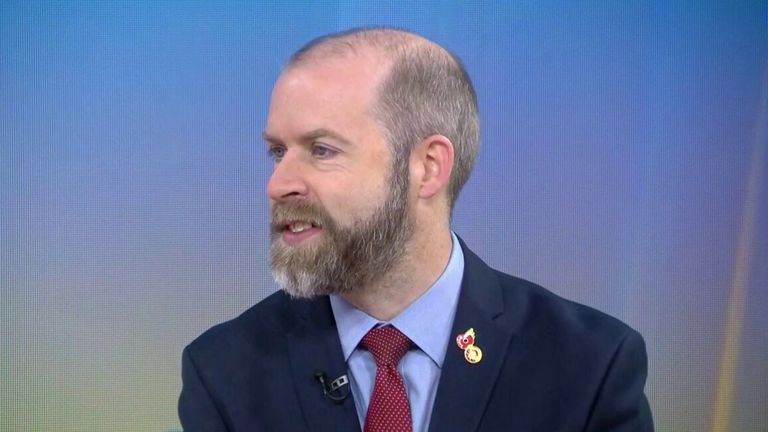
Labour: PM ‘too weak’ to sack Braverman
She would ultimately return to the top job just a week later under Mr Sunak, after the rapid collapse of the Truss administration.
The appointment was seen as a gamble, given Ms Braverman had originally backed Ms Truss over Mr Sunak in the leadership contest to replace Mr Johnson – after being knocked out early in the race herself.
Labour leader Sir Keir Starmer accused Mr Sunak of making a “grubby deal” at the expense of national security in order to ensure her support and keep her backers on the right of the party happy.
The PM denied the accusation, but regardless of whether that was the case, to what degree she has actually offered such support has been questionable.
Was Suella Braverman’s migrant speech a leadership pitch?
Is Braverman running a leadership campaign?
While she is closely tied to the prime minister’s “stop the boats” pledge, Ms Braverman has undoubtedly proved to be a thorn in his side.
Her integrity has been called into question on many occasions, including when she was alleged to have asked her civil servants to arrange a private awareness course after she was caught speeding, and when she claimed grooming gang members are “almost all British Pakistani” – remarks seen as amplifying a far-right narrative and factually inaccurate.
Mr Sunak has been forced to distance himself from her language on several occasions, most recently declining to back her comments saying multiculturalism has “failed”, likening immigration to a “hurricane” and describing rough sleeping as a “lifestyle choice”.
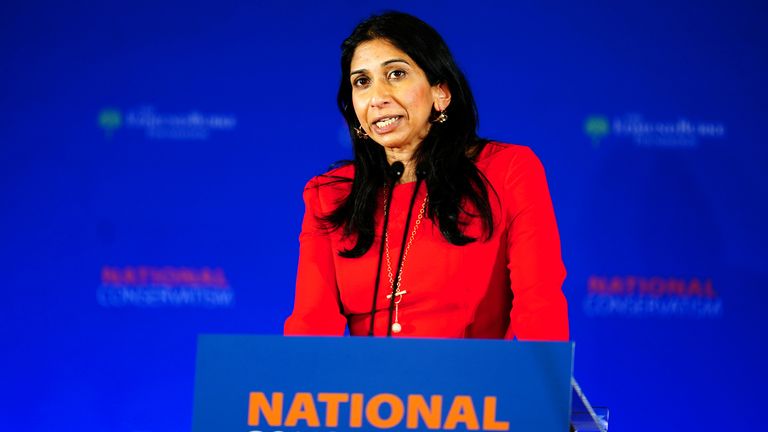
So divisive have her words been that some of her colleagues have accused her of undermining the PM by running a leadership campaign, pointing to speeches at right-wing events such as the National Conservatism conference in May.
But until now, Mr Sunak has appeared unwilling to rein in his home secretary – possibly out of fear of a rebellion on the Conservative right if he takes action against her.
Ms Braverman is now free to lead that if she so wishes.
Having questioned the integrity of the operationally independent Met Police, Mr Sunak seems to have judged she has finally gone too far.
Doubling down on her description of pro-Palestinian protesters as “hate marches”, she wrote in The Times: “Right-wing and nationalist protesters who engage in aggression are rightly met with a stern response, yet pro-Palestinian mobs displaying almost identical behaviour are largely ignored even when clearly breaking the law.”
Read More:
Analysis: Braverman has displayed breathtaking ignorance on Northern Ireland
Comedian raises thousands for homelessness charity after Braverman’s comments
She also said: “I do not believe that these marches are merely a cry for help for Gaza.
“They are an assertion of primacy by certain groups – particularly Islamists – of the kind we are more used to seeing in Northern Ireland.”
It was enough to make even Priti Patel – Ms Braverman’s right-wing predecessor – make a not so thinly-veiled retort at the COVID inquiry about the operational independence of the police “and that we as politicians were not there to dictate directly to the police as to when to arrest people”.
Other MPs accused her of fanning the flames of hate, while Labour turned the heat on the prime minister himself and his judgement in keeping her in post.
Now she is out of government. And some people think that was her plan all along, so she can focus her efforts on being the Tory right’s next leadership candidate.
We may not know if that is true, but what is clear is that this isn’t the first time she has landed herself in hot water and, in or out of cabinet, it’s unlikely to be the last.
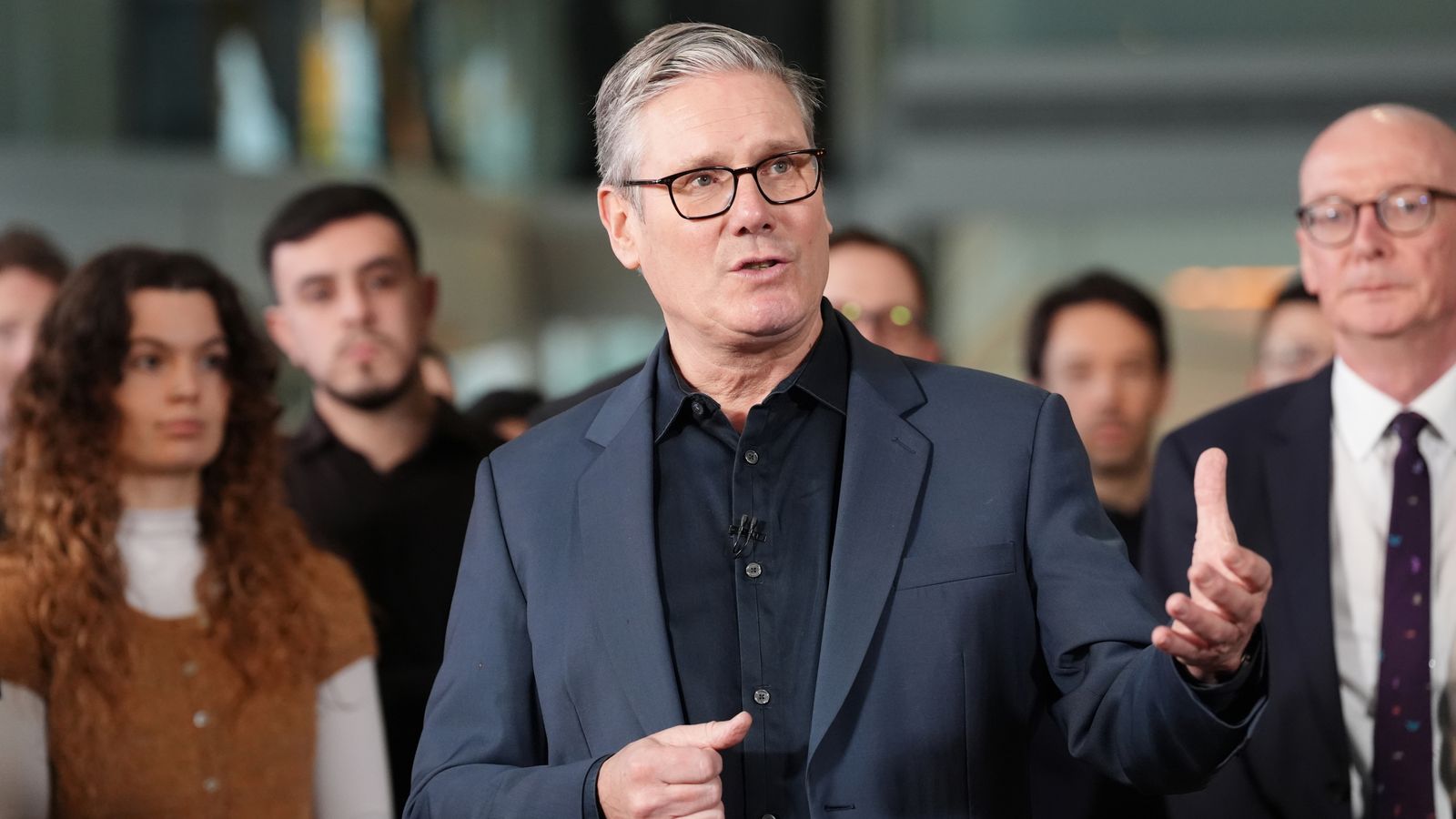
Sir Keir Starmer has declared it his “moral mission” to “turn the tide on the lost decade of young kids left as collateral damage”.
The government launches its 10-year youth plan today, which has pledged £500m to reviving youth services.
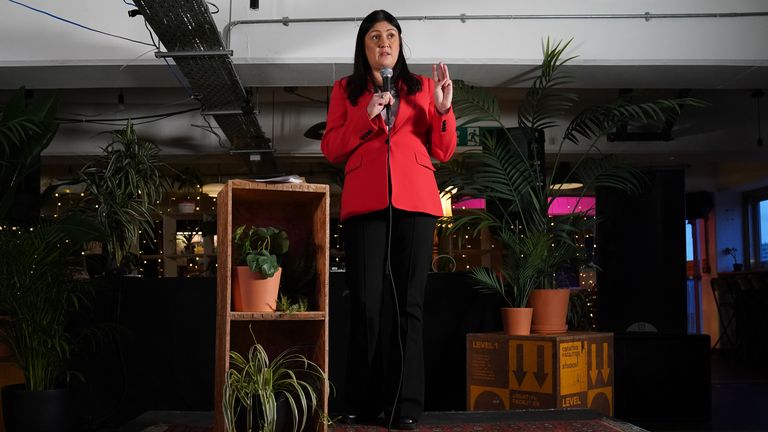
Culture Secretary Lisa Nandy has also warned that young people are now “the most isolated in generations” and face challenges that are “urgent and demand a major change in direction”.
But despite the strong language, the Conservatives have warned that “under Labour, the outlook for the next generation is increasingly bleak”.
Lisa Nandy is on Sky News from 7am – follow live
Launching the 10-year strategy, Sir Keir said: “As a dad and as prime minister, I believe it is our generation’s greatest responsibility to turn the tide on the lost decade of young kids left as collateral damage. It is our moral mission.
“Today, my government sets out a clear, ambitious and deliverable plan – investing in the next generation so that every child has the chance to see their talents take them as far as their ability can.”
What’s in the government’s strategy?
Under the plans, the government will seek to give 500,000 more young people across England access to a trusted adult outside their homes – who are assigned through a formal programme – and online resources about staying safe.
The prime minister said the plans will also “ensure” that those who choose to do apprenticeships rather than go to university “will have the same respect and opportunity as everyone else”.
The plan comes following a so-called “state of the nation” survey commissioned by Ms Nandy, which heard from more than 14,000 young people across England.
Launching the strategy, she said: “Young people have been crystal clear in speaking up in our consultation: they need support for their mental health, spaces to meet with people in their communities and real opportunities to thrive. We will give them what they want.”
Read more:
Child poverty strategy launched
Young people may lose benefits
Lisa Nandy will speak about the plan on Sky News on Wednesday morning. Pic: PA
But the Conservatives have criticised the government for scrapping the National Citizen Service (NCS), which ended in March this year.
Shadow culture secretary Nigel Huddlestone said “any renewed investment in youth services is of course welcome”, but said Labour’s “economic mismanagement and tax hikes are forcing businesses to close, shrinking opportunities while inflation continues to climb”.

The US Office of the Comptroller of the Currency has affirmed that national banks can intermediate cryptocurrency trades as riskless principals without holding the assets on their balance sheets, a move that brings traditional banks a step closer to offering regulated crypto brokerage services.
In an interpretive letter released on Tuesday, the regulator said banks may act as principals in a crypto trade with one customer while simultaneously entering an offsetting trade with another, a structure that mirrors riskless principal activity in traditional markets.
“Several applicants have discussed how conducting riskless principal crypto-asset transactions would benefit their proposed bank’s customers and business, including by offering additional services in a growing market,” notes the document.
According to the OCC, the move would allow customers “to transact crypto-assets through a regulated bank, as compared to non-regulated or less regulated options.”

The letter also reiterates that banks must confirm the legal permissibility of any crypto activity and ensure it aligns with their chartered powers. Institutions are expected to maintain procedures for monitoring operational, compliance and market risks.
“The main risk in riskless principal transactions is counterparty credit risk (in particular, settlement risk),” reads the letter, adding that “managing counterparty credit risk is integral to the business of banking, and banks are experienced in managing this risk.”
The agency’s guidance cites 12 U.S.C. § 24, which permits national banks to conduct riskless principal transactions as part of the “business of banking.” The letter also draws a distinction between crypto assets that qualify as securities, noting that riskless principal transactions involving securities were already clearly permissible under existing law.
The OCC’s interpretive letter — a nonbinding guidance that outlines the agency’s view of which activities national banks may conduct under existing law — was issued a day after the head of the OCC, Jonathan Gould, said crypto firms seeking a federal bank charter should be treated the same as traditional financial institutions.
According to Gould, the banking system has the “capacity to evolve,” and there is “no justification for considering digital assets differently” than traditional banks, which have offered custody services “electronically for decades.”
Related: Trump’s national security strategy is silent on crypto, blockchain
From ‘Choke Point 2.0’ to pro-crypto policy
Under the Biden administration, some industry groups and lawmakers accused US regulators of pursuing an “Operation Choke Point 2.0” approach that increased supervisory pressure on banks and firms interacting with crypto.
Since President Trump took office in January after pledging to support the sector, the federal government has moved in the opposite direction, adopting a more permissive posture toward digital asset activity.
Magazine: Quantum attacking Bitcoin would be a waste of time: Kevin O’Leary
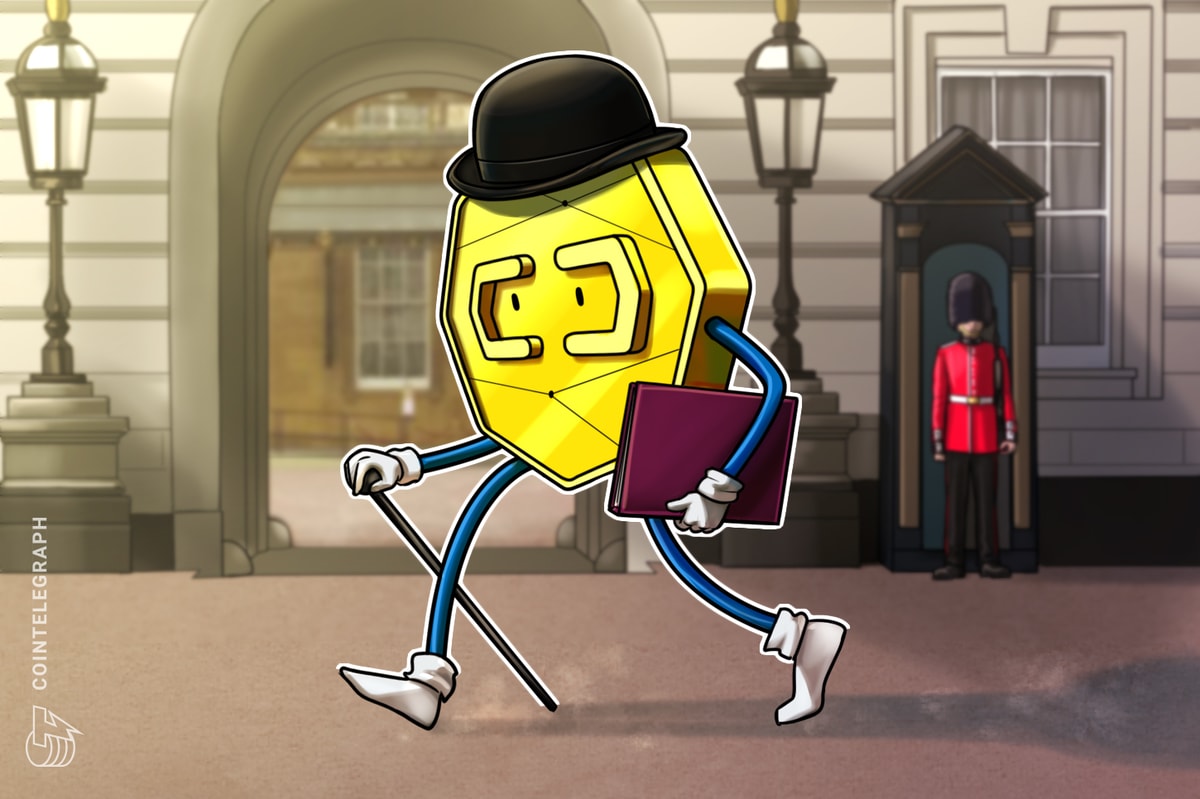
CryptoUK, a UK-based cryptocurrency trade association, has announced that it will join The Digital Chamber, a US crypto policy advocacy group, potentially marking a significant cross-collaboration on digital asset regulation between the two countries.
In a Tuesday notice, CryptoUK said its team would fall under The Digital Chamber’s umbrella as part of a “unified, cross-border advocacy platform.” Both groups have worked in their respective countries to promote policies favoring the cryptocurrency and blockchain industry, starting with The Digital Chamber in 2014 and CryptoUK in 2018.
“CryptoUK has always aspired to ensure we are driven by policy-led issues, member collaboration, and regulatory engagement,” said Su Carpenter, CryptoUK’s executive director.

The partnership between the two advocacy groups comes as US lawmakers move forward on negotiations to pass a digital asset market structure bill, aiming to establish regulatory clarity for the industry. In the UK, policymakers announced plans to collaborate with their counterparts in the US to explore crypto laws and regulations.
Related: Digital Chamber seeks to guide crypto policy across US states
US-based crypto advocacy organizations, such as The Digital Chamber, have garnered support from former regulators and members of Congress as the Trump White House directs policies toward the industry. Among these groups are the Solana Policy Institute, the Blockchain Association, the Crypto Council for Innovation, and the American Innovation Project.
UK central bank moves forward on stablecoins
On Nov. 10, the Bank of England released a consultation paper to propose a framework for “sterling-denominated systemic stablecoins.” The move by the country’s central bank marked a step toward the UK seeming to play catch-up to the US, where the government passed a law regulating payment stablecoins in July.
Bank of England Deputy Governor Sarah Breeden signaled before the publication of the paper that the central bank’s actions were in response to the US advancing stablecoin policies, and it was “really important” to be synchronized on rules.
Magazine: When privacy and AML laws conflict: Crypto projects’ impossible choice
-
 Sports2 years ago
Story injured on diving stop, exits Red Sox game
-
 Sports3 years ago
‘Storybook stuff’: Inside the night Bryce Harper sent the Phillies to the World Series
-
 Sports2 years ago
Game 1 of WS least-watched in recorded history
-
 Sports3 years ago
Button battles heat exhaustion in NASCAR debut
-
 Sports3 years ago
MLB Rank 2023: Ranking baseball’s top 100 players
-
Sports4 years ago
Team Europe easily wins 4th straight Laver Cup
-
 Environment3 years ago
Japan and South Korea have a lot at stake in a free and open South China Sea
-
 Environment1 year ago
Here are the best electric bikes you can buy at every price level in October 2024