
‘Hollywood Ripper’ sentenced to death for murder of two women

A man known as the “Hollywood Ripper” has been sentenced to death for the murder of two women and attempted killing of a third.
Michael Gargiulo, 45, was convicted almost two years ago, but delays due to procedural problems and the COVID pandemic means it was only on Friday that he was ordered to death row.
The families of his victims wept in court as Los Angeles Superior Court Judge Larry Fidler announced the sentence, saying: “Everywhere that Mr Gargiulo went, death and destruction followed him.”
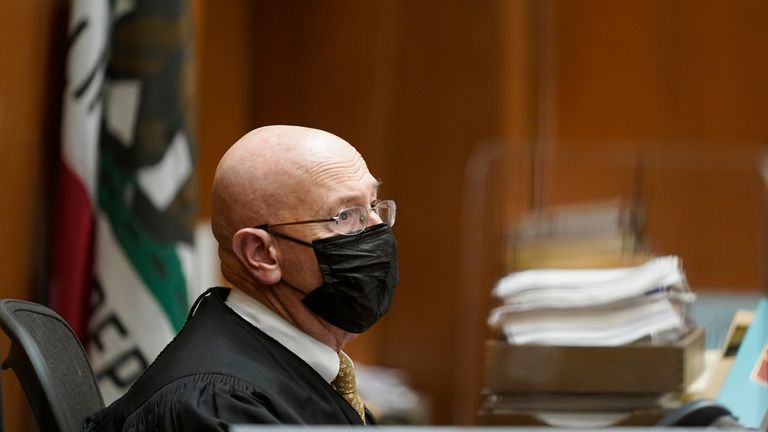
Judge Larry Fidler ‘death and destruction’ followed Gargiulo. Pic: Associated Press
Gargiulo’s case first came to prominence as one of his victims died before they were due to go on a date with actor Ashton Kutcher two decades ago.
The 45-year-old was convicted of the 2001 killing of fashion designer Ashley Ellerin, 22, and also the 2005 murder of 32-year-old mother-of-four Maria Bruno.
Ms Ellerin had been due to go on a date with the then up-and-coming comedy star Kutcher, who has since starred in The Butterfly Effect and Two And A Half Men.
During the trial, the court heard testimony from the actor, who would have been around 23 at the time.
He spoke of how Ms Ellerin did not answer the door at her Hollywood home when he went to pick her up, and after looking inside he noticed what he thought were wine stains – marks which were actually her blood.
Ms Ellerin was found with 47 stab wounds.
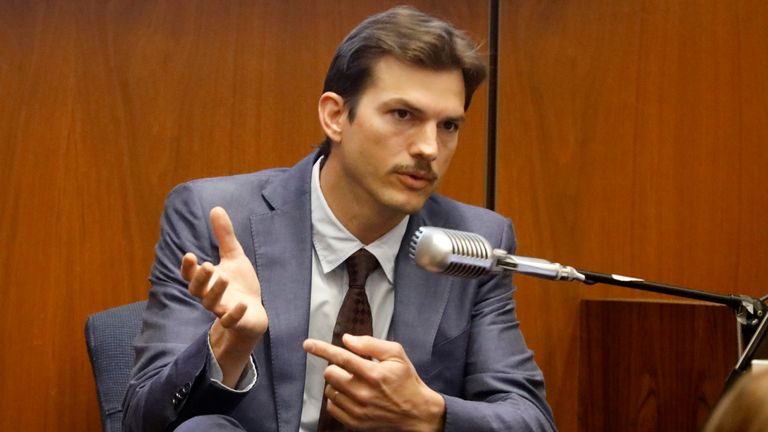
Ashton Kutcher testified earlier in the trial. Pic: Associated Press
Her father, Michael Ellerin, told the court he was tempted to recreate his wife Cynthia’s “mournful scream and primal wailing after finding out that Ashley had been murdered”.
“It marked the beginning of an altered, diminished, heartbreaking life,” he said.
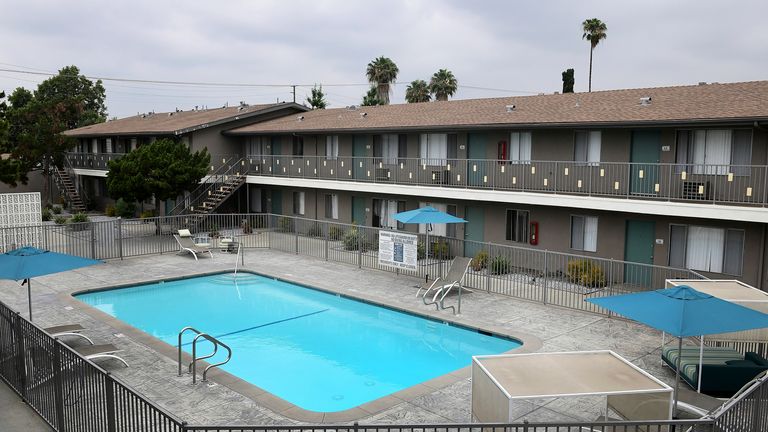
The apartments where Maria Bruno lived. Pic: Associated Press
The second killing took place at Ms Bruno’s home in east Los Angeles in 2005.
Her body was found with her breasts cut off and her implants removed.
Gargiulo was also found guilty of the 2008 attempted murder of Michelle Murphy in her flat in Santa Monica.
Ms Murphy spoke of how she fought off her attacker, asking the court: “How is it fair that one person’s actions can destroy the lives of so many?”
The murderer fled the scene of that incident but left behind a trail of blood – a fact which led to his arrest.
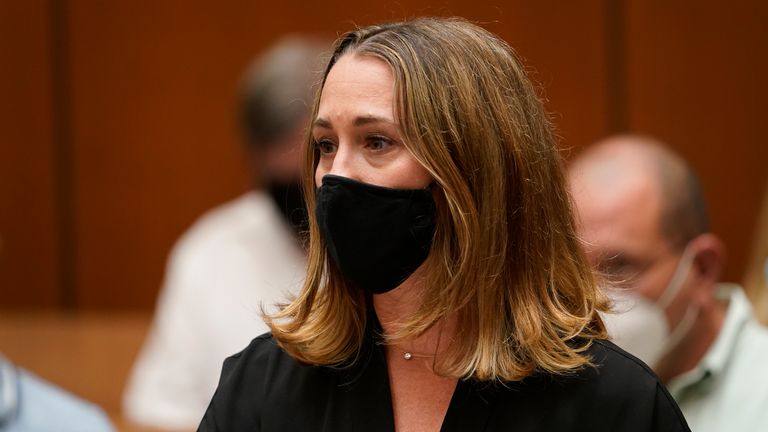
Survivor Michelle Murphy addressed the serial killer in court. Pic: Associated Press
Gargiulo had worked as an air conditioning and heating repairman, bouncer, and aspiring actor.
He was also known in US media as “The Chiller Killer” and by prosecutors as “The Boy Next Door Killer”, as he lived near his victims before stalking and attacking them.
Gargiulo claims he was prevented from testifying by his legal team, saying he was going to death row “wrongfully and unjustfully” after the Californian jury recommended a death sentence.
The judge agreed with the recommendation but it’s unlikely it will be carried out any time soon, as the state of California has not executed anyone since 2006 and the current governor has halted executions while in office.
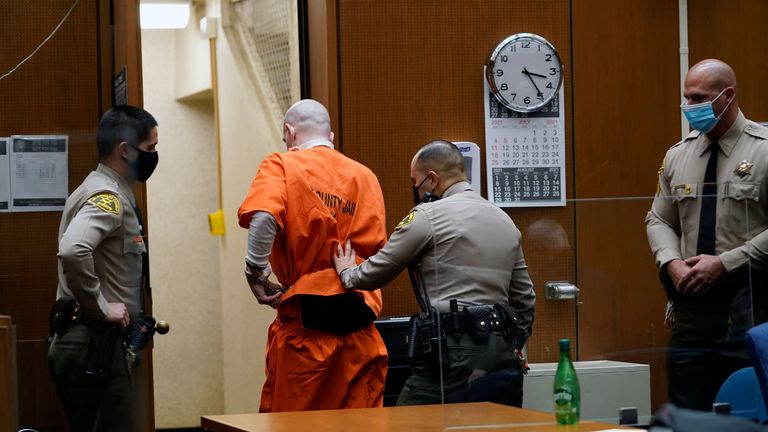
It is unlikely Gargiulo will be executed any time soon. Pic: Associated Press
Gargiulo will now be extradited to the state of Illinois, where he will stand trial for the 1993 killing of Tricia Pacaccio.
California prosecutors used evidence from this case to demonstrate a pattern of behaviour.
Donald Trump, Andrew Mountbatten-Windsor and Bill Clinton are among high-profile figures pictured in a new selection of photos from Jeffrey Epstein’s estate, released by Democrats in Congress.
Warning: This article contains images of a sexual nature that some readers may find offensive.
An initial tranche of 19 photos was shared on Friday, and all of the people whose faces had not been redacted were identified by Sky News. They have been contacted for comment.
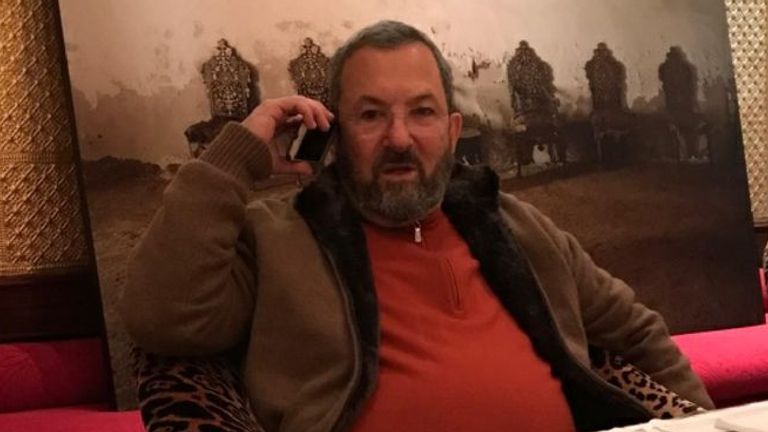
A second batch of dozens of photos was released the same day, including one of former Israeli prime minister Ehud Barak and another of Epstein himself in the bath.
Former Israeli prime minister Ehud Barak. Pic: @OversightDems
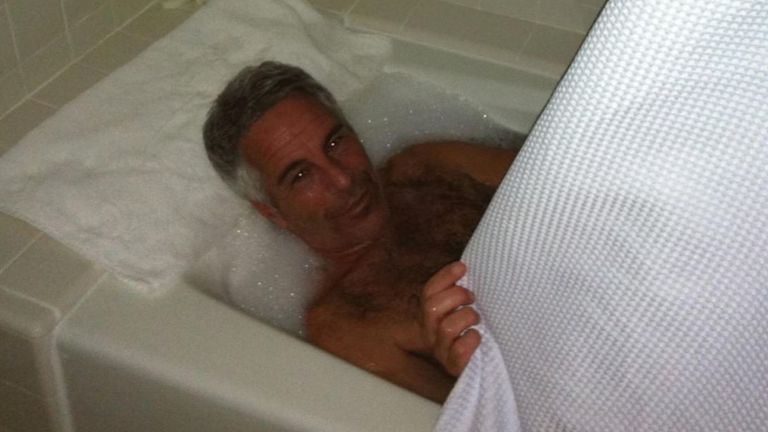
Jeffrey Epstein in the bath. Pic: @OversightDems
Latest updates from release of Epstein photos
The photos were shared by House Oversight Committee Democrats, who said they are reviewing more than 95,000 images from the estate.
There is no suggestion of wrongdoing on the part of those pictured in the images released on Friday and the context surrounding the photos is not known.
Mr Barak told the New York Times this week: “I now deeply regret having any association with him.
“However, not any point in my dealings with him I did ever witness any improper behaviour and certainly I never participated in anything like that.”
In one image, Mr Trump is seen with the late sex offender Jeffrey Epstein and Belgian model Ingrid Seynhaeve.
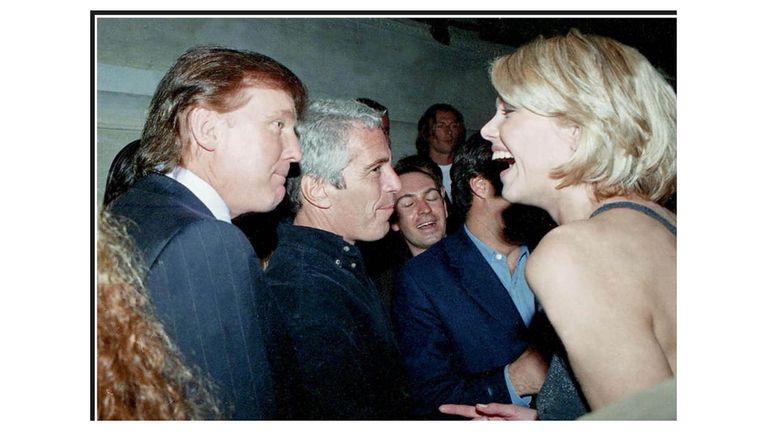
Donald Trump, Jeffrey Epstein, and Belgian model Ingrid Seynhaeve. Pic: @OversightDems
Two further photos show the US president with women whose faces are redacted.
One image is black and white and shows him with six women; three on either side of him. The other is out of focus, and shows him sitting alongside an unidentified woman.
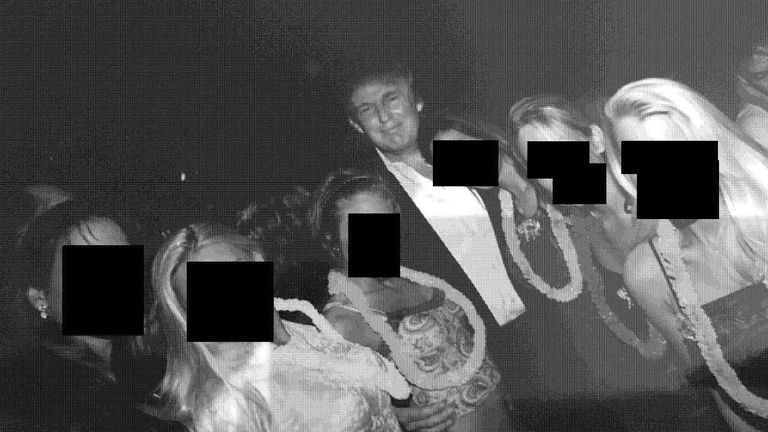
Mr Trump alongside six unidentified women Pic: @OversightDems
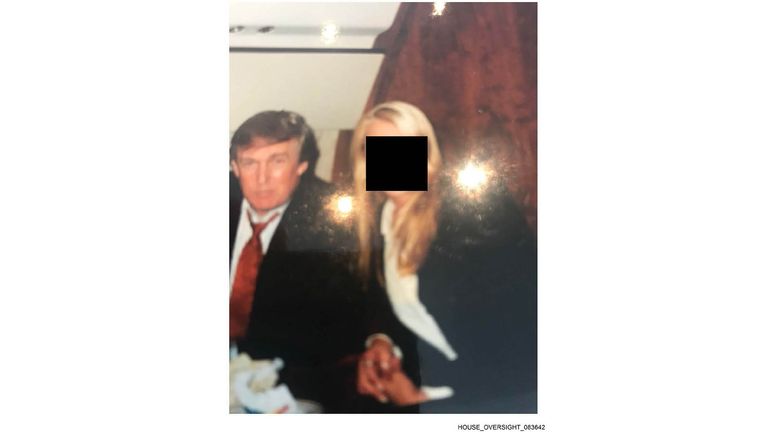
Mr Trump with an unidentified woman. Pic: @OversightDems
Speaking after Epstein took his own life in jail in 2019, Mr Trump admitted knowing Epstein, but added: “I had a falling out with him. I haven’t spoken to him in 15 years. I was not a fan of his, that I can tell you.”
In July, the White House also released a statement saying Epstein had been banned from Trump’s Mar-a-Lago resort in Florida for acting like a “creep”.
When asked about the latest release of Epstein material at the White House on Friday, Mr Trump said he “knows nothing about it” and that the disgraced financier “has photos with everybody”.
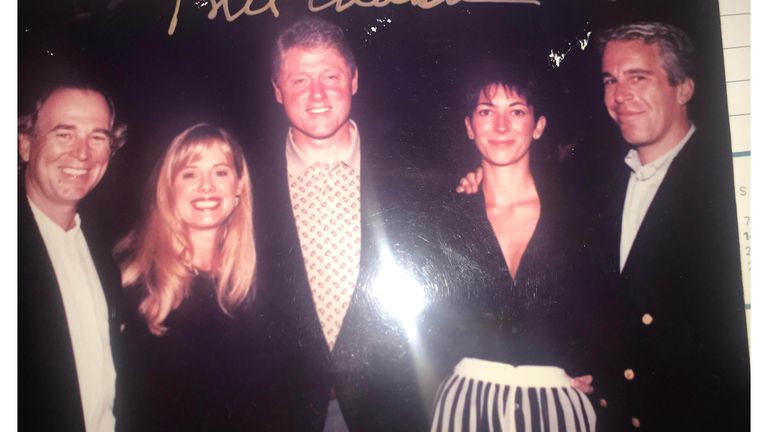
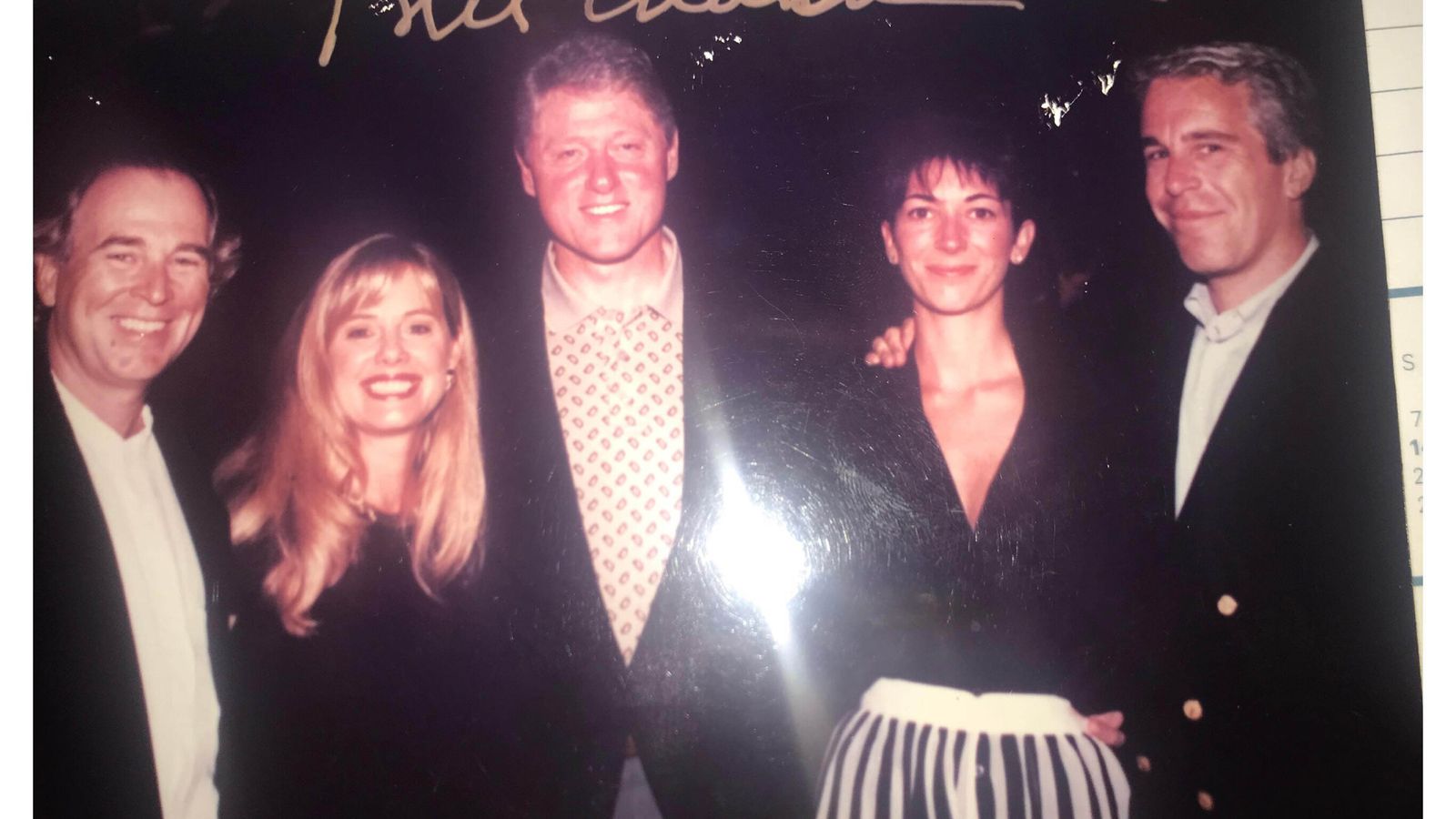
Bill Clinton with Epstein and Ghislaine Maxwell, as well as Jimmy Buffett and Mr Buffett’s wife Jane Slagsvol. Pic: @OversightDems
In another photo released by Democrats, Bill Clinton is seen with Epstein and convicted sex offender Ghislaine Maxwell, as well as singer Jimmy Buffett and Mr Buffett’s wife Jane Slagsvol.
In 2019, a spokesperson for the former US president said he had “not spoken to Epstein in well over a decade” and “knows nothing about the terrible crimes”.
Further images show Epstein with long-time Trump ally, Steve Bannon. In one he sits across from him at his desk, while in another the men are seen side-by-side taking a selfie in a mirror.
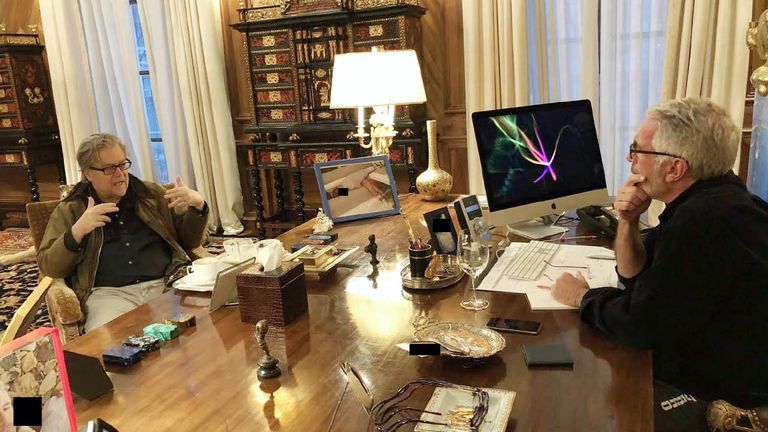
Jeffrey Epstein with long-time Trump ally Steve Bannon. Pic: @OversightDems
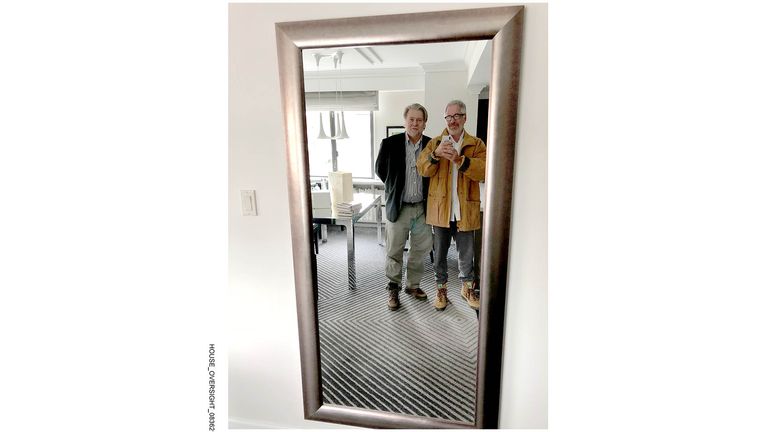
Steve Bannon and Jeffrey Epstein. Pic: @OversightDems
Mr Bannon appeared again in the later batch of images, photographed alongside Noam Chomsky, an American professor perhaps best known for his political activism.
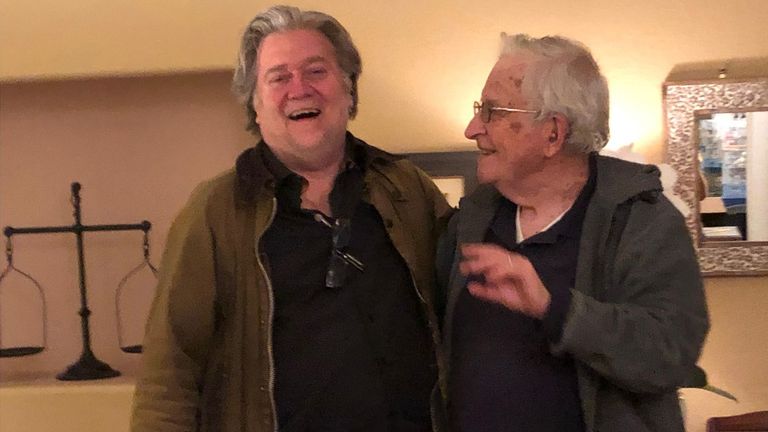
American professor Noam Chomsky and Steve Bannon. Pic: @OversightDems
Hollywood filmmaker Woody Allen appears in four photos; two of them taken with Epstein.
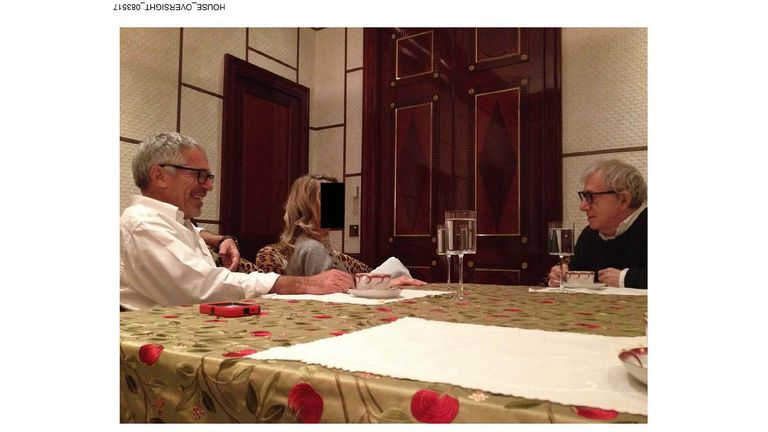
Woody Allen with Jeffrey Epstein and an unidentified woman. Pic: @OversightDems
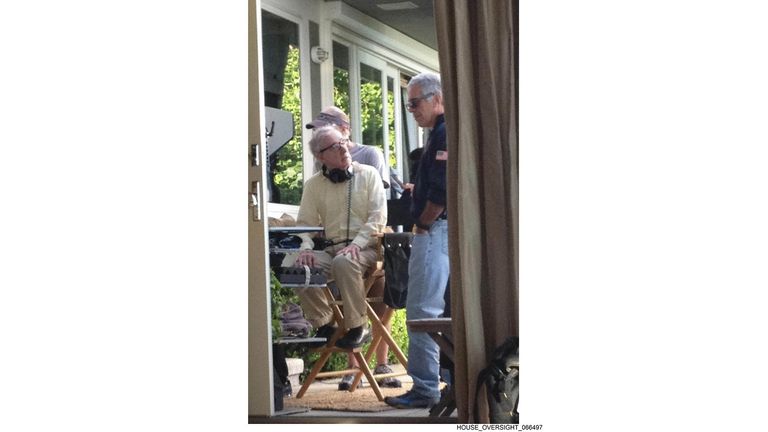
Woody Allen and Jeffrey Epstein. Pic: @OversightDems
In another, Allen is photographed with Mr Bannon, while one more shows him sat with Bill Clinton’s former treasury secretary, Larry Summers, and his wife Elisa New, seemingly on a private plane.
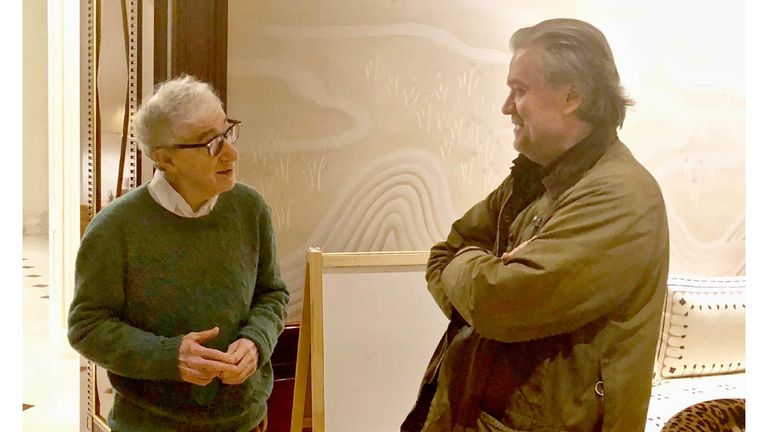
Woody Allen and Steve Bannon. Pic: @OversightDems
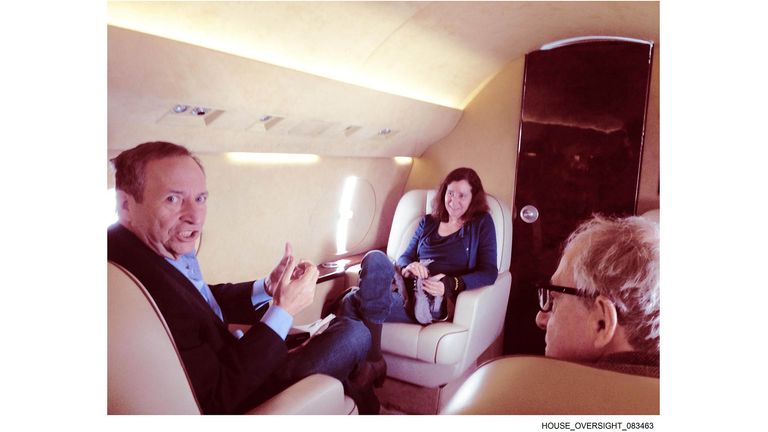
Bill Clinton’s former treasury secretary, Larry Summers, and his wife Elisa New. Pic: @OversightDems
Speaking to The Times in September, Allen said he had been to dinner at Epstein’s home, but suggested he was unaware of the nature of his crimes.
Allen said: “He told us he’d been in jail and that he had been – I can’t remember the word – but that he’d been falsely put in jail in some way.”
Meanwhile, Mr Summers told the Harvard Crimson that his former association with Epstein was “a major error of judgement”.
Andrew Mountbatten-Windsor, then Prince Andrew, is seen just once, alongside tech billionaire Bill Gates. Epstein is not pictured. The original photo at a malaria summit also shows the then Prince Charles but he is cropped out of the version released by the Democrats. It is not clear why the picture has been included in the Epstein files.
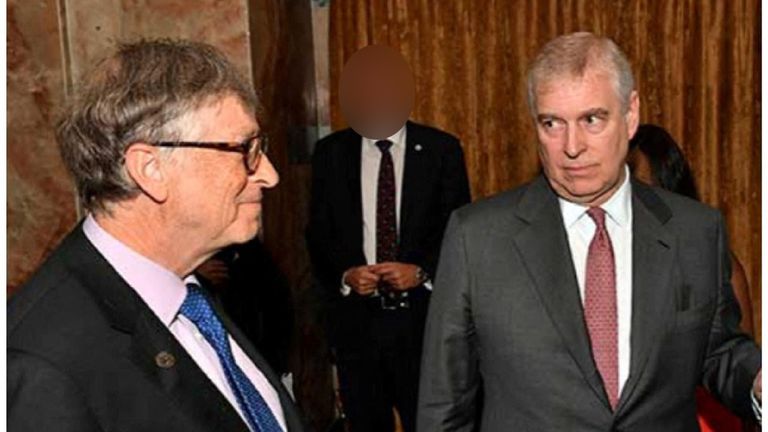
Bill Gates with Andrew Mountbatten-Windsor, then a prince. Pic: @OversightDems
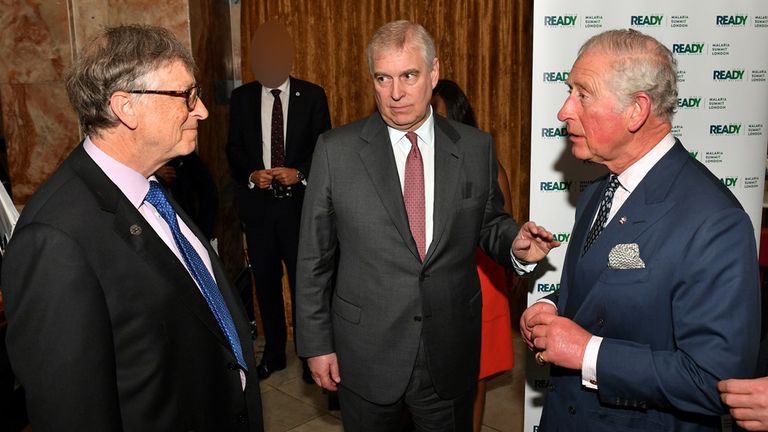
Bill Gates talks to the then Prince Andrew and then Prince Charles during a malaria summit in London on 18 April 2018. Pic: Reuters
Andrew relinquished his titles in October amid continued controversy over his friendship with Epstein, but said at the time: “I vigorously deny the accusations against me”.
Mr Gates himself appears twice more, once alongside Epstein’s long-time pilot, Larry Visoski, and once in a framed photo which appears in an image above a black cabinet.
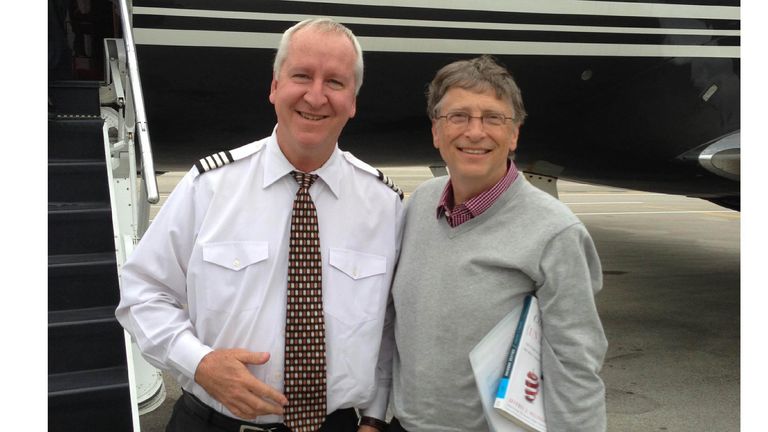
Bill Gates and Epstein’s long-time pilot, Larry Visoski. Pic: @OversightDems
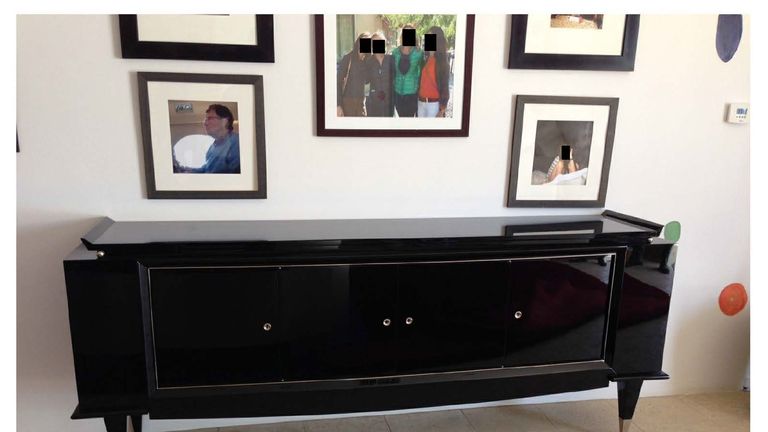
A photo released in the Epstein files shows Bills Gates’s picture framed above a cabinet. Pic: @OversightDems
In 2021, the tech billionaire told the New York Times he had met Epstein to discuss philanthropy and Gates’s spokeswoman said he regretted ever meeting him.
The following year Mr Gates told the BBC: “I made a mistake ever meeting with Jeffrey Epstein.
“Any meeting I had with him could be viewed as almost condoning his evil behaviour. So, that was a mistake.”
Another photo shows British entrepreneur Richard Branson with Epstein and Dean Kamen, an American engineer, inventor, and businessman.
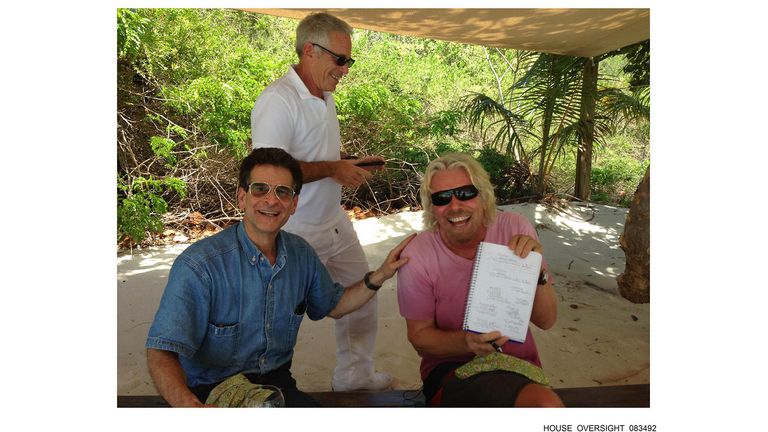
Richard Branson with Epstein and Dean Kamen. Pic: @OversightDems
Epstein is seen with his lawyer, Alan Dershowitz, in one more image.
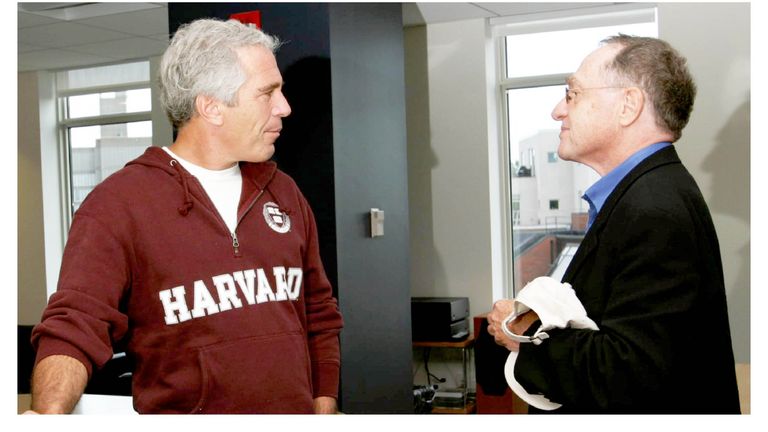
Epstein with his lawyer, Alan Dershowitz. Pic: @OversightDems
Mr Dershowitz said he fell out with Epstein after making a plea deal for him in 2007, leading to his conviction.
He told the Harvard Crimson in November: “Jeffrey Epstein despised me after I had made the deal. Epstein and I did not get along personally after I represented him and helped get the deal.”
Emirati businessman Ahmed bin Sulayem is also among those pictured, appearing twice in the second cache of photos.
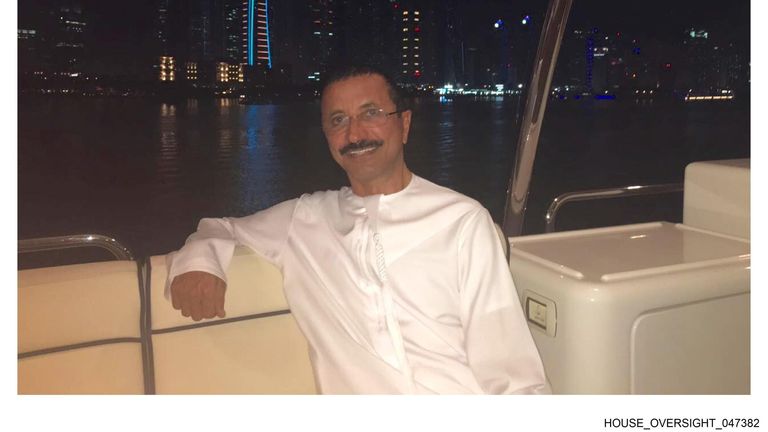
A picture of Sultan Ahmed Bin Sulayem released from the Epstein files. Pic: @OversightDems
A number of images of a sexual nature appear in the first cache.
One shows a bowl of novelty condoms with a caricature of Trump’s face, each one bearing the phrase “I’m HUUUUGE!” A handwritten sign reads: “Trump condom $4.50.”
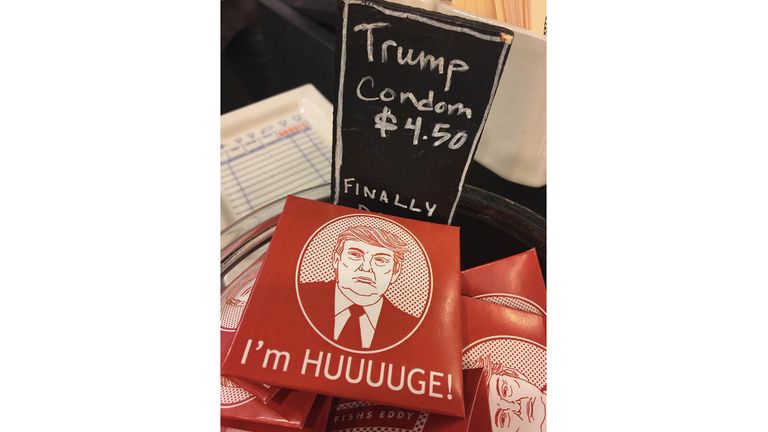
Pic: @OversightDems
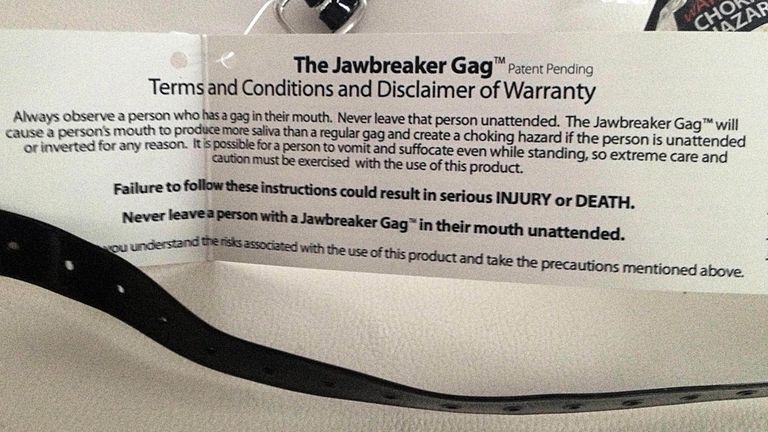
Various sex toys are also featured in pictures, including a glove with ribbed fingers, and a safety notice from a “jawbreaker” gag warning of the risk of injury or death.
Many of the newer batch of photos appear to show parts of Epstein’s properties, including a toilet, various service areas, and a small beachfront construction project.
Among the photos are several additional images which are thought to be from the disgraced financier’s private island, Little Saint James, showing a dental suite previously seen in an earlier release of pictures.
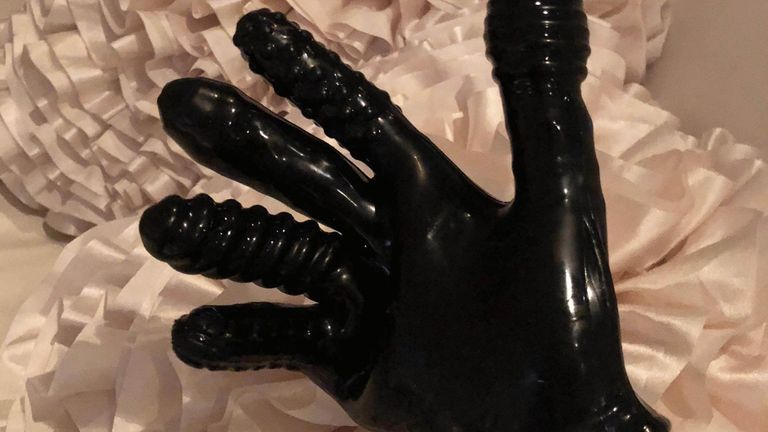
Pic: @OversightDems
Pic: @OversightDems
The images, obtained from the Epstein estate, were released by Democrats on the House Oversight Committee in a bid to pressure the US Justice Department to release the full Epstein files.
President Trump signed a bill in November compelling the department to release case files within 30 days, in a U-turn after he opposed the bill for months. The end of that window is Friday 19 December.
The images released on Friday were described by Democrats as being “of the wealthy and powerful men who spent time with Jeffrey Epstein” and “photographs of women and Epstein properties”.
A spokesperson for the Republican-led House Oversight Committee accused the Democrats of “cherry-picking photos and making targeted redactions” to create a “false narrative” about Donald Trump.
“Democrats’ hoax against President Trump has been completely debunked,” they added.
Donald Trump, Andrew Mountbatten-Windsor and Bill Clinton are among high-profile figures pictured in a new selection of photos from Jeffrey Epstein’s estate, released by Democrats in Congress.
This article contains images of a sexual nature that some people may find offensive.
Sky News has identified all of the people whose faces have not been redacted in the images. They have been contacted for comment.
There is no suggestion of wrongdoing on the part of those pictured and the context surrounding the 19 photos is not known.
Latest updates from Epstein files
In one image, the US president is seen with the late sex offender Jeffrey Epstein and Belgian model Ingrid Seynhaeve.
Donald Trump, Belgian model Ingrid Seynhaeve and Jeffrey Epstein. Pic: @OversightDems
Two further photos show Mr Trump with women whose faces are redacted.
One image is black and white and shows him with six women; three on either side of him. The other is out of focus, and shows him sitting alongside an unidentified woman.
Mr Trump alongside six unidentified women Pic: @OversightDems
Mr Trump with an unidentified woman. Pic: @OversightDems
Speaking after Epstein took his own life in jail in 2019, Mr Trump admitted knowing Epstein, but added: “I had a falling out with him. I haven’t spoken to him in 15 years. I was not a fan of his, that I can tell you.”
In July, the White House also released a statement saying Epstein had been banned from Trump’s Mar-a-Lago resort in Florida for acting like a “creep”.
Bill Clinton with Epstein and Ghislaine Maxwell, as well as Jimmy Buffett and Mr Buffett’s wife Jane Slagsvol. Pic: @OversightDems
In another photo released by Democrats, Bill Clinton is seen with Epstein and convicted sex offender Ghislaine Maxwell, as well as singer Jimmy Buffett and Mr Buffett’s wife Jane Slagsvol.
In 2019, a spokesperson for the former US president said he had “not spoken to Epstein in well over a decade” and “knows nothing about the terrible crimes”.
Further images show Epstein with long-time Trump ally, Steve Bannon. In one he sits across from him at his desk, while in another the men are seen side-by-side taking a selfie in a mirror.
Jeffrey Epstein with long-time Trump ally Steve Bannon. Pic: @OversightDems
Steve Bannon and Jeffrey Epstein. Pic: @OversightDems
Hollywood filmmaker Woody Allen appears in four of the photos; two of them taken with Epstein.
Woody Allen with Jeffrey Epstein and an unidentified woman. Pic: @OversightDems
Woody Allen and Jeffrey Epstein. Pic: @OversightDems
In another, Allen is photographed with Bannon, while one more shows him sat with Bill Clinton’s former treasury secretary, Larry Summers, and his wife Elisa New, seemingly on a private plane.
Woody Allen and Steve Bannon. Pic: @OversightDems
Bill Clinton’s former treasury secretary, Larry Summers, and his wife Elisa New. Pic: @OversightDems
Speaking to The Times in September, Allen said he had been to dinner at Epstein’s home, but suggested he was unaware of the nature of his crimes.
Allen said: “He told us he’d been in jail and that he had been – I can’t remember the word – but that he’d been falsely put in jail in some way.”
Meanwhile, Summers told the Harvard Crimson that his former association with Epstein was “a major error of judgement”.
Andrew Mountbatten-Windsor, then Prince Andrew, is seen just once, alongside tech billionaire Bill Gates. Epstein is not pictured. The original photo at a malaria summit also shows the then Prince Charles but he is cropped out of the version released by the Democrats. It is not clear why the picture has been included in the Epstein files.
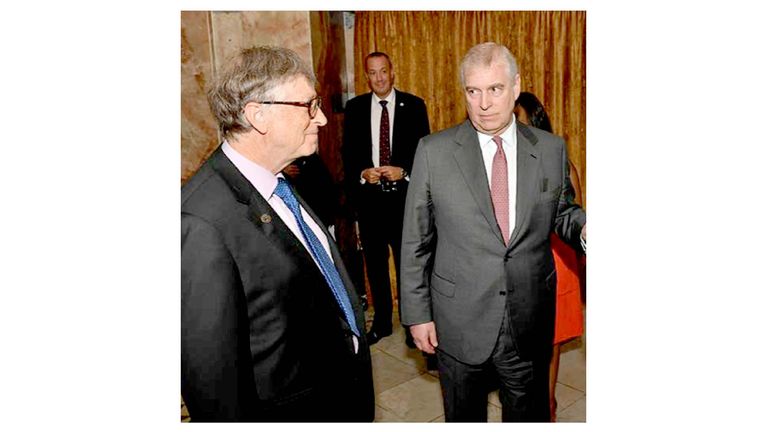
Bill Gates with Andrew Mountbatten-Windsor, then a prince. Pic: @OversightDems
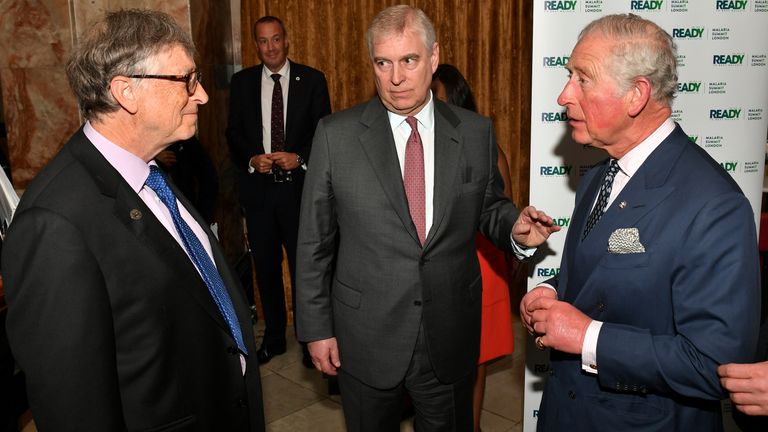
Bill Gates talks to the then Prince Andrew and then Prince Charles during a malaria summit in London on April 18, 2018. Pic: Reuters
Andrew relinquished his titles in October amid continued controversy over his friendship with Epstein, but said at the time: “I vigorously deny the accusations against me”.
Gates himself appears twice more, once alongside Epstein’s long-time pilot, Larry Visoski, and once in a framed photo which appears in an image above a black cabinet.
Bill Gates and Epstein’s longtime pilot, Larry Visoski. Pic: @OversightDems
A photo released in the Epstein files shows Bills Gates’s picture framed above a cabinet. Pic: @OversightDems
In 2021, the billionaire told the New York Times he had met Epstein to discuss philanthropy and Gates’s spokeswoman said he regretted ever meeting him.
A year later, Gates told the BBC: “I made a mistake ever meeting with Jeffrey Epstein.
“Any meeting I had with him could be viewed as almost condoning his evil behaviour. So, that was a mistake.”
Another photo shows British entrepreneur Richard Branson with Epstein and Dean Kamen, an American engineer, inventor, and businessman.
Richard Branson with Epstein and Dean Kamen. Pic: @OversightDems
Epstein is seen with his lawyer, Alan Dershowitz, in one more image.
Epstein with his lawyer, Alan Dershowitz. Pic: @OversightDems
Dershowitz said he fell out with Epstein after making a plea deal for him in 2007, leading to his conviction.
He told the Harvard Crimson in November: “Jeffrey Epstein despised me after I had made the deal. Epstein and I did not get along personally after I represented him and helped get the deal.”
A number of images of a sexual nature also appear in the cache.
One shows a bowl of novelty condoms with a caricature of Trump’s face, each one bearing the phrase “I’m HUUUUGE!” A handwritten sign reads: “Trump condom $4.50.”
Pic: @OversightDems
Various sex toys are also featured in pictures, including a glove with ribbed fingers, and a safety notice from a “jawbreaker” gag warning of the risk of injury or death.
Pic: @OversightDems
Pic: @OversightDems
The images were released by Democrats on the House Oversight Committee, which obtained them from the Epstein estate.
Democrats said the files included tens of thousands of photos and said more would be released in the coming days.
They were described as “images of the wealthy and powerful men who spent time with Jeffrey Epstein” and “photographs of women and Epstein properties”.
A spokesperson for the Republican-led House Oversight Committee accused the Democrats of “cherry-picking photos and making targeted redactions” to create a “false narrative” about Donald Trump.
“Democrats’ hoax against President Trump has been completely debunked,” they added.
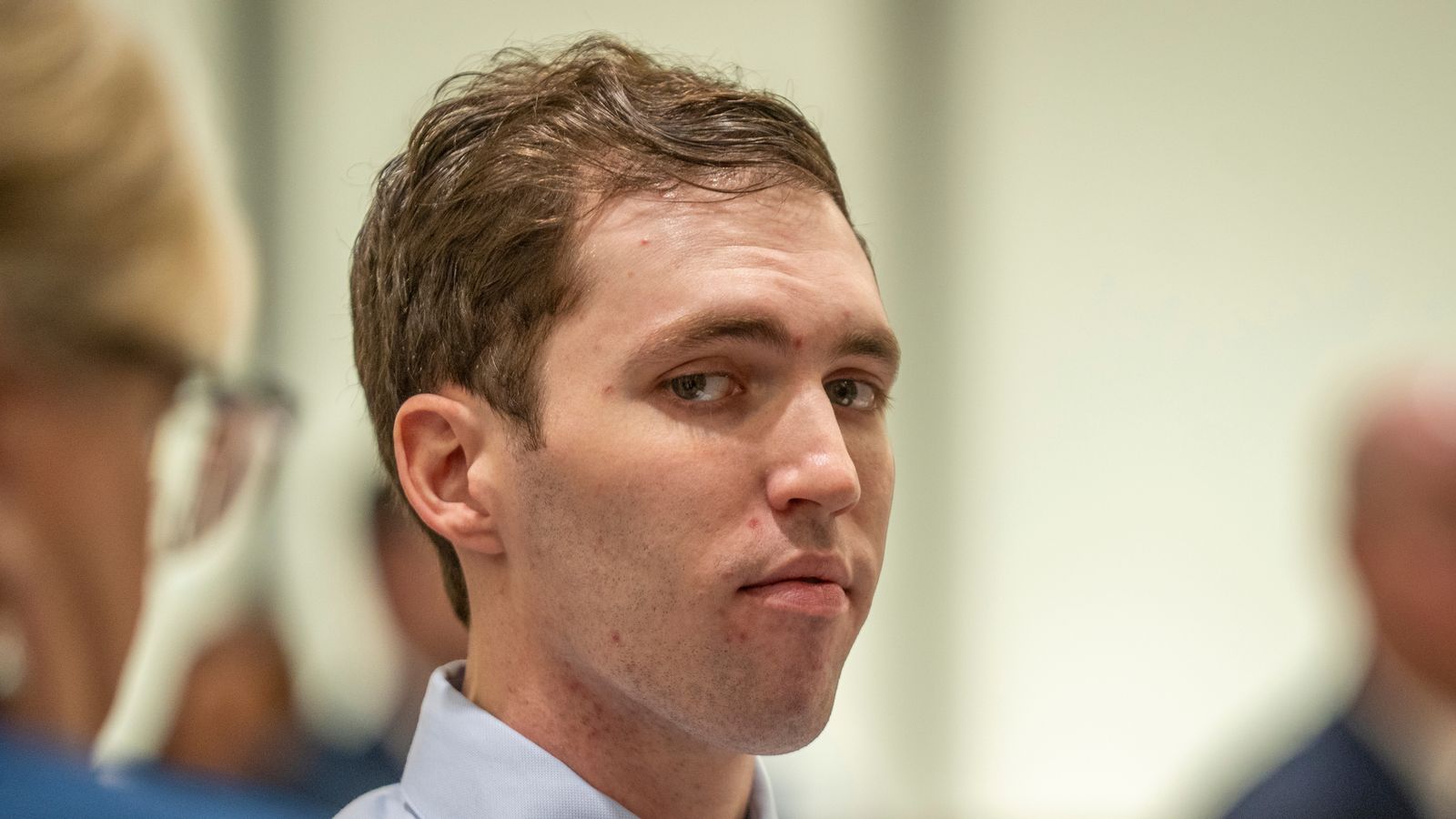
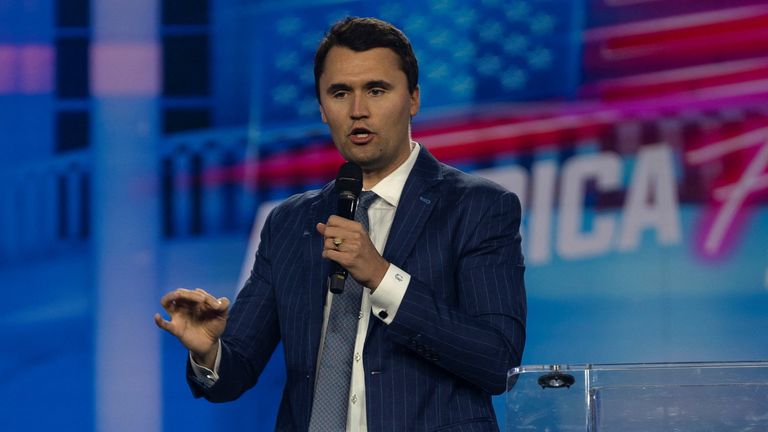
The man accused of killing right-wing influencer Charlie Kirk has appeared in person at court for the first time.
Tyler Robinson, 22, from Utah, is charged with aggravated murder in relation to the shooting of Kirk on the Utah Valley University campus in Orem.
Charlie Kirk pictured in December 2024. Pic: Reuters
Video of the incident showed Kirk, 31, and a staunch ally of Donald Trump, reaching up with his right hand after a gunshot was heard as blood came out from the left side of his neck. He died shortly after.
Prosecutors plan to seek the death penalty.
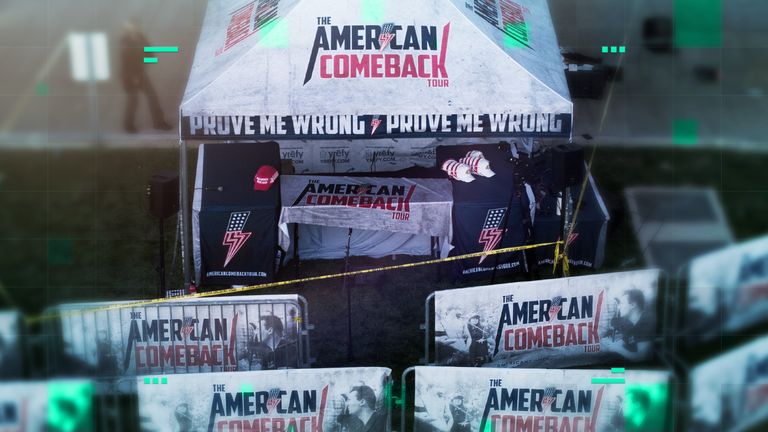
How the Charlie Kirk shooting unfolded
On Wednesday’s appearance at Fourth District Court in Provo, Utah, Robinson arrived in court with restraints on his wrists and ankles and wearing a dress shirt, tie and slacks.
Read more: What we can learn about suspect from charging document
According to the Associated Press, he smiled at family members sitting in the front row of the courtroom, where his mother teared up and wiped her eyes with a tissue.
He made previous court appearances via video or audio feed from jail.
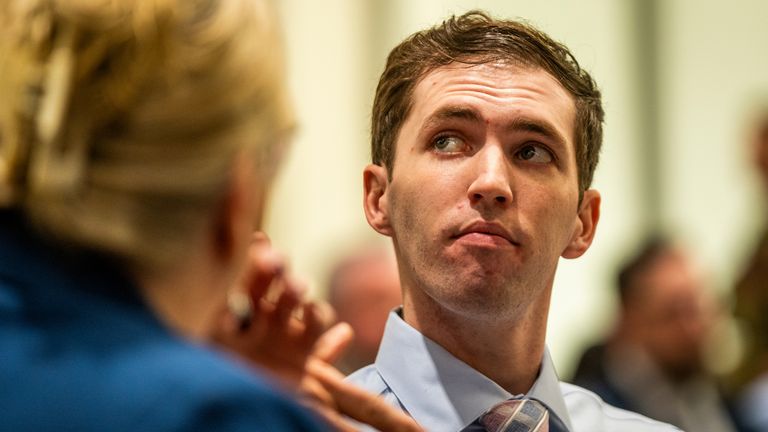
Pic: AP
The shooting happened during Kirk’s “prove me wrong” series, which saw the father of two visit campuses and debate contentious subjects; in this case, he was discussing mass shootings.
Prosecutors say the bullet which struck Kirk’s neck “passed closely to several other individuals”, including the person questioning him as part of the event.
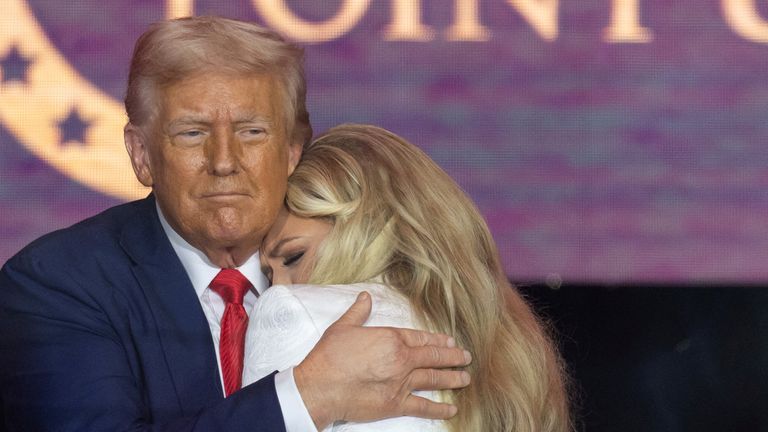
President Trump comforts Charlie Kirk’s widow Erika at his memorial service in Arizona in September. Pic: Reuters
A charging document about Robinson from September includes incriminating texts sent between the alleged shooter and his roommate after Kirk’s death.
Read more from Sky News:
Analysis: The real reason for Trump’s Venezuela exploits
FBI release Luigi Mangione ‘to-do list’ before alleged assassination
Judge Tony Graf also heard arguments on Wednesday about whether cameras and media should be allowed in the courtroom, with Robinson’s lawyers and the Utah County Sheriff’s Office asking for them to be banned.
Mr Kirk’s widow, Erika Kirk, has called for full transparency and said “we deserve to have cameras in there”.
The judge has already made allowances to protect Robinson’s presumption of innocence before a trial, agreeing that the case has drawn “extraordinary” public attention
-
 Sports2 years ago
Story injured on diving stop, exits Red Sox game
-
 Sports3 years ago
‘Storybook stuff’: Inside the night Bryce Harper sent the Phillies to the World Series
-
 Sports2 years ago
Game 1 of WS least-watched in recorded history
-
 Sports3 years ago
Button battles heat exhaustion in NASCAR debut
-
 Sports3 years ago
MLB Rank 2023: Ranking baseball’s top 100 players
-
Sports4 years ago
Team Europe easily wins 4th straight Laver Cup
-
 Environment3 years ago
Japan and South Korea have a lot at stake in a free and open South China Sea
-
 Environment1 year ago
Here are the best electric bikes you can buy at every price level in October 2024