
How the falling pound affects you – and who the winners and losers are

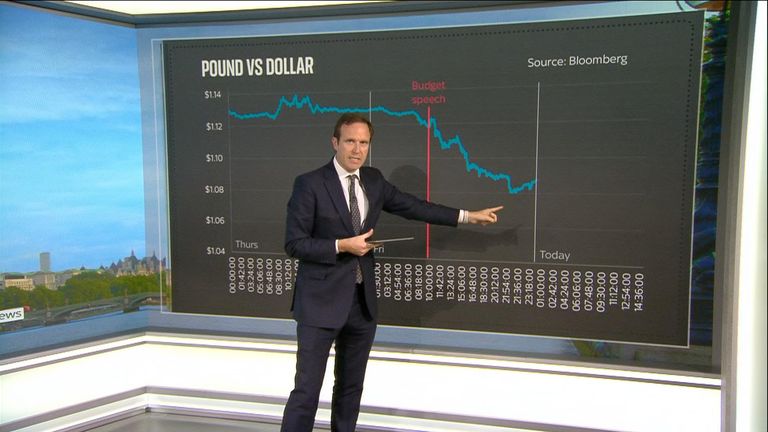
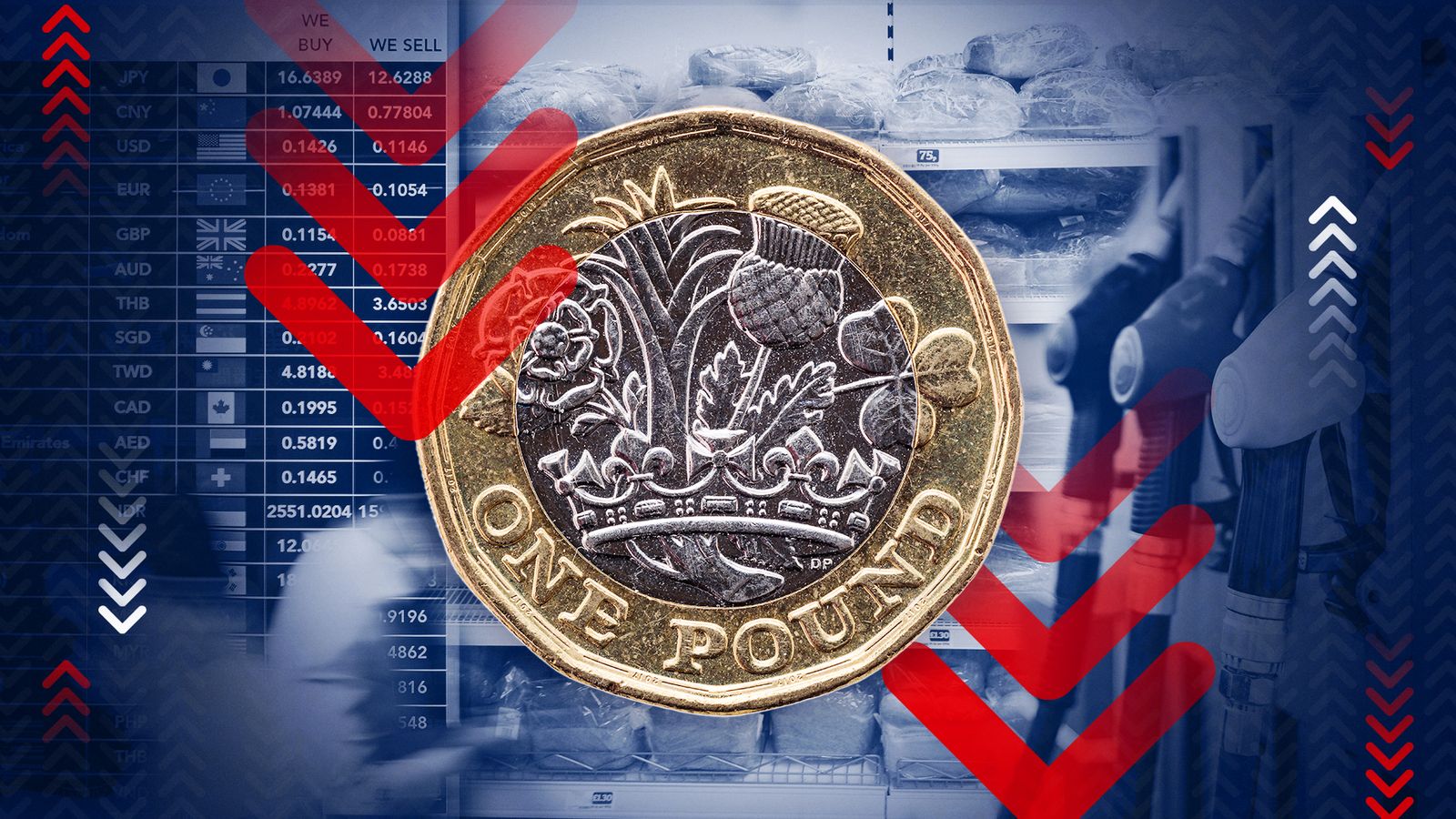
Friday’s mini-budget that promised billions in tax cuts and a multi-billion pound energy price cap has seen the value of the pound plummet against foreign currencies.
The new prime minister and her chancellor’s decision to cut various taxes by a combined £45bn, alongside a cap on energy prices that will cost taxpayers £60bn has resulted in a loss of market confidence.
Lenders withdraw mortgage profits; live pound updates
That loss of confidence in the government’s ability to pay back the billions they are spending means the Bank of England is likely to raise interest rates – in a desperate bid to bring down inflation.
This all has an effect on Britain’s day-to-day spending. Here, Sky News looks at who will suffer and who will benefit from the pound’s slump.
Petrol
Fuel is traded in dollars.
This means that a low pound will buy less fuel, forcing prices at UK forecourts to rise.
Drivers will have noticed a recent dip in prices at the pumps – compared with this summer when they approached £2 a litre for diesel.
But the slump in value of the pound will likely wipe out that fall, which was a welcome relief for many.
According to the AA, a pound that equals $1.08 will mean an extra 13.5p per litre of petrol.
That would add around £7.50 to the cost of filling up an average 55-litre car, when factoring in VAT.
An AA spokesman added that had it not been for former Chancellor Rishi Sunak’s decision to cut fuel duty by 5p in March, motorists would have likely seen an even bigger increase in the price per litre – of around 18.5p.
Why did the pound fall to a record low?
Energy
Gas is also traded in dollars and therefore also suffers from a poor exchange rate.
As with oil, wholesale prices have dropped internationally since the start of the war in Ukraine, but with a weak pound, similarly the UK won’t experience the benefits.
Sarah Coles, senior personal finance analyst at Hargreaves Lansdown, tells Sky News: “At this stage, this won’t affect bill payers directly, because the energy price cap is set below international energy prices, so we’ll be paying less anyway.
“Instead it will have an impact on how much the guarantee will cost the government.”
The more the price cap costs the government, the less confidence the market will have in the government’s capacity to pay it back, causing the original problem to spiral further.
Food
Any goods imported to the UK from abroad will cost more when the pound is weaker.
According to the government’s most recent food security report, the UK imports around 45% of its food.
This has proven a major problem during the Ukraine war, with grain exports unable to leave the country for several months this year.
Along with the dollar, the pound is also faring badly against the Euro, which will mean European-grown fruit and veg prices will increase.
Produce grown further afield, such as bananas, will also go up.
Not all retailers will pass all of that cost onto their customers, however.
Supermarkets are often the last to increase their prices off the back of rising costs, as they try to remain affordable, and often buy stocks in advance to mitigate sudden market shocks.
But Ms Coles cautions: “Supermarkets have warned that although they are already absorbing a great deal of the increased costs of supply, they have to pass some of it on.”
Why does the weak pound matter?
Tech
Most of our tech gadgets, such as smartphones and tablets, are manufactured abroad.
Apple, for example, is based in California, but uses parts manufactured in China and Taiwan.
Again, a week pound will mean these foreign-made products cost more in the UK.
Apple has already increased the price of its latest iPhone range. The iPhone 13 started at £949 when it launched last year. The iPhone 14 range is retailing at £1,099 – a 16% increase.
Holidays abroad
The most obvious place consumers will experience the slump in the pound is at the bureau de change.
Holidaymakers bound for the US will get particularly less for their money than they used to – but with the pound also down against the Euro, holidays to Europe will also be more expensive.
With the cost of fuel also on the rise, airlines and package holiday providers may also increase their prices to mitigate costs.
Mortgages
A weak pound means inflation – which is already at 10% – getting even higher.
When inflation is high, the Bank of England tries to bring it down by increasing interest rates.
This higher price of borrowing is designed to encourage people to borrow less, spend less, and save more.
Currently forecasts predict interest rates hitting 6% by November, which will mean huge increases in people’s mortgage repayments.
Halifax, the country’s largest mortgage provider, is removing fee-paying mortgages from Wednesday. These allow people to pay a fee in exchange for a lower interest rates.
Virgin Money and Skipton Building Society have withdrawn all their mortgage products until they have more certainty.
The two million people in the UK already on tracker and variable mortgages will see far more of their monthly pay packet spent on repayments.
And those coming to the end of a fixed rate or hoping to buy for the first time will have fewer, more expensive deals to choose from.
“The issue is the fact that fixed rate mortgages don’t just depend on the rate today, they also depend on rate expectation,” Ms Coles explains.
“The dramatic overnight change in market expectations of future rates has ramped up the cost of doing business, and lenders are taking a break to reassess and reprice.”
Why some mortgage providers are pulling products
Pensions
People approaching retirement could suffer from UK bonds – or gilts – being sold off in response to the pound’s fall.
Some investors automatically switch people’s pensions from stocks to government bonds as they get closer to retirement age, which will leave them with a smaller pot in the current climate.
Pensioners living abroad will also suffer notably – as their pensions are paid in pounds but their expenses are in stronger currencies.
UK exporters
British businesses that sell their products and services abroad will benefit from the pound’s slump as foreign buyers look to take advantage of cheaper prices.
This will see the FTSE 100 companies benefit, as much of their money is made overseas, Ms Coles says.
It could also provide much-needed help for smaller UK businesses struggling with the increased costs of Brexit.
Local tourism
More holidaymakers could be drawn to the UK from abroad by the promise of a cheaper holiday.
While Britons get less for their money at the bureau de change, inbound tourists will get more.
Read more:
The good and the bad news on the pound
Five reasons the pound ‘doom loop’ matters
For example, a London hotel room that cost $200 (£186) at the start of 2022 now only costs $150.
Britons could also return to the ‘staycation’ trend seen during the COVID pandemic and also help boost the economy by supporting tourism and hospitality businesses at home.
Hedge funds
Hedge funds employ a strategy called ‘short selling’ or ‘shorting’ to take advantage of falling market prices.
It involves borrowing shares in a firm and selling them with a view to buying them back at a profit when prices fall.
Ms Coles says: “Plenty of hedge funds were shorting the pound before the fall – based on the belief that the markets had underestimated how long inflation would stick around for.
“So these paid off when the pound tumbled.”
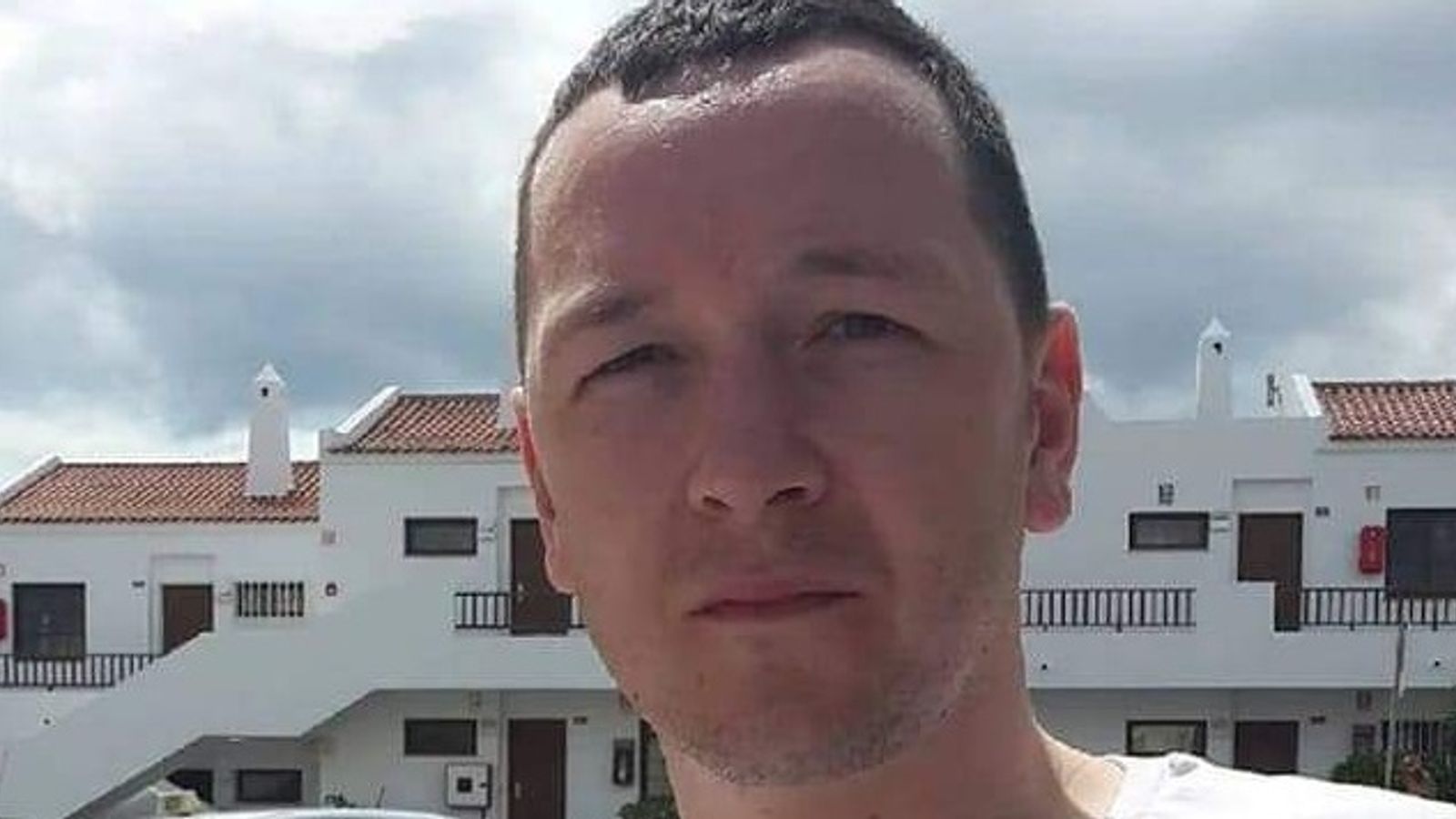
Three men and a woman have been jailed for at least 20 years for the brutal murder of a much-loved son.
Steven Hutton, 43, was hit with a hammer and stabbed in the heart during a late-night home invasion at his flat in Dundee in March 2024.
He was taken to the city’s Ninewells Hospital, but died the following day.
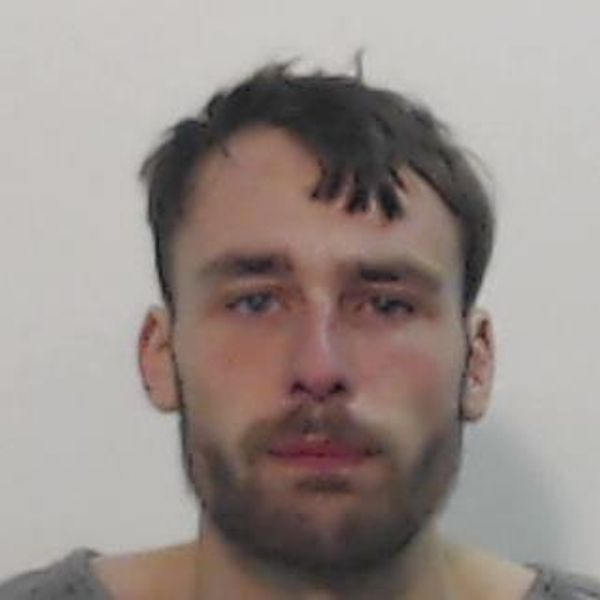
Brian Miller, 29, Scott Henderson, 40, Barry Murray, 45, and Carri Stewart, 44, were on Monday found guilty of murder following a trial at the High Court in Glasgow.
Brian Miller. Pic: Police Scotland
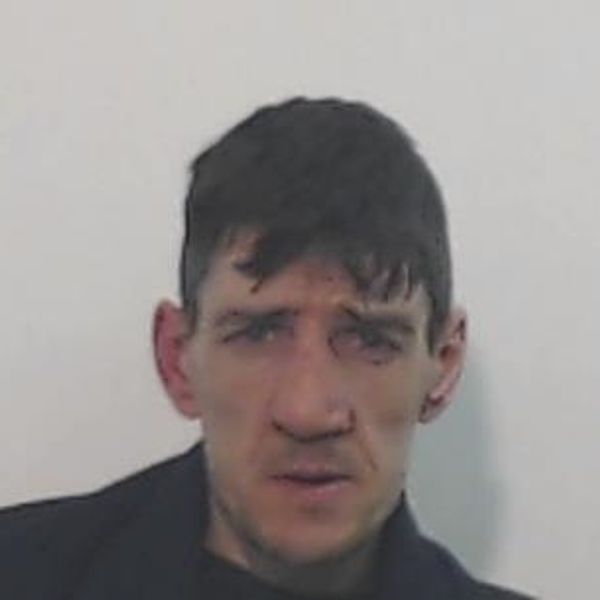
Scott Henderson. Pic: Police Scotland
The killers were each handed a life sentence, and will spend at least two decades behind bars.
In her sentencing statement, Judge Lady Haldane said the evidence provided a “compelling picture of a plan to inflict serious violence upon Mr Hutton in his own home”.
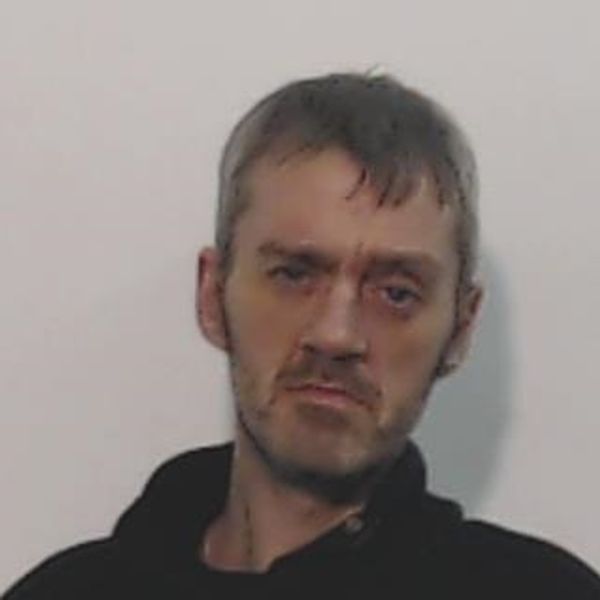
Barry Murray. Pic: Police Scotland

Carri Stewart. Pic: Police Scotland
The judge described it as a “frenzied assault”, which in part was sparked due to a “missing packet of Pregabalin medication”.
‘Callous’ behaviour
Lady Haldane stated: “Steven Hutton lost his life in these horrific circumstances, compounded by the fact that not one of you sought to seek assistance for him as he lay dying until you were all well clear of the property.
“That is behaviour that can only be described as callous.”
Read more from Sky News:
Public inquiry to probe how killer evaded justice for 19 years
‘Stakeknife’ spy inside IRA should be named, says report
The judge paid tribute to Mr Hutton’s family and friends.
She added: “Those close to Mr Hutton, in particular his mother, have attended faithfully every day of this trial, and their quiet dignity throughout what must have been at times harrowing and distressing evidence stands in stark contrast to your behaviour.
“Mrs Hutton has in addition provided a detailed and moving account of her relationship with Mr Hutton, her only son, and the impact his loss has had upon her.
“I thank her for taking the time to prepare this thoughtful document, and I have taken all that she has said into account.”
Detective Inspector Richard Baird said the killers “now face the consequences of their actions”.
He added: “This was an unprovoked attack that cost Steven Hutton his life. We hope this conviction brings some form of comfort to Steven’s family.”
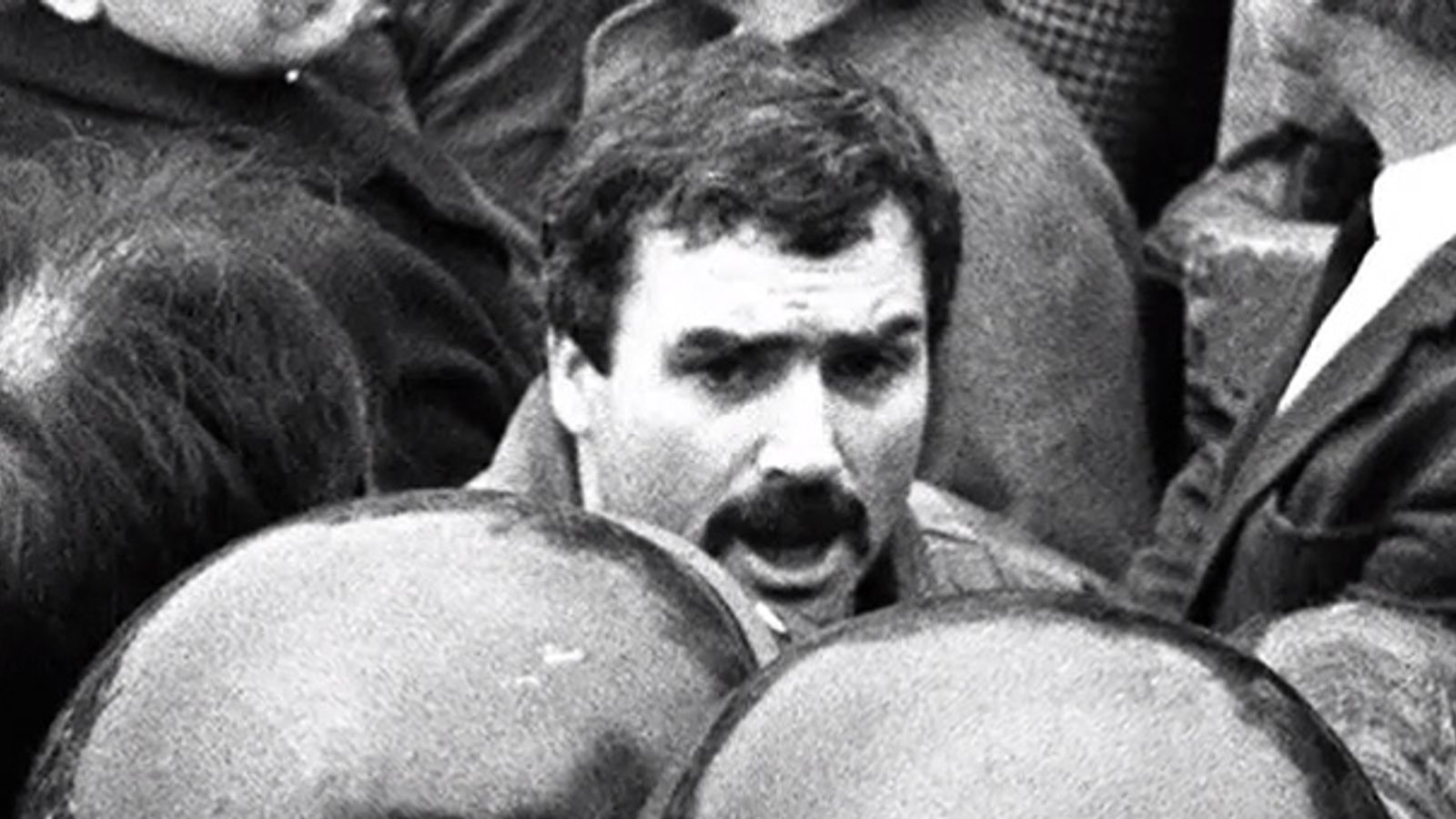

A new report into the activities of the top British spy inside the IRA during The Troubles has said that he “committed crimes of the worst possible kind”, including torture and murder, and should be publicly named by the UK government.
It’s widely accepted that the late republican Freddie Scappaticci was the agent, codenamed “Stakeknife”.
He headed the IRA‘s so-called “nutting squad”, a notorious internal security unit tasked with hunting and executing informants, but was himself operating as a mole for British intelligence.
The final report of a seven-year investigation named Operation Kenova has found that “there is a compelling ethical case” to reveal the agent’s identity.
Operation Kenova live: ‘Stakeknife’ spy inside IRA committed ‘worst possible’ crimes
Head of Kenova Sir Iain Livingstone said that “it is in the public interest that Stakeknife is named”. He urged the government to depart from its “neither confirm nor deny” (NCND) policy on the grounds of public interest.
It’s understood that the government believes Stakeknife cannot be officially named at this time due to some outstanding legal issues. Sky News has approached No 10 Downing Street for comment.
Freddie Scappaticci died two years ago denying that he was the agent, but all sides in Northern Ireland accept his denial was false.
Freddie Scappaticci. File pic: PA
The report also found a “significant failure” by MI5 in its late provision of materials to the investigation. “The further material revealed MI5 had earlier and greater knowledge of the agent than previously stated,” the report says.
Sir Ian Livingstone added that “further investigative opportunities were undoubtedly lost”, and that the confidence of the communities in Northern Ireland was undermined. Sky News has approached the security agency for comment.
Stakeknife produced a “vast” amount of intelligence. 3,517 reports from the agent were discovered, including 377 from one 18-month period. But the report found the intelligence was not shared with those who could have used it to save lives.
Read more:
Bloody Sunday shootings ‘unjustified and gratuitous’
Government will ‘look at every conceivable way’ to stop Gerry Adams payout
Last year, Operation Kenova’s interim report found the security forces were frequently aware of imminent abductions and murders but failed to protect those at risk.
Today’s report found his army handlers even took Stakeknife out of Northern Ireland for two holidays, at a time when he was sought by police for murder and kidnapping. He was flown on military aircraft and given military ID.
As a result, preventable deaths occurred with the security forces’ knowledge and those responsible were not brought to justice and were instead left free to reoffend.
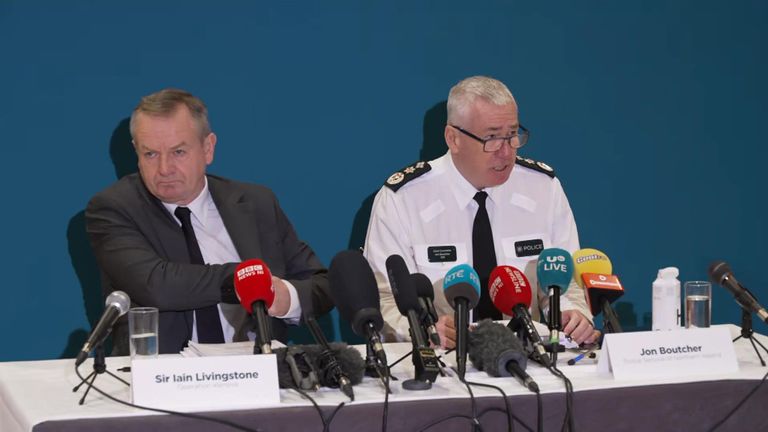
Investigation lead Sir Iain Livingstone and Northern Irish police chief Jon Boutcher speak at a conference following the report
‘Wholly unjustified criminality’
The 2024 report also concluded that Stakeknife was involved in “very serious and wholly unjustifiable criminality”, including murder, and claims his intelligence saved “countless” or “hundreds” of lives were exaggerated. It found that the number of lives saved by his spying ranged from the high single figures to low double figures.
This contradicted claims that Scappaticci had saved hundreds of lives during the years he was active, with a former defence chief describing him as “the goose that laid the golden eggs”. The interim report found that claim to be “inherently implausible” and “a comparison rooted in fables and fairy tales”.
The 2024 report also called on the UK government to apologise to bereaved families, given that many murders were avoidable.
‘Each evil act being the epitome of cowardice’
There was also a call for an apology from republican leaders for “the most shameful and evil” actions of the Provisional IRA (PIRA). “It was PIRA that committed the brutal acts of torture and murder, each evil act being the epitome of cowardice,” the report stated.
No prosecutions connected with Stakeknife will take place, prosecutors in Northern Ireland have already decided.
Families of IRA victims associated with Stakeknife will give their response to the Kenova report in a news conference later today.
They want Scappaticci to be officially named, and many are seeking an apology from the British government.
UK
Emma Caldwell: Public inquiry formally under way which will probe how killer Iain Packer evaded justice for almost 20 years
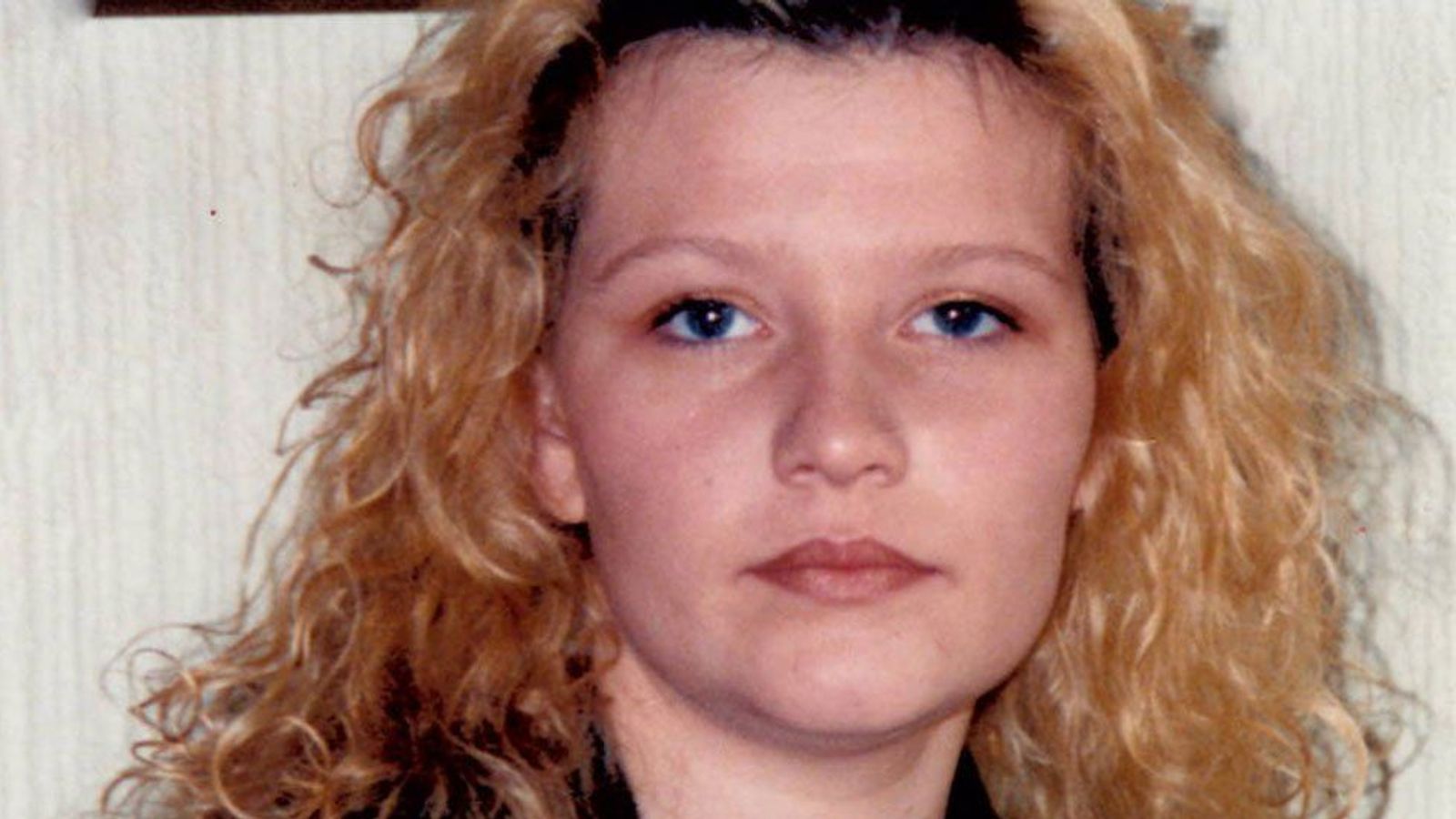
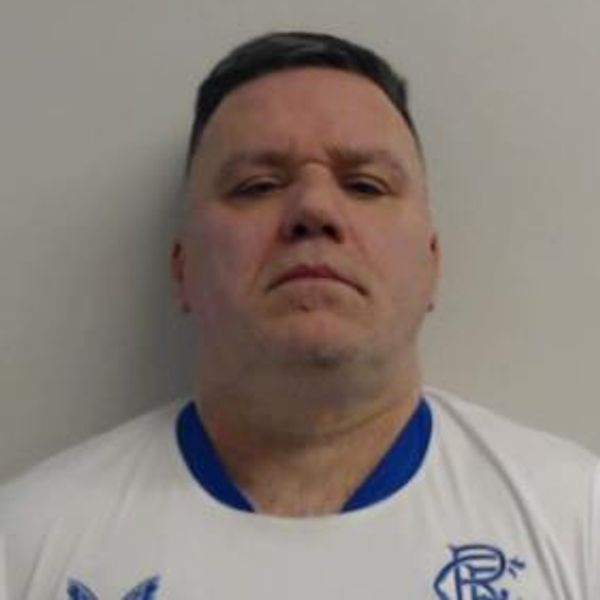
A public inquiry into the murder of a woman is now formally under way and will examine what went wrong in the police investigation that allowed a serial rapist to evade justice for almost 20 years.
Iain Packer murdered Emma Caldwell, 27, in 2005.
In February 2024, he was ordered to serve a minimum of 36 years behind bars after being convicted of a string of violent offences.
Alongside double-murderer Andrew Innes, it is the second longest sentence ever handed down by a Scottish court, behind the 37-year minimum jail term given to World’s End killer Angus Sinclair in 2014.
Iain Packer. Pic: Police Scotland
Packer was found guilty of 33 offences following a trial at the High Court in Glasgow, including Ms Caldwell’s murder, 11 rapes and multiple sexual assaults against other women.
Following the killer’s conviction, Sky News heard testimony from several former sex workers who raised concerns to police about his dangerous sexual behaviour years before Ms Caldwell was murdered.
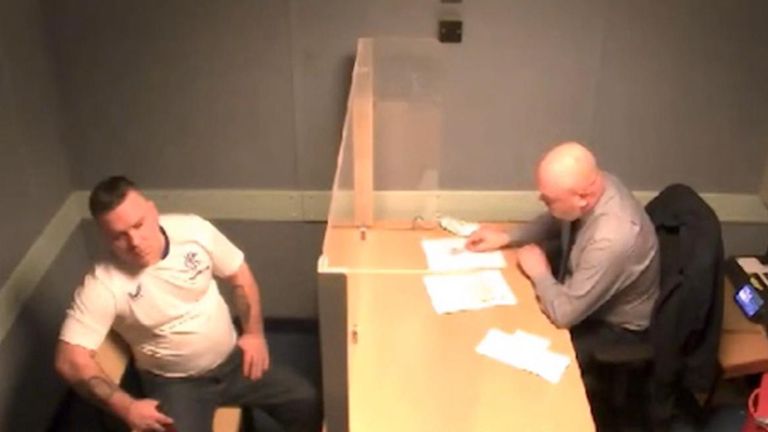
Police interviewing Packer following his arrest over Ms Caldwell’s murder
The Scottish government last year ordered a judge-led public inquiry into the police handling of the case, which will be chaired by Lord Scott.
In an update on Tuesday, Justice Secretary Angela Constance announced it has now been formally set up and work is under way.
The inquiry will examine the investigative strategy and decision-making by what was then Strathclyde Police, including the direction given by the Crown Office and Procurator Fiscal Service (COPFS).
It will probe what steps could reasonably have been taken that might have resulted in Packer being apprehended and prosecuted at an earlier stage, and any other factors relevant to the circumstances of the investigation and related prosecution.
The inquiry will also examine if any failings in training, procedures, operating models or systems of working contributed to any failures in the police and COPFS case.
The subsequent findings and any recommendations will be reported to Scottish ministers.
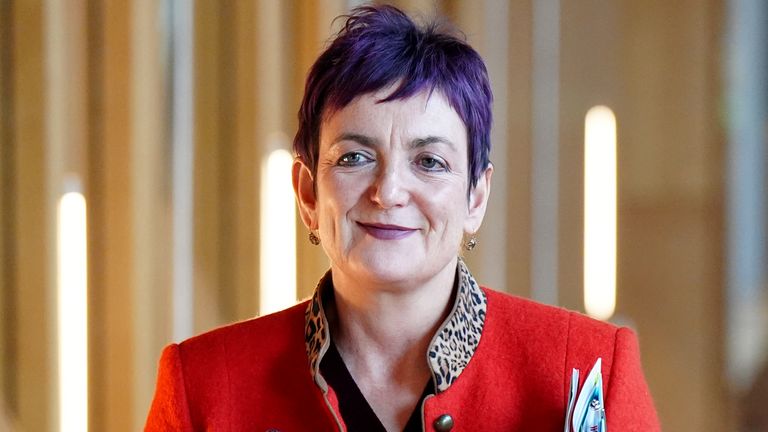
Justice Secretary Angela Constance. Pic: PA
Ms Constance said: “My thoughts continue to be with Emma Caldwell’s mother Margaret and her family, who have suffered unimaginable heartbreak.
“The public inquiry will look at what went wrong in the investigation of Emma’s murder and I hope it will provide the answers that the family need and deserve.
“I consulted with the chair, Lord Scott, on the terms of reference for the inquiry and also met the Caldwell family and other parties to discuss the inquiry’s remit.
“While these terms do not feature all of the issues raised with me during discussions, I am satisfied that they are both well focused and sufficiently flexible and broad enough to allow the chair to examine wider issues he may consider relevant to a robust, efficient and effective inquiry.”
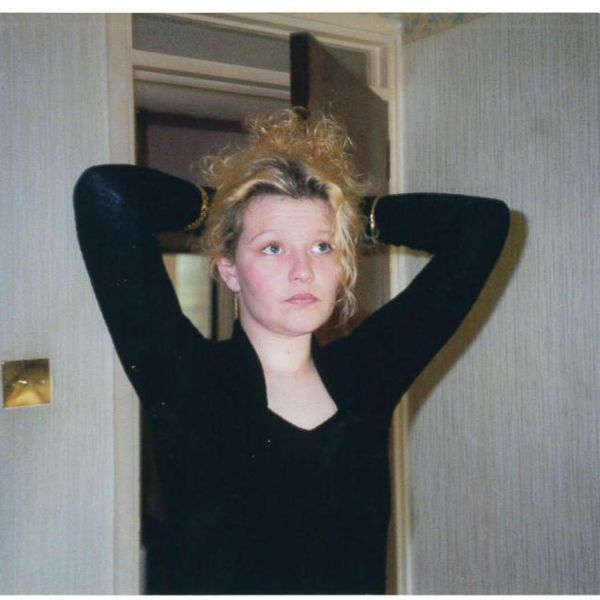
Ms Caldwell. Pic: Family handout
Ms Caldwell vanished in April 2005 just days after telling her mother about her hopes to defeat a heroin addiction, which began after her sister’s death.
She went missing in Glasgow while working as a sex worker. Her body was discovered the following month in Limefield Woods, South Lanarkshire.

During Packer’s trial, jurors were taken to the forest where Ms Caldwell’s body was dumped. Pic: Sky News
Investigating officers interviewed Packer that June but he was not convicted until almost two decades later after cold case detectives re-examined the case in 2015.
Police Scotland apologised to Ms Caldwell’s family and Packer’s other victims for how the original inquiry was handled by Strathclyde Police, saying they were “let down”.
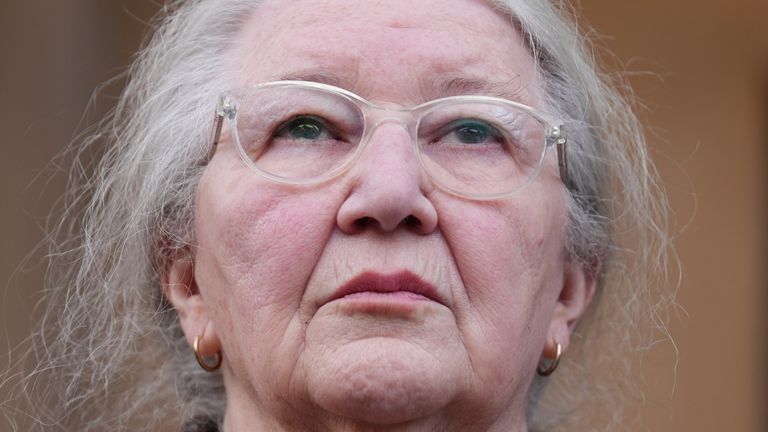
Margaret Caldwell, Ms Caldwell’s mother. Pic: PA
Margaret Caldwell, Ms Caldwell’s mother, has never given up on her pursuit of the truth.
Solicitor Aamer Anwar, the family’s lawyer, said: “The reference to Strathclyde Police in the terms of reference may be interpreted by some to mean that the inquiry can only deal with the police force up until, but not beyond when it became Police Scotland.
“Strathclyde Police ceased on 1 April 2013 when it merged into a single national service, as Police Scotland.
“If this inquiry is to pursue the truth, then it must look not only at Strathclyde Police, but what happened when Police Scotland took over responsibility.”
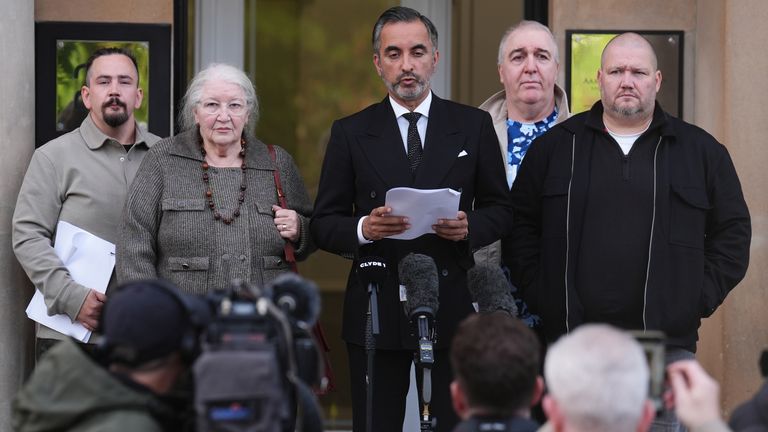
Solicitor Aamer Anwar (centre) alongside Ms Caldwell’s family earlier this year. Pic: PA
Mr Anwar said Packer’s survivors “deserve their place at the heart of this inquiry”.
He added: “A toxic culture of misogyny and corruption meant the police failed so many women and girls who came forward to speak up against Packer.
“Instead of receiving justice and compassion, they were humiliated, dismissed and in some instances arrested, whilst the police gifted freedom to an evil predator to rape and rape again.”
-
 Sports2 years ago
Story injured on diving stop, exits Red Sox game
-
 Sports3 years ago
‘Storybook stuff’: Inside the night Bryce Harper sent the Phillies to the World Series
-
 Sports2 years ago
Game 1 of WS least-watched in recorded history
-
 Sports3 years ago
Button battles heat exhaustion in NASCAR debut
-
 Sports3 years ago
MLB Rank 2023: Ranking baseball’s top 100 players
-
Sports4 years ago
Team Europe easily wins 4th straight Laver Cup
-
 Environment3 years ago
Japan and South Korea have a lot at stake in a free and open South China Sea
-
 Environment1 year ago
Here are the best electric bikes you can buy at every price level in October 2024