

EasyJet eyes stronger bookings ahead as disruption hammers profits


EasyJet says it is expecting to build on a strong summer, despite pressures on consumer budgets, after COVID and post-pandemic disruption pushed it to an annual loss.
The no-frills carrier reported a headline loss before tax of £178m for the 12 months to 30 September.
While that sum was well down on the previous financial year’s loss of £1.14bn, it reflected the company’s difficulties in getting back up to speed as pandemic restrictions were eased across Europe.
EasyJet was among airlines called out for rafts of cancellations – many of them last-minute – last spring.
While easyJet was not immune to staffing woes during the peak summer season, it reported its most profitable quarter ever as earnings soared to £674m between July and September.
The airline carried almost 70 million passengers over the 12 months compared to 20 million in 2020/21.
Revenue rose to £5.8bn from £1.5bn.
EasyJet pointed to continued momentum ahead with a strong Christmas expected – in line with volumes, it would expect to see for the festive season.
For the six months from April 2023, the period when the airline tends to make the bulk of its profit, easyJet said early bookings also looked positive.
Easter ticket yields were around 18% higher than in 2022, it reported.
It said it was planning to fly 9% more seats for the spring, summer period despite pressure on household budgets from the cost of living crisis.
The company’s chief executive, Johan Lundgren, told investors: “easyJet does well in tough times. Legacy carriers will struggle in this high-cost environment.
“Consumers will protect their holidays but look for value and across its primary airport network, easyJet will be the beneficiary as customers vote with their wallets.
Johan Lundren, easyJet’s boss, says the airline tends to do outperform when economic times are tough
“Over the next year, we are targeting customer growth and are well placed to drive returns and margins while maintaining a rigorous focus on cost.”
Shares, down 30% in the year to date, fell 3% at the open.
That likely reflect the company’s decision not to recommend a dividend.
EasyJet said it would reassess the potential for shareholder returns when the financial performance of the group allows.
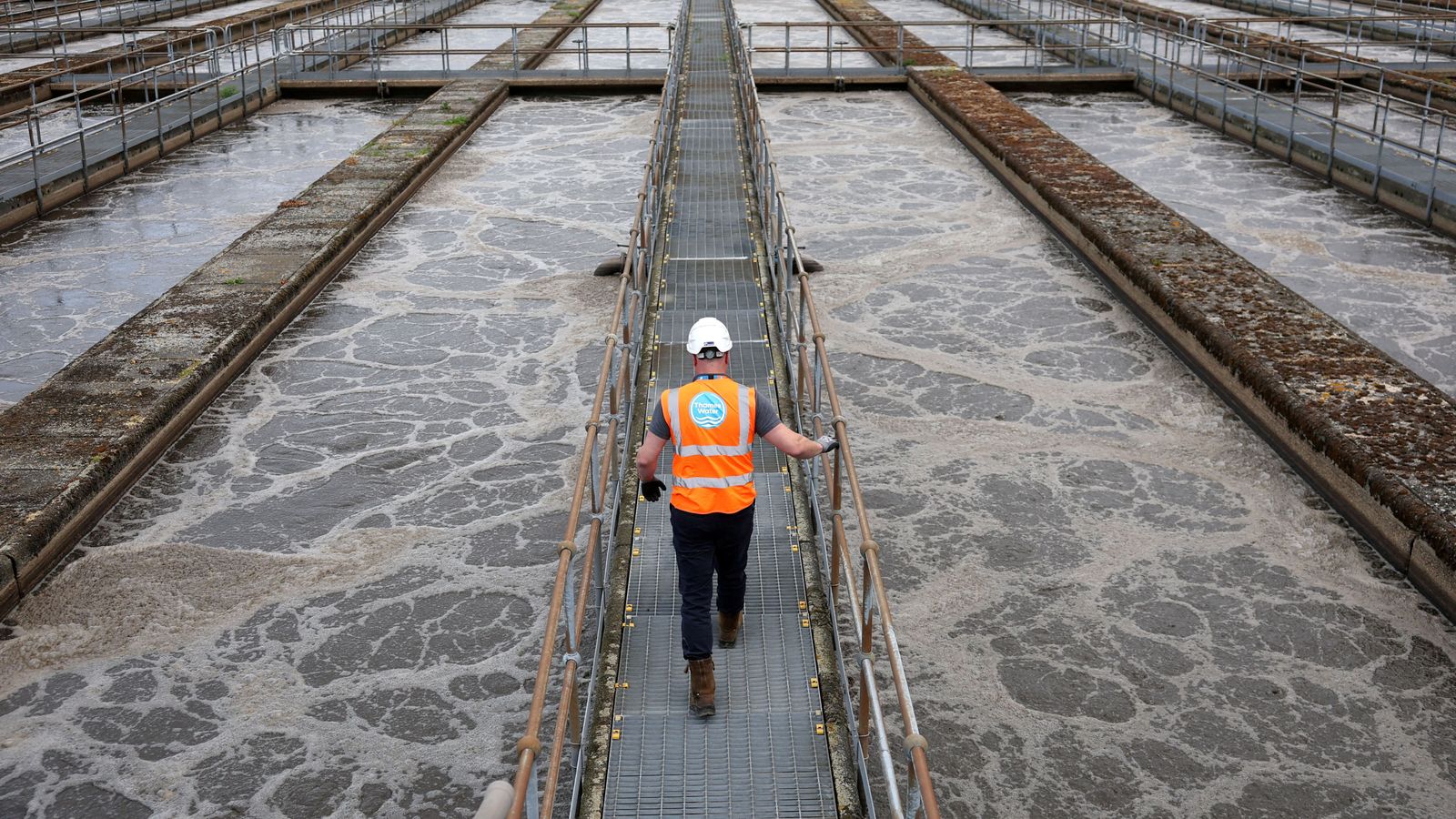
The UK’s biggest water supplier has been dealt another blow as the regulator decided to reduce its income.
Thames Water, which supplies 16 million people in England, has been told by the watchdog Ofwat its revenues will be cut by more than £187m.
It comes as the utility struggles under a £17.6bn debt pile and the government has lined up insolvency practitioners for its potential collapse.
Money blog: Nine-year-old set up Christmas tree business to pay for university
Overall, water firms face a sector-wide revenue reduction of nearly £309m as a result of Ofwat’s determination. Thames Water’s £187.1m cut is the largest revenue reduction.
This will take effect from next year and up to 2030 as part of water companies’ regulator-approved five-year spending and investment plans.
The downward revenue revision has been made as Ofwat believes the companies will perform better than first thought and therefore require less money.
Better financial performance is ultimately good news for customers.
The change published on Wednesday is a technical update; the initial revenue projections published in December 2024 were based on projected financial performance but after financial results were published in the summer and Ofwat was able to apply these figures.
Is Thames Water a step closer to nationalisation?
Thames Water and industry body Water UK have been contacted for comment.
-
 Sports2 years ago
Story injured on diving stop, exits Red Sox game
-
 Sports3 years ago
‘Storybook stuff’: Inside the night Bryce Harper sent the Phillies to the World Series
-
 Sports2 years ago
Game 1 of WS least-watched in recorded history
-
 Sports3 years ago
Button battles heat exhaustion in NASCAR debut
-
 Sports3 years ago
MLB Rank 2023: Ranking baseball’s top 100 players
-
Sports4 years ago
Team Europe easily wins 4th straight Laver Cup
-
 Environment3 years ago
Japan and South Korea have a lot at stake in a free and open South China Sea
-
 Environment1 year ago
Here are the best electric bikes you can buy at every price level in October 2024