
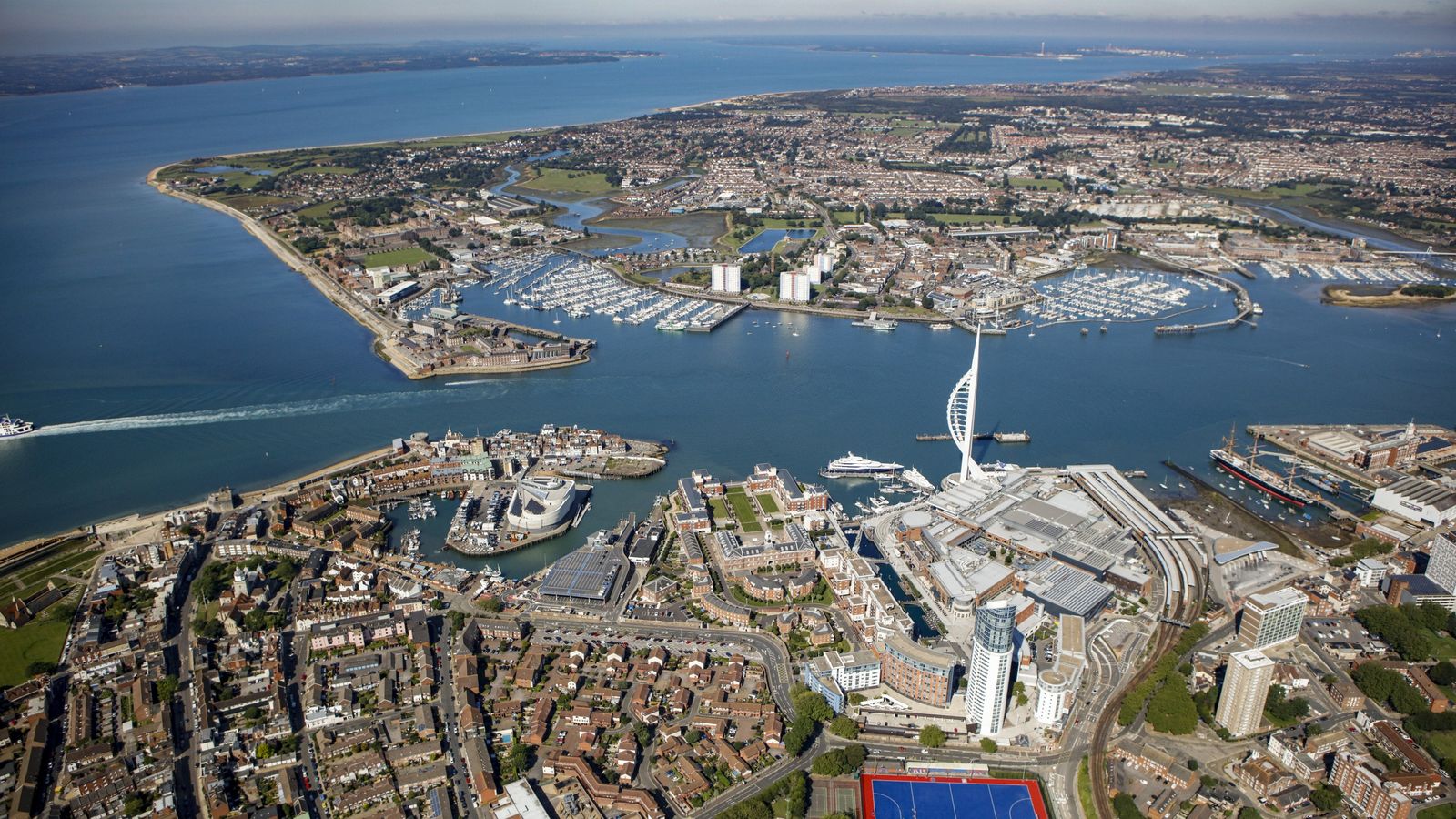
Portsmouth’s new Brexit border post could be demolished

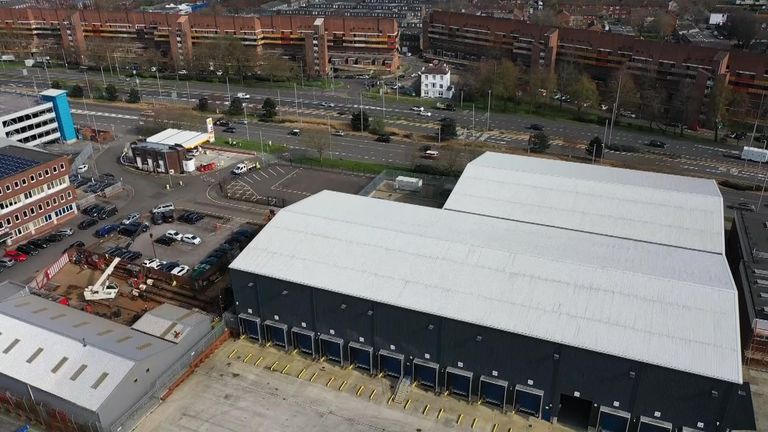
A new £24m border control post may have to be demolished because repeated changes to post-Brexit border arrangements have left it commercially unviable.
The facility at Portsmouth International Port is due to begin physical checks on food and plant imports from the EU at the end of next month, but changes to border protocols since it was built mean half of the building will never be used.
Built with a £17m central government grant and £7m from Portsmouth City Council, which owns the port, it is designed to carry out checks on up to 80 truck loads of produce a day. The port now expects to process only four or five daily.
As a consequence, half of the 14 loading bays will never be used, and annual running costs of £800,000 a year will not be covered by the fees charged to importers for carrying out checks.
Portsmouth is not alone, with ports across the country puzzling over how to make the over-sized, over-specified buildings commissioned by the government pay for themselves with far less traffic.
The Department for Environment, Food and Rural Affairs says it spent £200m part-funding new facilities to cope with post-Brexit border controls at 41 ports. It acknowledges that fewer checks will now be required and says ports are free to use spare capacity as they wish.
The problem in Portsmouth is that the facility, built for a very specific purpose inside a secure area, has no obvious commercial use, so the port is considering building a new, smaller facility, and decommissioning or even demolishing the existing building to make space for a commercially viable project.
The new border control post in Portsmouth
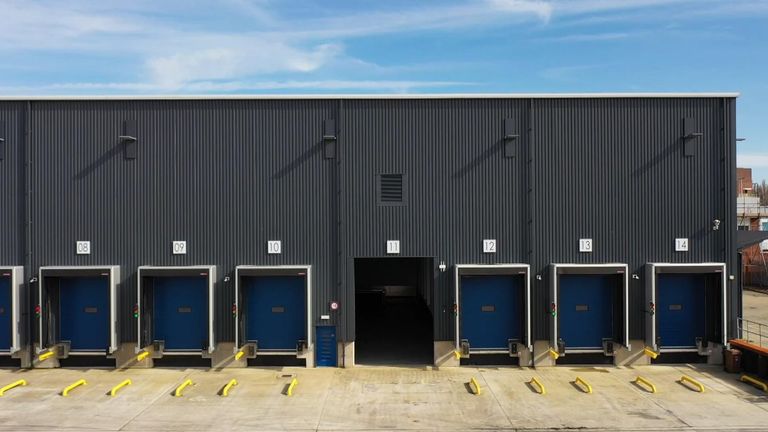
“This was built to a Defra [Department for Environment, Food and Rural Affairs] specification when the border operating model was announced and it’s been mothballed for two years while the checks were delayed,” Mike Sellers, director of Portsmouth International Port and chairman of the British Ports Association, told Sky News.
“Now the border will be operating with far fewer checks, we are going to struggle to cover the running costs of around £800,000 a year.
“So we have to look to the future and work out what strategically is the best way to minimise the impact to the port and to the council.
“I know it sounds ironic, but that could be building another border control post much smaller than this facility, and looking to find commercial ways to get income either through this facility or to demolish it and use the operational land for something else.”
Listen to Beth Rigby, Jess Phillips and Ruth Davidson as they unravel the spin in a new weekly podcast from Sky News
‘Total and absolute mess’
Port owner Portsmouth City Council meanwhile wants its £7m share of the £24m build cost reimbursed by the government.
“We as a council had to find £7m to help build this facility and now we’re on the fifth change of mind about how much inspection there will be. Half of this building is going to be left empty, idle, unused, and yet it’s costing council taxpayers of Portsmouth a great deal of money,” said councillor Gerald Vernon-Jones, transport lead for the council.
Were the Portsmouth facility to close it could impact the security of UK food imports, as the port is the main alternative route to Dover, providing much-needed resilience to a supply chain heavily reliant on the Short Straits route.
“It’s a total and absolute mess, we have an enormous white elephant here,” Mr Vernon-Jones said.
“If we can’t afford to keep port health people here all day, every day, to do those examinations then everything will have to come through Dover, and that’s enormously risky for this country. If Dover is closed for some reason, industrial action or whatever, then the whole country’s food is at ransom.”
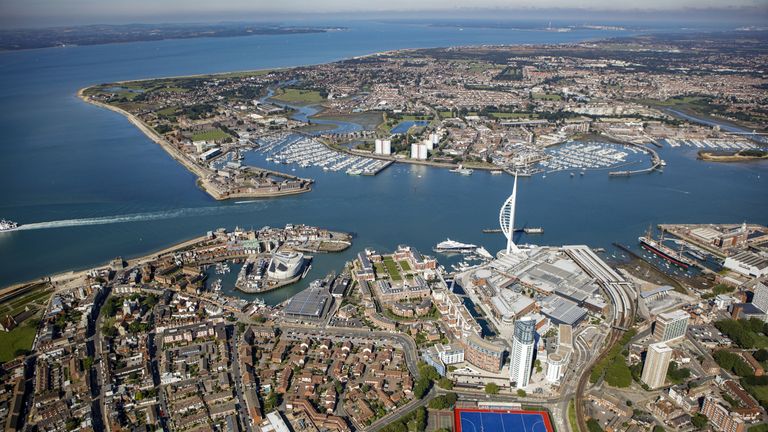
Portsmouth is the UK’s second busiest cross-Channel port
The British Ports Association meanwhile has raised concerns with ministers about the preparedness of the new inspection regime at new border control posts (BCPs), due to be enforced in less than six weeks.
The trade body says ports have still not been told what hours BCPs will be required to open, or how many staff from two state inspection agencies will be required on site.
Crucially, they also do not know how much they will be able to charge importers for inspections because the government has not revealed what price it will levy at the wholly state-owned and run BCP at Sevington in Kent, 20 miles inland from Dover.
Given the dominance of Dover in UK food imports, the so-called common user charge will set the price for the rest of the market, but other ports still have no idea where to set fees.
Defra says it will inform the industry shortly of the fees it has determined following consultation.
The fate of the Portsmouth facility, obsolete before it has even opened, symbolises the delay and indecision around import controls since the Brexit deal came into force in January 2021.
While UK exports to the EU have faced border and customs controls since 1 January 2021, the UK government has delayed similar checks on EU imports five times and changed the control regime.
Read more:
UK ports threaten legal action after spending millions on border control posts
New post-Brexit border controls to cost businesses £330m a year
Post-Brexit checks on goods from EU into UK announced after delay
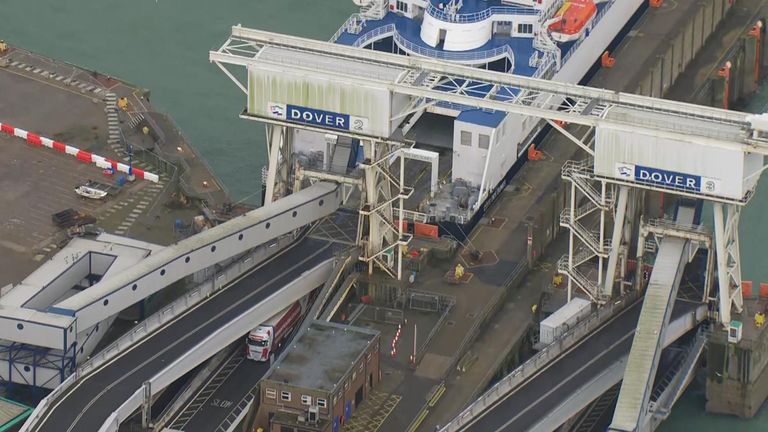
The original July 2021 deadline for physical checks of plant and animal produce was postponed because the BCPs were not ready, and further delays followed, with the government citing the impact on the food supply chain and the cost of living crisis.
In April 2022 the government announced a wholesale revision of its plans for the border, introducing a new risk-based approach that limits checks to certain high and medium-risk food and plant categories.
This was then delayed again, with a staged introduction finally beginning in January, with medium-risk food and plant imports requiring health certificates signed off by vets or plant health inspectors, followed by physical checks from 30 April.
Even with reduced checks on importsm the government’s own analysis suggests border controls will add £330m a year to the cost of trading with the continent and increase food inflation.
A spokesperson for the Department for Environment, Food and Rural Affairs said: “Our border control posts have sufficient capacity and capability, including for temperature controlled consignments, to handle the volume and type of expected checks and the authorities will be working to minimise disruption as these checks are introduced.”
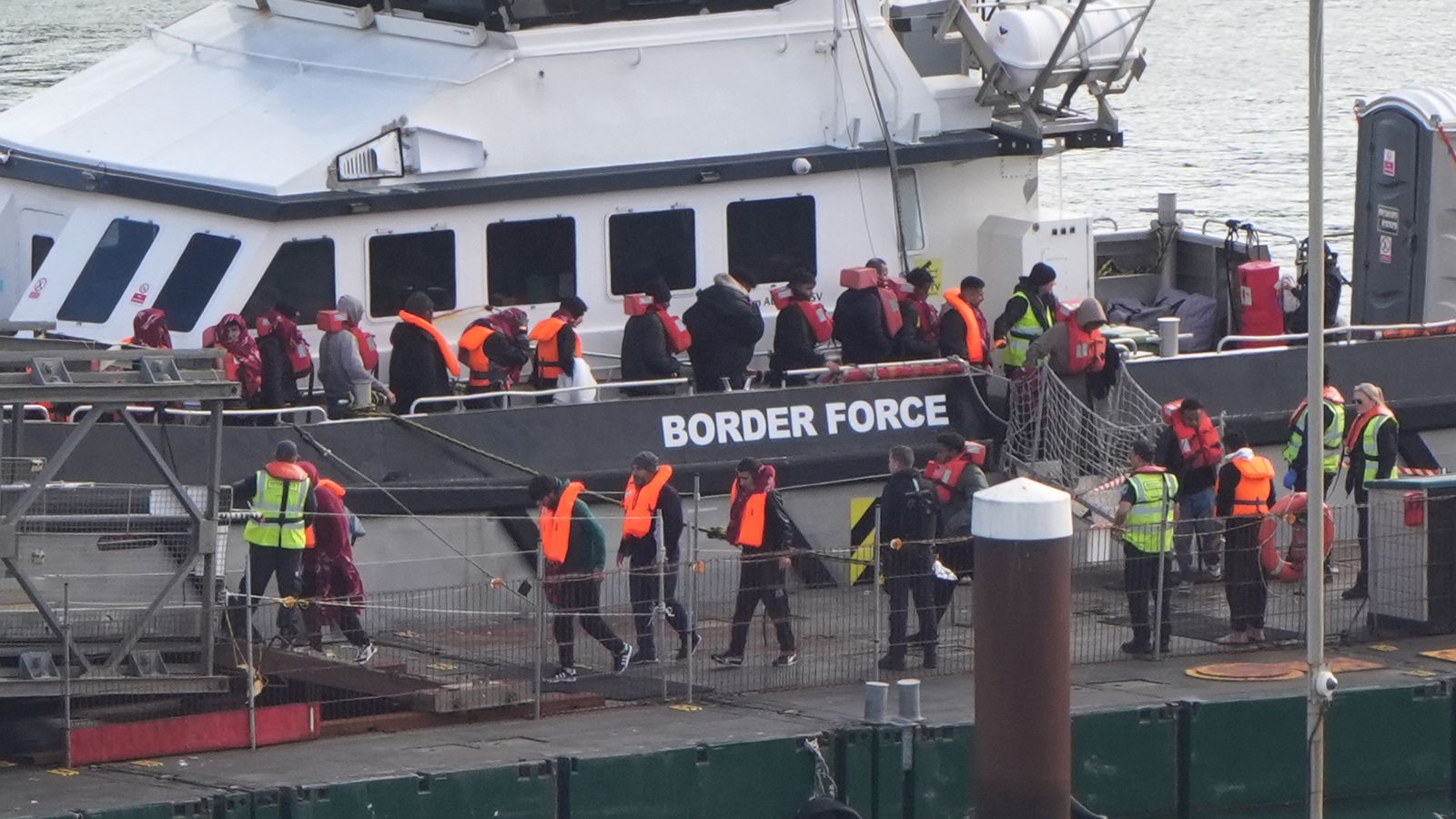
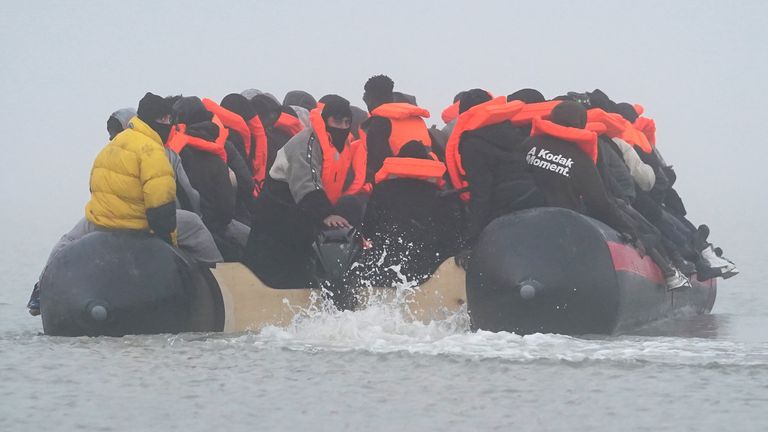
There have been no migrant arrivals in small boats crossing the Channel for 28 days, according to Home Office figures.
The last recorded arrivals were on 14 November, making it the longest uninterrupted run since autumn 2018 after no reported arrivals on Friday.
However, a number of Border Force vessels were active in the English Channel on Saturday morning, indicating that there may be arrivals today.
So far, 39,292 people have crossed to the UK aboard small boats this year – already more than any other year except 2022.
The record that year was set at 45,774 arrivals.
It comes as the government has stepped up efforts in recent months to deter people from risking their lives crossing the Channel – but measures are not expected to have an impact until next year.
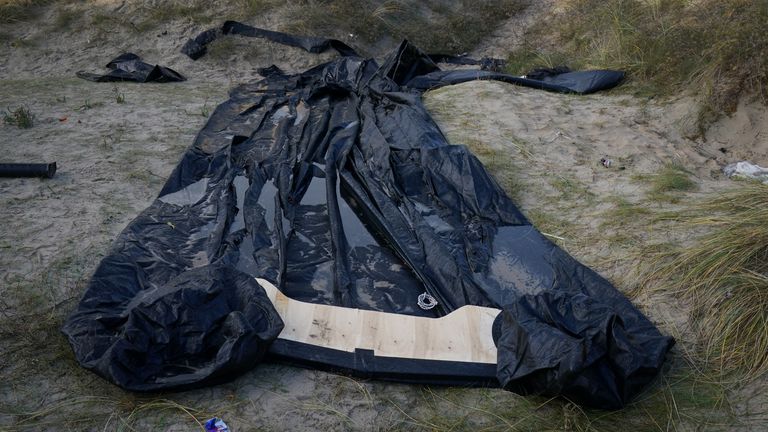
Debris of a small boat used by people thought to be migrants to cross the Channel lays amongst the sand dunes in Gravelines, France. Pic: PA
December is normally one of the quietest for Channel crossings, with a combination of poor visibility, low temperatures, less daylight and stormy weather making the perilous journey more difficult.
The most arrivals recorded in the month of December is 3,254, in 2024.
Deputy Prime Minister David Lammy met with ministers from other European countries this week as discussions over possible reform to the European Convention on Human Rights (ECHR) continue.
France agrees to start intercepting small boats
The issue of small boat arrivals – a very small percentage of overall UK immigration – has become a salient issue in British politics in recent years.
Last month, French maritime police announced they would soon be able to intercept boats in the English Channel.
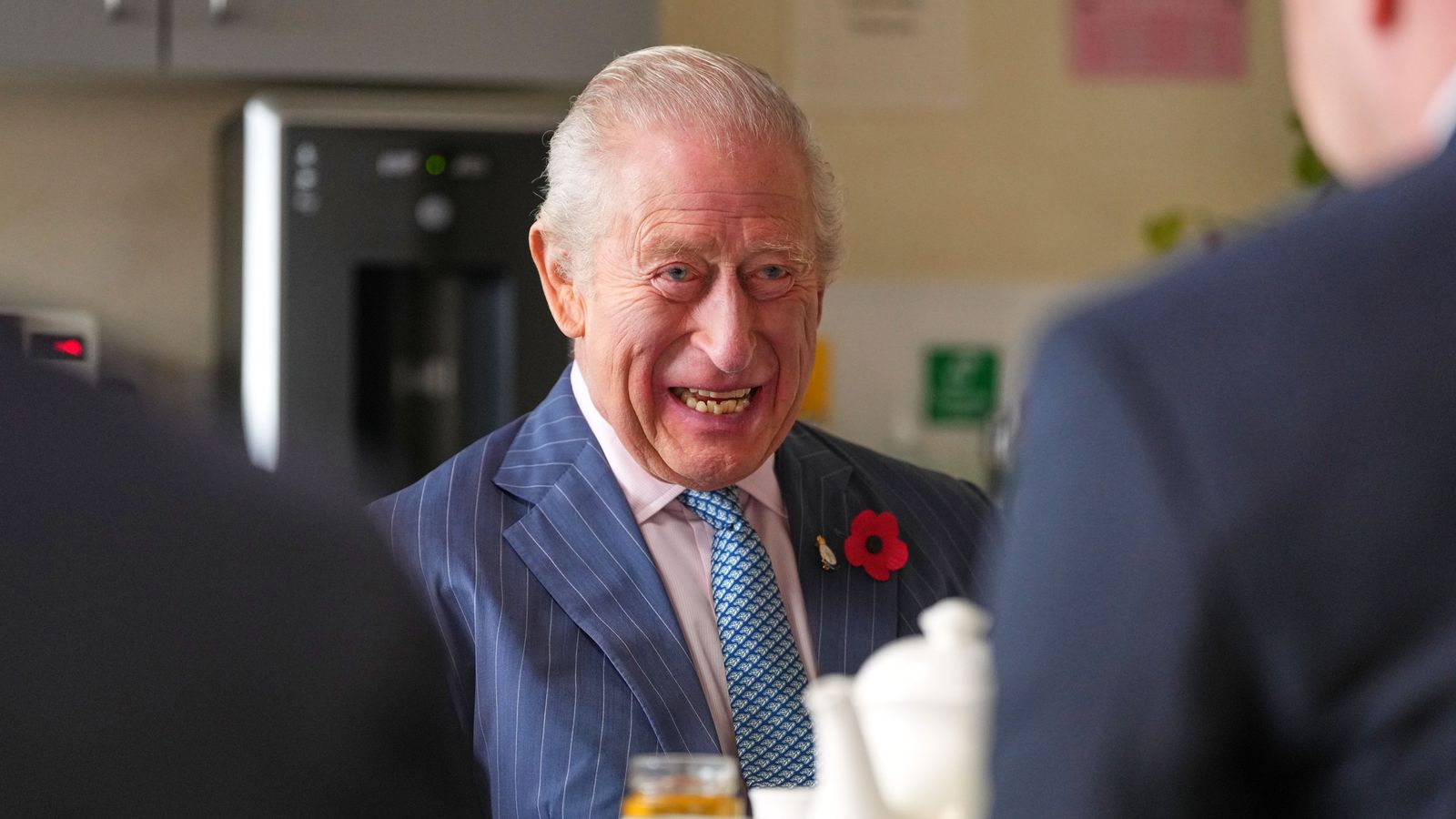
The King has shared in a television address that, thanks to early diagnosis, his cancer treatment can be reduced in the new year.
In a televised address, Charles said his “good news” was “thanks to early diagnosis, effective intervention and adherence to doctors’ orders”.
“This milestone is both a personal blessing and a testimony to the remarkable advances that have been made in cancer care in recent years,” he added.
“Testimony that I hope may give encouragement to the 50% of us who will be diagnosed with the illness at some point in our lives.”
The King announced in February 2024 that he had been diagnosed with cancer and was beginning treatment.
The monarch postponed all public-facing engagements, but continued with his duties as head of state behind palace walls, conducting audiences and Privy Council meetings.
He returned to public duties in April last year and visited University College Hospital Macmillan Cancer Centre in central London with the Queen and discussed his “shock” at being diagnosed when he spoke to a fellow cancer patient.
Sources suggested last December his treatment would continue in 2025 and was “moving in a positive direction”.
The King began returning to public duties in April last year. File pic: PA
The King has chosen not to reveal what kind of cancer he has been treated for. Palace sources have partly put that down to the fact that he doesn’t want one type of cancer to appear more significant or attract more attention than others.
In a statement after the speech aired, a Buckingham Palace spokesperson said: “His Majesty has responded exceptionally well to treatment and his doctors advise that ongoing measures will now move into a precautionary phase.”
Sir Keir Starmer praised the video message as “a powerful message,” and said: “I know I speak for the entire country when I say how glad I am that his cancer treatment will be reduced in the new year.
“Early cancer screening saves lives.”
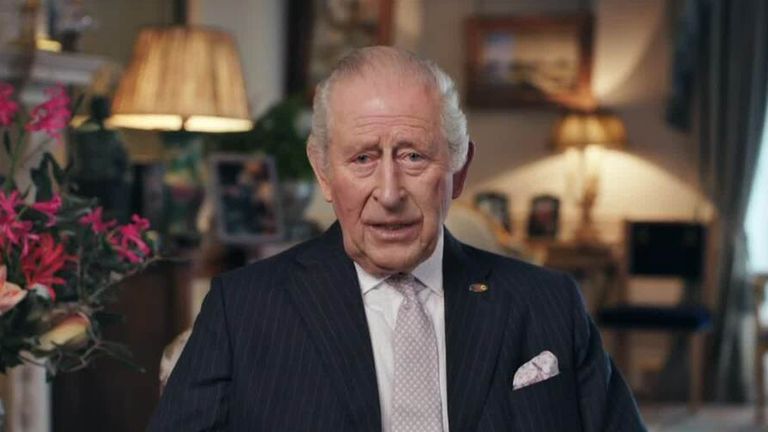
Watch: King Charles gives update on treatment
Early detection can give ‘the precious gift of hope’
His message on Friday was broadcast at 8pm in support of Stand Up To Cancer, a joint campaign by Cancer Research UK and Channel 4.
In an appeal to people to get screened for the disease early, the King said: “I know from my own experience that a cancer diagnosis can feel overwhelming.
“Yet I also know that early detection is the key that can transform treatment journeys, giving invaluable time to medical teams – and, to their patients, the precious gift of hope. These are gifts we can all help deliver.”
Charles noted that “at least nine million people in our country are not up to date with the cancer screenings available to them,” adding: “That is at least nine million opportunities for early diagnosis being missed.
“The statistics speak with stark clarity. To take just one example: When bowel cancer is caught at the earliest stage, around nine in ten people survive for at least five years.
“When diagnosed late, that falls to just one in ten. Early diagnosis quite simply saves lives.”
Minor inconvenience of screening ‘a small price to pay’
The King acknowledged that people often avoid screening “because they imagine it may be frightening, embarrassing or uncomfortable”. But, he added: “If and when they do finally take up their invitation, they are glad they took part.
“A few moments of minor inconvenience are a small price to pay for the reassurance that comes for most people when they are either told either they don’t need further tests, or, for some, are given the chance to enable early detection, with the life-saving intervention that can follow.”
Read more from Sky News:
Christmas tree chopped down hours after lights switch-on
More photos from Epstein’s estate released
Taylor Swift breaks down in tears over Southport attacks
Giving his “most heartfelt thanks” to doctors, nurses, researchers and charity workers, the King added: “As I have observed before, the darkest moments of illness can be illuminated by the greatest compassion. But compassion must be paired with action.
“This December, as we gather to reflect on the year past, I pray that we can each pledge, as part of our resolutions for the year ahead, to play our part in helping to catch cancer early.
“Your life – or the life of someone you love – may depend upon it.”
-
 Sports2 years ago
Story injured on diving stop, exits Red Sox game
-
 Sports3 years ago
‘Storybook stuff’: Inside the night Bryce Harper sent the Phillies to the World Series
-
 Sports2 years ago
Game 1 of WS least-watched in recorded history
-
 Sports3 years ago
Button battles heat exhaustion in NASCAR debut
-
 Sports3 years ago
MLB Rank 2023: Ranking baseball’s top 100 players
-
Sports4 years ago
Team Europe easily wins 4th straight Laver Cup
-
 Environment3 years ago
Japan and South Korea have a lot at stake in a free and open South China Sea
-
 Environment1 year ago
Here are the best electric bikes you can buy at every price level in October 2024